
Pull to refresh
Logo
San Francisco board saves 25-year-old sycamore as city moves to limit tree appeals

San Francisco board saves 25-year-old sycamore as city moves to limit tree appeals

Rule Changes San Francisco, CA local

Supervisors pass first reading of PermitSF tree ordinance, ending independent review of hazardous removals

September 1st, 2026: Supervisors pass first reading of tree ordinance 7-4

Overview

Updated Sep 4

San Francisco supervisors voted 7-4 on Sept. 1 to pass the first reading of Mayor Daniel Lurie's street-tree ordinance. The measure lets developers of smaller projects pay a $2,590 fee instead of planting trees, and it ends independent review of trees the city calls hazardous.

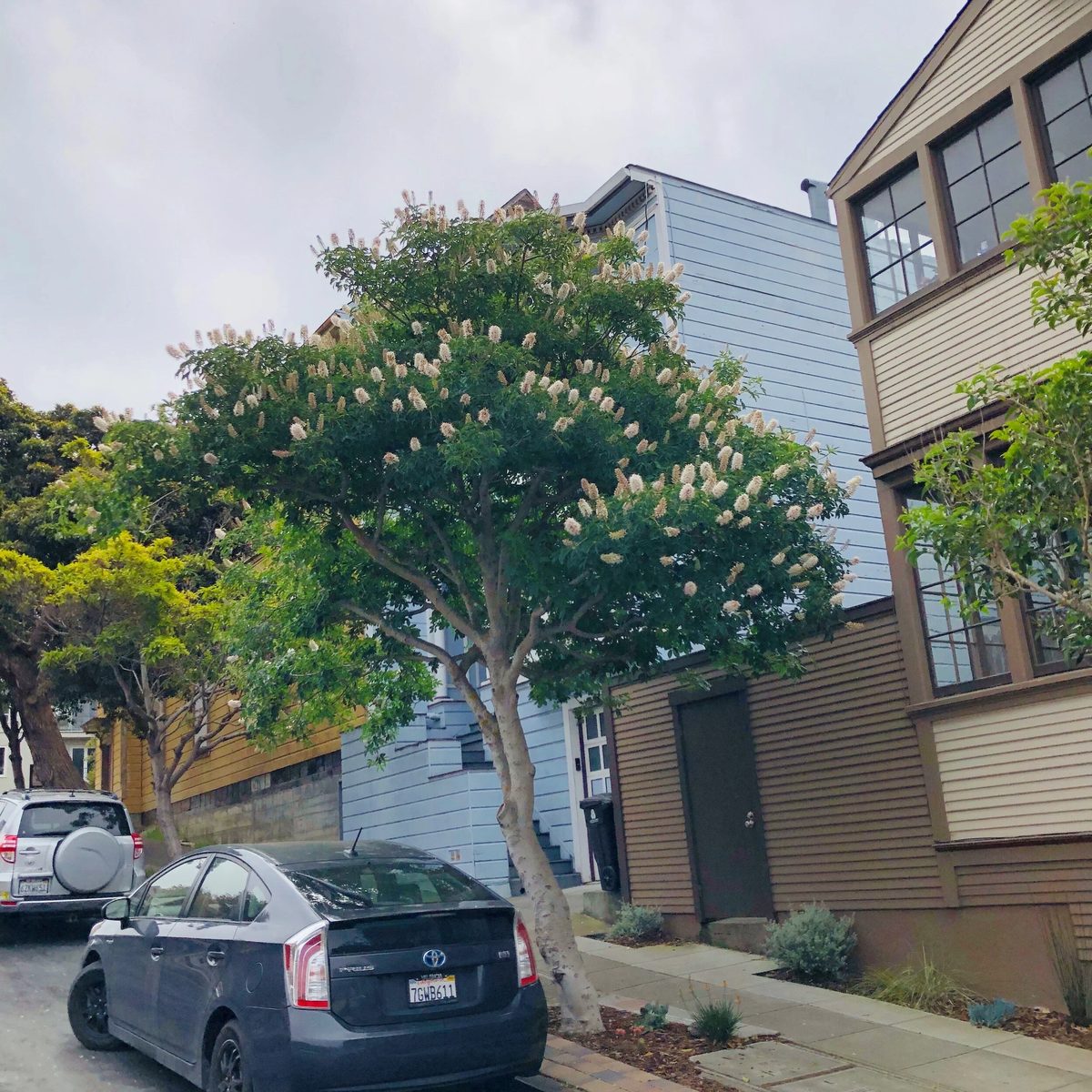
The vote came a week after the Board of Appeals voted 4-0 to save a healthy 25-year-old sycamore in Potrero Hill. The tree was not classified hazardous, so it would have been spared either way. Final passage is still required.

Why it matters

If it passes final reading, residents lose the last independent check on city tree removals, and the appeal window shrinks to 10 days.

Questions about this story

Free account needed to ask — your question is kept and asked for you right after sign-up. Answers are public.

No questions yet — be the first to ask.

Key Indicators

4-0
Board of Appeals vote to save sycamore
The board ruled unanimously that Public Works hadn't justified the removal.
2
City-initiated tree removal appeals since 2024
The Board of Appeals told supervisors it has heard only two such cases since the start of 2024.
792
Days from tree ID to removal approval
Josh Klipp's records request showed 792 days elapsed before Public Works approved removing the sycamore.
10
Proposed appeal filing window
Down from 15 days; the Board of Appeals would also have 30 days to decide, instead of 60. Passed first reading Sept. 1.
7-4
Supervisors' first-reading vote
The Board of Supervisors passed the street-tree ordinance 7-4 on Sept. 1, 2026.
$2,590
In-lieu fee per required tree
Developers of smaller projects can pay this fee instead of planting street trees.

Voices

Curated perspectives — historical figures and your fellow readers.

Ever wondered what historical figures would say about today's headlines?

Sign up to generate historical perspectives on this story.

People Involved

Organizations Involved

Timeline

November 2016 September 2026

7 events Latest: September 1st, 2026 · 1 week ago
Tap a bar to jump to that date
  1. Supervisors pass first reading of tree ordinance 7-4

    Latest Vote

    The Board of Supervisors voted 7-4 to advance Mayor Lurie's street-tree ordinance. Final passage is pending.

  2. Committee advances amended street-tree ordinance

    Committee Vote

    In July, the Land Use and Transportation Committee advanced an amended version of the ordinance, keeping planting rules for large projects and a department-level appeal for hazardous trees.

  3. Homeowner learns of tree removal plan

    Development

    In March, Dan Feldman spots a city arborist outside his home and later learns the sycamore is slated for removal.

  4. Tree advocates flag proposed changes

    Notice

    SF Forest Alliance publishes alert about amendments to reduce tree protections, including removing appeal rights.

  5. Street Tree SF takes effect

    Policy

    Public Works takes over maintenance of 125,000 street trees, ending split responsibility.

  6. Voters approve Proposition E

    Election

    Voters pass charter amendment making city responsible for all street trees, with $19 million a year.

Scenarios

1

S.F. supervisors pass Lurie's street-tree ordinance, ending hazardous-tree appeals

Possible Resolves by Oct 15, 2026

Discussed by: Mayor Daniel Lurie's office and Public Works, which argue the appeals process can leave dangerous trees standing too long.

Supervisors pass the ordinance as proposed. Public Works gets sole jurisdiction over hazardous tree removals, the appeal window drops from 15 days to 10, and the Board of Appeals must decide cases within 30 days. The Potrero Hill sycamore, not classified hazardous, would have been spared either way.

2

S.F. supervisors preserve tree appeals, pass amended ordinance

Possible Resolves by Oct 15, 2026

Discussed by: The Board of Appeals and tree advocates like Josh Klipp, who called eliminating independent review unwarranted.

Supervisors amend the ordinance to preserve Board of Appeals review for hazardous trees, possibly while adopting the board's proposed faster timelines. Residents keep an independent check on city removal decisions, but the appeal window may still shrink from 15 days to 10.

3

Lurie's tree ordinance stalls in committee

Unlikely Resolves by End of 2026

Discussed by: San Francisco Forest Alliance, which called the proposed amendments disastrous and ill-conceived.

The ordinance fails to advance out of committee or is withdrawn for revisions before the end of 2026. The current 15-day appeal window and 60-day decision deadline stay in place.

4

Tree ordinance fails on final passage

Unlikely Resolves by Q3 2026

Discussed by: Tree advocates and supervisors who voted no on the first reading

The ordinance passed first reading 7-4. If two supervisors switch their votes on final passage, it would fail. Opponents have been lobbying to preserve Board of Appeals review of hazardous-tree removals.

Historical Context

3 moments from history that rhyme with this story — and how they unfolded.

December 2006 – September 2008

UC Berkeley oak grove tree-sit (2006–2008)

UC Berkeley planned to build a sports training center on a grove of coast live oaks. Protesters climbed into the trees and stayed for 21 months. The standoff ended when police removed the last demonstrators.

Then

The university built the center; some trees were transplanted and others were cut down.

Now

It remains a reference point for Bay Area tree defenders and shows what happens when procedural options run out.

Why this matters now

San Francisco tree defenders currently have a formal appeals route; the proposed ordinance would narrow it, potentially pushing conflicts toward direct action.

November 2016

San Francisco's Proposition E (2016)

Voters approved a charter amendment making the city responsible for maintaining all street trees and setting aside $19 million a year for tree care and sidewalk repair.

Then

Public Works took over maintenance of roughly 125,000 street trees in July 2017.

Now

The city's tree program became centralized; the San Francisco Forest Alliance says San Francisco has not net gained a street tree since 2017.

Why this matters now

The current ordinance would extend the same agency's power by limiting appeals against its removal decisions.

September 2017

California's SB 35 housing streamlining (2017)

California lawmakers passed a law allowing affordable housing projects in cities that miss state housing targets to skip discretionary review, including some review under the California Environmental Quality Act.

Then

Eligible housing projects moved through approvals faster; community members lost a formal avenue to challenge them.

Now

The law became a template for later state efforts to trade public process for speed.

Why this matters now

Lurie's PermitSF ordinance makes a similar trade: faster tree removals in exchange for fewer public challenges.

Sources

(9)