

Pull to refresh
Logo
California enacts package of online child safety laws

California enacts package of online child safety laws

Rule Changes San Francisco, CA local

13-bill package bans addictive feeds for minors, regulates AI companion chatbots

2 days ago: Child safety package signed

Overview

Updated Yesterday

California will require social media platforms to verify users' ages before serving them addictive features, and ban those features for users under 16. AI companion chatbot operators must audit their products for child-safety risks, disclose when users are talking to a bot, and hand results to independent auditors.

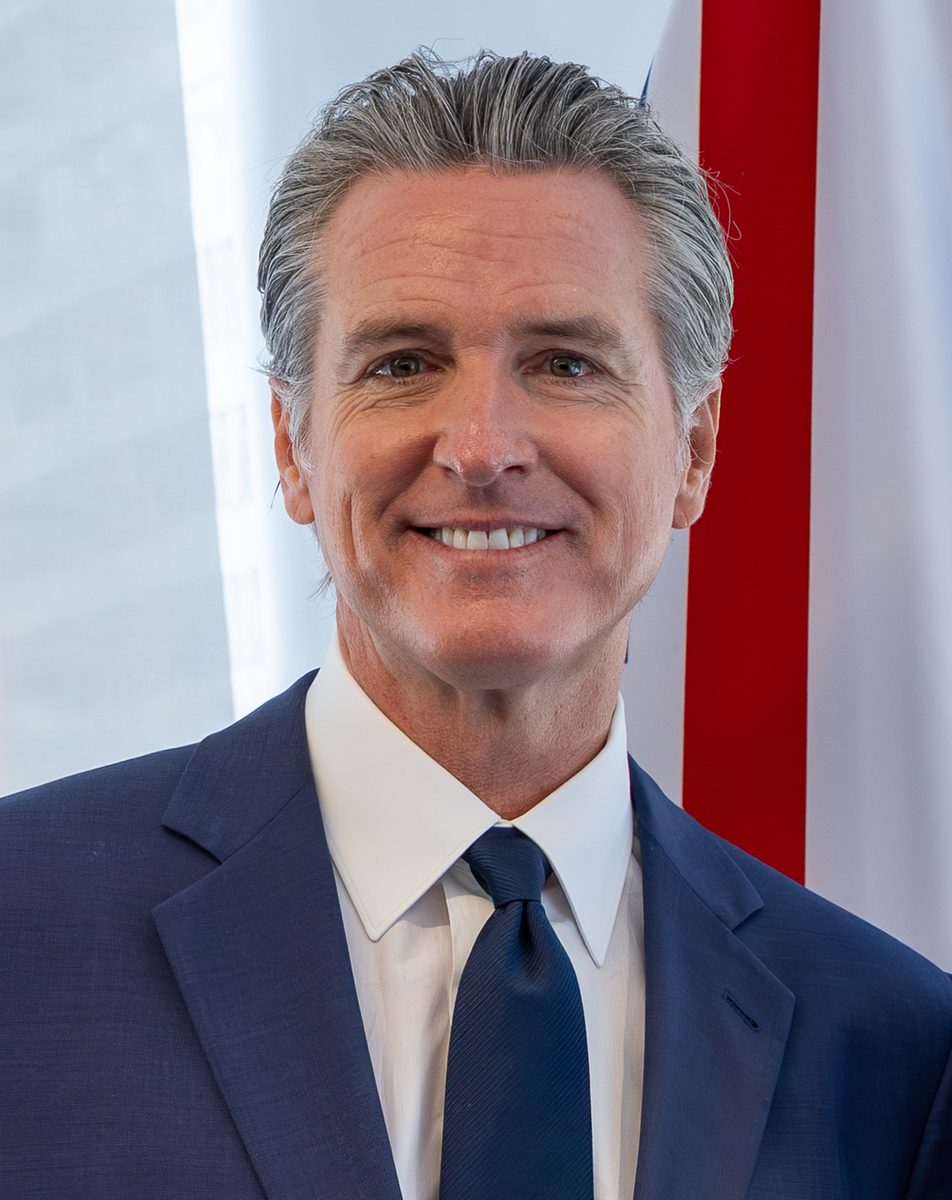
Governor Gavin Newsom signed 13 child-safety bills Thursday in Sausalito, including a ban on toys with AI companion chatbots and new privacy rules for K-12 student data. The package is among the strongest state-level child online protections in the country. Since platforms rarely build state-specific versions, it could shape how minors everywhere experience social media.

Why it matters

California's 13-bill package could set the national standard for how platforms treat minors, since companies rarely build state-specific versions.

Questions about this story

Free account needed to ask — your question is kept and asked for you right after sign-up. Answers are public.

No questions yet — be the first to ask.

Key Indicators

13
Bills signed in the 2026 child safety package
Governor Newsom signed 13 bills Sept. 10, 2026, including SB 1119 (Adam's Law), AB 2, and AB 1709.
$18B
Meta's settlement with states over addictive design
Up to $18 billion to California and most other states, announced days before the signing.
16
Age cutoff for addictive social media features
Platforms must verify ages or delete accounts of under-16 users who refuse a non-addictive version.
5
States with companion chatbot safety laws
California, New York, Idaho, Oregon, and Washington.

Voices

Curated perspectives — historical figures and your fellow readers.

Ever wondered what historical figures would say about today's headlines?

Sign up to generate historical perspectives on this story.

People Involved

Organizations Involved

Timeline

2024 September 2026

9 events Latest: 2 days ago
Tap a bar to jump to that date
  1. Coxon resigns from Anthropic

    Resignation

    Researcher warns Anthropic and OpenAI are racing to super-intelligence and 'gambling with our lives.'

  2. Other states pass chatbot laws

    Legislation

    New York's companion chatbot law takes effect; Idaho, Oregon, and Washington pass their own rules.

  3. Newsom declines expansive chatbot bill

    Veto

    Governor rejects a broader AI chatbot safety bill with similar prohibitions on harmful chatbot behavior.

  4. Adam Raine dies by suicide

    Incident

    Orange County teen dies after weeks of using ChatGPT to discuss mental health; father says the bot offered to write a suicide note.

Scenarios

1

Court blocks California's addictive feed ban

Likely Resolves by Sep 10, 2027

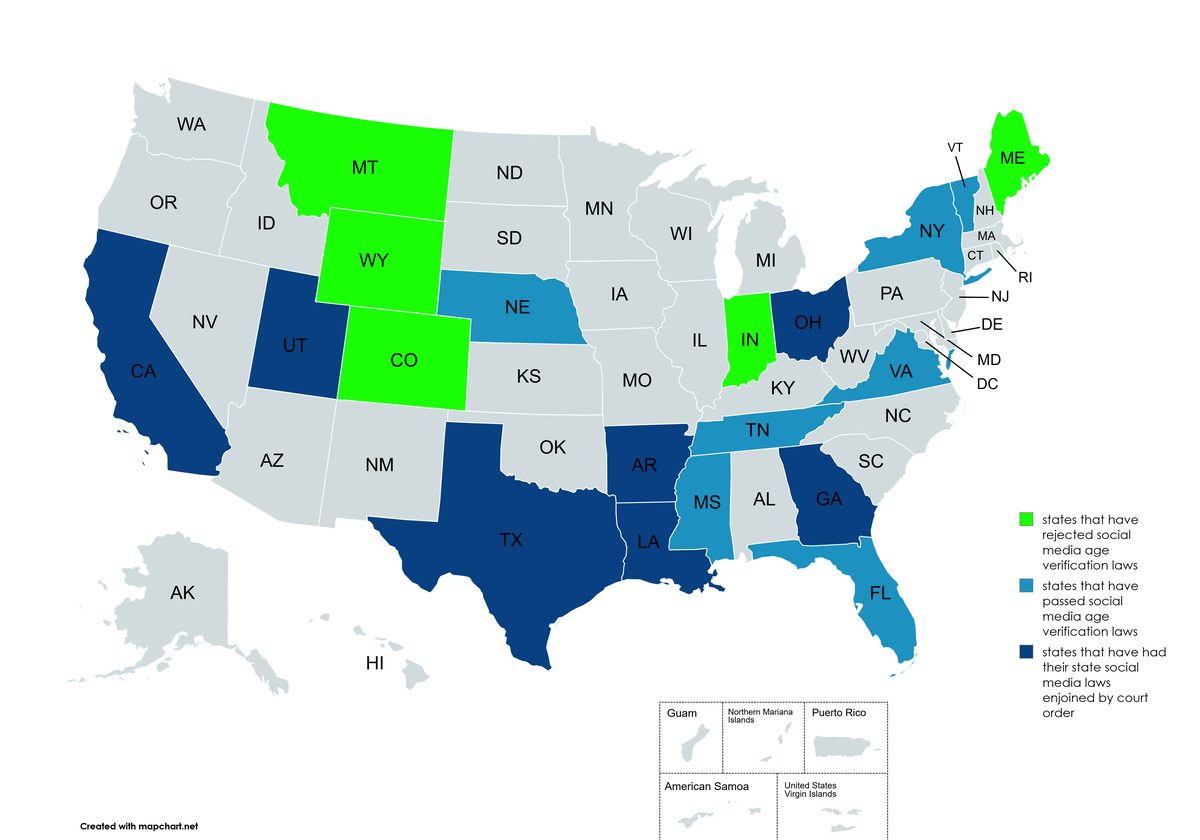
Discussed by: Tech policy analysts and NetChoice, which has sued over similar state laws in Florida and Texas

NetChoice and other industry groups are expected to challenge AB 1709 and SB 1119 in federal court, arguing the age-verification and addictive-feature rules violate the First Amendment and impose unworkable burdens. A district court injunction could delay implementation while the case is litigated, mirroring NetChoice's earlier partial victory against California's 2022 age-appropriate design code.

2

California's child safety rules take effect as written

Possible Resolves by Sep 10, 2027

Discussed by: Bill supporters including Common Sense Media and the bill authors

The laws go into effect in 2027 without a court block. Platforms comply by adding age verification, removing addictive features for under-16 users, and submitting chatbot audits to the state. Enforcement begins gradually, with the California attorney general's office setting up the auditor registry by January 2027.

3

Congress passes federal kids online safety law, superseding state patchwork

Possible Resolves by End of 2027

Discussed by: Bipartisan lawmakers who have reintroduced the Kids Online Safety Act

Congress finally enacts a national children's online safety law, establishing federal rules that preempt or coexist with California's state framework. This is the outcome several state lawmakers say they want, though the federal bill has repeatedly failed to advance in the House despite passing the Senate in 2024.

Historical Context

3 moments from history that rhyme with this story — and how they unfolded.

October 1998

Children's Online Privacy Protection Act (COPPA, 1998)

Congress enacted the first federal law restricting online data collection from children under 13, requiring parental consent and creating the under-13 age gate that still shapes the web.

Then

The Federal Trade Commission enforced COPPA through numerous consent decrees, making age-gated data practices a national baseline.

Now

Demonstrated that a single strong law can become a de facto national standard through industry compliance.

Why this matters now

California's new rules aim to replicate that playbook: a robust state law that platforms adopt nationwide rather than build state-specific versions.

September 2022

California Age-Appropriate Design Code (2022)

California became the first state to require online services to design products for children's safety by default, mandating privacy protections, data minimization, and transparency. NetChoice immediately sued.

Then

A federal judge partially blocked key provisions in 2023, but the 9th Circuit largely upheld the law in 2024.

Now

Confirmed California's authority to regulate platform design for minors, a precedent the 2026 package extends.

Why this matters now

The same industry group that fought AB 2273 now faces AB 1709, which pushes regulation from privacy design into engagement mechanics.

2022-2024

Kids Online Safety Act (KOSA, 2022-2024)

Bipartisan federal bill imposing a duty of care on platforms for minors, requiring parental controls and reporting on harms. Passed the Senate in July 2024 but never reached a House floor vote.

Then

Reintroduced in subsequent Congresses but has not advanced in the House.

Now

Created a federal vacuum that states, led by California, have stepped into with their own laws.

Why this matters now

The concerns KOSA addressed now drive state legislation, reinforcing a pattern where California sets rules and Washington follows or stalls.

Sources

(12)