

Pull to refresh
Logo
Golden Gate University sells campus as 46-story tower is proposed in its place

Golden Gate University sells campus as 46-story tower is proposed in its place

Built World San Francisco, CA local

University sells SoMa campus for $31.6 million; 46-story office or housing tower proposed in its place

3 days ago: Golden Gate University sells campus

Overview

Updated 2 days ago

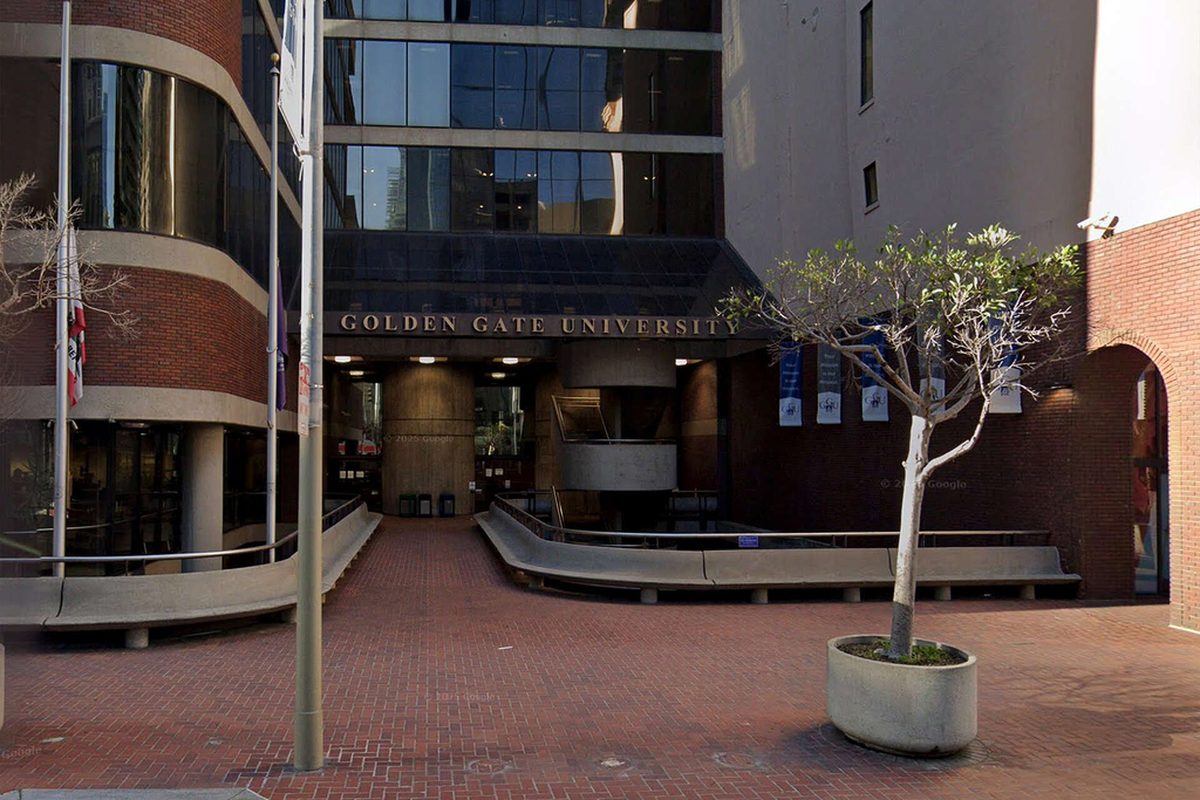
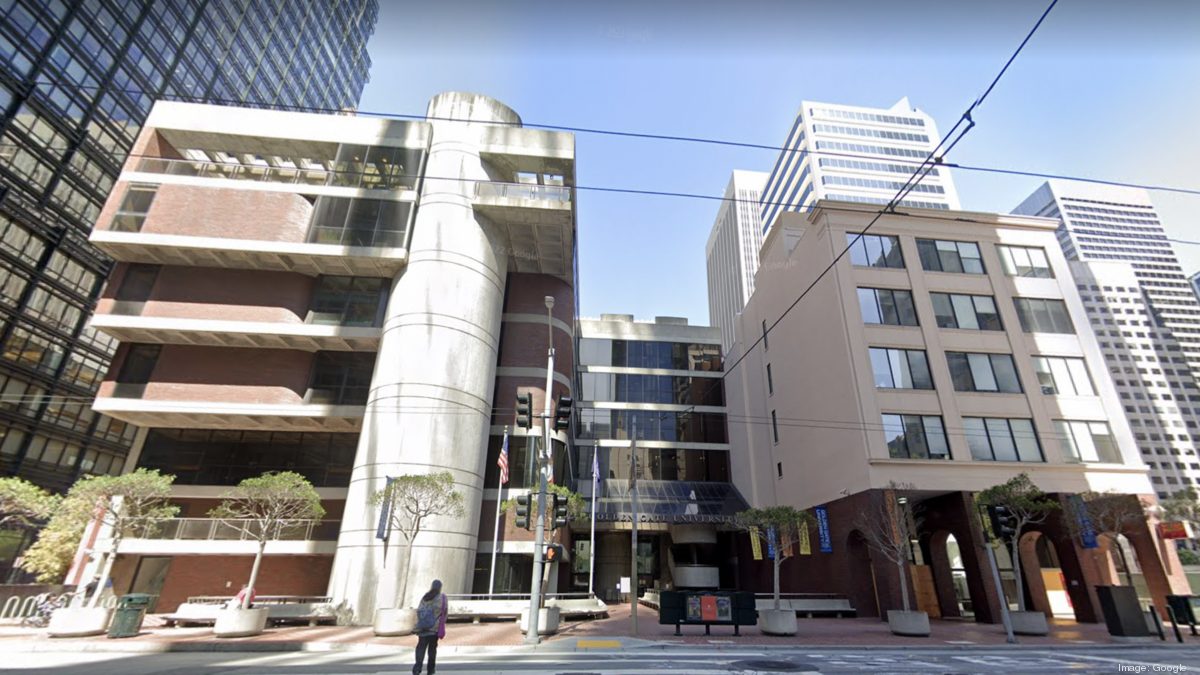
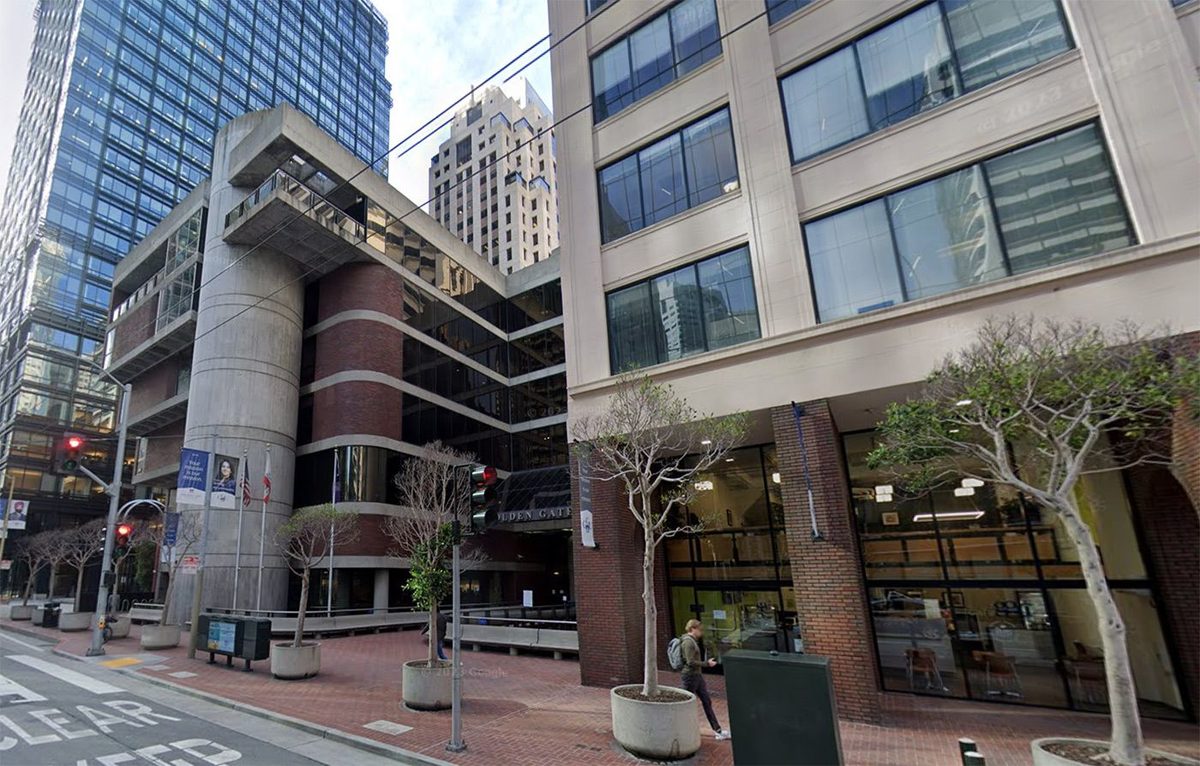
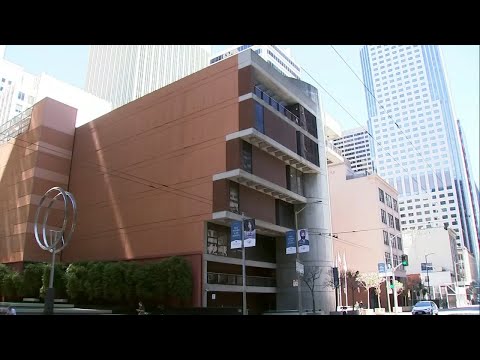
Golden Gate University sold its 536 Mission Street campus for $31.6 million and has vacated the property. Lincoln Property Company and McCourt Partners plan to demolish the buildings and raise a 46-story tower on the site.

The project has two permitted variants: 370 apartments above offices, or 1.25 million square feet of offices alone. The office tower would be the Bay Area's fifth-tallest; the mixed-use version would rank sixth. A city review in February 2026 found the 1970s Brutalist addition eligible for historic designation, which could add an environmental review step.

Why it matters

In a city with high office vacancies, this sale tests whether an institutional site can become housing and bring people back to downtown.

Questions about this story

Free account needed to ask — your question is kept and asked for you right after sign-up. Answers are public.

No questions yet — be the first to ask.

Key Indicators

752 ft
Maximum proposed tower height
The office variant would reach 752 feet, slightly shorter than 555 California Street.
46 stories
Number of floors
Both architectural variants include 46 floors.
370 units
Housing units in the mixed-use variant
The residential option would add 370 apartments, including studios, one- and two-bedrooms.
$349.6M
Estimated construction cost (office variant)
Construction costs for the office tower are estimated at $349.6 million; mixed-use is $342.9 million.
$31.6M
Campus sale price
Lincoln Property and McCourt Partners paid $31.6 million for the property, according to The Registry.

Voices

Curated perspectives — historical figures and your fellow readers.

Ever wondered what historical figures would say about today's headlines?

Sign up to generate historical perspectives on this story.

People Involved

Organizations Involved

Timeline

1920s September 2026

7 events Latest: 3 days ago
Tap a bar to jump to that date
  1. Golden Gate University sells campus

    Latest Real estate sale

    The university announces it is vacating the property, with the sale to developers finalized.

  2. Golden Gate University expands to two campuses

    Relocation

    GGU announced that fall classes would be held at a Downtown Campus in San Francisco's Academic Village and a Parkmerced Campus co-located with San Francisco State University.

  3. Brutalist addition deemed eligible for historic designation

    Regulatory review

    A review by Page & Turnbull for the San Francisco Planning Department found the 1979 addition eligible for the California Register of Historical Resources for its architectural merit. The finding does not designate the building, but it can trigger environmental review before demolition.

  4. Permits filed for 46-story tower

    Permit filing

    Lincoln Property and McCourt Partners submit plans for two variants—office and mixed-use—at 536 Mission Street.

  5. Brutalist addition completed

    Construction

    A seven-story Brutalist wing, designed by William D. Podesta with consulting engineer Tung-Yen Lin, is added.

  6. Golden Gate College purchases site

    Acquisition

    Golden Gate College (now University) buys the 1923 building, intending to construct a $9 million addition.

  7. Commercial loft building constructed

    Construction

    Mary N. Allyne builds a speculative commercial building at 536 Mission Street.

Scenarios

1

Office tower wins approval and breaks ground

Possible Resolves by Jan 1, 2028

Discussed by: SFYIMBY project commentary, commercial real estate analysts

With office demand recovering as companies return to downtown, the developers activate the office entitlement. The 752-foot tower, featuring 1.25 million square feet of office space, wins planning commission approval in 2027. Construction begins in 2028, reaching completion by 2031. The building becomes the fifth-tallest in the Bay Area, adding significant Class A office supply.

2

Mixed-use tower with housing gets approved

Likely Resolves by Q2 2027

Discussed by: San Francisco housing advocates, YIMBY groups

Responding to the city's housing shortage, the developers opt for the mixed-use variant. The 46-story building includes 370 apartments above ground-floor retail, with offices on the lower floors. The residential component qualifies for density bonuses, streamlining approvals. Construction starts in 2027, delivering the first units by 2030. This scenario aligns with the city's Housing Element goals for downtown living.

3

Development stalls due to economic downturn

Unlikely Resolves by End of 2028

Discussed by: Market observers skeptical of downtown office demand

Construction financing becomes scarce due to rising interest rates or another office market slump. The developers delay construction, holding the vacant parcel for future opportunity. The existing university buildings remain boarded up, and the site sits as a surface parking lot for years. The permit expires, forcing a new application if conditions improve.

4

Historic designation forces a redesign

Unlikely Resolves by Q2 2027

Discussed by: Preservation advocates, San Francisco Planning Department

The February 2026 eligibility finding gives the Landmarks Preservation Advisory Board grounds to pursue formal designation. Designation would require the developers to keep the Brutalist addition or its facade, shrinking the tower's footprint or forcing a redesign. Developers would likely resist, and eligibility alone does not block demolition.

Historical Context

2 moments from history that rhyme with this story — and how they unfolded.

October 1963

Penn Station Demolition (1963)

Pennsylvania Station, a Beaux-Arts masterpiece in Manhattan, was demolished to make way for the new Madison Square Garden. The demolition stirred public outrage and prompted the creation of the New York City Landmarks Preservation Commission.

Then

The loss galvanized the historic preservation movement, leading to the Landmarks Law of 1965.

Now

It became a symbol of the cost of prioritizing commercial development over architectural heritage.

Why this matters now

Just as Penn Station's demolition traded a civic landmark for a sports arena, the 536 Mission Street campus—a 1920s building and a Brutalist addition—will be replaced by a commercial tower. Neither structure holds historic designation, making demolition legally straightforward.

October 1972

Chicago Stock Exchange Demolition (1972)

The Chicago Stock Exchange building, designed by Louis Sullivan, was torn down after a losing battle with preservationists. A parking lot took its place for decades, and the loss fueled the city's preservation movement.

Then

The site remained underutilized for years, demonstrating the risk of demolition before new development is secured.

Now

Preservationists successfully pushed for stronger protections, and the loss is now taught in architecture schools as a cautionary tale.

Why this matters now

The Golden Gate University campus faces a similar tradeoff, but with a difference: the 1970s addition is not architecturally distinguished enough to warrant landmark status. The case highlights how institutional buildings with mixed architectural value can be sacrificed for high-density redevelopment in downtown areas.

Sources

(6)