

Pull to refresh
Logo
Utah phases out automatic mail-in voting by 2029

Utah phases out automatic mail-in voting by 2029

Rule Changes Salt Lake City, UT local

Voters must opt in to receive a mail ballot; a 2025 law also adds ID-number verification.

September 1st, 2026: State alert: opt in by 2029

Overview

Updated Sep 3

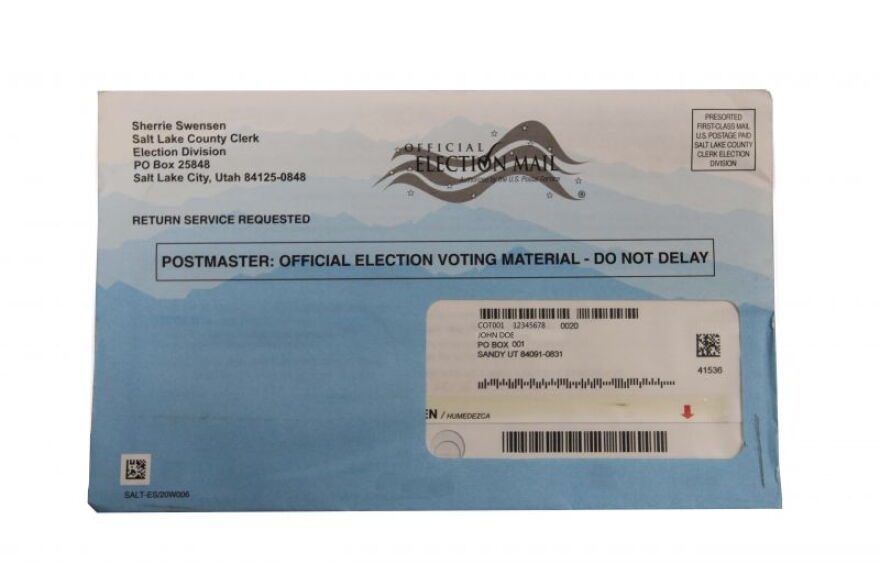
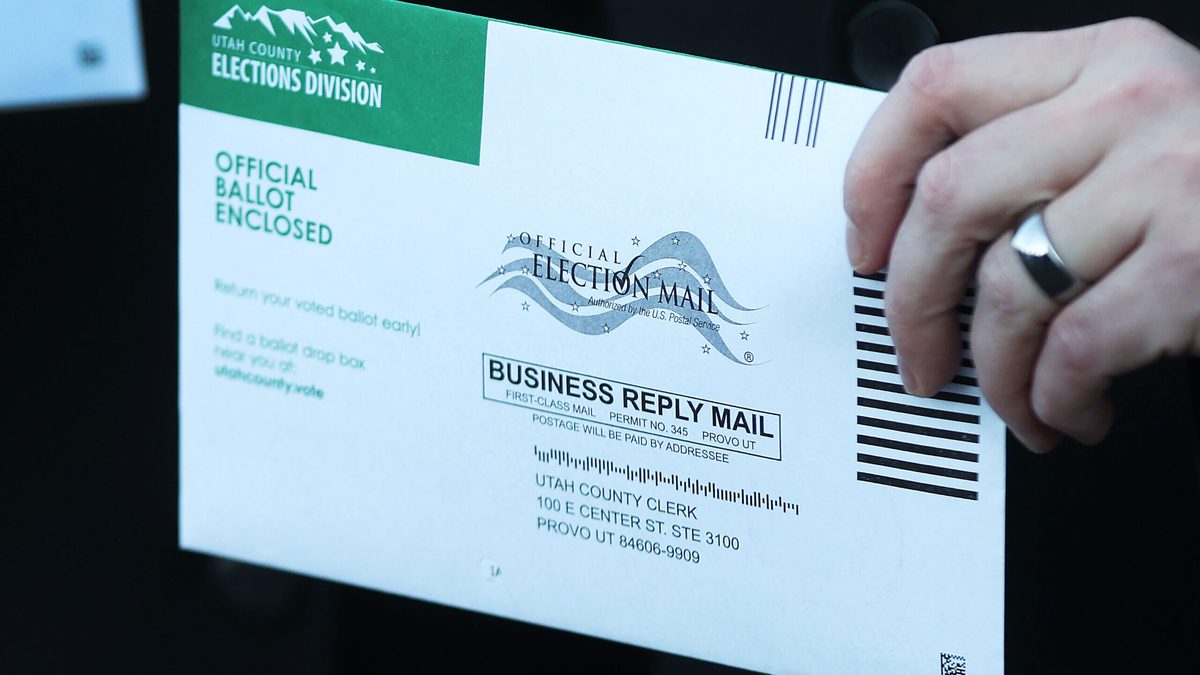
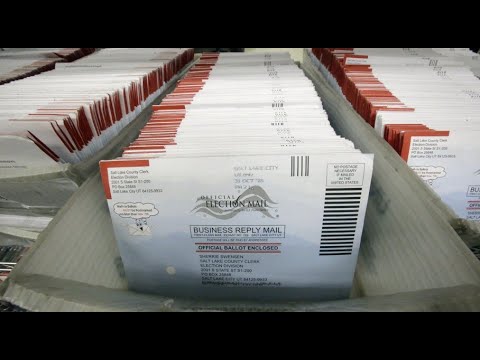
Utah will stop automatically mailing ballots to every active registered voter in 2029. About 95% of Utahns now vote by mail, and under a 2025 law they'll need to opt in to keep receiving a ballot.

The change is part of HB300, which also requires voters to write the last four digits of their state ID on ballot envelopes starting in 2026. County clerks have until 2029 to build the opt-in system. Those who opt in must renew every eight years; voters who don't sign up can still vote in person.

Why it matters

If Utah voters don't opt in by 2029, most will lose the mail ballot they've relied on for years.

Questions about this story

Free account needed to ask — your question is kept and asked for you right after sign-up. Answers are public.

No questions yet — be the first to ask.

Key Indicators

95%
Utah voters who vote by mail
About 95% of Utah voters currently use the automatically mailed ballot.
2029
Year automatic mail voting ends
Voters must opt in by Jan. 1, 2029 to keep receiving a mail ballot.
8 years
Mail-ballot opt-in renewal period
Voters who opt in must renew their mail-ballot choice every eight years.

Voices

Curated perspectives — historical figures and your fellow readers.

Ever wondered what historical figures would say about today's headlines?

Sign up to generate historical perspectives on this story.

People Involved

Organizations Involved

Timeline

March 2025 January 2029

4 events Latest: September 1st, 2026 · 1 week ago
Tap a bar to jump to that date
  1. Automatic mail voting ends

    Upcoming Deadline

    Voters must have a state ID and opt in to receive a mail ballot. In-person voters must show ID.

  2. State alert: opt in by 2029

    Latest Public Notice

    The Salt Lake Tribune reports that about 95% of Utah voters rely on automatically mailed ballots. Voters must opt in by 2029 to keep receiving them.

  3. ID-number requirement takes effect

    Rule Change

    Voters with a state ID must write the last four digits on mail ballot return envelopes. Signature verification remains for voters without an ID number.

  4. Utah Legislature passes HB300

    Legislation

    The House and Senate approve a bill phasing out automatic mail voting by 2029 and adding ID requirements. The bill heads to Gov. Spencer Cox.

Scenarios

1

Utah voters adapt, mail voting stays dominant

Likely Resolves by Nov 6, 2029

Discussed by: Utah News Dispatch and county clerks who backed the compromise

The opt-in system is built by 2029, and most active voters sign up when they renew driver's licenses or through the online portal. Mail ballots remain the most common way to vote, and the transition becomes a minor story.

2

Mail-ballot participation drops sharply after opt-in switch

Possible Resolves by Nov 6, 2029

Discussed by: Sen. Nate Blouin and other Democratic opponents of HB300

Voters who don't realize they must opt in stop receiving ballots. Turnout falls in the 2029 municipal elections, especially among renters, young voters, and people who move often. County clerks report higher calls for replacement ballots.

3

Utah Legislature delays or repeals the 2029 opt-in deadline

Unlikely Resolves by Mar 15, 2029

Discussed by: Weber County Clerk Ricky Hatch and other county clerks

Implementation problems, cost, or political pressure lead the Legislature to push the 2029 deadline back or drop the opt-in requirement. This would require a new bill in the 2029 session.

Historical Context

3 moments from history that rhyme with this story — and how they unfolded.

November 1998

Oregon Measure 60 (1998)

Oregon voters approved Measure 60, making Oregon the first state to conduct all elections by mail. The state began sending every registered voter a ballot and closed most polling places.

Then

Turnout rose in the 2000 election, and other Western states adopted mail voting.

Now

Automatic mail voting became a standard method across the region.

Why this matters now

Utah's current system grew out of the same expansion. The 2025 law reverses that direction by making mail voting opt-in.

2013-2018

Kansas proof-of-citizenship law (2013)

Kansas required new voters to show documents proving U.S. citizenship. The state suspended more than 30,000 registrations that didn't match its records.

Then

Thousands of voters were blocked or delayed from voting.

Now

Courts struck down the requirement, and Kansas returned to the federal form.

Why this matters now

It shows how adding documentation steps to voting can create barriers, even when the goal is security. Utah's ID-number and opt-in rules add similar steps.

May 2021

Florida SB 90 (2021)

Florida's Republican legislature passed a law restricting mail voting. It required voters to request a mail ballot for each election, added ID-number requirements, and limited drop boxes.

Then

Mail-ballot requests fell sharply in the 2022 election.

Now

The law became a model for other Republican states after the 2020 election.

Why this matters now

Utah's law uses similar tools: ID numbers on envelopes and a new request requirement. Florida shows how such rules can reduce mail voting even when in-person voting remains available.

Sources

(4)