



Pull to refresh
Logo
Utah becomes first state to offer fully digital apostilles

Utah becomes first state to offer fully digital apostilles

New Capabilities Salt Lake City, UT local

New online platform cuts international document authentication time by 80%

September 3rd, 2026: Digital apostille service goes live

Overview

Updated 7 days ago

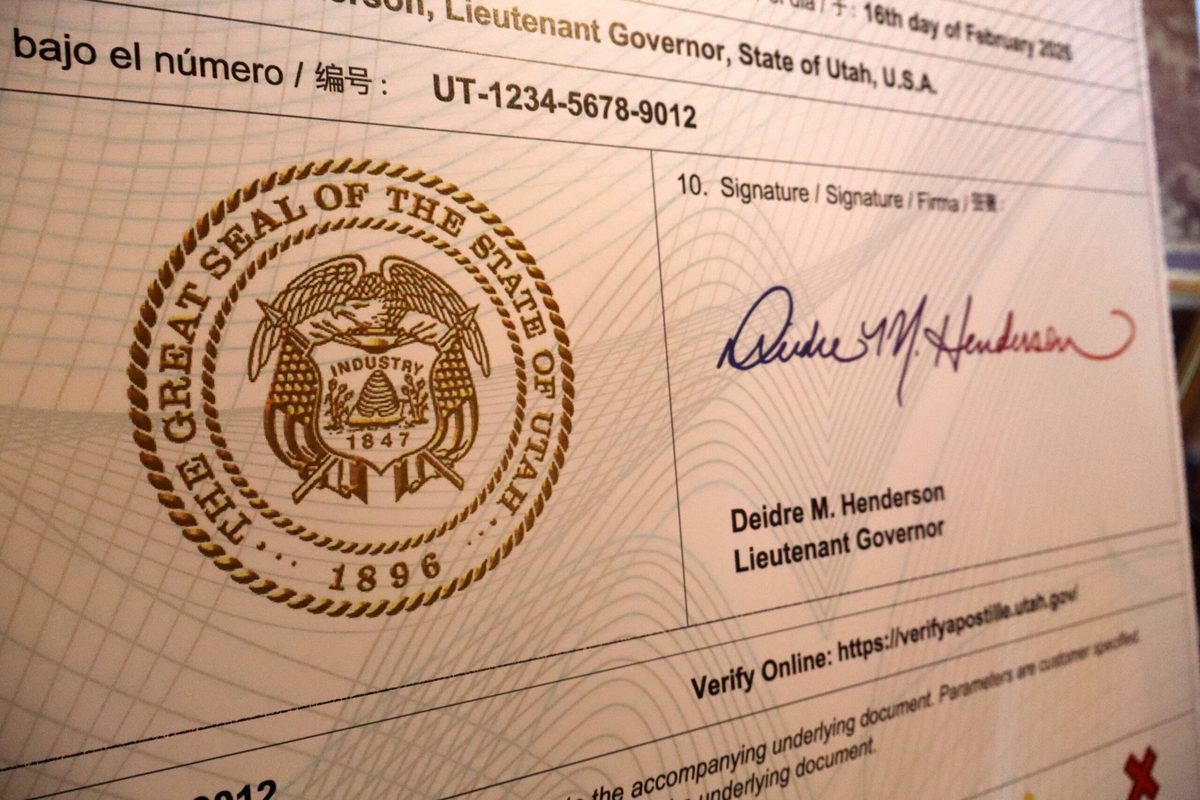
Utahns who need to certify documents for use abroad no longer have to travel to the state Capitol or mail sensitive paperwork. Since September 3, they can submit and receive apostille certificates entirely online, making Utah the first state with a fully digital authentication process.

An apostille verifies a document's authenticity for use in the more than 100 countries that signed on to the 1961 Hague Apostille Convention. Utah's digital system cuts processing time by an estimated 80%. Demand has surged from 18,000 documents in 2020 to more than 45,000 in the last fiscal year.

Why it matters

Utah's move lets thousands of residents authenticate international documents without mail or Capitol trips, and other states are watching.

Questions about this story

Free account needed to ask — your question is kept and asked for you right after sign-up. Answers are public.

No questions yet — be the first to ask.

Key Indicators

45,000+
Apostilles issued in FY2026
More than double the 18,000 issued in 2020.
80%
Estimated processing time reduction
Digital platform vs. traditional mail and in-person methods.
$75
Cost of digital apostille
Includes $69.95 vendor fee and $5 state fee.
1,200+
Digital apostilles issued in pilot
Pre-launch pilot with a 100% international acceptance rate, per the lieutenant governor's office.

Voices

Curated perspectives — historical figures and your fellow readers.

Ever wondered what historical figures would say about today's headlines?

Sign up to generate historical perspectives on this story.

People Involved

Organizations Involved

Timeline

2 events Latest: September 3rd, 2026 · 1 week ago
  1. Digital apostille service goes live

    Latest Lauch

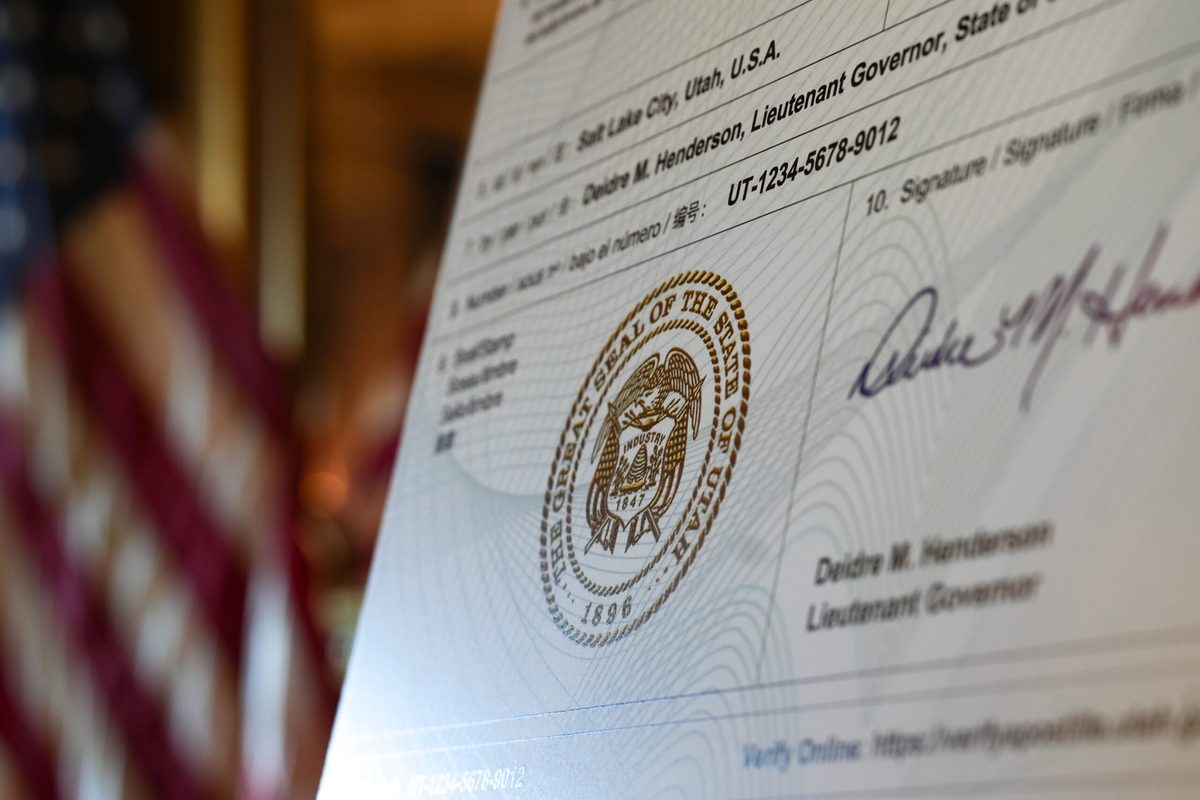
    Utah becomes the first state to offer a fully digital apostille process, accepting electronic submissions and delivering encrypted certificates.

  2. Utah announces digital apostille program

    Statement

    Lt. Gov. Deidre Henderson announces the launch at the state Capitol, citing years of preparation and a successful pilot.

Scenarios

1

Other states follow Utah's lead

Likely Resolves by Jan 1, 2028

Discussed by: State officials and the Hague Conference, which has advocated for digital apostilles

If the Utah platform proves reliable and cost-effective, secretaries of state and other issuing authorities in Washington, Montana, Rhode Island, and other pilot states could launch their own digital apostille services. The Hague Conference's endorsement adds international backing. The pace depends on each state's procurement and security review.

2

International acceptance stumbles

Unlikely Resolves by Q2 2027

Discussed by: Utah resident Dakota Harward expressed concern in local interviews

Despite a 100% acceptance rate in Utah's pilot, some countries may reject digital apostilles because their laws require physical seals or specific paper formats. A single documented rejection by a foreign government could undermine confidence and prompt Utah to pause or restrict digital issuance for certain destinations.

3

Utah expands digital service to vital records

Possible Resolves by Sep 4, 2028

Discussed by: @Gov CEO Chris Jackson, who said his company is working with vital records officers

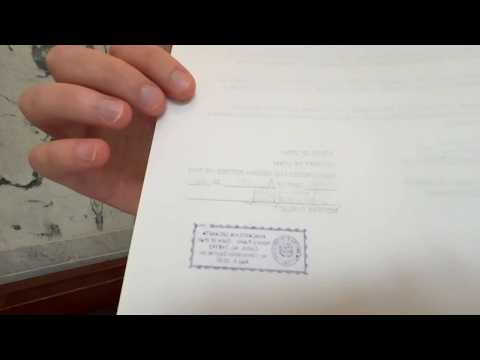
Birth and death certificates currently cannot be authenticated digitally because they are printed on security paper that shows 'void' when photocopied. If @Gov and Utah's vital records office can bridge that gap, the digital process could extend to all documents, removing the last major exclusion. This would require changing how these records are printed or issued.

Historical Context

2 moments from history that rhyme with this story — and how they unfolded.

October 1961

Hague Apostille Convention (1961)

The Hague Conference on Private International Law adopted the Apostille Convention, establishing a single form of authentication for public documents used across borders. It replaced lengthy consular legalization with a standardized certificate accepted by all participating countries.

Then

Countries quickly adopted the apostille, eliminating the need for multiple certifications for international document use.

Now

The paper-based apostille became the global standard for about 60 years, with over 125 countries now participating.

Why this matters now

Utah's digital apostille is a direct modernization of this 1961 treaty system, using encrypted electronic files instead of physical stamps to achieve the same legal validity.

2011-2020

Adoption of Remote Online Notarization in the United States (2010s-2020s)

States gradually legalized remote online notarization, letting people sign documents before a notary over video. Virginia was the first in 2011, and more than 40 states followed by 2020, spurred by the pandemic.

Then

Notarization became faster and more accessible, especially during COVID-19 lockdowns.

Now

The success of remote notarization built trust in legally binding digital processes and cleared a regulatory path for other electronic authentications like apostilles.

Why this matters now

Remote notarization set a precedent for state-level adoption of digital legal instruments. Utah's digital apostille follows the same pattern of incremental acceptance, starting with a pilot and then full rollout.

Sources

(6)