

Pull to refresh
Logo
Salt Lake County bans faster e-bikes from canyon trails

Salt Lake County bans faster e-bikes from canyon trails

Rule Changes Salt Lake City, UT local

Unanimous vote restricts Class 2 and 3 e-bikes in Butterfield, Yellow Fork canyons; parks and cities may follow

6 days ago: Ban reported; councilor outlines expansion

Overview

Updated 6 days ago

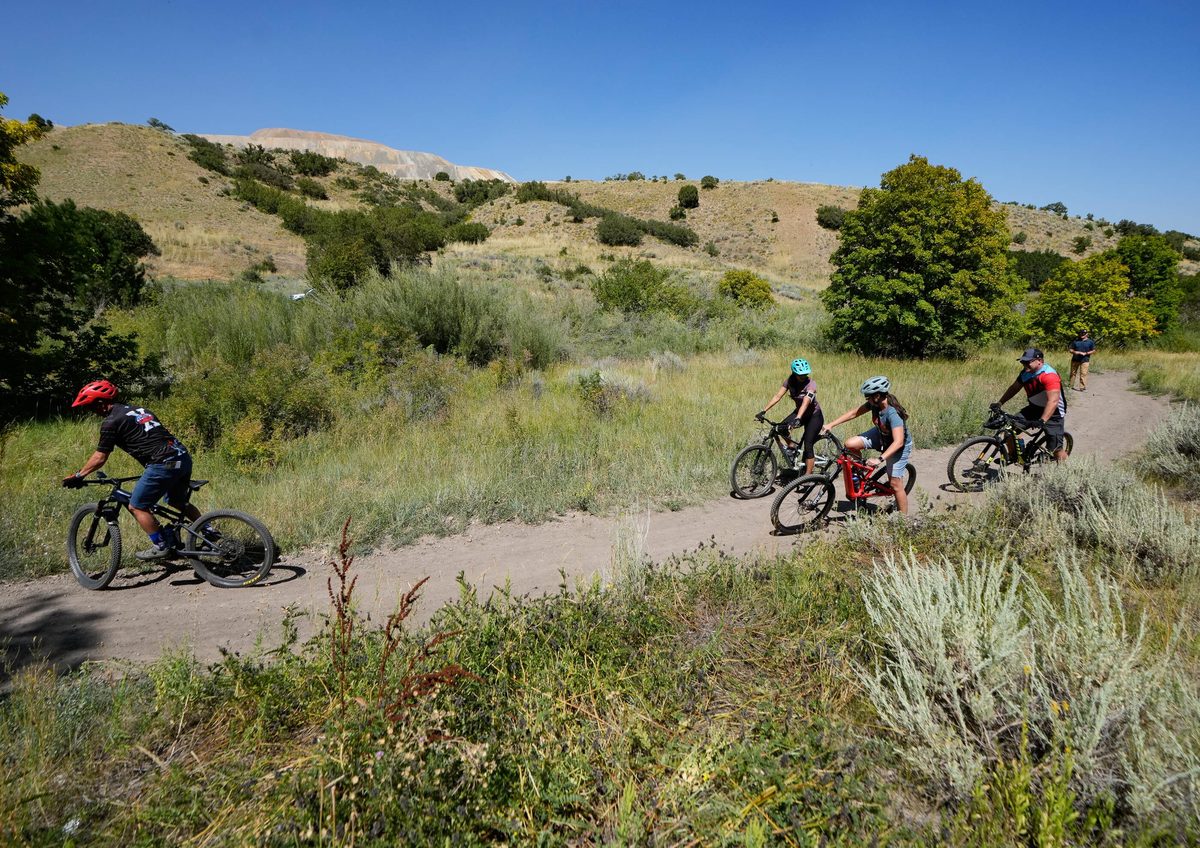
Salt Lake County's two southwestern canyons now close their dirt trails to the fastest e-bikes. The county council voted unanimously to ban Class 2 and Class 3 e-bikes, which reach 20 and 28 mph, from natural-surface trails and parks in unincorporated areas.

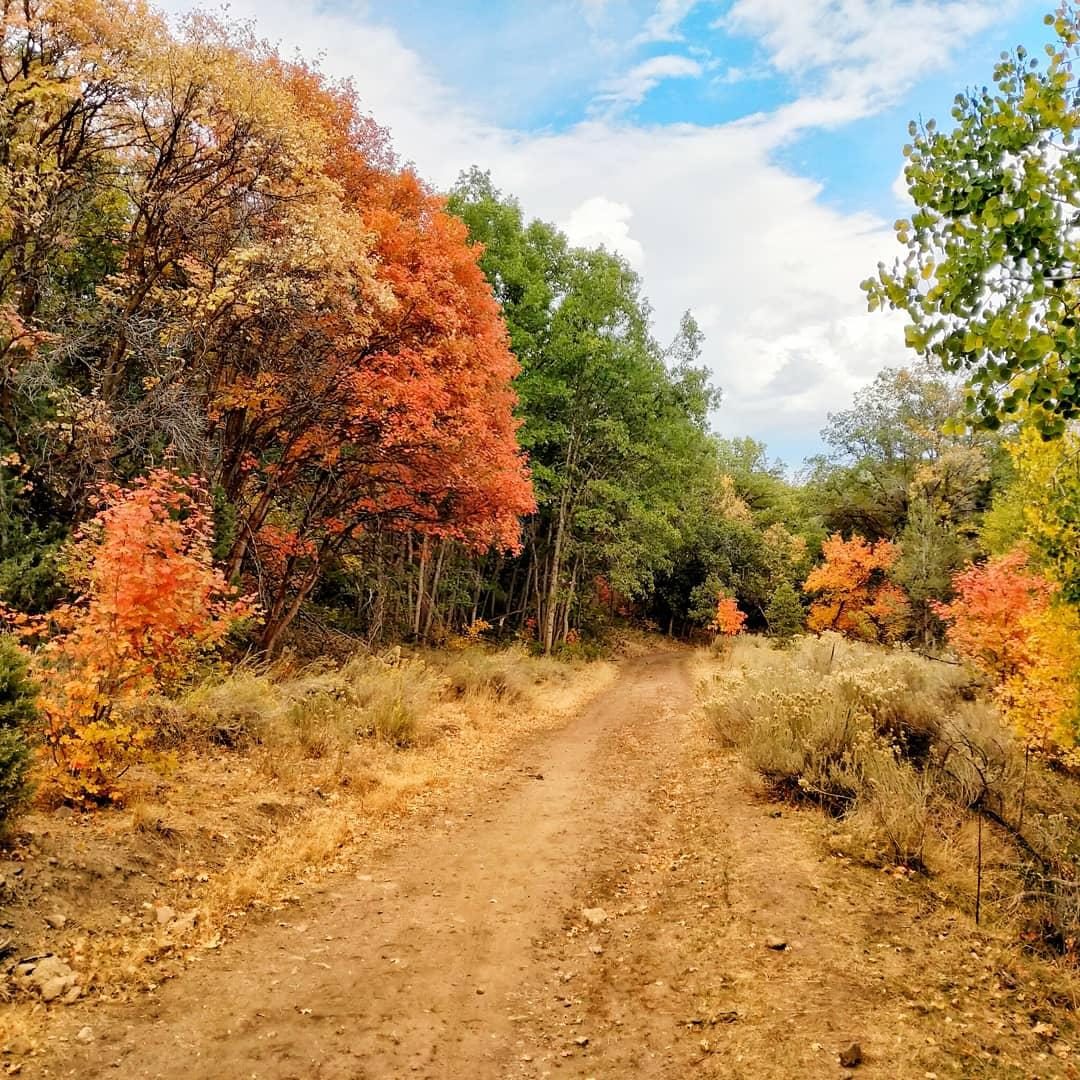
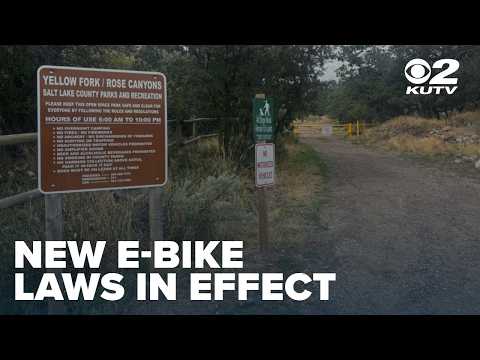
The restriction lands hardest on Butterfield and Yellow Fork canyons, where trails are almost entirely dirt. Sponsor Suzanne Harrison calls it a first step toward safer trails and plans to extend the rules to regional parks, then cities. The county's move runs opposite federal policy: the National Park Service proposed in September to expand e-bike access across national parks.

Why it matters

If the ban spreads to parks and cities, riders of faster e-bikes lose trail access across Salt Lake County's metro area.

Questions about this story

Free account needed to ask — your question is kept and asked for you right after sign-up. Answers are public.

No questions yet — be the first to ask.

Key Indicators

2
E-bike classes banned from natural trails
Class 2 throttle and Class 3 pedal-assist bikes are prohibited in unincorporated areas.
$150
Fine for ordinance violations
Charged to riders caught on banned classes or Class 1 e-bikes exceeding 20 mph.
Unanimous
Council vote margin
All present council members approved the ordinance on Sept 1, 2026.
20 mph
Class 1 speed cap on county trails
Pedal-assist e-bikes allowed on trails must stay at or under 20 mph.

Voices

Curated perspectives — historical figures and your fellow readers.

Ever wondered what historical figures would say about today's headlines?

Sign up to generate historical perspectives on this story.

People Involved

Organizations Involved

Timeline

2 events Latest: 6 days ago
  1. Ban reported; councilor outlines expansion

    Latest Statement

    Suzanne Harrison says next steps include extending rules to regional parks and starting talks with cities on matching ordinances.

  2. Salt Lake County Council passes e-bike restriction

    Regulation

    Council votes unanimously to ban Class 2 and 3 e-bikes from natural trails and parks in unincorporated areas, effective immediately.

Scenarios

1

Salt Lake County extends e-bike ban to regional parks and cities

Likely Resolves by End of 2026

Discussed by: Suzanne Harrison in a KJZZ interview

Within a month of the vote, Harrison said she hopes to broaden the law, then apply it to county regional parks and open conversations with cities. If park rules are updated and a large city like Herriman or West Jordan adopts a matching ordinance, the restriction becomes a metro-wide standard.

2

Bike advocates win a carve-out for Class 3 e-bikes

Possible Resolves by Q2 2027

Discussed by: Dave Iltis, Cycling West editor

Iltis argued the speed limit already addresses the danger and the Class 3 ban was poorly targeted. If cycling groups organize, the council could amend the ordinance to allow Class 3 bikes on certain natural trails while keeping speed enforcement. Harrison has said she welcomes more input from trail groups.

3

Utah legislature standardizes e-bike trail access statewide

Uncertain Resolves by Q1 2027

Discussed by: Policy analysts citing Utah's patchwork of local and federal rules

Utah e-bike rules differ by land manager, county, and city. A 2027 legislative session could produce a uniform statewide standard, either overriding local bans with a broad access law or locking the county-style restriction into state code. Either outcome would settle the question across the state.

Historical Context

3 moments from history that rhyme with this story — and how they unfolded.

August 2019

US Interior e-bike order (2019)

Secretary David Bernhardt signed an order directing federal land managers to treat e-bikes as non-motorized vehicles, opening many national parks and Bureau of Land Management trails to pedal-assist bikes.

Then

More federal trails opened to e-bikes, especially Class 1 pedal-assist models.

Now

Created a definitional split: federal lands trended toward allowing e-bikes while local agencies set their own, often stricter, rules.

Why this matters now

It explains why Utah e-bike policy is a patchwork, with federal land managers opening trails even as Salt Lake County closes its own.

September 2025

BLM Moab opens trails to Class 1 e-bikes (2025)

The BLM Moab Field Office announced it would open many mountain bike trails to Class 1 e-bikes starting in March 2026, a rare federal expansion of access.

Then

Designated Moab trails now allow Class 1 pedal-assist e-bikes.

Now

Shows the opposite policy direction from Salt Lake County, which restricts the faster e-bike classes.

Why this matters now

Highlights how widely e-bike access rules differ even within a single state.

1980s-1990s

Mountain biking's early access fight (1980s-1990s)

When mountain bikes emerged, trail managers debated whether the new mechanized bikes belonged on hiking and equestrian trails. Some trails closed to bikes while others opened with formal designations.

Then

Trails were designated by use type, with many singletrack routes opened to mountain bikes.

Now

Established the trail-designation system today's e-bike debates inherit.

Why this matters now

Parallels the current question of whether a new bike technology belongs on existing trails and who gets to decide.

Sources

(7)