

Pull to refresh
Logo
Salt Lake City planning commission recommends Glendale rezone for affordable homes

Salt Lake City planning commission recommends Glendale rezone for affordable homes

Rule Changes Salt Lake City, UT local

Up to 35 units could replace single-family lots; city council has final say

2 days ago: Commission recommends approval

Overview

Updated 2 days ago

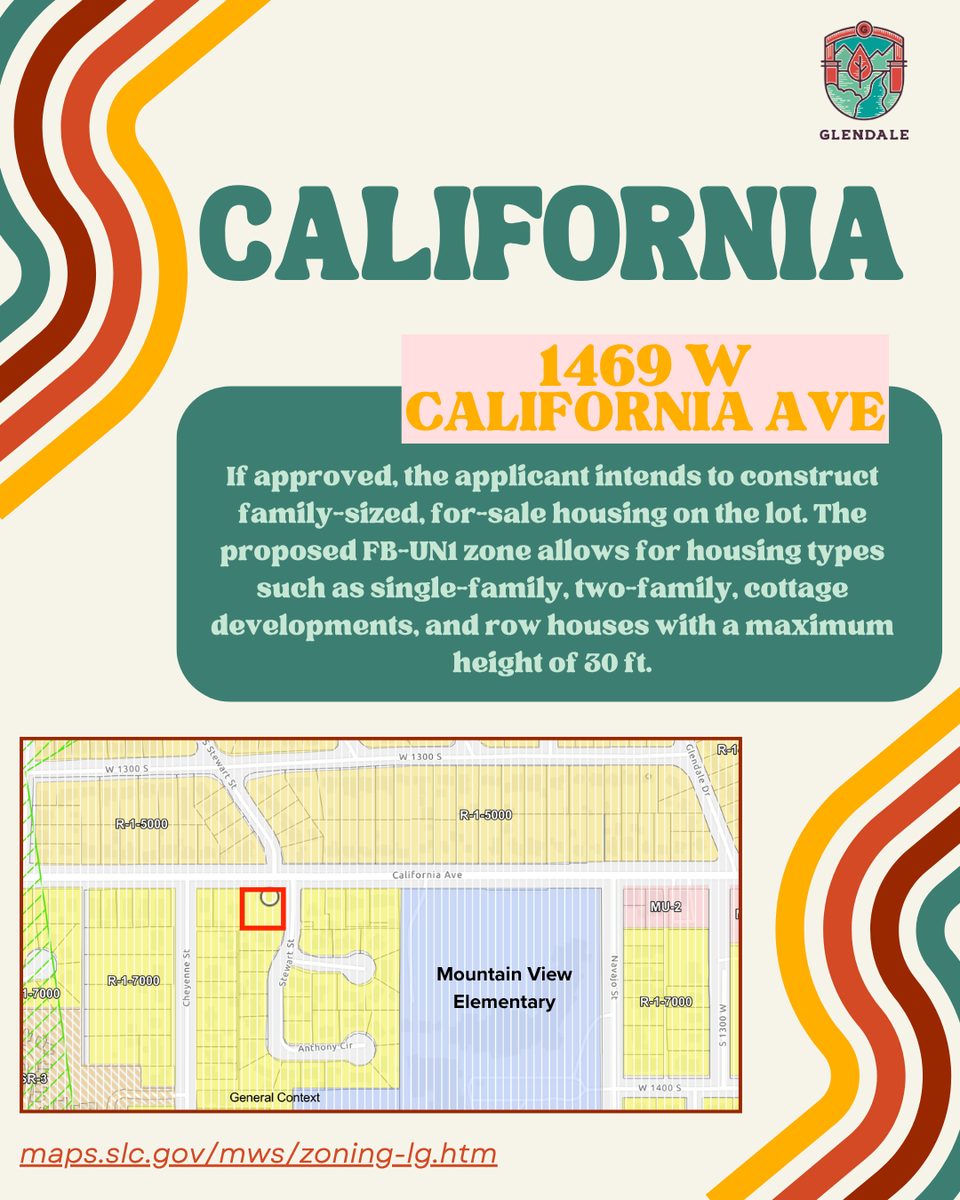
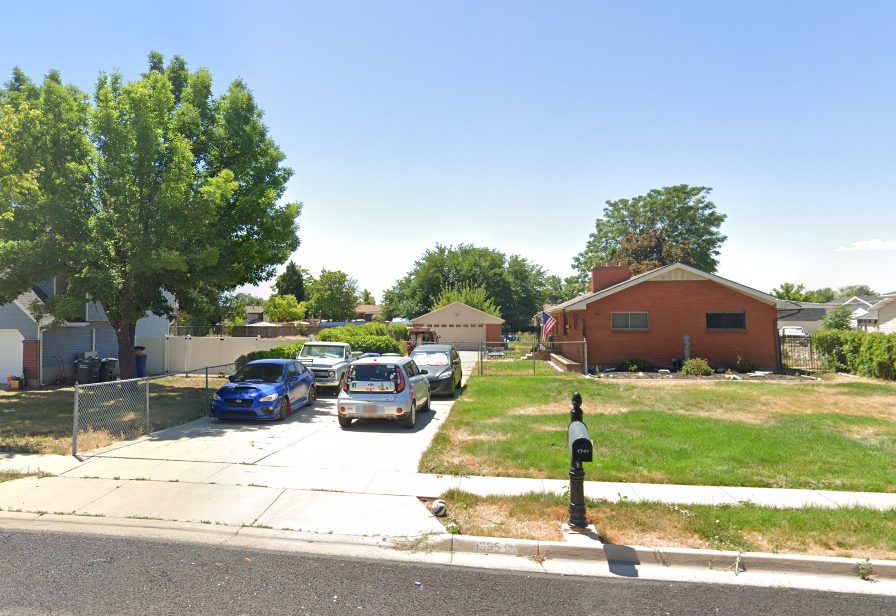
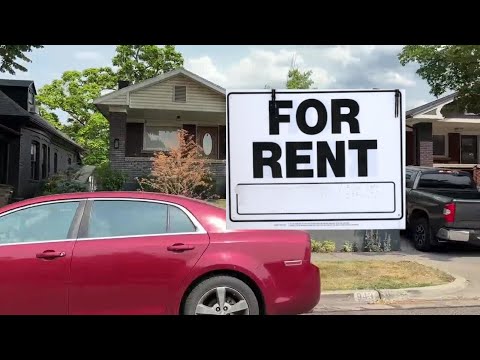
Salt Lake City's Planning Commission voted Wednesday to recommend rezoning 1.25 acres in Glendale from single-family to low-density multifamily. The shift lets the property owner build up to 35 homes, with plans for about two dozen affordable, for-sale units.

More than 700 neighbors signed a petition against the change, and the Glendale Neighborhood Council opposed it unless density dropped to 8–10 units. The City Council holds the final vote, testing how Salt Lake balances its housing goals against a neighborhood's resistance.

Why it matters

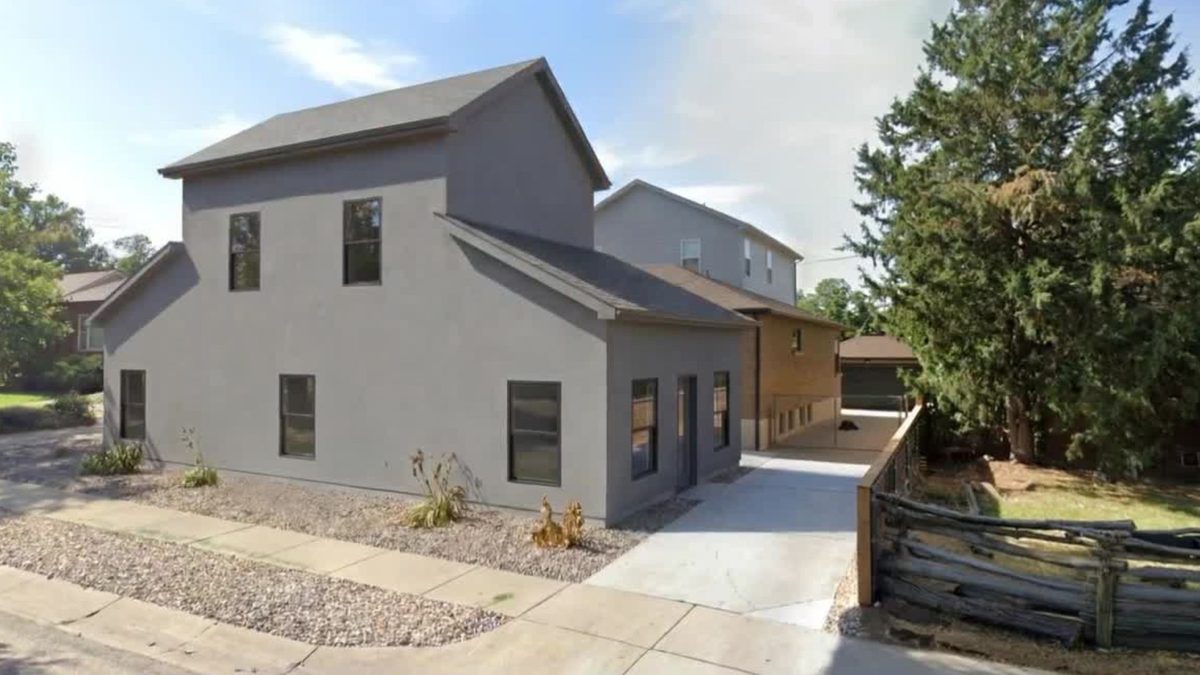
If the rezone passes, Glendale trades single-family zoning for an affordable pocket neighborhood — and neighbors warn 10 more big lots could follow.

Questions about this story

Free account needed to ask — your question is kept and asked for you right after sign-up. Answers are public.

No questions yet — be the first to ask.

Key Indicators

24
Proposed for-sale homes
Applicant's plan for the 1.25-acre L-shaped site.
35
Maximum units under RMF-30
Upper range the low-density multifamily zone allows, per city staff.
700+
Petition signatures opposing
Online petition against the rezone, plus yard signs and a Facebook group.
1.25
Acres being rezoned
Three parcels: 1379 and 1395 Van Buren, and 1384 Harris.
80–100%
Area median income band for buyers
Homes would be sold to households earning 80–100% of AMI.

Voices

Curated perspectives — historical figures and your fellow readers.

Ever wondered what historical figures would say about today's headlines?

Sign up to generate historical perspectives on this story.

People Involved

Organizations Involved

Timeline

January 2024 September 2026

4 events Latest: 2 days ago
Tap a bar to jump to that date
  1. Commission recommends approval

    Latest Decision

    Planning Commission votes to recommend the RMF-30 rezone, sending it to City Council.

  2. Commission tables rezone for conditions

    Hearing

    Planning Commission deliberates, tables the request while staff and applicant discuss limits.

  3. Neighbors learn of proposal

    Community

    Residents say they first heard of the rezone in 2026, despite planning since 2024.

  4. Applicant begins planning project

    Planning

    Jonathan Marsh starts planning the housing development on his Glendale parcels.

Scenarios

1

City Council approves Glendale rezone

Likely Resolves by End of 2026

Discussed by: Building Salt Lake; city planning staff recommended approval

The council holds a final public hearing and adopts the RMF-30 zoning map amendment. The Marsh project proceeds to site plan review with conditions, bringing roughly two dozen affordable, for-sale homes to the block.

2

Council rejects rezone, single-family zoning stays

Possible Resolves by End of 2026

Discussed by: Opposing neighbors, Glendale Neighborhood Council

The council votes down the amendment after hearing opposition over traffic, privacy, and an aging water main. The applicant could reapply or pursue planned-development approvals that might still permit up to 28 homes under current zoning.

3

Council approves with density cap

Possible Resolves by End of 2026

Discussed by: Glendale Neighborhood Council (8–10 units)

The council adopts the rezone but attaches a condition capping units at 10 or fewer, matching the neighborhood council's demand. The project shrinks but some multifamily housing moves forward.

Historical Context

2 moments from history that rhyme with this story — and how they unfolded.

December 2018

Minneapolis 2040 (2018)

Minneapolis became the first major U.S. city to end single-family-only zoning, allowing up to three units on every residential lot citywide. The plan passed after years of advocacy over housing costs and segregation.

Then

The city saw modest new construction and a wave of legal and political backlash from homeowners.

Now

In 2025, the Minnesota legislature intervened, curbing parts of the policy as part of a state preemption fight.

Why this matters now

Shows how upzoning can pass on affordability grounds, then face years of organized homeowner resistance and partial rollback.

June 2019

Oregon House Bill 2001 (2019)

Oregon banned single-family-only zoning in cities over 10,000 people, requiring duplexes and townhomes on most residential lots. It was the first statewide law of its kind.

Then

Cities delayed implementation and fought over details of lot sizes and parking rules.

Now

Several years in, most cities had not met the state's deadlines, and the legislature pushed enforcement.

Why this matters now

Illustrates how top-down density mandates collide with local control and slow-walked implementation, a risk for the Glendale project.

Sources

(5)