
Pull to refresh
Logo
Salt Lake City approves Smith's Ballpark redevelopment zoning after height reduction

Salt Lake City approves Smith's Ballpark redevelopment zoning after height reduction

Built World Salt Lake City, UT local

City leaders say planning is over: a feasibility study is underway, partial demolition may wait until 2028, and the first development request could come in 2027

Overview

Updated 13 hours ago

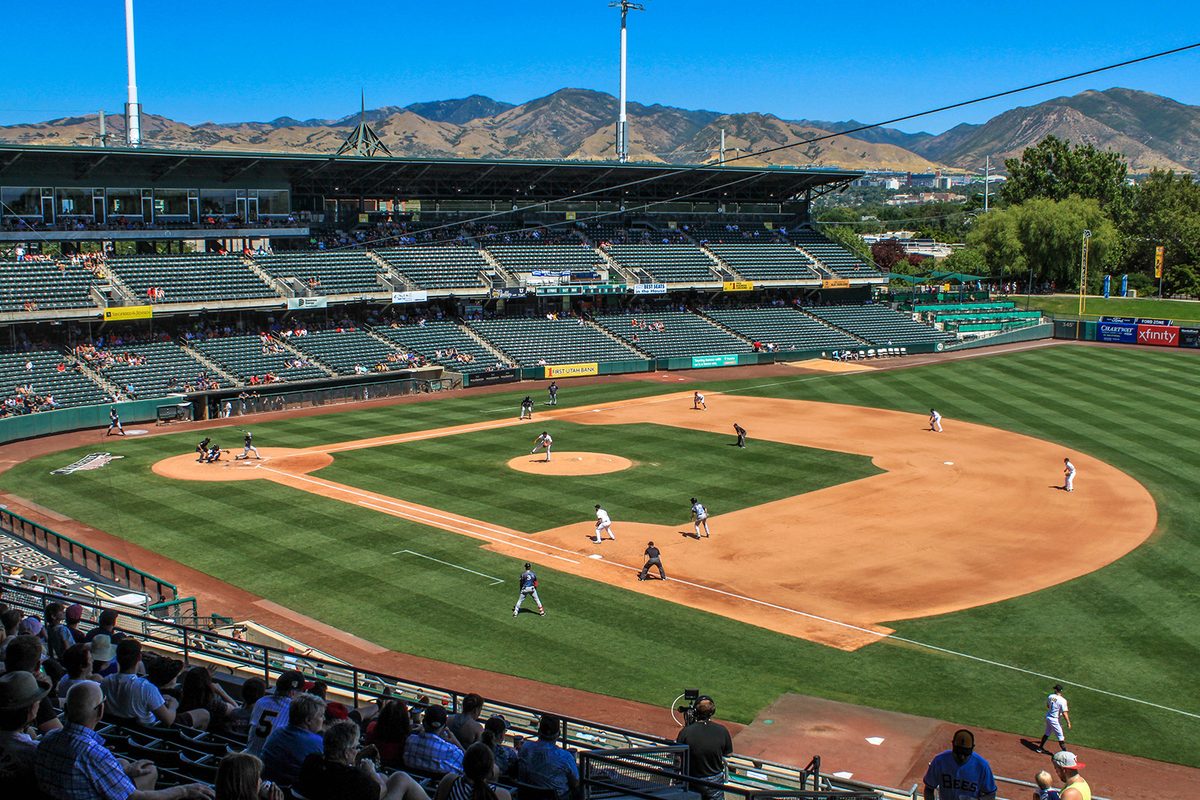
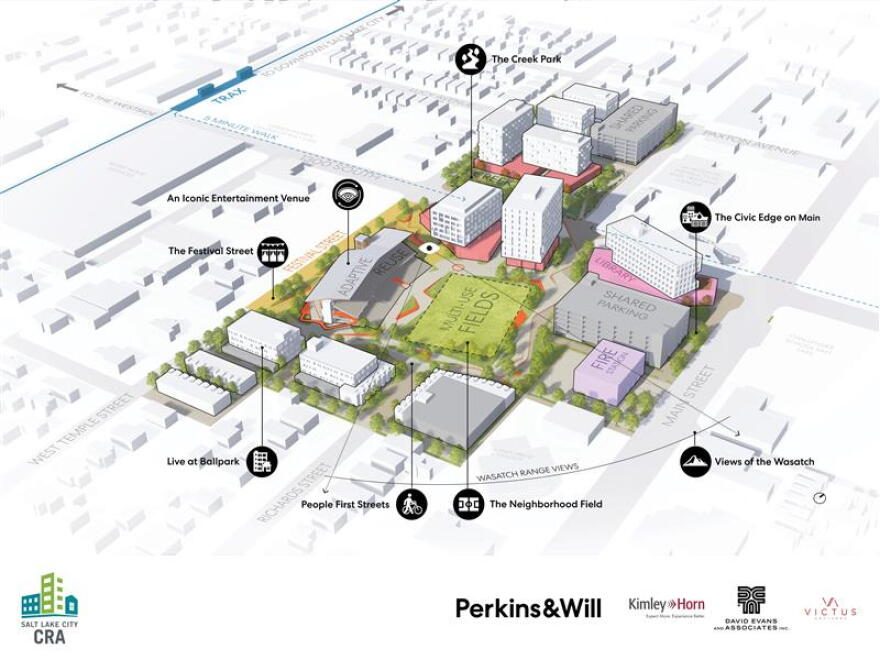
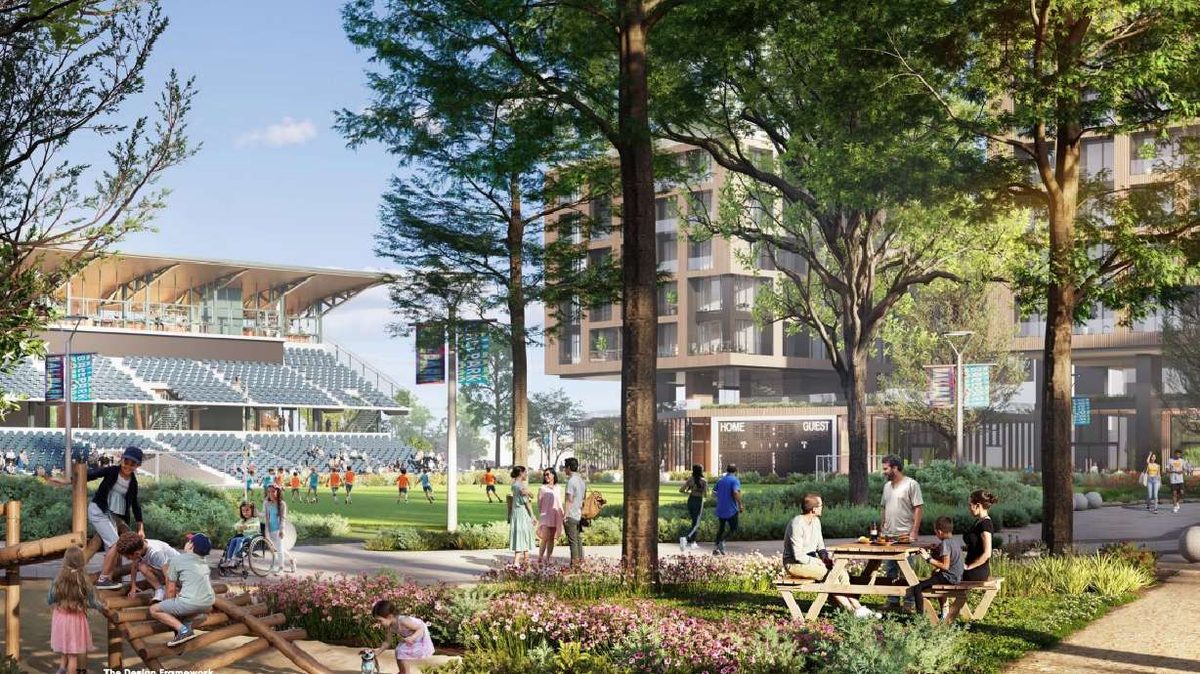
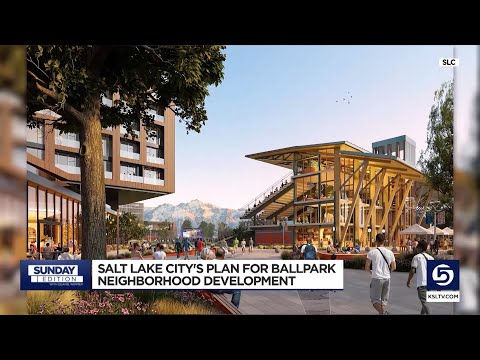
Salt Lake City's council voted 7-0 on Oct. 20 to rezone the 14.8-acre former Smith's Ballpark site for housing, business and open space. Buildings are capped at 95 feet, and at least 5 acres must stay publicly accessible open space.

At a Nov. 9 town hall, Mayor Erin Mendenhall said the project has moved past planning. A feasibility study is underway, partial demolition may not begin until 2028, and the first request for development proposals could come in 2027, starting with the site's old parking lot.

Why it matters

The zoning vote locks in what can be built on 14.8 acres in Salt Lake City's Ballpark neighborhood, shaping housing and green space for decades.

Last Monday's email for Salt Lake City, UT

Sent Nov 9. It carried:

Get next Monday's: one short email a week. Free. Unsubscribe in one click.

Questions about this story

Free account needed to ask — your question is kept and asked for you right after sign-up. Answers are public.

No questions yet — be the first to ask.

Key Indicators

37%
Reduction in building height cap
Max building height cut from 150 feet to 95 feet after neighborhood pushback on density and heat.
5 acres
Guaranteed open-space floor
At least 5 acres of the 14.8-acre site must stay publicly accessible open space.
14.8 acres
Rezoned site size
Former stadium and parking lots, mostly Public Lands before the change to MU-8 and MU-5.
7-0
Council vote
Salt Lake City Council adopted the zoning map and text amendment without dissent on Oct. 20.
2028
Earliest partial demolition
Community Reinvestment Agency director Danny Walz said demolition may not begin until 2028.

Voices

Curated perspectives — historical figures and your fellow readers.

Sign up to generate historical perspectives on this story.

People Involved

Organizations Involved

Timeline

2023 November 2026

9 events Latest: 2 days ago
Tap a bar to jump to that date
  1. City says planning is over, execution begins

    Latest Town Hall

    At a town hall, Mayor Erin Mendenhall said the focus has shifted from planning to execution. CRA director Danny Walz said a feasibility study is underway, partial demolition may not begin until 2028, and the first development request could come in 2027 starting with the old parking lot.

  2. New zoning adopted unanimously

    Zoning Vote

    Council approves MU-8 and MU-5 zoning for the 14.8-acre site, capping buildings at 95 feet and requiring at least 5 acres of open space.

  3. Council asks staff to strengthen tree rules

    Legislative Action

    In a separate vote the same night, the council asked the administration to review tree policies and step up preservation during new development. The zoning ordinance itself also asks that street trees along 1300 South, West Temple, Main Street and Paxton Avenue be kept where possible.

  4. City amends to lower heights

    Amendment

    Leaders move MU-11 areas to MU-8 (95-foot cap) and pledge at least 5 acres of open space.

  5. Planning commission recommends MU-11

    Recommendation

    Commission endorses zoning allowing up to 150-foot buildings, drawing strong resident opposition.

  6. City Council approves Ballpark NEXT

    Approval

    Council, acting as CRA board, unanimously approves the redevelopment plan in Darin Mano's final meeting.

  7. CRA releases redevelopment plan

    Plan Release

    Community Reinvestment Agency unveils Ballpark NEXT, including a proposed 150-foot building via a new MU-15 zone.

  8. Bees announce departure

    Announcement

    Larry H. Miller Company says the Salt Lake Bees will move to South Jordan after the 2024 season.

  9. Ballpark NEXT launched

    Planning

    Salt Lake City opens a design competition and community visioning process for the site's future.

Scenarios

1

Phased redevelopment begins with first housing RFP

Likely Resolves by End of 2027

Discussed by: Salt Lake City CRA, Building Salt Lake

The CRA is already drafting the first request for proposals for housing on the northern parcels. If this proceeds, the first construction could break ground within two years, with the stadium's partial demolition following in 2027 or later. The city plans to activate the stadium for events while the redevelopment moves forward.

2

Redevelopment stalls amid budget or lease disputes

Possible Resolves by End of 2027

Discussed by: Developers at community panel, Building Salt Lake

Developers warned of a five-to-ten year timeline, and unresolved questions remain over ground leases versus outright land sales. City budget pressures could push sales, delaying community priorities like the library and open space. The partial demolition of the stadium may not happen until 2027 or later.

3

Height cap or open-space floor is revised

Unlikely Resolves by Oct 20, 2028

Discussed by: Future councils, developers

If the 95-foot cap or the 5-acre open-space floor makes development financially unworkable, a future council could amend the zoning. The MU-8 and MU-5 designations are now codified, so any change would require a new vote. This would likely follow developer pressure during the request-for-proposals process.

4

City lands an opportunity-zone designation for the site

Possible Resolves by End of 2027

Discussed by: Danny Walz, Salt Lake City Community Reinvestment Agency

Walz said the city intends to have the area designated an opportunity zone, which lets developers collect tax benefits for redeveloping underserved or abandoned areas. Similar incentives helped spur growth in the Granary District a few blocks northwest. A designation would not by itself guarantee construction, which Walz said depends heavily on materials costs, interest rates and financing.

Historical Context

2 moments from history that rhyme with this story — and how they unfolded.

2017-2023

Turner Field redevelopment, Atlanta (2017-2023)

After the Braves left Turner Field in 2017, Atlanta redeveloped the stadium and surrounding parking lots into a mixed-use community with housing, retail, a park, and Georgia State University's new football stadium. Perkins&Will led the master plan.

Then

The project brought thousands of housing units and new public open space to the neighborhood.

Now

It became a national model for stadium adaptive reuse, showing how a vacant ballpark can anchor broader community transformation.

Why this matters now

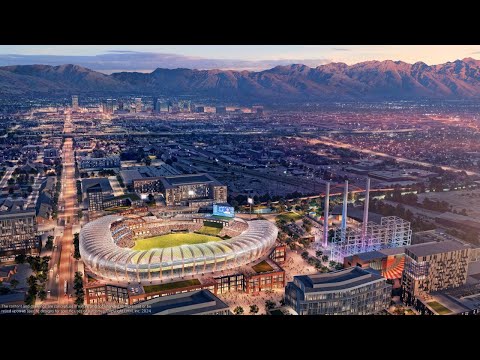
Perkins&Will is leading the same kind of effort at Smith's Ballpark, applying the Atlanta playbook: preserve part of the stadium, build housing and green space around it, and let the site anchor neighborhood growth.

1931-2013

Bush Stadium / Stadium Lofts, Indianapolis (2013)

Indianapolis's minor league ballpark, home of the Indians from 1931 to 1996, sat vacant for years before being converted into 138 apartments that preserved the brick facade, grandstand, and outfield wall.

Then

The conversion opened in 2013 and became a model for stadium-to-housing adaptive reuse.

Now

It demonstrated that preserving a stadium's structure can create distinctive housing while honoring local history.

Why this matters now

Smith's Ballpark's planned partial demolition and reuse of the southern stands echoes this approach, keeping part of the stadium for a community venue while redeveloping the rest.

Sources

(15)