

Pull to refresh
Logo
Daily Brief
Following
Why Ranks Sign Up
Russia and Ukraine begin 1,000-for-1,000 prisoner exchange

Russia and Ukraine begin 1,000-for-1,000 prisoner exchange

Force in Play

First swap of 205 prisoners each side completes under US-brokered framework, a day after a Russian air barrage on Kyiv

Yesterday: First phase: 205 prisoners each side

Overview

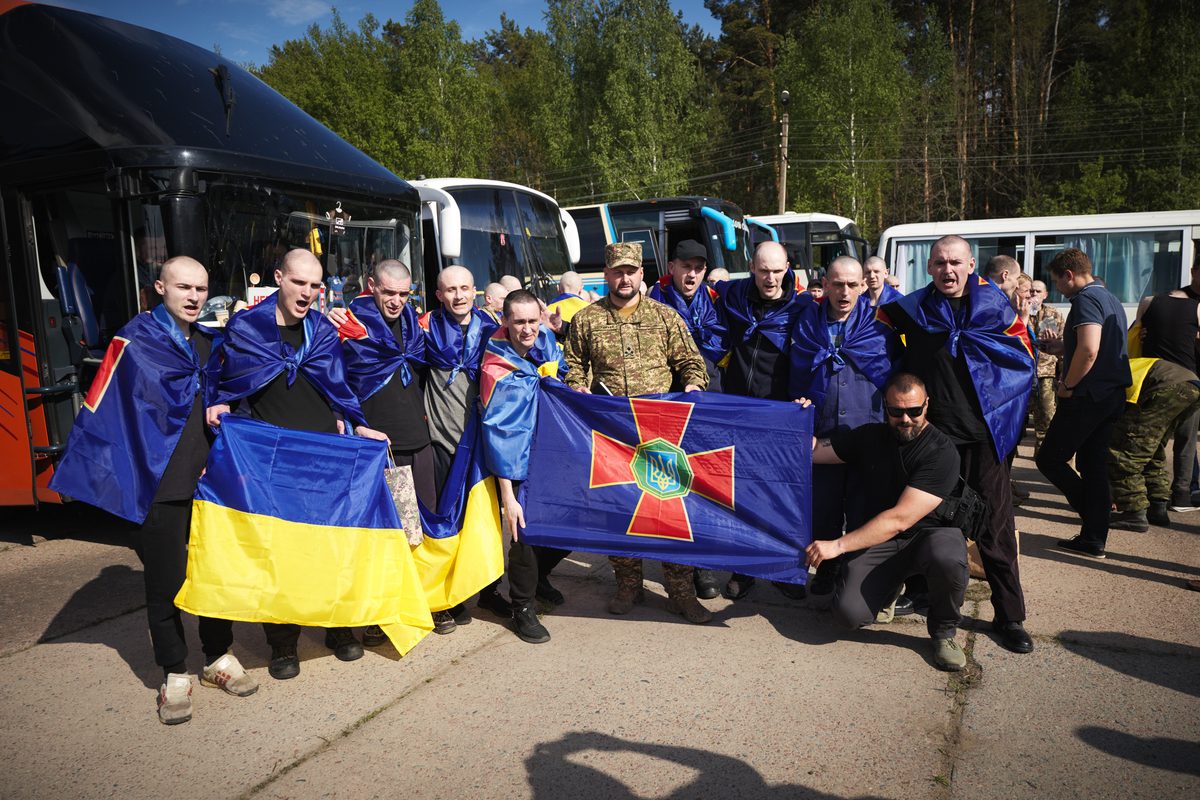
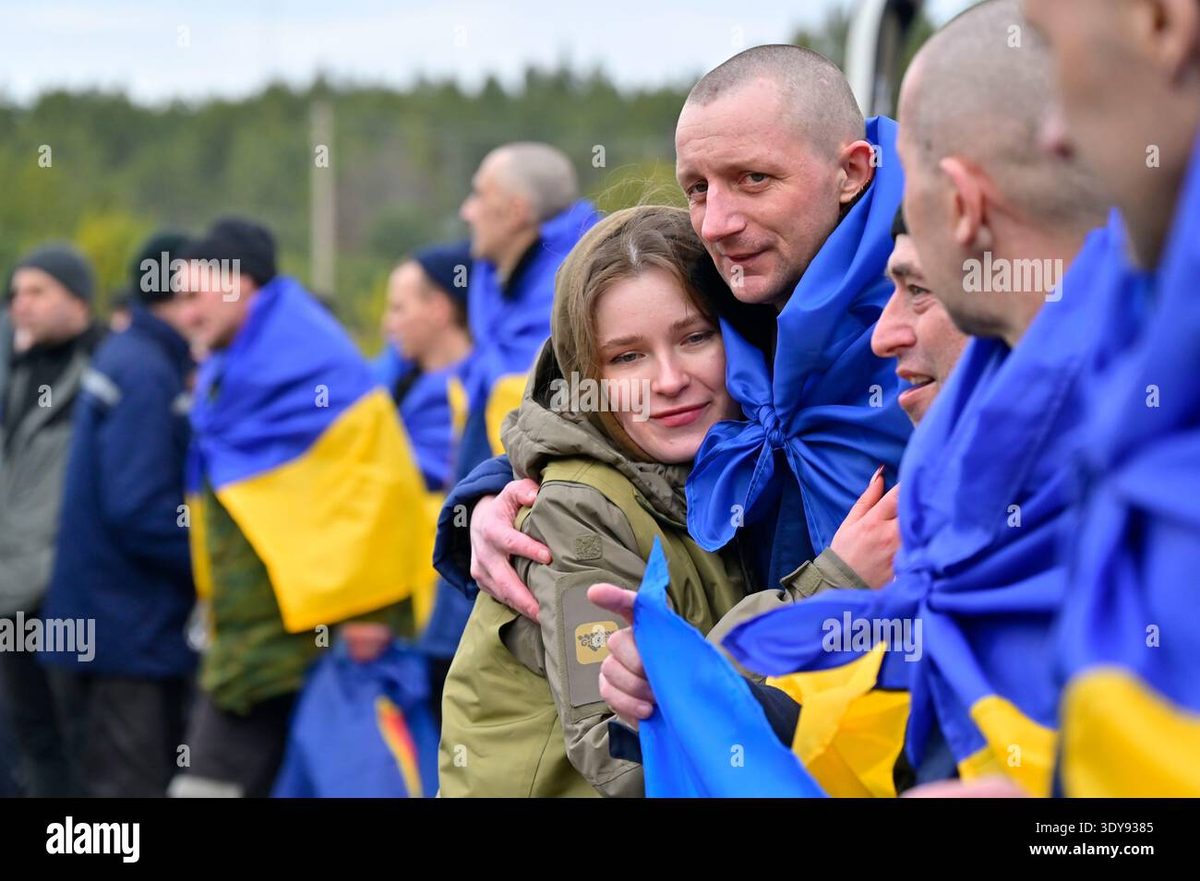
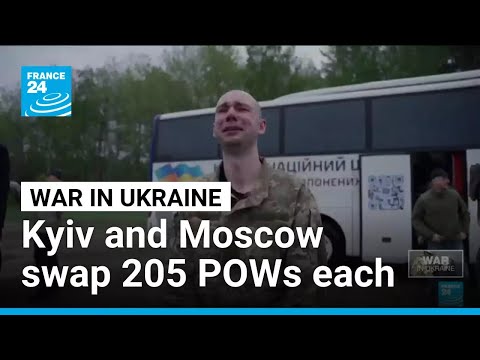
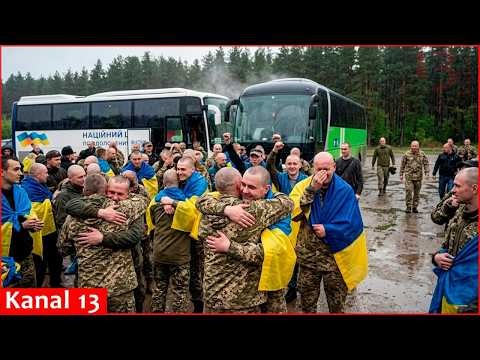
Russia and Ukraine each handed back 205 prisoners of war on Friday. It is the first of ten planned tranches in a 1,000-for-1,000 swap that Donald Trump brokered last week. Most of the freed Ukrainians had been in Russian captivity since 2022.

The exchange is the only concrete result so far from months of US mediation. Talks on a wider settlement have stalled. A Russian missile and drone barrage killed at least 24 people in Kyiv the night before the swap, and both sides accuse the other of breaking the three-day truce that preceded it.

Why it matters

This swap is the one piece of Trump's Russia-Ukraine diplomacy that moved bodies. If it stalls, Washington has nothing tangible left to point to.

Key Indicators

205
Prisoners returned, each side
First tranche of the 1,000-for-1,000 framework, completed May 15.
1,000
Full swap size
Total prisoners each side agreed to exchange under the May 8 framework.
Since 2022
Time most were held
Zelenskyy said most returned Ukrainians had been captive since the year of the invasion.
24+
Killed in May 14 Kyiv strike
Russian air barrage hit civilian areas the night before the exchange.

Interactive

Exploring all sides of a story is often best achieved with Play.

Ever wondered what historical figures would say about today's headlines?

Sign up to generate historical perspectives on this story.

People Involved

Organizations Involved

Timeline

  1. First phase: 205 prisoners each side

    Exchange

    Both sides hand over 205 prisoners. Zelenskyy says most freed Ukrainians had been held since 2022 and calls the swap the only result of US mediation so far.

  2. Russian air barrage on Kyiv kills at least 24

    Conflict

    Missile and drone strikes hit civilian areas hours before the planned exchange. Ukraine says Moscow ramped up attacks during truce talks.

  3. Zelenskyy hands Russia the POW list

    Diplomacy

    Ukraine transfers prisoner names to Russia and asks Washington for guarantees on execution of the deal.

  4. Truce ends; Putin accuses Kyiv of delaying swap

    Statement

    Putin says Ukraine pulled out of a separate 500-for-500 exchange. Kyiv denies the claim.

  5. Truce takes effect; Putin holds scaled-back parade

    Diplomacy

    Three-day ceasefire begins. Russia's Victory Day parade runs without tanks or missiles for the first time in nearly two decades.

  6. Trump announces three-day truce and 1,000-for-1,000 swap

    Diplomacy

    After both sides accuse each other of violating unilateral truces, Trump says they have agreed to a May 9-11 ceasefire and a 1,000-prisoner exchange each way.

  7. Russia and Ukraine declare competing ceasefires

    Diplomacy

    Putin announces a unilateral May 8-9 truce for Victory Day; Zelenskyy counters with his own May 5-6 window.

  8. 115-for-115 swap on Ukraine's Independence Day

    Exchange

    United Arab Emirates mediates a swap that frees fighters captured at Mariupol's Azovstal plant.

  9. Largest swap of the war: 215 for 55 plus Medvedchuk

    Exchange

    Saudi- and Turkey-brokered swap returns Azov commanders to Ukraine; Russia receives 55 prisoners and pro-Russian politician Viktor Medvedchuk.

  10. Russia launches full-scale invasion

    Conflict

    Russian forces cross into Ukraine. The first POWs are taken within hours.

Scenarios

Predict which scenario wins. Contrarian picks score more — points lock in when the scenario resolves.

Log in to predict. Track your picks, climb the leaderboard. Log in Sign Up
1

Russia and Ukraine complete the full 1,000-for-1,000 swap

Both sides keep running tranches every one to two weeks until each has returned 1,000. Past large frameworks have finished in four to eight weeks once the first handover succeeds. Trump's team claims the completed swap as a foreign-policy win.

Resolves by: 2026-09-30
Source: Ukrainian Coordination Headquarters for the Treatment of Prisoners of War
Discussed by: Kyiv Independent, Reuters, The Moscow Times
Consensus
2

Exchange stalls partway as both sides accuse the other of bad faith

After two or three rounds, fights over prisoner lists or fresh strikes halt the process. Putin already says Kyiv backed out of a parallel 500-for-500 swap; Kyiv denies it. The same fault lines could freeze this one.

Resolves by: 2026-09-30
Source: Reuters and Kyiv Independent reporting
Discussed by: Meduza, Euronews, The Defense Post
Consensus
3

Trump claims breakthrough; formal Russia-Ukraine peace talks open

A successful swap gives Trump enough capital to push both sides into a named negotiating track. A US envoy travels to Moscow and Kyiv; delegations meet in a third country.

Resolves by: 2026-12-31
Source: White House or US State Department announcement
Discussed by: The Washington Post, The Moscow Times
Consensus
4

Major strike halts further prisoner exchanges

A high-casualty strike like the May 14 Kyiv barrage, but larger, pushes either Kyiv or Moscow to formally suspend the framework. Past frameworks have collapsed this way.

Resolves by: 2026-08-31
Source: Kyiv Independent and Reuters reporting
Discussed by: The Defense Post, Kyiv Independent
Consensus

Historical Context

Azov commanders swap (September 2022)

September 2022

What Happened

Saudi Arabia and Turkey brokered a swap that returned 215 Ukrainians, including the Azov commanders captured at Mariupol's Azovstal steelworks, in exchange for 55 Russians and pro-Russian politician Viktor Medvedchuk. It was the largest single exchange of the war.

Outcome

Short Term

The Azov commanders went to Turkey under a stay-out-of-the-war commitment that both Kyiv and Moscow later disputed.

Long Term

Set the template for third-party-mediated mega-swaps and showed Putin would trade high-profile prisoners for political assets like Medvedchuk.

Why It's Relevant Today

Proves a mid-war exchange of hundreds is possible without ending the fighting. The May 2026 framework is roughly five times that size and runs on the same logic: trade bodies, leave the war untouched.

Korean War POW exchanges, Operation Big Switch (1953)

August-September 1953

What Happened

Under the Korean armistice, the United Nations Command and North Korea-China exchanged about 75,000 communist prisoners for roughly 12,700 UN prisoners, including 3,597 Americans. The swaps ran for six weeks at Panmunjom.

Outcome

Short Term

Closed out the active combat phase of the Korean War.

Long Term

The Korean armistice has held for over 70 years without a peace treaty; the prisoner mechanism was the deliverable that stuck.

Why It's Relevant Today

Historical template for prisoner exchange as the only durable piece of an otherwise frozen conflict. The Russia-Ukraine swap may end up playing the same role: a humanitarian channel that outlasts the political settlement nobody can write.

US-Russia multi-country prisoner swap (August 2024)

August 2024

What Happened

A 24-person exchange involving seven countries returned Wall Street Journal reporter Evan Gershkovich, former Marine Paul Whelan, and Russian-American journalist Alsu Kurmasheva to the US. Russia received FSB hitman Vadim Krasikov and other operatives.

Outcome

Short Term

The largest US-Russia swap since the Cold War; carried out even as Washington and Moscow were on opposite sides of the war in Ukraine.

Long Term

Established that prisoner channels stay open even when other US-Russia diplomacy is frozen, a model Trump's team is now extending to Russia-Ukraine.

Why It's Relevant Today

Shows the mechanism Trump's negotiators know best. The May 2026 framework is essentially the same playbook applied to the war's POWs, with Washington as the broker rather than a party.

Sources

(9)