

Pull to refresh
Logo
Russia linked to two-year drone campaign over Europe launched from 'shadow fleet' ships

Russia linked to two-year drone campaign over Europe launched from 'shadow fleet' ships

Force in Play

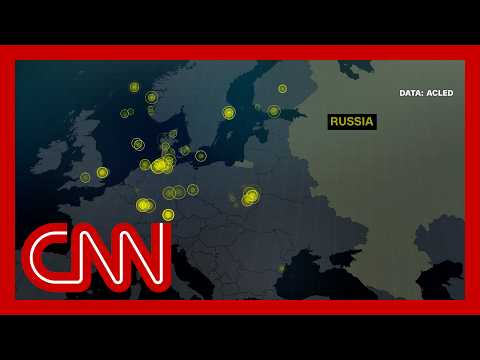
An IISS report maps 144 drone sightings that closed airports and probed NATO air defenses, tracing many back to sanctions-dodging tankers.

July 2nd, 2026: IISS links the drone campaign to shadow-fleet ships

Overview

Updated Jul 2

For most of two years, drones kept appearing over European airports and military bases. Flights stopped. Fighter jets scrambled. Nobody could prove who sent them. On July 2, 2026, a London defense think tank said it now can: Russia, launching many of the drones from tankers in its covert 'shadow fleet.'

The International Institute for Strategic Studies plotted 144 suspected sightings across six NATO countries and matched several to the movements of specific ships. The finding names a method Europe struggled to counter for two years. Each drone stayed small enough, and deniable enough, to avoid the one thing that would force NATO to fight back.

Why it matters

Russia found a way to shut European airports and map NATO's air defenses without firing a shot NATO could answer, and it worked for two years.

Questions about this story

Free account needed to ask — your question is kept and asked for you right after sign-up. Answers are public.

No questions yet — be the first to ask.

Key Indicators

144
Suspected drone sightings
Plotted by the IISS across Europe between 2024 and 2026.
6
NATO members targeted
Germany, France, Belgium, the Netherlands, the UK, and Denmark.
20
Drones over one Danish port in a night
Up to 20 flew over Koege on Jan. 3, 2025, near the shadow ship Arctica.
0
Collective NATO responses triggered
Each incident stayed below the threshold for an Article 5 reply.

Voices

Curated perspectives — historical figures and your fellow readers.

Ever wondered what historical figures would say about today's headlines?

Sign up to generate historical perspectives on this story.

People Involved

Organizations Involved

Timeline

December 2024 July 2026

9 events Latest: July 2nd, 2026 · 2 months ago
Tap a bar to jump to that date
  1. IISS links the drone campaign to shadow-fleet ships

    Latest Report

    The think tank published its finding that Russia likely launched many of the 144 plotted drones from tankers in its covert shadow fleet.

  2. Putin denies a sabotage campaign

    Statement

    Russia's president publicly rejected claims that Moscow was running a sabotage or disruption campaign against European countries.

  3. Drones spotted off Dublin as a shadow ship circles

    Incident

    Four large drones were seen near an Irish navy ship off Dublin while the shadow vessel Vezhen sailed in circles nearby.

  4. Drones appear over Dutch and Belgian nuclear-linked bases

    Incident

    Sightings over bases in the Netherlands and Belgium, including sites believed to store US B61 nuclear bombs, drove the campaign to its peak.

  5. Denmark bans civilian drone flights

    Policy

    After repeated sightings over airports and military bases, Denmark barred civilian drone flights nationwide during a period of heightened readiness.

  6. Drones close Copenhagen and Oslo airports

    Incident

    Sightings shut both airports, cancelling more than 100 flights. Frederiksen called it the most serious attack on Danish infrastructure to date.

  7. Up to 20 drones fly over a Danish port

    Incident

    As the shadow ship Arctica sailed the Danish coast, up to 20 drones crossed the port of Koege before heading out to sea.

Scenarios

1

NATO launches a dedicated counter-drone mission for European airspace

Possible Resolves by End of 2026

Discussed by: IISS analysts and NATO officials cited by Bloomberg and the Associated Press

The report frames Europe's scattered response as a failure and presses for coordinated air defense. NATO already runs a Baltic maritime patrol. A named counter-drone air defense mission, with shared radar and interceptors, would be the direct institutional answer to the finding. Members would need to agree on funding and command before announcing it.

2

A European state seizes or detains a shadow-fleet ship tied to drone launches

Possible Resolves by End of 2026

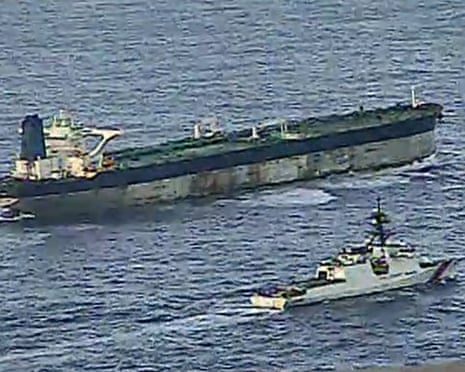
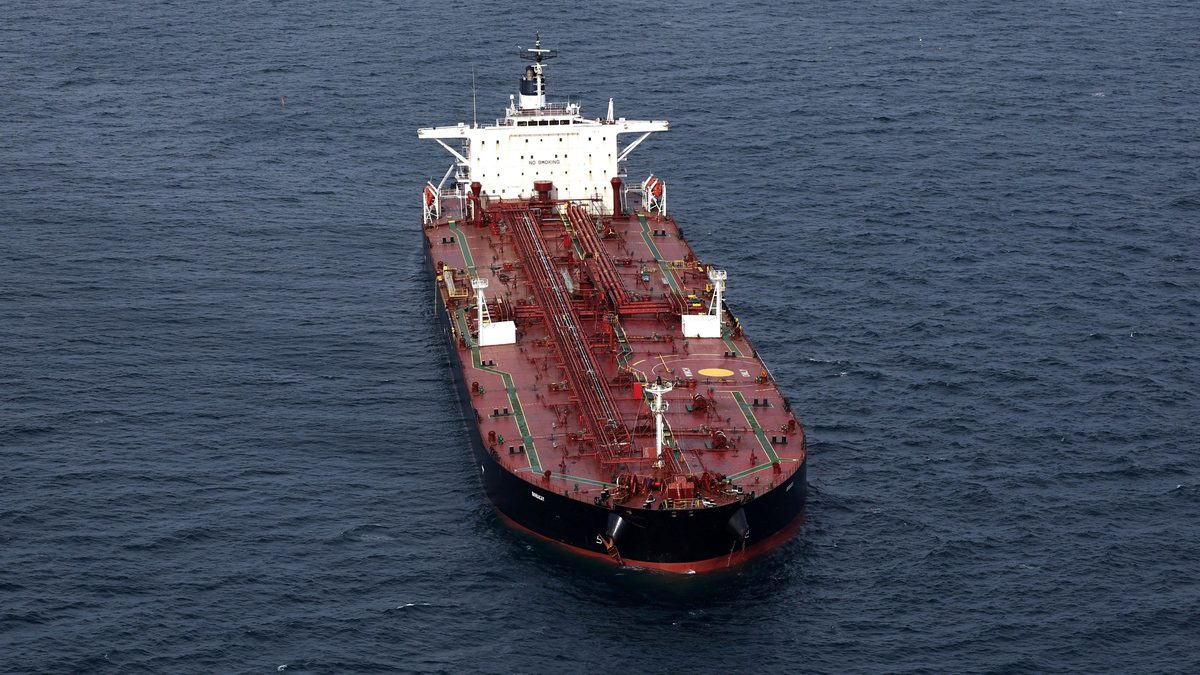
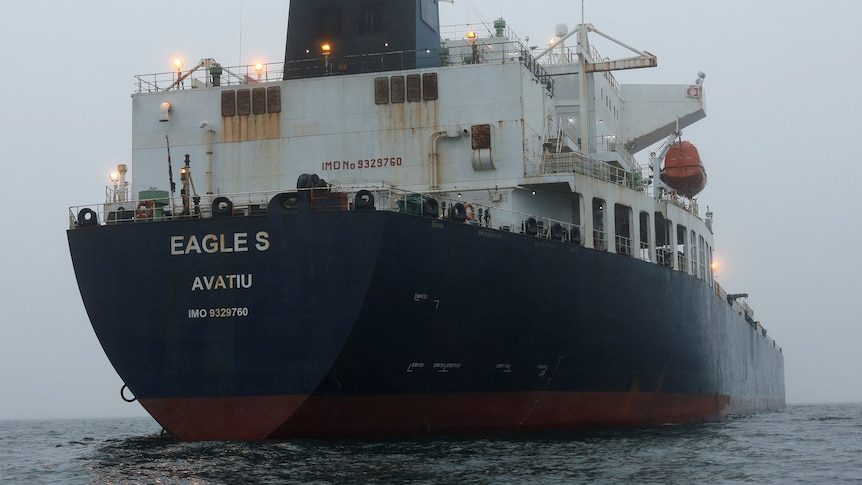
Discussed by: Reporting from the Associated Press and Bloomberg on prior boardings of the Eagle S and Boracay

Governments have already boarded suspected vessels over cut cables. The IISS report gives them a fresh, drone-specific rationale. A coastal state could detain a tanker and publicly cite the drone campaign as the reason, moving enforcement from cable damage to aerial incursions. This turns on catching a ship in the act or with clear onboard evidence.

3

Drone incursions keep closing European airports through the year

Likely Resolves by End of 2026

Discussed by: IISS, which recorded the late-2025 peak, and airport authorities in Denmark and Germany

The campaign was designed to be cheap, deniable, and hard to stop. Naming the method does not disable it. If Russia sees value in continued pressure, sightings and airport shutdowns could persist despite the report. This scenario resolves on whether the disruption repeats after publication, regardless of who is blamed.

4

A drone incident forces formal NATO Article 4 consultations

Unlikely Resolves by Jul 2, 2027

Discussed by: Security analysts weighing escalation risk in NATO coverage by NBC News and the IISS

So far every incident stayed below the level that forces the alliance to act together. A drone that causes casualties, a collision with a civilian aircraft, or a shoot-down over a member state could push a government to invoke Article 4, which triggers formal consultations short of war. This is the escalation path both sides have tried to avoid.

Historical Context

3 moments from history that rhyme with this story — and how they unfolded.

October 1981

'Whiskey on the Rocks' Soviet submarine incident (1981)

A Soviet submarine ran aground inside restricted Swedish waters near a naval base. It began a decade of suspected Soviet undersea incursions that tested how Sweden and NATO watched and defended their coasts.

Then

Sweden detained the crew and lodged formal protests before releasing the submarine.

Now

The incursions became a defining case of Cold War probing: pressure and reconnaissance kept deliberately below the line of open conflict.

Why this matters now

Probing a rival's defenses to map gaps without starting a war is an old Russian playbook. The drones are a modern, airborne version of the same tactic.

December 2018

Gatwick Airport drone shutdown (2018)

Drone sightings shut London's Gatwick Airport for parts of three days during the Christmas rush, grounding roughly 1,000 flights and stranding over 100,000 travelers. Police never identified who flew the drones.

Then

The airport and military scrambled counter-drone gear, but the disruption ran its course before the sightings stopped.

Now

It exposed how a few small drones can paralyze a major airport and how hard the operators are to catch.

Why this matters now

Gatwick was the preview: cheap drones, huge disruption, no clear culprit. The IISS report describes the same effect used on purpose, at scale, across a continent.

September 2022

Nord Stream pipeline sabotage (2022)

Underwater blasts ruptured the Nord Stream gas pipelines in the Baltic Sea. The attack was clearly deliberate, but years of investigation never produced an agreed, prosecutable culprit. Governments traded accusations without consensus.

Then

Europe treated undersea infrastructure as a live target and raised naval patrols in the Baltic.

Now

The case showed how an attacker can inflict major damage while keeping attribution murky enough to avoid a unified military response.

Why this matters now

The drone campaign runs on the same logic: hit or probe critical infrastructure while staying deniable enough to dodge NATO's collective trigger.

Sources

(6)