

Pull to refresh
Logo
Planet Labs publishes open orbital data for its 97 satellites

Planet Labs publishes open orbital data for its 97 satellites

New Capabilities

An open satellite-tracking feed meets tightened wartime imagery restrictions

3 days ago: Marksblogg dissects Planet's open TLE feed

Overview

Updated 2 days ago

Planet Labs posts the orbital position of every satellite it flies, 97 of them, in one open file anyone can download. The same company delays or withholds its imagery of Middle East conflicts. Both moves respond to one fact: satellite data shapes war.

This week a detailed walkthrough of the open feed spread on Hacker News. It shows how anyone can cross-check the fleet against public catalogs like GCAT. Days earlier, Planet posted quarterly revenue up 58% from a year earlier, and its May launches included Sweden's first sovereign satellite.

Why it matters

Orbital data is targeting data. Planet publishes its fleet's exact positions while rationing wartime imagery, so its openness and its secrecy are the same product.

Questions about this story

Free account needed to ask — your question is kept and asked for you right after sign-up. Answers are public.

No questions yet — be the first to ask.

Key Indicators

97
Active satellites listed in the open feed
Planet's ephemerides service lists 97 satellites still in orbit, including the newly launched Pelican-11.
14
Middle East imagery delay
Extended from four days in March, then applied indefinitely to Iran war imagery in April.
426
Spectral bands in Planet's hyperspectral imagery
Planet also publishes an open 426-band hyperspectral imagery feed, its other major transparency product.
58%
Year-over-year revenue growth
Planet's Q2 fiscal 2027 revenue rose 58% from a year earlier, with a 59% non-GAAP gross margin.

Voices

Curated perspectives — historical figures and your fellow readers.

Ever wondered what historical figures would say about today's headlines?

Sign up to generate historical perspectives on this story.

People Involved

Organizations Involved

Timeline

March 2026 September 2026

8 events Latest: 3 days ago
Tap a bar to jump to that date
  1. Marksblogg dissects Planet's open TLE feed

    Latest Analysis

    A detailed walkthrough of Planet's open orbital-data feed spread on Hacker News, drawing wider attention.

  2. Planet reports Q2 fiscal 2027 results

    Financial

    Revenue rose 58% year over year with a 59% non-GAAP gross margin, and 10 high-resolution Pelicans are on orbit. Tanager-2 and 18 SuperDoves (Flock 4J) have shipped to the launch site.

  3. Disaster feed posts Nepal flash flood imagery

    Data release

    The Disaster Data feed added imagery of the Nepal flash flood of August 26.

  4. Disaster feed posts Colombia earthquake imagery

    Data release

    Planet's open Disaster Data feed added imagery from the August 10 Colombia earthquake.

  5. SpaceX launches Planet's Pelican-11

    Launch

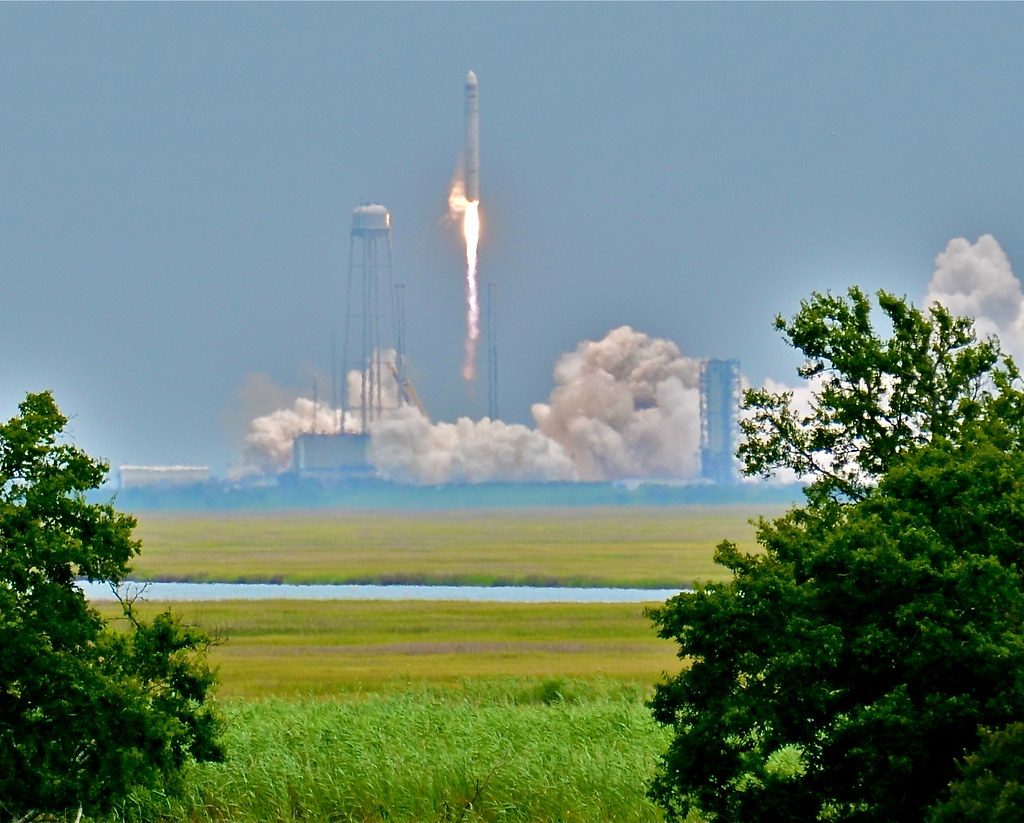
    Transporter-17 deployed the satellite into low Earth orbit, joining Planet's high-resolution Pelican fleet.

  6. Planet launches three Pelicans, including Sweden's first sovereign satellite

    Launch

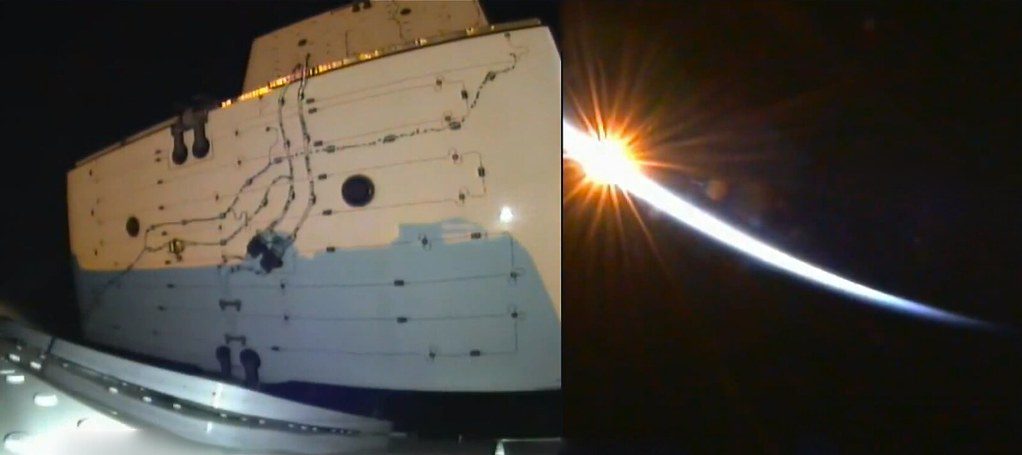
    Three Pelican spacecraft rode the CAS500-2 rideshare from Vandenberg. One is Sweden's first sovereign satellite; first light imagery came within days.

  7. Planet to withhold Iran war images indefinitely

    Policy

    Planet said it would release Iran war imagery only case-by-case for urgent or public-interest needs.

  8. Planet extends Middle East image delay to 14 days

    Policy

    Planet told customers it was extending the delay from four days to 14, citing control over tactical use by adversaries.

Scenarios

1

Planet's open feed keeps pace as its fleet grows

Likely Resolves by Sep 9, 2027

Discussed by: tech.marksblogg.com analysis, Hacker News commenters

If Planet keeps updating the TLE file at ephemerides.planet-labs.com as routine business, the open feed becomes a durable transparency baseline—a way for outsiders to verify fleet size and orbital health. The file already lists Pelican-11 alongside older satellites, so the pattern is in place.

2

Wartime image controls widen beyond the Middle East

Possible Resolves by Apr 5, 2027

Discussed by: Reuters

Reuters reported Planet's March delay extension and April Iran freeze. If the U.S.-Israeli conflict spreads or new flashpoints emerge, Planet could add delays over the Indo-Pacific or Eastern Europe. The pattern—temporary delays hardening into indefinite holds—is the mechanism to watch.

3

Independent trackers audit Planet's fleet using the feed

Possible Resolves by Mar 9, 2027

Discussed by: GCAT cross-reference in the Marksblogg post, Hacker News thread

The feed's utility is that anyone can cross-reference it against public catalogs like GCAT. A researcher or journalist could publish a full audit of Planet's active constellation—fleet composition, orbital health, decommissioning patterns—without any cooperation from the company. That would be a genuine transparency outcome.

4

Allied governments buy sovereign satellites from Planet

Possible Resolves by Jan 31, 2027

Discussed by: AP News coverage of Sweden's first sovereign satellite

Sweden's armed forces now fly a Planet Pelican as their first sovereign satellite. If other NATO members follow, defense work grows as a share of Planet's revenue. Planet's CEO already meets with NATO's secretary general.

Historical Context

3 moments from history that rhyme with this story — and how they unfolded.

February 1995

Corona declassification (1995)

The US government declassified roughly 860,000 images from the Corona spy-satellite program (1959-1972), making the first high-resolution overhead imagery of Earth public. The release also confirmed a reconnaissance program Washington had long denied.

Then

Researchers gained decades of historical landscapes, and the public saw what spy satellites had captured at the height of the Cold War.

Now

Declassification helped normalize civilian access to satellite imagery and opened the field for commercial operators.

Why this matters now

Every widening of public satellite data—Corona's release, free Landsat, Planet's open TLE feed—has expanded civilian access to what was once military-only.

October 2008

Landsat free-data policy (2008)

In 2008 the USGS and NASA made the full Landsat image archive, dating to 1972, free to download. Before that, a single scene cost hundreds of dollars and the data was largely confined to government researchers.

Then

Usage exploded; agriculture, water, and disaster agencies folded satellite data into routine operations.

Now

It seeded a commercial remote-sensing industry—Planet's founders among them—that now sells what was once classified or paywalled.

Why this matters now

Landsat established that broad open Earth data has civilian value. Planet's open TLE feed is the orbital-data cousin of that decision.

February-March 2022

Commercial imagery restrictions in Ukraine (2022)

After Russia's February 2022 invasion, Planet and Maxar clamped down on high-resolution imagery of Ukraine and Russia. Planet told customers it would stop sales over the region, worried the data could aid Russian targeting.

Then

Media and researchers lost real-time access to a war zone, while government buyers still received imagery.

Now

It established that commercial providers will curtail their own products during conflict—a policy Planet has now extended to the Middle East.

Why this matters now

The 2026 delays on Middle East imagery, and the indefinite Iran hold, are the same mechanism operating four years later.

Sources

(8)