

Pull to refresh
Logo
SpaceX launches fourth batch of SDA data transport satellites

SpaceX launches fourth batch of SDA data transport satellites

New Capabilities

21 Northrop Grumman satellites join the Space Force's proliferated LEO mesh network

Overview

Updated Oct 26

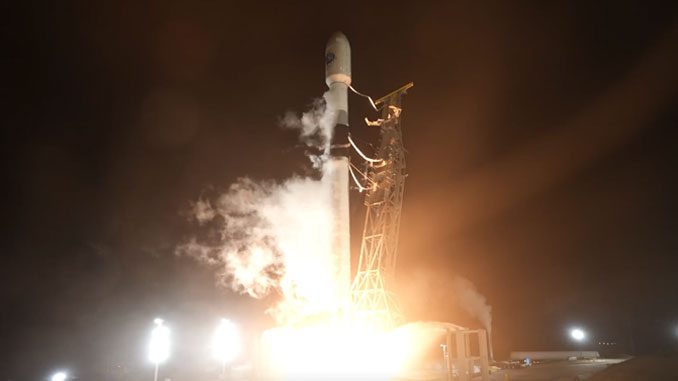
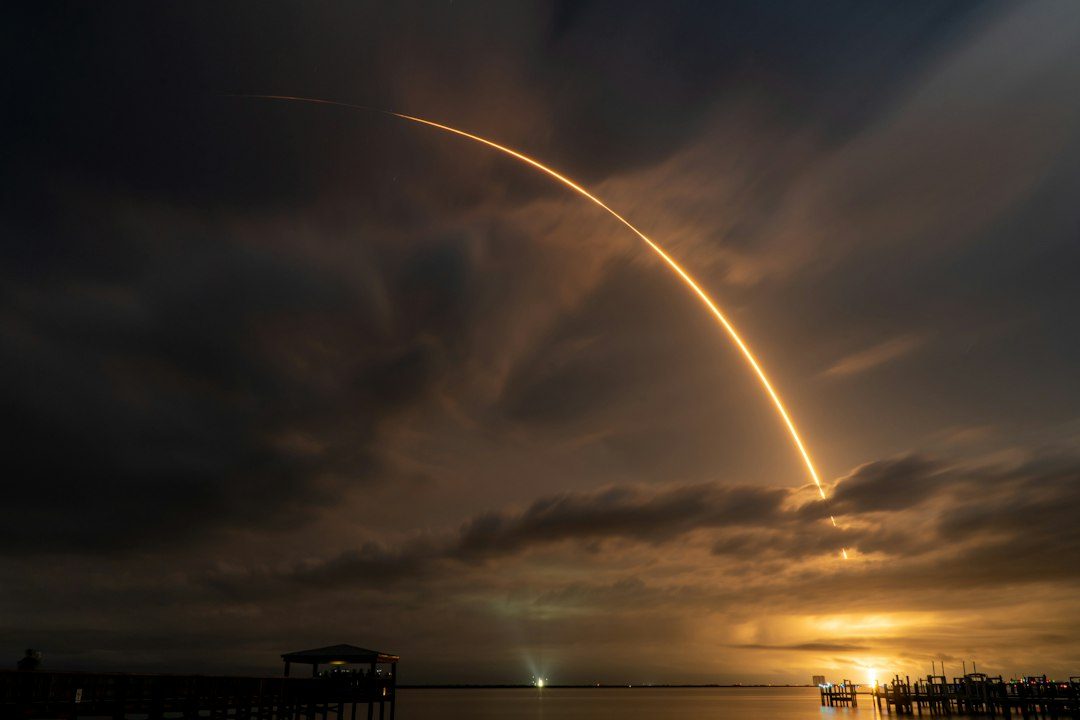
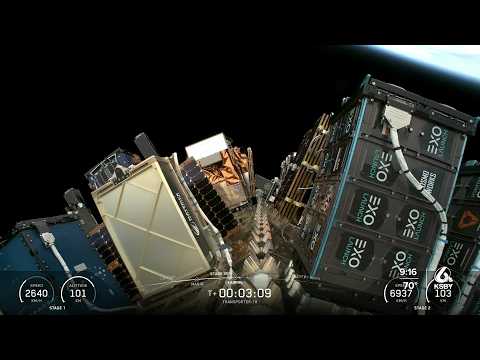
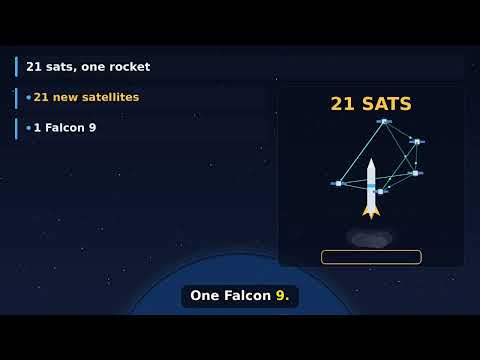
The Space Development Agency (SDA) launched the fourth batch of Tranche 1 data transport satellites on Oct. 10. The 21 Northrop Grumman-built spacecraft bring the total on orbit to 84 of 154 planned operational satellites.

Aviation Week reports that the 21 Lockheed Martin satellites launched in October 2025 are being handed to government control slowly, one or two at a time. Four had been transferred as of Oct. 4. SDA also says those satellites launched with fewer optical terminals than planned, and it has faced years of supply delays for them. SDA says the optical mesh network should be running within about six months.

Why it matters

This launch moves the Space Force closer to a resilient LEO mesh network that tracks missile threats and relays tactical data without relying on vulnerable ground infrastructure.

Questions about this story

Free account needed to ask — your question is kept and asked for you right after sign-up. Answers are public.

No questions yet — be the first to ask.

Key Indicators

84
Tranche 1 satellites on orbit after this launch
The fourth orbital plane brings the total to 84 of 154 planned operational satellites.
21
Satellites in this launch
All built by Northrop Grumman, its first Tranche 1 delivery.
154
Planned operational Tranche 1 satellites
126 transport layer plus 28 tracking layer spacecraft, with 4 missile defense demonstration satellites.
4
Orbital planes delivered
Fourth of nine launches in the Tranche 1 campaign.

Voices

Curated perspectives — historical figures and your fellow readers.

Sign up to generate historical perspectives on this story.

People Involved

Organizations Involved

Timeline

2019 June 2027

10 events Latest: October 10th, 2026 · 1 month ago
Tap a bar to jump to that date
  1. Full Tranche 1 deployment expected

    Upcoming Milestone

    SDA hopes to have all 154 Tranche 1 satellites in orbit by late spring 2027.

  2. First tracking layer mission expected

    Upcoming Launch

    SDA expects its first Tranche 1 tracking layer mission in December 2026 or early 2027.

  3. Fourth Tranche 1 orbital plane launched

    Latest Launch

    Falcon 9 launched 21 Northrop Grumman satellites from Vandenberg, bringing total on-orbit T1 satellites to 84.

  4. Northrop Grumman confirms second Tranche 1 plane planned

    Announcement

    Northrop Grumman said its first Tranche 1 satellites are deployed and a second plane of 21 is planned. The company is building about 150 space vehicles across Tranches 1, 2 and 3.

  5. Launch attempt aborted

    Launch

    Falcon 9's automated systems halted the countdown with 58 seconds remaining due to off-nominal Stage Two data.

  6. Four Lockheed Martin satellites handed to government control

    Milestone

    SDA Director GP Sandhoo said four of the 21 satellites in the October 2025 Lockheed plane had moved to government operations. Integration is slower because Lockheed's satellites launched with fewer optical terminals than planned.

  7. Northrop Grumman satellites delivered

    Logistics

    The 21 satellites were delivered to Vandenberg Space Force Base for the T1TL-A mission.

  8. SDA resumes Tranche 1 launches

    Launch

    SDA resumed Tranche 1 launches with York Space Systems' last 21 transport satellites after a pause.

  9. Sandhoo discloses checkout faults in first York, Lockheed satellites

    Disclosure

    SDA Director GP Sandhoo said initial Tranche 1 satellites from York Space Systems and Lockheed Martin had software and hardware faults during checkout, and propulsion problems left some York spacecraft short of their orbital planes.

  10. SDA established

    Founding

    SDA created to build a proliferated LEO satellite constellation for military communications and missile tracking.

Scenarios

1

SDA completes Tranche 1 constellation by late spring 2027

Likely Resolves by Q2 2027

Discussed by: SDA officials, Air & Space Forces Magazine

SDA plans to finish the last four launches and have all 154 Tranche 1 satellites in orbit by late spring 2027. The first tracking layer mission is expected in December 2026 or early 2027. If the remaining launches proceed on schedule, the constellation reaches full operational status.

2

Northrop Grumman satellites hit checkout problems after launch

Possible Resolves by Q1 2027

Discussed by: SDA Director GP Sandhoo

Sandhoo warned that checking out 21 satellites at once is 'a completely different ball of wax' compared to smaller batches. If Northrop's spacecraft encounter issues during launch and early operations, it could delay the transfer to SDA's operations center and slow the overall buildout.

3

A launch failure or major satellite malfunction disrupts the Tranche 1 campaign

Unlikely Resolves by End of 2027

Discussed by: Air & Space Forces Magazine, SpaceNews

The Tranche 1 campaign has nine launches total. A Falcon 9 failure or a widespread satellite malfunction could set the program back months and force SDA to rework its deployment plan. SDA has already seen technical challenges with Lockheed Martin's satellites, which have been slow to transfer to the operations center.

4

Three-vendor mesh fails to interoperate cleanly

Possible Resolves by Q2 2027

Discussed by: Defense Warroom analysis

The Northrop plane is a test of the PWSA's core premise: that spacecraft from three vendors, built to a common standard, can operate as one mesh. York and Lockheed hardware is still resolving on-orbit issues. A slow Northrop checkout would point to systemic integration risk, not a single-vendor problem. Missile tracking data only reaches interceptors if the mesh moves it with minimal delay.

5

Optical mesh network comes online by spring 2027

Possible Resolves by Apr 30, 2027

Discussed by: SDA Director GP Sandhoo, Aviation Week

Sandhoo said his team will spend the next six months getting the optically linked mesh network working. The mesh is what lets satellites pass missile-tracking and battlefield data to each other without ground relays.

Historical Context

2 moments from history that rhyme with this story — and how they unfolded.

May 1997 - May 1998

Iridium satellite constellation (1997-1998)

Iridium launched 66 satellites in 12 months starting in May 1997, the first attempt at a proliferated low Earth orbit communications constellation. Motorola and its partners raced to deploy the network before running out of cash.

Then

The constellation was fully deployed in 1998, but the company filed for bankruptcy in 1999 after failing to attract enough subscribers.

Now

Iridium's assets were sold for a fraction of their cost, but the constellation was revived and still operates today, proving the technical concept.

Why this matters now

Iridium showed both the promise and the risk of building a large LEO constellation quickly. SDA's Tranche 1 faces the same scaling challenge: deploying 154 satellites on a tight schedule.

February 1978 - April 1995

GPS constellation (1978-1995)

The U.S. Air Force built the Global Positioning System over 17 years, launching 24 satellites in stages. Early satellites proved the concept, but full operational capability took until 1995.

Then

GPS became the backbone of U.S. military navigation and targeting.

Now

GPS is now a global utility used by billions of civilians, and the military is still upgrading it.

Why this matters now

GPS shows how a military space constellation can become a lasting strategic asset. SDA's PWSA aims to do the same for tactical communications and missile tracking, but on a much faster timeline.

Sources

(11)