

Pull to refresh
Logo
Oklahoma City Council introduces rezoning for 10-acre urban farm

Oklahoma City Council introduces rezoning for 10-acre urban farm

Rule Changes Oklahoma City, OK local

City Council voted unanimously on October 13 to rezone the 10-acre farm, ending a contested review that drew neighborhood opposition

Overview

Updated Oct 31

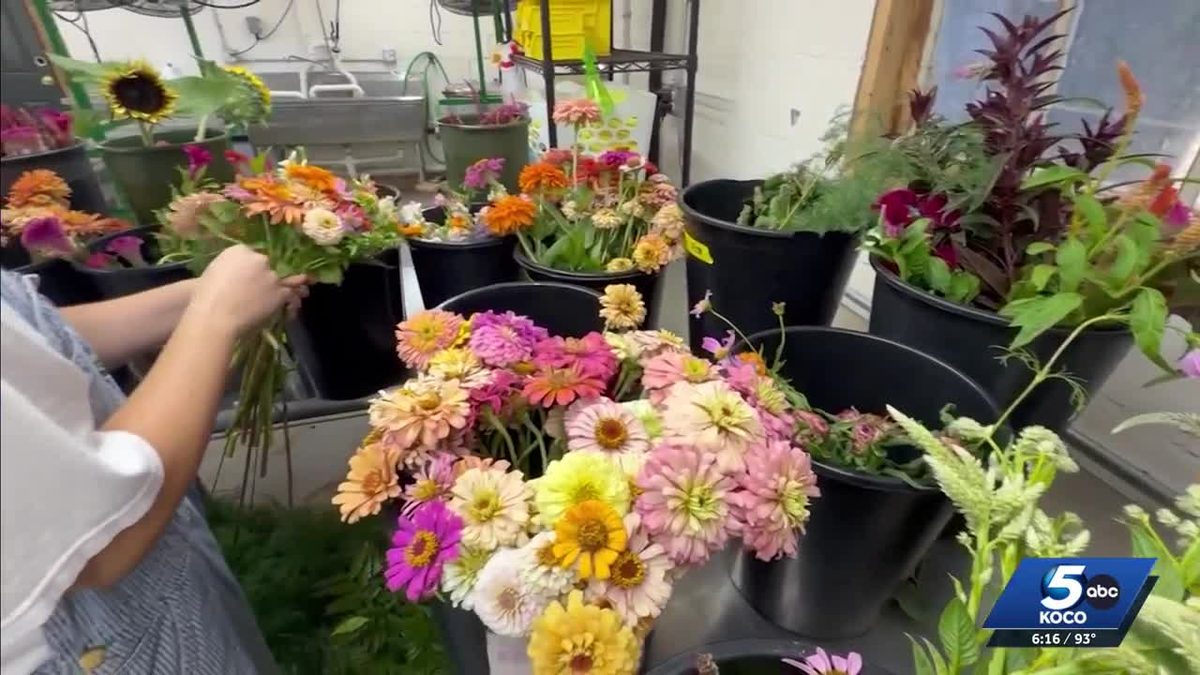
The Oklahoma City Council voted unanimously on October 13 to rezone Ralph's Ranch, a 10-acre urban farm at 2209 NE 100th Street, from single-family residential to a dedicated agricultural zone. The change lets owner Benjamin Birdwell keep growing vegetables and flowers and reopen the farm stand.

The Planning Commission had recommended approval 7-1 in August. Neighbors opposed the change over traffic, noise and earlier events at the property; Birdwell said parking and noise problems had been addressed. The farm also plans to supply produce through the OKC Food Hub to the Regional Food Bank of Oklahoma.

Why it matters

The decision lets a commercial farm operate inside an Oklahoma City residential neighborhood over neighbors' objections.

Questions about this story

Free account needed to ask — your question is kept and asked for you right after sign-up. Answers are public.

No questions yet — be the first to ask.

Key Indicators

10 acres
Property rezoned
The parcel at 2209 NE 100th Street changed from R-1 Single-Family Residential to AA Agricultural.
7-1
Planning Commission recommendation
The Commission recommended approval on August 27; the City Council adopted the change.
Unanimous
City Council vote
The Council approved the rezoning on October 13, 2026.

Voices

Curated perspectives — historical figures and your fellow readers.

Sign up to generate historical perspectives on this story.

People Involved

Organizations Involved

Timeline

August 2026 October 2026

3 events Latest: October 13th, 2026 · 4 weeks ago
  1. City Council unanimously approves urban farm rezoning

    Latest Hearing

    The Council voted to change the 10-acre property from single-family residential to AA Agricultural, allowing crop cultivation and a farm stand.

  2. City Council introduces rezoning ordinance

    Regulatory

    Council introduced ordinance to rezone 2209 NE 100th Street from R-1 Single-Family Residential to AA Agricultural.

  3. Planning Commission recommends approval 7-1

    Regulatory

    Commission voted 7-1 to recommend the urban farm rezoning to the City Council despite neighborhood opposition.

Scenarios

1

Council approves urban farm rezoning

Likely Resolves by Nov 30, 2026

Discussed by: Planning Commission's 7-1 vote and Oklahoma City's typical practice of following commission recommendations

The Council voted unanimously on October 13 to approve the rezoning, shifting the parcel to agricultural zoning and allowing the farm to operate.

2

Council denies the rezoning

Possible Resolves by Nov 30, 2026

Discussed by: Neighborhood residents who filed opposition letters citing unlicensed events, traffic, and well-water risks

The Council votes against the ordinance after the October 13 hearing, keeping the parcel R-1 Single-Family Residential. The urban farm cannot proceed as proposed.

3

Council approves with conditions

Possible Resolves by Nov 30, 2026

Discussed by: No named analysts; a middle path council members could take given the contested record

The Council approves the ordinance but attaches conditions limiting the types of agricultural uses allowed, addressing traffic and well-water concerns. The farm would operate with a narrower scope than Birdwell proposed.

Historical Context

2 moments from history that rhyme with this story — and how they unfolded.

September 2019

Oklahoma City Wilshire Boulevard rezoning (2019)

Developers sought to rezone 32 acres at 4600 E Wilshire Boulevard from AA Agricultural to medium-density residential for a new subdivision. The Planning Commission heard hours of opposition from neighbors concerned about traffic, terrain cuts, and septic systems.

Then

The Commission voted 5-2 to recommend approval, saying its role is to oversee land use propriety, not to protect residents from change.

Now

The vote reflected Oklahoma City's development-friendly posture and set a pattern for how contested rezoning requests move forward.

Why this matters now

The 2019 case shows Oklahoma City's Commission usually recommends approval even when neighbors organize in opposition, a signal for the current urban farm request.

1941-1945

Victory gardens (1941-1945)

During World War II, Americans grew food at private residences and on public lands in urban areas to reduce pressure on the food supply and feed their communities.

Then

Victory gardens became a mass national effort, embedding urban food production in American city life.

Now

Food production in cities became culturally rooted, but many municipal zoning codes still restrict agricultural uses in residential areas decades later.

Why this matters now

Oklahoma City's rezoning would permit a commercial farm in a residential zone, reversing a decades-old zoning pattern that keeps agriculture out of neighborhoods.

Sources

(11)