


Pull to refresh
Logo
Oklahoma City seeks rezoning for MAPS 4 Restoration Center

Oklahoma City seeks rezoning for MAPS 4 Restoration Center

Rule Changes Oklahoma City, OK local

Proposal includes supportive housing, faces neighborhood opposition

August 13th, 2026: Planning Commission hears Restoration Center rezoning

Overview

Updated Aug 27

Oklahoma City wants to put a mental health and addiction center with 40 supportive housing units on a 2.6-acre industrial lot. The city filed to rezone the site, but neighbors and the Metro Park neighborhood association say the area already has too many social services and a detox near bars is a bad fit.

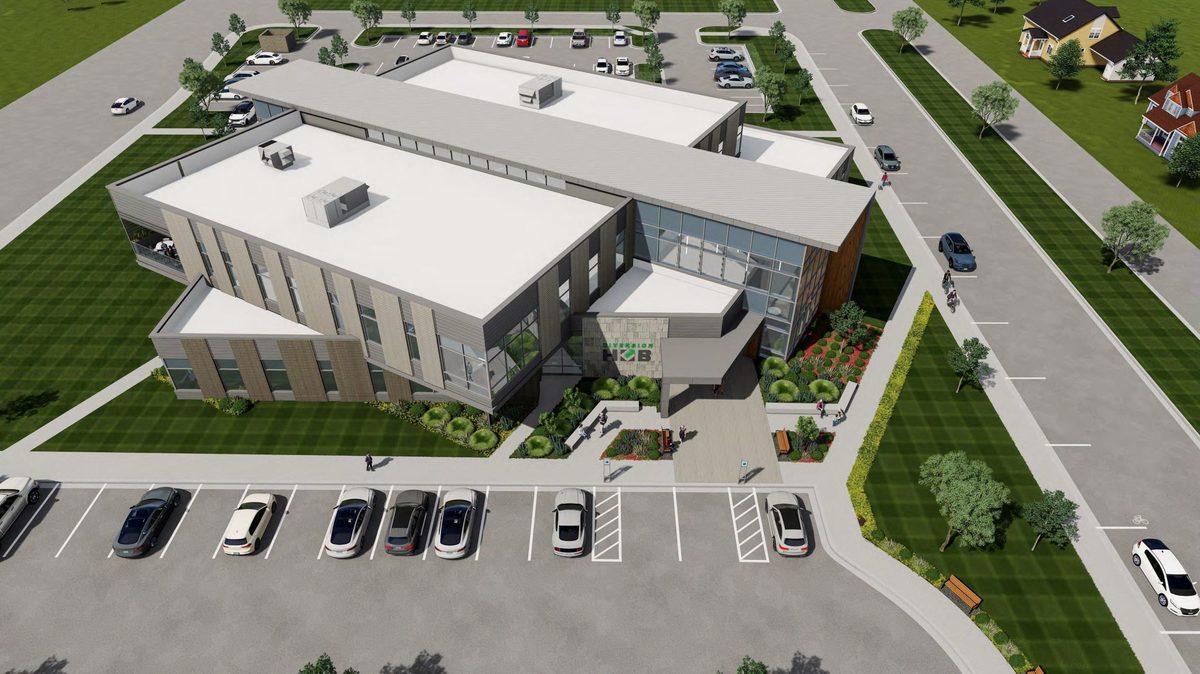
The rezoning request heads to the Planning Commission on August 13. If approved, it would create a 16-bed crisis stabilization unit, detox services, and housing for people in recovery. The project is part of MAPS 4, a $1.1 billion voter-approved program that also funds a separate crisis center on the OU Health Sciences campus.

Why it matters

Approval would bring a 16-bed crisis unit and 40 housing units to an overloaded neighborhood; denial could delay MAPS 4 mental health expansion.

Questions about this story

Free account needed to ask — your question is kept and asked for you right after sign-up. Answers are public.

No questions yet — be the first to ask.

Key Indicators

$18.5M
Restoration Center budget
Allocation from MAPS 4 for the facility and supportive housing.
40
Supportive housing units
Planned units for people exiting treatment.
16
Crisis stabilization beds
Short-term psychiatric holds, up to seven days.
2.6 acres
Site area
Industrial land at 1120 NW 6th St.

Voices

Curated perspectives — historical figures and your fellow readers.

Ever wondered what historical figures would say about today's headlines?

Sign up to generate historical perspectives on this story.

People Involved

Organizations Involved

Timeline

December 2019 August 2026

5 events Latest: August 13th, 2026 · 1 month ago
Tap a bar to jump to that date
  1. Planning Commission hears Restoration Center rezoning

    Latest Hearing

    City seeks SPUD-1854 rezoning for 2.6 acres at 1120 NW 6th St.; neighbors and Metro Park association protest.

  2. Groundbreaking for Robert Ravitz Crisis Center

    Construction

    City breaks ground on $12 million crisis center, a separate but related MAPS 4 project, at OU Health Sciences campus.

  3. City Council receives Restoration Center design

    Report

    Architect presents preliminary design for a 34,000-square-foot building with 16 crisis stabilization beds and outpatient spaces.

  4. NorthCare selected to operate Restoration Center

    Decision

    City picks nonprofit NorthCare as operating partner for the planned mental health and addiction facility.

  5. Oklahoma City voters approve MAPS 4

    Election

    Voters approve a 1-cent sales tax to fund $1.1 billion in projects, including new mental health services.

Scenarios

1

Rezoning approved, Restoration Center built as planned

Likely Resolves by End of 2026

Discussed by: City officials, MAPS 4 advocates

The Planning Commission recommends approval and the City Council votes to rezone the property. Construction starts after design completion in 2027, with the center opening by 2028. The dispute fades as the facility operates.

2

Rezoning denied, project delayed or relocated

Possible Resolves by End of 2026

Discussed by: Neighborhood opponents, some planning commission members

The Planning Commission votes against the rezoning due to community opposition, or the City Council rejects it. The city must redesign the proposal, find a new site, or scale back the housing component. This could postpone the project by years.

3

Rezoning approved with conditions, scaled-back facility

Possible Resolves by Q1 2027

Discussed by: Compromise-seeking council members

The city and opponents negotiate. The council approves the rezoning but adds conditions: fewer housing units, larger buffer zones, limited operational hours, or additional security requirements. The facility moves forward but with modifications.

Historical Context

2 moments from history that rhyme with this story — and how they unfolded.

July 1985

City of Cleburne v. Cleburne Living Center (1985)

Cleburne, Texas required a special use permit for a group home for people with intellectual disabilities, but not for similar facilities like boarding houses. The developer sued, and the Supreme Court ruled the zoning law violated the Equal Protection Clause because it was based on irrational prejudice.

Then

Cleburne's permit denial was struck down, and the group home opened.

Now

The precedent strengthened the right to place community-based care facilities without discriminatory zoning.

Why this matters now

It shows how zoning can be used to exclude social services and that courts may limit such exclusions. Here, the city is trying to add a facility, but opponents want to use zoning to block it.

September 1988

Fair Housing Act Amendments of 1988

Congress added people with disabilities to the Fair Housing Act, prohibiting discrimination in housing and requiring reasonable accommodations for group homes. This legal change encouraged deinstitutionalization and community-based facilities.

Then

Disability advocates gained a tool to fight local zoning restrictions.

Now

It led to waves of NIMBY conflicts as providers opened group homes; courts often sided with providers when cities used zoning to block them.

Why this matters now

The Restoration Center and supportive housing are community-based services. The reasonable accommodation requirement may influence how Oklahoma City handles the opposition.

Sources

(9)