Pull to refresh
Logo
Daily Brief
Following
Why Ranks Sign Up
Nvidia enters Windows PC chip market with N1X Arm processor

Nvidia enters Windows PC chip market with N1X Arm processor

New Capabilities

Co-designed with MediaTek and officially named RTX Spark, the chip pairs a 20-core Arm CPU with a Blackwell GPU, and Nvidia has mapped two successor generations through 2030.

June 6th, 2026: Supply chain reports peg N1X laptop floor price at $2,899

Overview

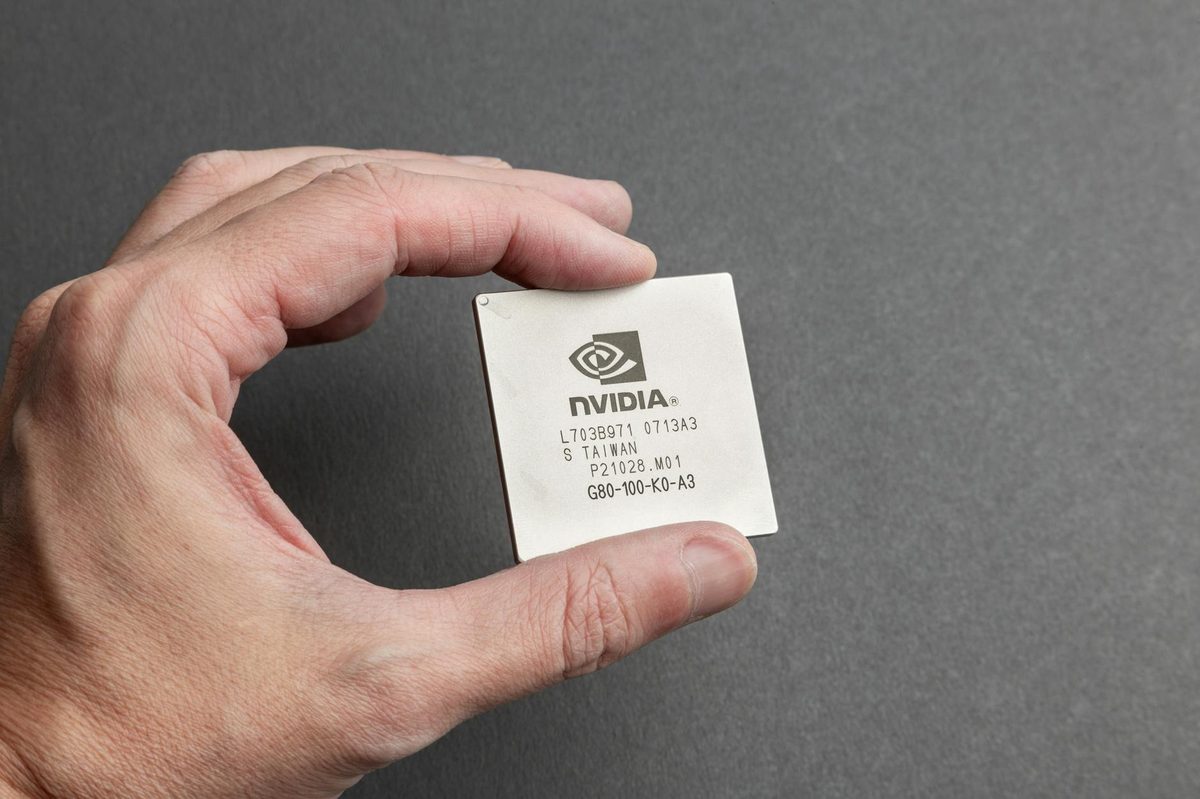
On June 1 in Taipei, Nvidia CEO Jensen Huang unveiled what the company is calling the RTX Spark Superchip, a 20-core Arm processor co-designed with MediaTek carrying a Blackwell GPU with 6,144 CUDA cores. Microsoft confirmed Windows on Arm support the same morning. ASUS, Dell, HP, Lenovo, Microsoft Surface, and MSI committed to shipping RTX Spark laptops this fall, with Acer and GIGABYTE announced as follow-on brands.

Microsoft also revealed its own device at the keynote: the Surface Laptop Ultra, a 15-inch mini-LED laptop with up to 128 GB of unified memory. Notebookcheck reported that N1X systems are expected to start around $2,899, placing RTX Spark laptops against the MacBook Pro rather than mainstream Windows machines. Nvidia disclosed a three-generation roadmap at the same event, with Rubin arriving in 2027 and Rosa Feynman in 2029.

Why it matters

At about $2,899 to start, RTX Spark asks whether native CUDA on Windows is worth a $900 premium over a MacBook Pro.

Questions about this story

0

There are already arm windows CPU’s, correct? Are they able to run 100% of windows software?

Yes, Arm Windows PCs have been on sale since mid-2024 — but they run roughly 93% of software, not 100%, with competitive games and a handful of legacy tools still broken.

Why it matters: The remaining gaps are exactly the catch Nvidia's N1X faces at launch: it relies on the same Microsoft Prism emulation layer Qualcomm has been navigating for two years.

  • Qualcomm's Snapdragon X Elite shipped in June 2024 as the first Arm-only Windows laptop chip; Nvidia's N1X, announced today, is the second entrant.
  • Microsoft's Prism emulator handles x86/x64 apps with roughly 10–15% performance overhead, which is largely unnoticeable on day-to-day tasks on modern chips.
  • Known hard blockers: games using kernel-level anti-cheat (Fortnite, some competitive titles), certain Adobe tools (Dreamweaver, After Effects), and hardware utilities requiring bespoke drivers (Corsair iCUE, Core Temp).
  • Community-tracked lists at windowsonarm.org and worksonwoa.com document 5,000+ apps — a practical resource for checking a specific title before buying.
Room for disagreement
  • Microsoft and Qualcomm emphasize that 90%+ of user time is spent in apps that already run natively, framing compatibility as essentially solved; independent reviewers and enterprise IT teams counter that the remaining gaps — anti-cheat, legacy drivers, certain creative tools — are precisely the high-stakes software that blocks broad adoption.
AI-generated with web search — may be wrong. Check the linked sources.
Key Indicators

6,144
CUDA cores on the RTX Spark GPU
Same shader count as the desktop GeForce RTX 5070, inside a laptop with up to 128 GB of unified LPDDR5X memory.
20
Arm CPU cores
Ten Cortex-X925 performance cores and ten Cortex-A725 efficiency cores, co-designed with MediaTek on TSMC 3nm.
8
OEM brands launching RTX Spark devices
ASUS, Dell, HP, Lenovo, Microsoft Surface, and MSI at fall 2026 launch; Acer and GIGABYTE to follow with more than 30 laptop models planned.
~$2,899
Reported floor price for N1X systems
Post-Computex supply chain reports cited by Notebookcheck; entry-level N1 models reportedly starting near $1,799.

Voices

Curated perspectives — historical figures and your fellow readers.

Ever wondered what historical figures would say about today's headlines?

Sign up to generate historical perspectives on this story.

Play

Exploring all sides of a story is often best achieved with Play.

Log in to play. Track your picks, climb the leaderboards. Log in Sign Up
Predict 5 ways this could play out. Contrarian picks score more — points lock when the scenario resolves. Log in to play
Higher or Lower Two numbers from this story. Guess which is bigger. 5 rounds to set a streak. Log in to play
Timeline Five events from this story — drag them oldest to newest. Log in to play
Connections Sixteen names from the news. Find the four hidden groups of four. Log in to play

People Involved

Organizations Involved

Timeline

October 2023 June 2026

12 events Latest: June 6th, 2026 · 1 month ago Showing 8 of 12
Tap a bar to jump to that date
  1. Supply chain reports peg N1X laptop floor price at $2,899

    Latest Market data

    Reports from Notebookcheck and VideoCardz, citing supply chain sources, put the floor price for RTX Spark N1X systems around $2,899. Entry-level N1 models reportedly start near $1,799. PCWorld flagged the pricing as a headwind for mainstream adoption.

  2. CNBC: Huang frames RTX Spark as bid to own every layer of AI stack

    Analysis

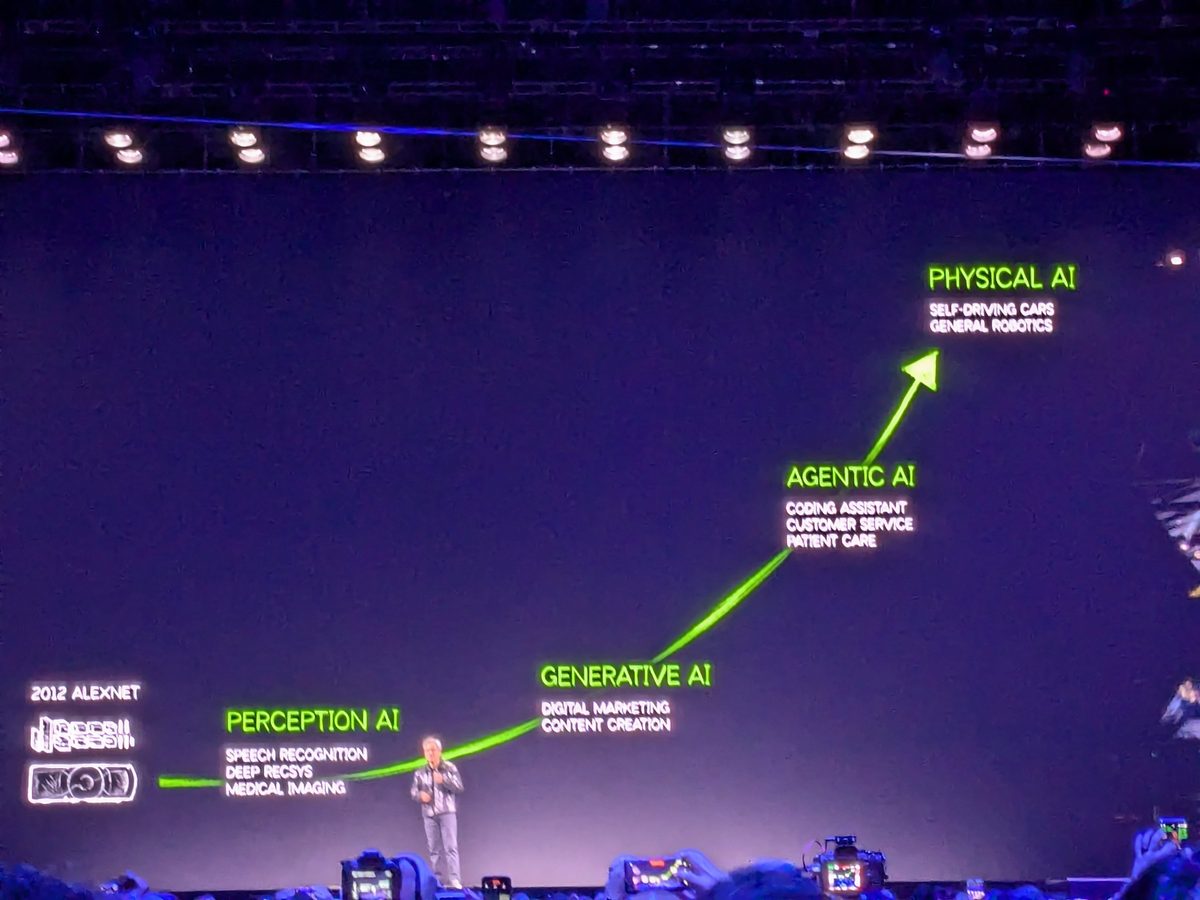
    In post-Computex coverage, CNBC reported Huang describing RTX Spark as part of Nvidia's strategy to extend CUDA from data centers to consumer devices, reaching what the company calls the AI edge.

  3. Jensen Huang unveils N1X at Computex Taipei

    Product launch

    Huang reveals the Nvidia-MediaTek N1X with a Blackwell GPU. Microsoft confirms Windows on Arm support. Dell, HP, ASUS, Lenovo and MSI commit to holiday-season laptops.

  4. Nvidia brands N1X as RTX Spark Superchip with eight OEM partners

    Product launch

    Nvidia gave the N1X its commercial name at Computex: RTX Spark Superchip. Eight OEM brands were confirmed, including Microsoft Surface alongside the original five, with Acer and GIGABYTE to follow; more than 30 laptop models and 10 compact desktops are planned for fall.

  5. Microsoft announces Surface Laptop Ultra on RTX Spark

    Product announcement

    Microsoft revealed the Surface Laptop Ultra at Computex: a 15-inch mini-LED laptop with up to 128 GB of unified memory and 1 petaflop of AI compute. It is Microsoft's first laptop built on the RTX Spark platform.

  6. Nvidia discloses three-generation RTX Spark roadmap through 2030

    Strategy

    At Computex, Nvidia revealed that Rubin (LPDDR6 memory) follows in 2027-28 and Rosa Feynman in 2029-30. The roadmap commits Nvidia to the Windows on Arm platform through at least 2030.

  7. Intel falls 6%, AMD drops 5% at market open

    Market reaction

    Nvidia's entry into PC processors sent Intel and AMD shares lower at the New York open on June 1. Nvidia climbed roughly 4% on the day.

  8. Nvidia and Microsoft tease 'a new era of PC'

    Marketing

    Coordinated social posts from both companies set up a joint announcement at Jensen Huang's Computex keynote.

  9. N1X specs leak ahead of Computex

    Leak

    Industry sites publish full N1X die layout: 20 Arm cores, 6,144 CUDA cores, TSMC 3nm, up to 128 GB LPDDR5X.

  10. Snapdragon X captures 0.8% of PC market in Q3

    Market data

    Canalys data shows Arm Windows chips reached 720,000 units, a modest start that left x86 above 99% share.

  11. Qualcomm ships Snapdragon X Elite

    Product launch

    First Arm-only Windows laptops reach retail under Microsoft's new Copilot+ PC label, setting the bar Nvidia would later target.

  12. Reuters reports Nvidia is building Windows PC CPUs

    Industry report

    Reuters reveals Nvidia and AMD are designing Arm-based PC CPUs to compete with Intel, with first chips expected by 2025.

Historical Context

3 moments from history that rhyme with this story — and how they unfolded.

June 2020 to June 2023

Apple Silicon M1 transition (2020)

Apple announced at WWDC 2020 that the Mac would leave Intel for in-house Arm chips. The M1 MacBook Air shipped that November, drawing 7 watts at idle versus 20 for its Intel predecessor. Apple finished the transition with the Mac Pro in June 2023.

Then

M1 Macs got near-universal acclaim and a roughly 50% battery-life improvement. Rosetta 2 translated most x86 apps cleanly enough that consumers barely noticed the switch.

Now

Apple proved Arm could win the laptop on performance per watt, not just power efficiency. The success made Windows-on-Arm credible as a project and pulled MediaTek, Qualcomm and now Nvidia into the same chase.

Why this matters now

Apple did with one company what Nvidia and Microsoft are trying to do across an ecosystem. The M1 set the performance-per-watt bar N1X reviews will be measured against, and Rosetta 2 set the compatibility bar Microsoft's Prism layer has to clear.

June 2024

Snapdragon X Elite launch (2024)

Qualcomm shipped the Snapdragon X Elite as the first Arm chip designed for Windows laptops, anchoring Microsoft's new Copilot+ PC label. Dell, HP, Lenovo, ASUS, Microsoft and Samsung all shipped X Elite devices at launch.

Then

Snapdragon X captured 0.8% of PC shipments in Q3 2024 — about 720,000 units. Reviews praised battery life but flagged gaming and pro-app incompatibility under Prism translation.

Now

Qualcomm reached double-digit share in the US over-$800 segment by December 2024 and is rolling out a second-generation X2 family through 2026. The X Elite proved Arm Windows could ship at scale, even if it didn't break x86.

Why this matters now

Snapdragon X is the closest analog and the most direct competitor. Its mixed reception is exactly the trap N1X needs to avoid, and its app-compatibility ceiling is the constraint Nvidia and Microsoft have to break.

October 2012 to January 2015

Windows RT (2012)

Microsoft launched Windows RT on Arm chips alongside the original Surface, intending to bring Windows to tablet-class power budgets. RT could not run any legacy x86 desktop software, only apps from the new Windows Store.

Then

Microsoft took a $900 million Surface RT inventory writedown in 2013. OEMs that built RT devices, including Dell and Lenovo, exited the category within a year.

Now

Windows RT was discontinued and became Microsoft's warning case for any Arm-on-Windows project. The Prism translation layer in 2024 was a direct response to the RT compatibility failure.

Why this matters now

RT shows what happens when Windows on Arm ships without working x86 software. The reason Microsoft's emulator quality matters more than the silicon is that history.

Sources

(18)