
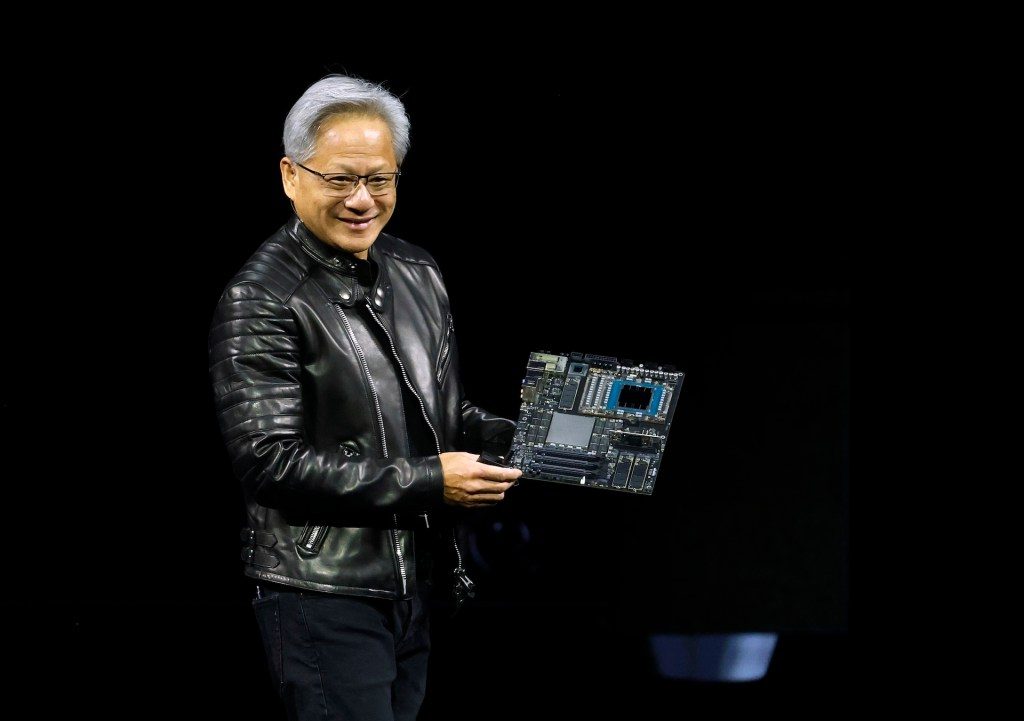
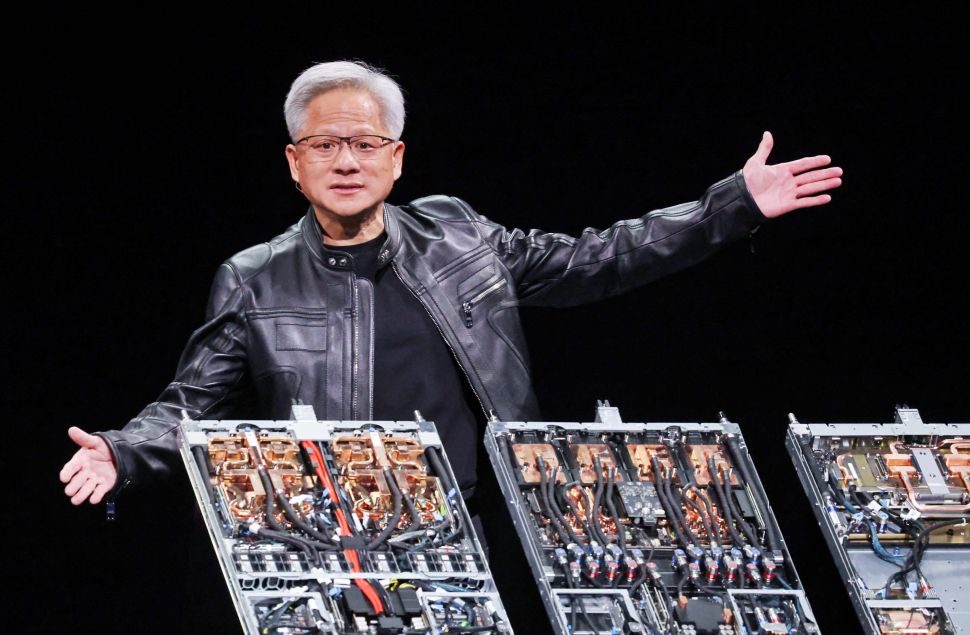
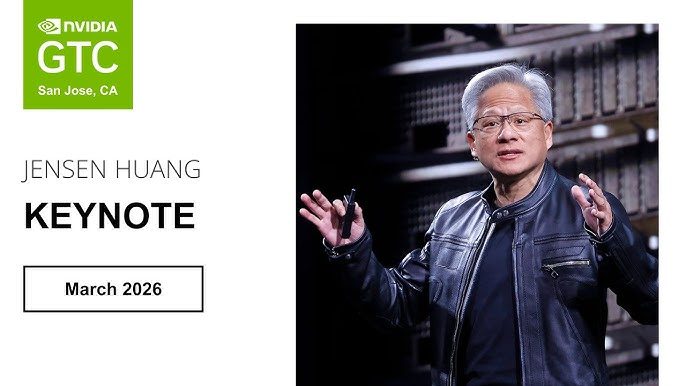
Nvidia has spent four years on an annual architecture cadence that no semiconductor company has sustained before. At GTC 2026, chief executive Jensen Huang unveiled the Vera Rubin platformβa system built around a single graphics processing unit that delivers 50 petaflops of inference compute, roughly five times the performance of its Blackwell predecessor, while claiming to cut the cost of generating each AI token by a factor of ten. In the same keynote, Huang launched NemoClaw, an open-source software platform that lets any company deploy autonomous AI agents across its operations without being locked into a specific cloud provider's hardware.
The announcements mark a shift in Nvidia's competitive strategy. For the past three years, the company has dominated AI hardware with roughly 85 percent of the accelerator market. Now, as Google, Amazon, Microsoft, and OpenAI all design custom chips to reduce their dependence on Nvidia silicon, Huang is layering software platforms on top of hardware to make Nvidia's ecosystem harder to leave. The Vera Rubin platform ships in the second half of 2026. A gigawatt-scale deployment deal with Mira Murati's Thinking Machines Lab signals where the first systems will land.