


Pull to refresh
Logo
Oslo bans smart glasses in schools, citing Meta data collection

Oslo bans smart glasses in schools, citing Meta data collection

Rule Changes

Norwegian capital targets camera-equipped AI wearables as national regulators weigh stricter rules

2 days ago: Oslo publicly announces the school ban

Overview

Updated Yesterday

Oslo banned smart glasses in its schools this week. The ban covers the entire school day at every grade level and took effect August 27, though the city only announced it September 10. The delay came from the political truce that followed King Harald V's death on August 28.

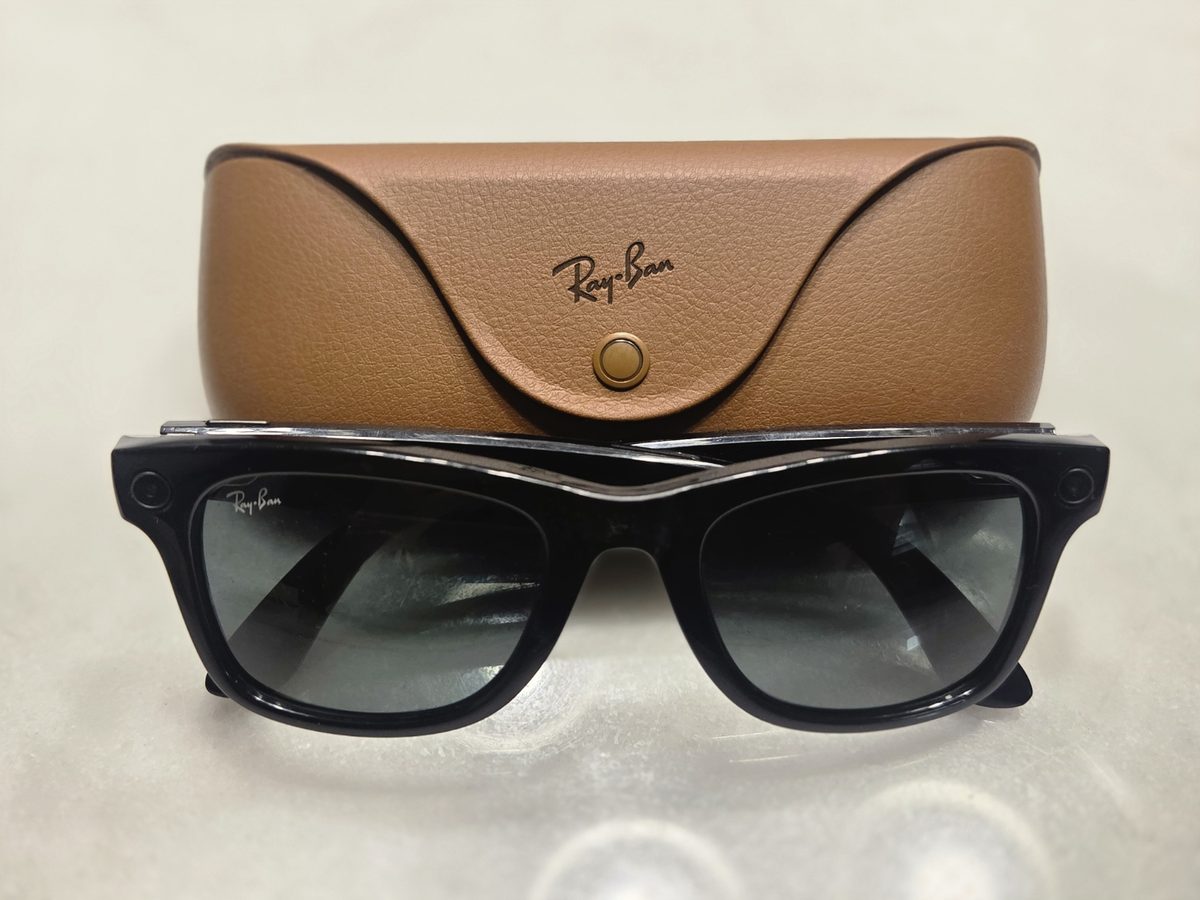
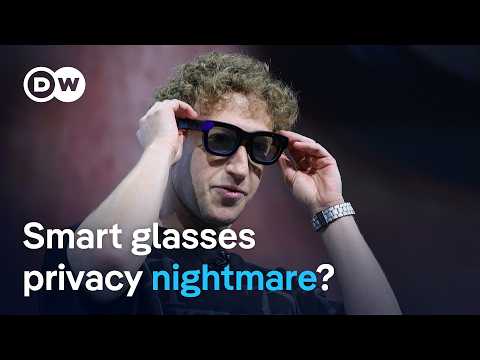
Oslo's education chief, Julie Remen Midtgarden, put the reasoning bluntly: children should not become "extras in Meta's data collection." The target is camera-equipped AI wearables like Meta's Ray-Ban glasses, which can film, record audio, and run Meta AI on whatever the wearer sees. The city is one piece of a wider Norwegian push to regulate the devices before they become widespread.

Why it matters

If Norway's push spreads, camera-equipped smart glasses could face restrictions across Europe, not just in classrooms.

Questions about this story

Free account needed to ask — your question is kept and asked for you right after sign-up. Answers are public.

No questions yet — be the first to ask.

Key Indicators

100%
School day covered by the ban
The Oslo ban applies throughout the entire school day, from arrival to dismissal.
All levels
Education levels covered
The ban applies at every level of schooling, from primary through upper secondary.
27 Aug 2026
Effective date of the school ban
The ban was in force for two weeks before the city publicly announced it.

Voices

Curated perspectives — historical figures and your fellow readers.

Ever wondered what historical figures would say about today's headlines?

Sign up to generate historical perspectives on this story.

People Involved

Organizations Involved

Timeline

January 2024 September 2026

8 events Latest: 2 days ago
Tap a bar to jump to that date
  1. Oslo publicly announces the school ban

    Latest Rule Change

    Oslo confirms it banned smart glasses in schools, saying children should not be "extras in Meta's data collection."

  2. Norway weighs camera-wearable restrictions

    Policy

    Digital minister Karianne Tung says the government is looking to regulate camera-enabled wearables from Meta and Snap.

  3. King Harald V dies, delaying announcement

    Context

    Norway's King Harald V dies, triggering a political truce that postpones public announcement of the ban.

  4. Oslo school ban takes effect

    Rule Change

    Oslo's smart glasses ban goes into force across all schools and education levels, covering the entire school day.

  5. Education minister asks schools to ban AI glasses

    Policy

    Kari Nessa Nordtun asks municipalities to prohibit AI-enabled glasses in local school rules, citing privacy and consent concerns.

  6. Digitalisation minister plans stricter rules

    Policy

    Karianne Tung announces stricter smart glasses regulation, an expert group, and possible bans on facial recognition in public spaces.

  7. Privacy regulator demands urgent assessment

    Regulatory

    Datatilsynet formally asks the government to assess whether smart glasses need specific regulation, proposing measures from school restrictions to sales limits.

  8. Norwegian education directorate restricts phones and smartwatches

    Policy

    Directorate recommends strict limits on private phones and smartwatches in schools, from primary through upper secondary.

Scenarios

1

AI glasses join phones as restricted tech in Norwegian classrooms

Likely Resolves by End of 2026

Discussed by: Education minister Kari Nessa Nordtun; the Norwegian Directorate for Education and Training

Municipalities and individual schools across Norway add explicit smart glasses bans to their local school rules, following the education minister's August 25 request. The Oslo ban becomes the template. No national law is passed, but the devices are effectively excluded from Norwegian classrooms everywhere.

2

Norway passes national law restricting smart glasses functions

Possible Resolves by Q2 2027

Discussed by: Digitalisation minister Karianne Tung; Datatilsynet; the Justice Ministry

The expert group Tung announced delivers recommendations, and the government moves from relying on existing privacy laws to drafting specific rules. The likely target is not an outright ban but restrictions on functions like facial recognition of other people in public spaces. A proposed law would need to pass the Norwegian parliament.

3

Norway halts smart glasses sales during review

Unlikely Resolves by End of 2026

Discussed by: Datatilsynet director Line Coll

Datatilsynet's proposal for a temporary sales stop gains traction, and the government finds a legal basis to pause smart glasses sales in Norway while the expert group studies the devices. This is the most aggressive option and the one with the most uncertain legal footing — the regulator itself has said it has not established whether Norway has the authority to impose such a ban.

Historical Context

3 moments from history that rhyme with this story — and how they unfolded.

2013–2014

Google Glass privacy backlash (2013–2014)

Google sold early versions of Glass, camera-equipped eyewear, to a limited "Explorer" program. Wearers were nicknamed "Glassholes" as bars, casinos, and gyms banned the device over surreptitious recording fears.

Then

Google pulled Glass from the consumer market in January 2015 after the backlash.

Now

The episode established that body-worn cameras raise privacy questions that venues and regulators answer with bans. Meta's Ray-Ban glasses face the same dynamic a decade later.

Why this matters now

Meta's smart glasses trigger the same bystander-privacy concerns Google's did — and Norway's response mirrors the venue-level bans that helped kill consumer Glass.

July 2018

France's school phone ban (2018)

France banned mobile phones in primary and middle schools, applying the restriction during classes and, for younger students, during breaks. The law covered roughly 7 million students.

Then

Schools gained authority to confiscate phones, though enforcement varied widely by school.

Now

France became a reference point for state-level tech restrictions in classrooms, and the debate spread across Europe.

Why this matters now

Oslo's ban extends the same logic — restricting personal technology in schools to protect children — from phones to camera-equipped AI wearables.

November 2024

Australia's under-16 social media ban (2024)

Australia passed a law barring children under 16 from most social media platforms, with fines for companies that fail to enforce age limits. It was one of the strictest national restrictions on children's technology use worldwide.

Then

Platforms faced enforcement deadlines and age-verification requirements.

Now

It gave other governments a template for restricting tech companies in the name of child protection, arguing that parental consent is not enough when platforms monetize children's attention and data.

Why this matters now

Oslo's framing — that children should not be data subjects for Meta — echoes Australia's argument that children need structural protection from platforms, not just parental supervision.

Sources

(10)