

Pull to refresh
Logo
Fannie Mae and Freddie Mac tighten mortgage rules for New York City rent-regulated buildings

Fannie Mae and Freddie Mac tighten mortgage rules for New York City rent-regulated buildings

Rule Changes New York, NY local

A report says the two government-backed lenders made refinancing harder after Mamdani's rent freeze. The FHFA director denies a lending freeze.

Overview

Updated 3 days ago

A Nov. 2 report said Fannie Mae tightened underwriting for New York City rent-regulated apartment buildings and Freddie Mac paused new loans. The report said Fannie assumed rents would stay flat for four to eight years and operating costs would rise at least 5% a year.

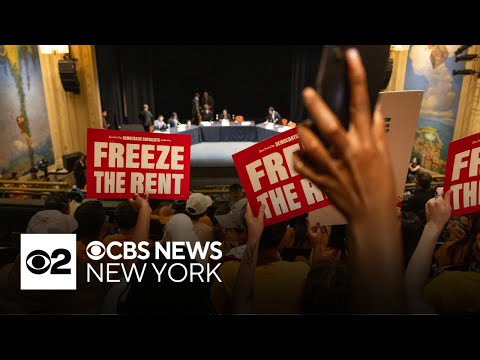
Federal Housing Finance Agency Director Bill Pulte called the report 'Fake News' and said Freddie Mac had not frozen lending. Freddie Mac said it still quotes loans on some rent-stabilized properties. Landlords with mortgages coming due still face much less borrowing capacity than they had before the rent freeze.

Why it matters

If owners cannot refinance, they may delay repairs, putting roughly one million rent-stabilized apartments at risk.

Last Monday's email for New York, NY

Sent Nov 9. It carried:

Get next Monday's: one short email a week. Free. Unsubscribe in one click.

Questions about this story

Free account needed to ask — your question is kept and asked for you right after sign-up. Answers are public.

No questions yet — be the first to ask.

Key Indicators

1 million
Rent-stabilized apartments in NYC
Nearly one million units are subject to rent stabilization.
50%
CPC loan reduction
Community Preservation Corp will make half as many loans for fully affordable New York City properties, its CEO said.
5%
Assumed annual expense growth
Fannie Mae's reported underwriting assumes expenses rise at least 5% per year.
10%
Expected rent collection shortfall
Community Preservation Corp doubled its expected loss to 10%.
9%
Agency share of NYC rent-regulated lending in 2025
Government-backed lenders accounted for 9% of originations in 2025, down from nearly 15% in 2024, according to Atrium Data.

Voices

Curated perspectives — historical figures and your fellow readers.

Sign up to generate historical perspectives on this story.

People Involved

Organizations Involved

Timeline

June 2019 November 2026

5 events Latest: November 2nd, 2026 · 1 week ago
Tap a bar to jump to that date
  1. Report says Fannie Mae and Freddie Mac tightened rules

    Latest Rule Change

    The City Reporter reported that Fannie Mae tightened underwriting and Freddie Mac paused new loans for rent-regulated buildings. Both later disputed parts of the report.

  2. FHFA director denies lending freeze

    Response

    Bill Pulte called The City Reporter's report 'Fake News' and said Freddie Mac has not frozen lending on rent-stabilized properties. Freddie Mac said it still quotes loans on those buildings.

  3. Rent Guidelines Board approves rent freeze

    Policy

    Rent Guidelines Board approves rent freeze for two-year leases.

  4. Signature Bank collapses

    Financial

    Signature Bank collapses, partly due to distressed rent-stabilized loans.

  5. New York passes law limiting rent increases

    Legislation

    New York passes law limiting rent increases and eliminating vacancy bonuses.

Scenarios

1

Foreclosure wave hits rent-stabilized buildings

Likely Resolves by Q2 2027

Discussed by: Housing advocates and lenders

Without refinancing, older all-rent-regulated buildings face foreclosure. Lenders could take over properties or sell them at steep discounts, leading to disrepair or conversion to market rate.

2

City expands subsidies to preserve affordable housing

Possible Resolves by End of 2027

Discussed by: Deputy Mayor Leila Bozorg and housing advocates

The city could increase subsidies or create new financing tools to help affordable buildings refinance. Bozorg says the city is prepared to work with partners, but most initiatives are early.

3

Fannie and Freddie adjust rules after market stabilizes

Unlikely Resolves by Q2 2027

Discussed by: Lenders and policy analysts

If the rent freeze is modified or if market conditions change, Fannie and Freddie could revise their underwriting standards. Freddie Mac says it continuously reviews conditions.

Historical Context

2 moments from history that rhyme with this story — and how they unfolded.

June 2019

New York's 2019 rent law overhaul

The state passed the Housing Stability and Tenant Protection Act, eliminating vacancy bonuses and limiting rent increases for stabilized units. Landlords said the law made it harder to cover rising costs.

Then

Lending for rent-regulated buildings slowed as expected income growth fell.

Now

Property values dropped, and some lenders exited the market, leaving Fannie Mae and Freddie Mac as major sources of financing.

Why this matters now

The 2019 law set the stage for the current crisis by reducing landlords' ability to raise rents, making them more vulnerable to a freeze.

March 2023

Signature Bank collapse (2023)

Signature Bank failed after a run on deposits. Its loan portfolio was heavily concentrated in rent-stabilized buildings, which became distressed after the 2019 rent law.

Then

Regulators seized the bank. New York Community Bank acquired some assets but exited rent-stabilized lending.

Now

The collapse highlighted the risks of lending to rent-regulated buildings and accelerated the retreat of private lenders.

Why this matters now

It shows how quickly a funding source for rent-regulated buildings can disappear, leaving Fannie and Freddie as the backstop.

Sources

(3)