

Pull to refresh
Logo
Chinatown residents sue to block after-hours construction at Manhattan jail site

Chinatown residents sue to block after-hours construction at Manhattan jail site

Built World New York, NY local

Suit challenges permits allowing 6 a.m.–midnight workdays to speed the Rikers replacement

Overview

Updated Oct 27

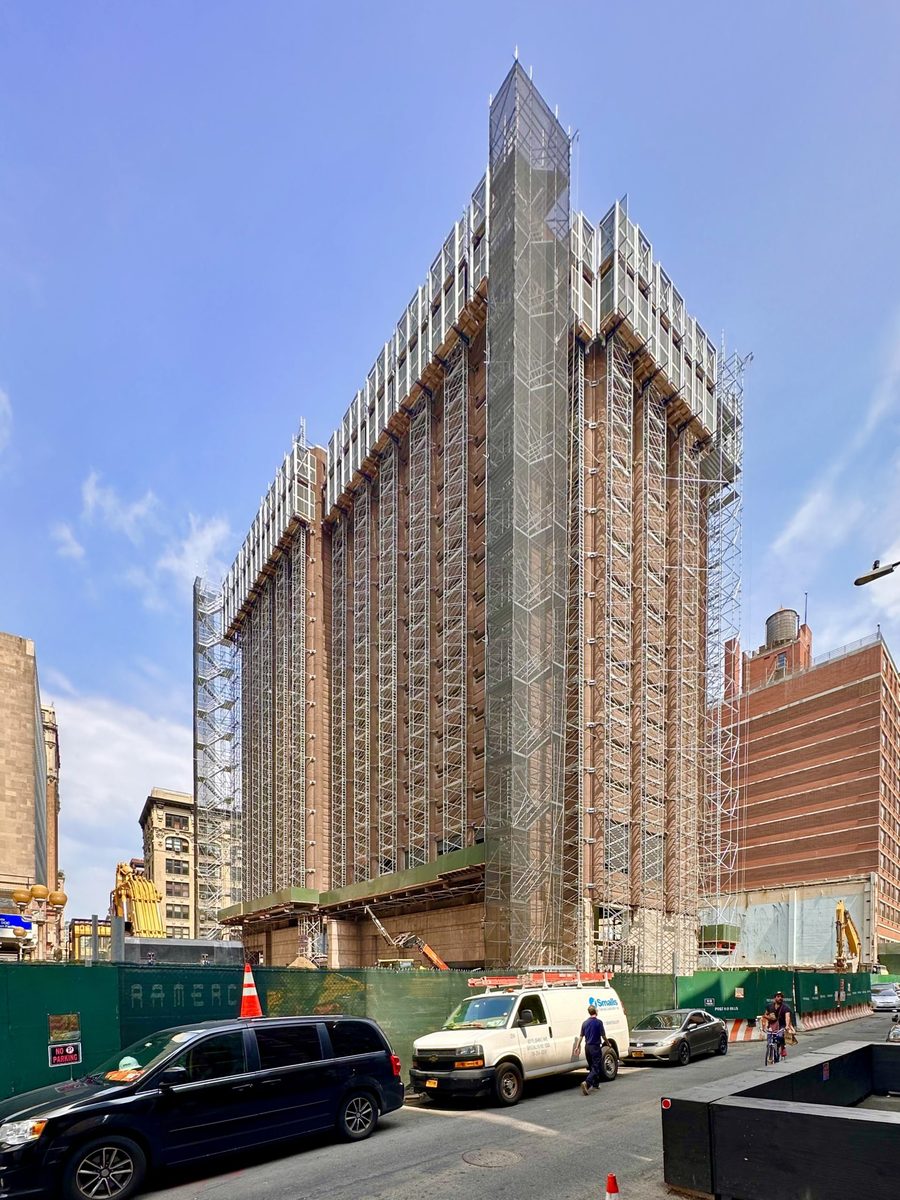
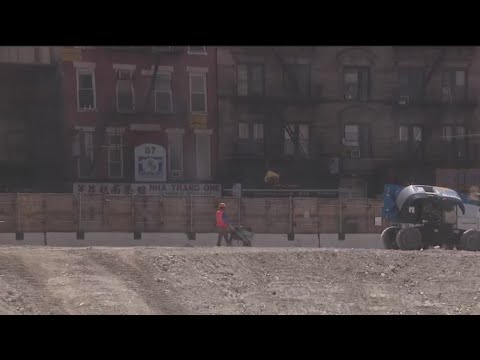
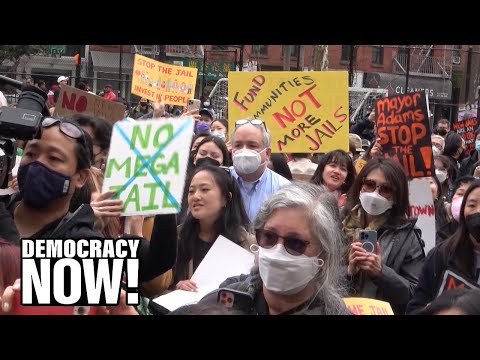
Chinatown residents and community groups sued New York City on October 21 over permits that let crews work on the Centre Street jail from 6 a.m. to midnight on weekdays, plus Saturdays and 4 a.m. truck deliveries. The plaintiffs say the site is effectively running around the clock next to senior housing, tenement apartments and small businesses.

Manhattan Supreme Court Justice Kathy King temporarily blocked the after-hours work on October 26, ordering the city to show cause for the extended schedule. Daytime construction continues, and both sides return to court December 1. The city says dropping the extended hours would delay the jail's opening from 2032 to 2034 and add $340 million.

Why it matters

If the court forces a new environmental review, the Rikers replacement could stall for years and cost taxpayers hundreds of millions more.

Last Monday's email for New York, NY

Sent Nov 9. It carried:

Get next Monday's: one short email a week. Free. Unsubscribe in one click.

Questions about this story

Free account needed to ask — your question is kept and asked for you right after sign-up. Answers are public.

No questions yet — be the first to ask.

Key Indicators

18 hrs
Weekday construction hours under new permits
Work runs 6 a.m. to midnight weekdays, plus Saturday shifts and 4 a.m. truck deliveries.
1,040
Planned beds in the Manhattan jail
The 335-foot tower is part of a borough-jail program meant to replace Rikers Island.
$340M
Added cost if opening slips to 2034
The city says dropping after-hours work would delay completion by two years.
335 ft
Planned height of the Manhattan jail
The city says it will be the world's tallest jail.
$3.9B
Estimated cost of the Manhattan jail
The full Rikers replacement program is roughly $16 billion across the borough jails.

Voices

Curated perspectives — historical figures and your fellow readers.

Sign up to generate historical perspectives on this story.

People Involved

Organizations Involved

Timeline

2019 December 2026

11 events Latest: October 26th, 2026 · 2 weeks ago Showing 8 of 11
Tap a bar to jump to that date
  1. Gothamist publishes report on the lawsuit

    Latest Report

    Report details residents' sleep disruption and dust complaints.

  2. New 18-hour construction schedule begins

    Construction

    Weekday work now runs 6 a.m. to midnight at the jail site.

  3. City presents six-year after-hours construction plan

    Regulatory

    Officials told the community the jail would be built over six years with work from 6 a.m. to midnight, including drilling from 6 p.m. to 10 p.m., according to the plaintiffs.

  4. City issues after-hours construction permits

    Regulatory

    Allows weekday work 6 a.m.–midnight, Saturdays, and 4 a.m. deliveries.

  5. Mayor concedes Rikers deadline can't be met

    Statement

    Mamdani says the 2027 closure target is impossible as costs mount.

  6. Construction begins at Chinatown jail site

    Construction

    Work starts on the Manhattan jail at the old Tombs site.

  7. Local law mandates Rikers closure by 2027

    Policy

    The Rikers closure requirement becomes local law.

  8. City Council sets 2027 Rikers closure target

    Policy

    Council votes to close Rikers Island jail complex by 2027.

Scenarios

1

Judge orders new environmental review, extended hours blocked

Likely Resolves by Jun 1, 2027

Discussed by: Plaintiffs' legal filings argue the state environmental review never analyzed the extended schedule's impacts

A judge extends the temporary restraining order into a preliminary injunction, finding the city violated the State Environmental Quality Review Act by approving an 18-hour schedule without studying its noise and dust effects. The city would need to complete a supplemental impact review before resuming after-hours work, likely pushing the jail opening beyond 2032 and adding to its cost.

2

City and plaintiffs settle on reduced construction hours

Possible Resolves by Jun 1, 2027

Discussed by: Both sides have signaled openness; Councilmember Marte has called for negotiation

The parties agree to a compromise: the city keeps some extended hours for specific tasks, strengthens noise and dust mitigation, and the plaintiffs drop the suit. The city avoids litigation risk and the plaintiffs win curbs on overnight work.

3

Court allows extended construction to resume

Unlikely Resolves by Jun 1, 2027

Discussed by: City Hall's defense of the permits, per spokesperson Sam Raskin

A judge finds the permits lawful and the existing environmental review sufficient, lifting the temporary restraining order. Construction returns to 6 a.m.–midnight weekdays and the jail stays on track for 2032.

Historical Context

2 moments from history that rhyme with this story — and how they unfolded.

2007–2017

Second Avenue Subway Phase 1 (2007–2017)

Tunneling and station excavation on Second Avenue on the Upper East Side brought a decade of round-the-clock noise, dust, and street closures. Merchants sued, arguing construction was destroying their businesses, while residents endured constant vibrations and detours.

Then

Courts generally allowed construction to proceed, requiring mitigation such as overnight work limits and dust suppression.

Now

The first phase opened in January 2017, delivering a long-promised subway line but leaving a record of community disruption and escalating costs.

Why this matters now

Like the jail, the subway was a publicly supported mega-project whose construction burden fell on nearby residents, raising the same question of how much disruption a community must absorb.

2006–2014

World Trade Center reconstruction (2006–2014)

After the September 11 attacks, Lower Manhattan underwent years of around-the-clock rebuilding, including One World Trade Center and the PATH transit hub. Dust, noise, and truck traffic generated sustained complaints from neighbors and businesses.

Then

Authorities set up environmental monitoring and held community meetings, but nearby residents said the disruption continued for the better part of a decade.

Now

The site opened as a commercial and transit complex, but with costs exceeding $20 billion, far above early estimates.

Why this matters now

The Manhattan jail project is unfolding in the same part of the city, with residents seeking the same kind of environmental monitoring and accountability applied to the WTC site.

Sources

(10)