



Pull to refresh
Logo
New heart attack definition corrects decades of under-diagnosis in women

New heart attack definition corrects decades of under-diagnosis in women

Rule Changes

World's four leading cardiology groups agree on first universal definition with sex-specific blood test thresholds

2 days ago: Coverage highlights impact on women's diagnosis

Overview

Updated 2 days ago

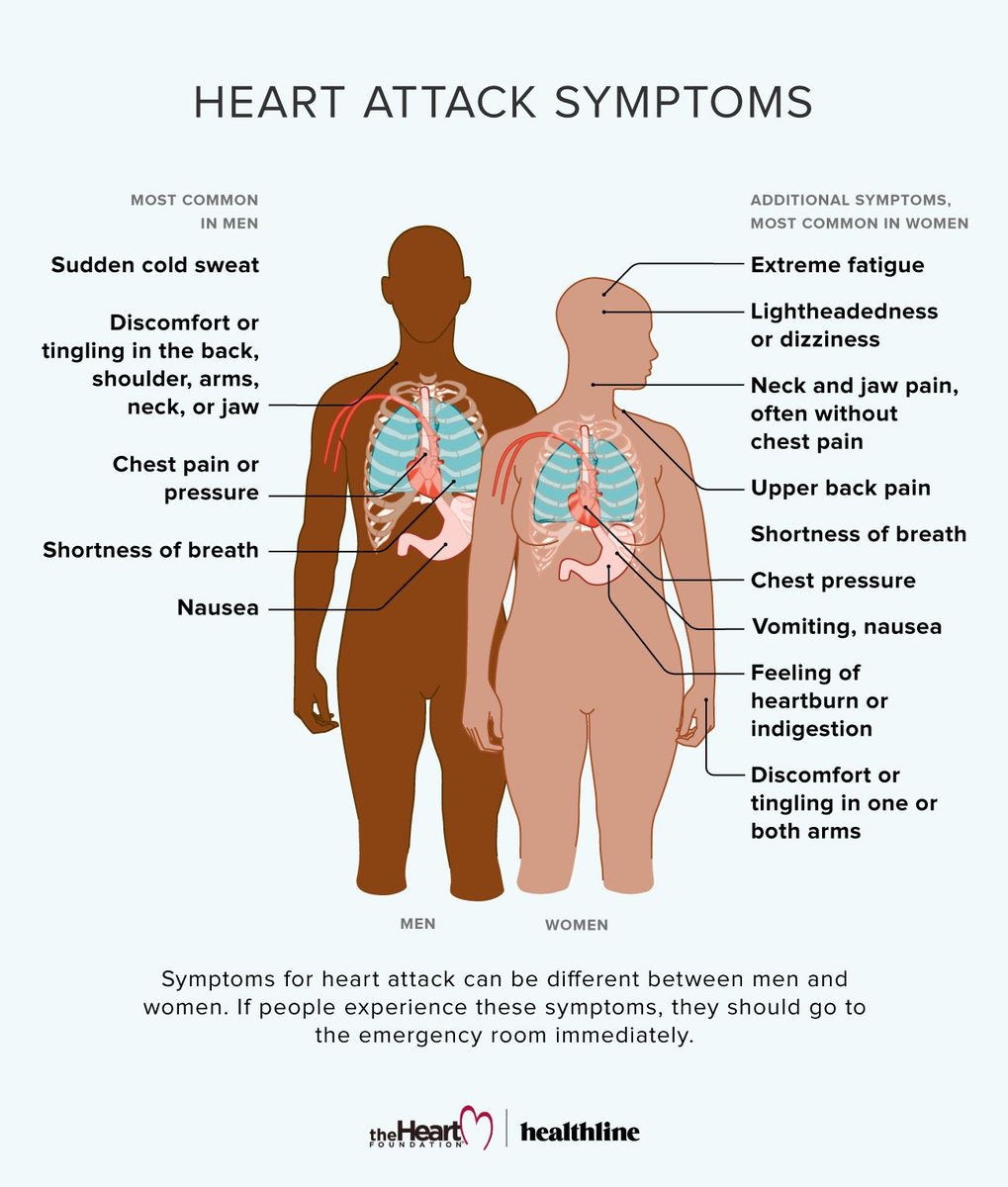
For decades, the blood test for heart attacks used a single threshold for every patient. That threshold caught nearly all men having heart attacks but missed some women, because women naturally carry lower levels of the heart-injury protein troponin. The world's four leading cardiovascular organizations just agreed on the first universal definition of a heart attack, and it corrects that bias.

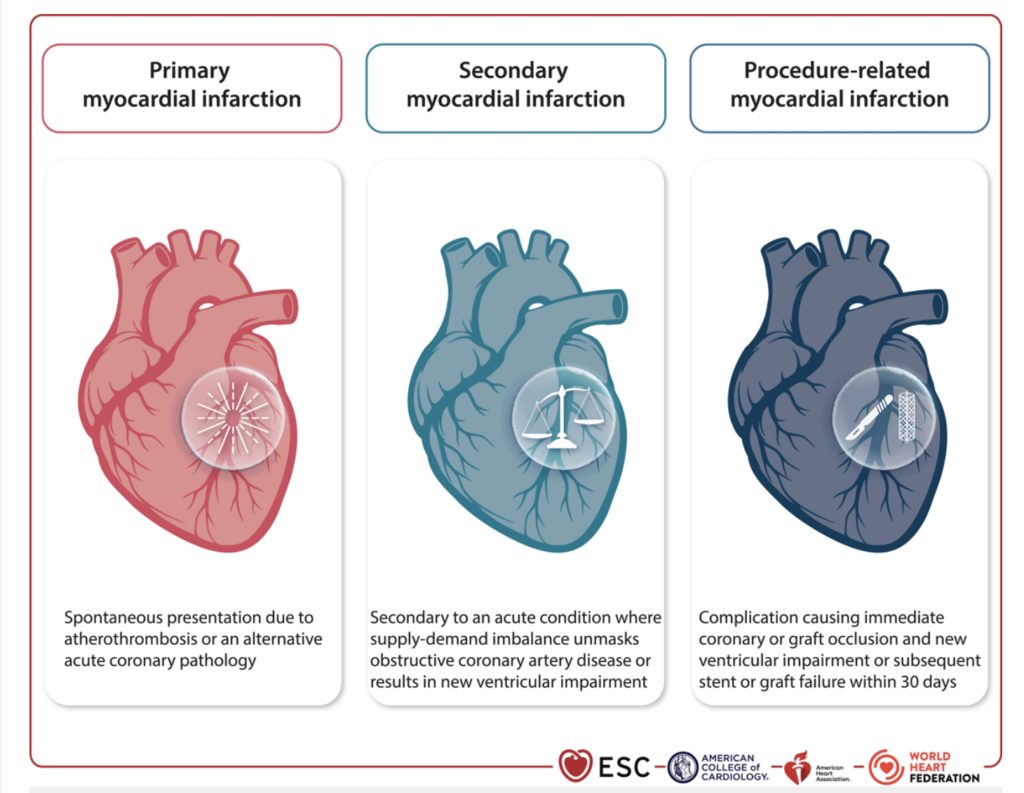
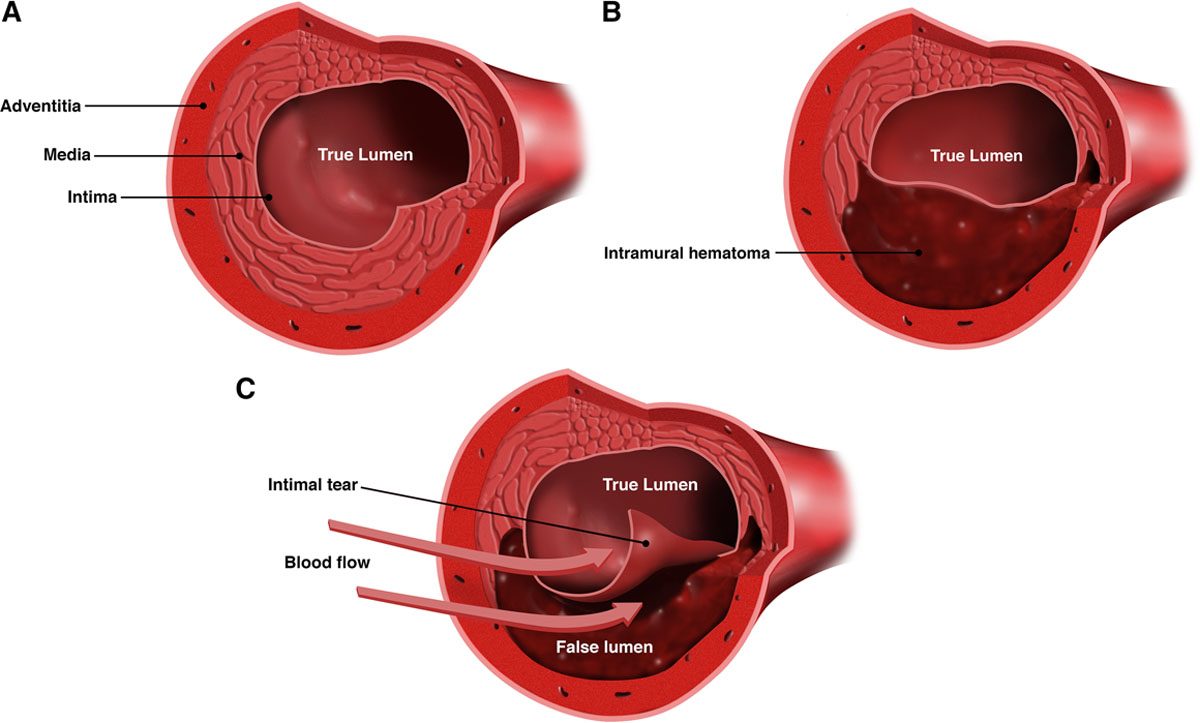
The new guidelines, presented at the European Society of Cardiology congress in Munich, elevate three heart attack types that are up to ten times more common in women to the same classification tier as clot-caused attacks. They also require sex-specific troponin thresholds in emergency departments. For the first time, spontaneous coronary artery dissection, coronary artery spasm, and coronary embolism will be treated as first-class diagnoses.

Why it matters

Millions of women have had heart attacks missed by tests calibrated to men; the new definition should catch them earlier and save lives.

Questions about this story

Free account needed to ask — your question is kept and asked for you right after sign-up. Answers are public.

No questions yet — be the first to ask.

Key Indicators

3
Heart attack types elevated in classification
Coronary artery spasm, coronary embolism, and SCAD now sit in the same tier as clot-caused attacks.
80%
SCAD cases occurring in women
Spontaneous coronary artery dissection often happens during or shortly after pregnancy.
4
Cardiology organizations that agreed
ESC, ACC, AHA, and WHF signed the first universal heart attack definition.

Voices

Curated perspectives — historical figures and your fellow readers.

Ever wondered what historical figures would say about today's headlines?

Sign up to generate historical perspectives on this story.

People Involved

Organizations Involved

Timeline

August 2018 September 2026

3 events Latest: 2 days ago
  1. Coverage highlights impact on women's diagnosis

    Latest Media

    Reports detail how sex-specific troponin thresholds and upgraded heart attack types correct decades of under-diagnosis in women.

  2. Fifth Universal Definition presented at ESC Congress

    Guideline

    Four leading cardiology organizations agreed on the first universal heart attack definition in Munich.

  3. Fourth Universal Definition of MI published

    Guideline

    Established the distinction between myocardial injury and infarction, setting the stage for the Fifth Definition.

Scenarios

1

Sex-specific troponin thresholds become standard in emergency departments

Likely Resolves by End of 2027

Discussed by: Cardiologists at the University of Edinburgh and emergency medicine organizations

The new definition requires sex-specific troponin thresholds. If adopted widely, emergency departments will use lower cutoffs for women, catching heart attacks that were previously missed. Early adopters like the University of Edinburgh have already shown this approach works.

2

Studies show measurable reduction in missed heart attacks in women

Possible Resolves by End of 2028

Discussed by: Researchers tracking diagnostic outcomes, including Nicholas Mills' team at the University of Edinburgh

With the new definition in place, researchers will track whether fewer women are sent home with missed heart attacks. Studies comparing diagnosis rates before and after the new definition could show improvement.

3

New ICD-11 codes reveal true incidence of SCAD and other under-recognized heart attacks

Likely Resolves by Q2 2028

Discussed by: Public health researchers and WHO officials involved in ICD-11 implementation

The new definition includes proposed ICD-11 codes for each heart attack type, including a specific code for SCAD. This will enable researchers to track the true incidence of these conditions for the first time.

Historical Context

3 moments from history that rhyme with this story — and how they unfolded.

2004-present

Go Red for Women campaign (2004)

The American Heart Association launched Go Red for Women to raise awareness that heart disease is the leading killer of women. The campaign highlighted that women were under-diagnosed and under-treated compared to men.

Then

Increased awareness of women's heart disease risk and atypical symptoms.

Now

Raised awareness but didn't change diagnostic criteria, which remained calibrated to men.

Why this matters now

Two decades of awareness campaigns highlighted the problem of under-diagnosis in women, but the new definition is the first structural fix to the diagnostic criteria themselves.

August 2018

Fourth Universal Definition of MI (2018)

The Fourth Universal Definition introduced the distinction between myocardial injury and myocardial infarction, refining diagnostic criteria. It was the first to acknowledge that troponin elevation alone doesn't equal a heart attack.

Then

Clinicians gained clearer guidance on when to diagnose a heart attack versus other causes of troponin elevation.

Now

Set the framework that the Fifth Definition would build on, including the recognition that diagnostic criteria needed refinement.

Why this matters now

The Fifth Definition directly builds on the Fourth, adding sex-specific thresholds and elevating under-recognized heart attack types.

2010s

Recognition of SCAD as a distinct condition (2010s)

Spontaneous coronary artery dissection was historically misdiagnosed or missed entirely. Research in the 2010s established it as a distinct condition predominantly affecting women, often during or after pregnancy.

Then

SCAD became a recognized clinical entity with its own diagnostic criteria.

Now

Its recognition paved the way for its inclusion in the Fifth Universal Definition as a first-class heart attack type.

Why this matters now

SCAD's elevation in the new definition reflects a broader shift toward recognizing that heart attacks have multiple causes, not just the classic clot-based mechanism.

Sources

(9)