
Pull to refresh
Logo
Moderna's norovirus vaccine misses an early-success mark in Phase 3

Moderna's norovirus vaccine misses an early-success mark in Phase 3

New Capabilities

The mRNA maker's stomach-bug shot fell short of an interim bar and will add patients rather than stop the trial.

July 31st, 2026: Vaccine misses the interim success bar

Overview

Updated Jul 31

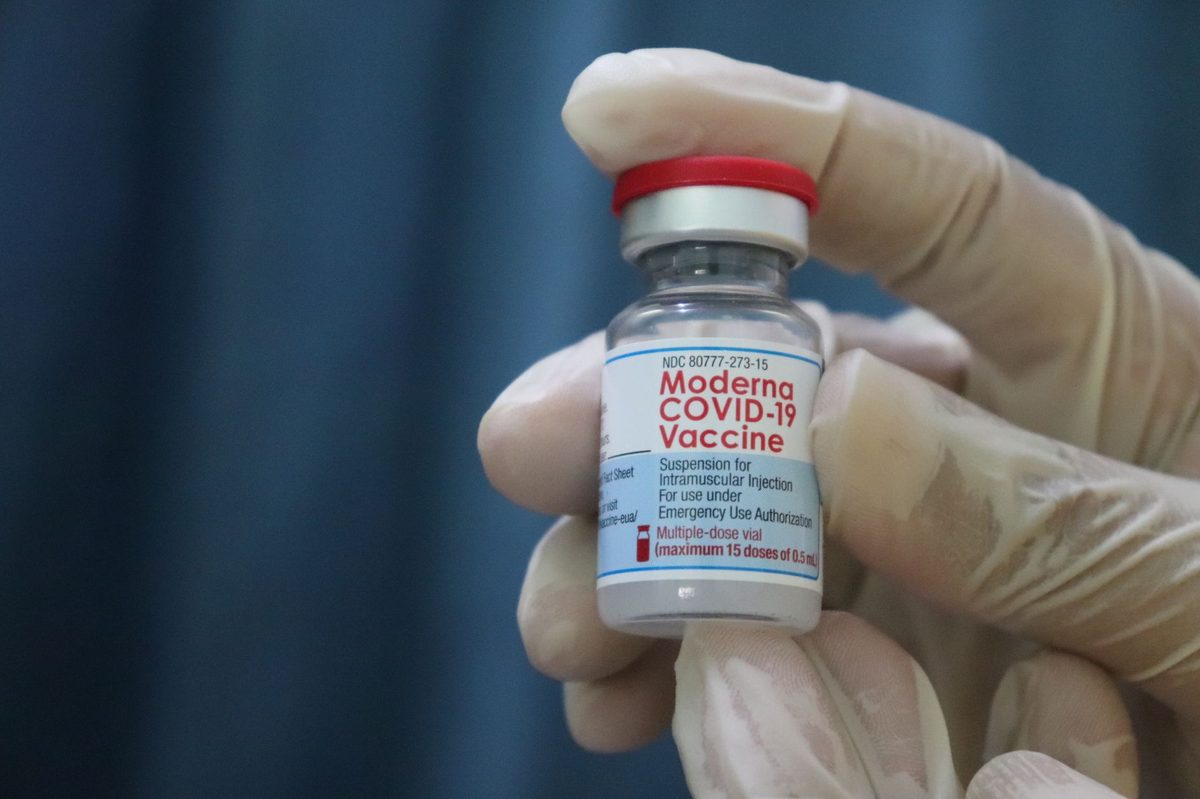
Norovirus makes about 20 million Americans sick each year, and no vaccine has ever been approved to stop it. Moderna's shot is the furthest along. On July 31, 2026, the company said that shot fell short of the bar for early success in its big trial.

Moderna is not quitting. It will enroll another group of patients and keep the study going. The result delays, but does not kill, the chance at a first-of-its-kind vaccine against the stomach bug.

Why it matters

No vaccine exists for norovirus, the top cause of stomach flu. Moderna's shot is furthest along, and this stumble delays the first one.

Questions about this story

Free account needed to ask — your question is kept and asked for you right after sign-up. Answers are public.

No questions yet — be the first to ask.

Key Indicators

0
Approved norovirus vaccines
No shot against norovirus has ever been licensed anywhere.
~38,000
Trial participants enrolled
The NOVA 301 Phase 3 study stays blinded as Moderna adds a cohort.
~900
US norovirus deaths per year
Most are adults over 65, the group the trial targets most.
$145M
Q2 2026 revenue
Beat the roughly $103 million analysts expected, on COVID sales.
~6%
Share drop on the news
The vaccine miss outweighed the revenue beat for investors.

Voices

Curated perspectives — historical figures and your fellow readers.

Ever wondered what historical figures would say about today's headlines?

Sign up to generate historical perspectives on this story.

People Involved

Organizations Involved

Timeline

August 2024 July 2026

6 events Latest: July 31st, 2026 · 1 month ago
Tap a bar to jump to that date
  1. Vaccine misses the interim success bar

    Latest Clinical Trial

    In its Q2 report, Moderna said mRNA-1403 fell short of the statistical threshold for early success. It will add a patient group and continue rather than stop.

  2. Trial adds a second northern winter

    Clinical Trial

    Unable to catch enough natural infections, Moderna extended the study to a second Northern Hemisphere season to gather more cases.

  3. FDA lifts the hold

    Regulatory

    After review, the agency cleared the trial to resume enrollment and dosing.

  4. FDA pauses the trial over a nerve-disorder case

    Regulatory

    The FDA placed the study on clinical hold after one participant reported Guillain-Barré syndrome, a rare condition affecting the nerves.

  5. Moderna doses first patient in Phase 3

    Clinical Trial

    Moderna began its pivotal NOVA 301 study of mRNA-1403, aiming to enroll roughly 25,000 people, most of them over 60.

  6. Rival HilleVax drops its norovirus program

    Industry

    HilleVax cut 40% of staff after its infant vaccine showed just 5% efficacy in a mid-stage trial. Its exit thinned the field chasing a first norovirus shot.

Scenarios

1

Moderna's norovirus vaccine hits its main goal at final analysis

Possible Resolves by Q2 2028

Discussed by: Moderna management; BioSpace coverage of the pipeline

The added cohort and extra case data push the trial over the line. Moderna reports that mRNA-1403 met its primary efficacy endpoint, clearing the way for a filing for the first approved norovirus vaccine. This is the outcome the company is betting on by keeping the study alive.

2

Moderna shuts down the norovirus program

Possible Resolves by Q2 2028

Discussed by: Benzinga and Seeking Alpha analysts weighing Moderna's cash burn

The added cohort fails to move the numbers, or shrinking cash forces hard choices. Moderna ends development of mRNA-1403, leaving norovirus without a late-stage mRNA candidate. Investors focused on the company's spending have flagged pipeline cuts as a live risk.

3

Trial drags on with no clear readout

Possible Resolves by Q2 2028

Discussed by: FierceBiotech, tracking the study's repeated extensions

Norovirus infections stay hard to catch in trial participants, so results keep slipping. The study neither succeeds nor formally ends by the deadline, extending a pattern of holds and added seasons that has already stretched the timeline.

4

A rival reaches a pivotal norovirus readout first

Unlikely Resolves by Q2 2028

Discussed by: BioSpace and Medscape coverage of the norovirus field

With Moderna slowed, another developer such as Vaxart reports pivotal trial data on its own norovirus vaccine before Moderna does. That would reset who leads the race for a first approved shot.

Historical Context

3 moments from history that rhyme with this story — and how they unfolded.

December 2020

Moderna's COVID-19 vaccine authorized (2020)

Moderna's mRNA COVID-19 vaccine won emergency use authorization about 11 months after the virus was sequenced, with roughly 94% efficacy in its pivotal trial. It made Moderna a major vaccine maker overnight.

Then

The vaccine drove billions in sales and validated the mRNA platform at scale.

Now

It set expectations Moderna is now trying to meet in harder diseases with weaker or shorter immunity.

Why this matters now

COVID showed mRNA can move fast. Norovirus shows the platform still meets targets where immunity is short-lived and strains vary.

May 2023

RSV vaccines finally approved (2023)

After roughly 60 years of failures, including a 1960s trial that made children sicker, GSK and Pfizer won FDA approval for the first RSV vaccines for older adults. The breakthrough came once scientists learned to lock the virus protein into the right shape.

Then

Millions of older adults gained access to a shot against a common respiratory virus.

Now

It proved a decades-elusive vaccine can be cracked with the right science and persistence.

Why this matters now

RSV shows long-stalled vaccine targets do eventually fall. Moderna is betting norovirus is next, not hopeless.

August 2024

HilleVax abandons its norovirus vaccine (2024)

HilleVax's infant norovirus vaccine, HIL-214, showed just 5% efficacy in a trial of more than 2,800 babies. The company cut about 40% of staff and dropped the program. Its shares fell sharply.

Then

HilleVax pivoted away from its lead product and the infant norovirus effort ended.

Now

The failure narrowed the field and raised doubts about how easily norovirus immunity can be induced.

Why this matters now

It shows norovirus is a graveyard for vaccine candidates. Moderna's miss fits a pattern, not a one-off.

Sources

(7)