
![[World First] No-Cut Heart Bypass? The "VECTOR" Method](https://img.youtube.com/vi/J2Fwk_2kPqM/hqdefault.jpg)
Favaloro and the Birth of Coronary Bypass Surgery (1967)
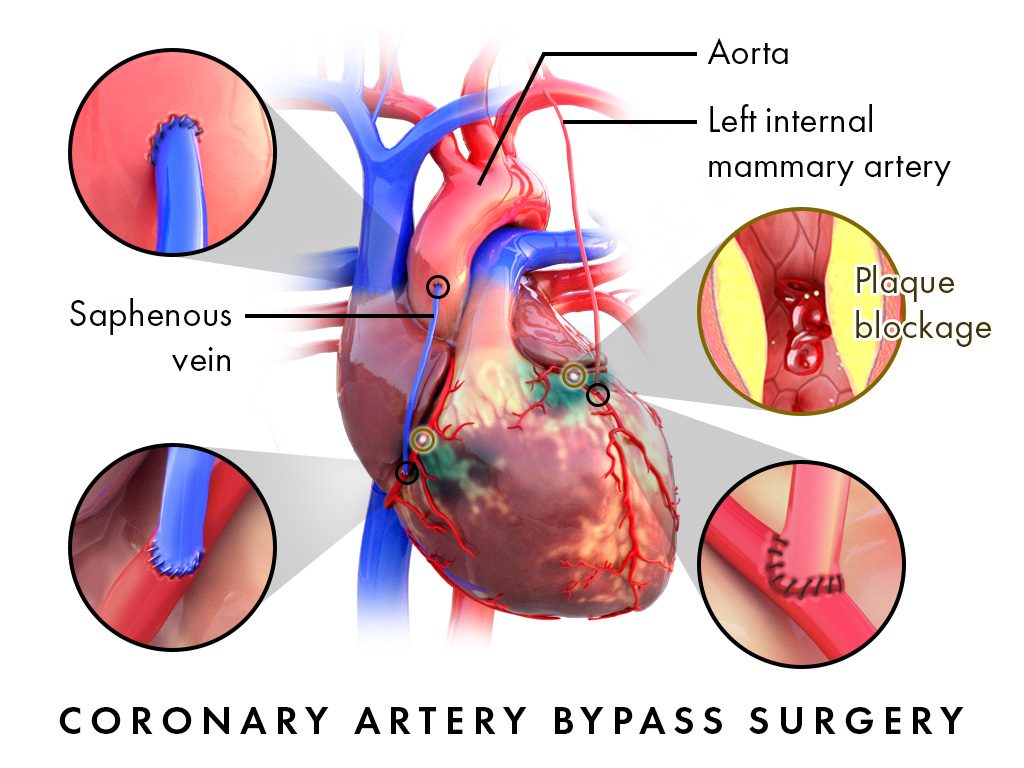
René Favaloro, an Argentine surgeon at Cleveland Clinic, performed the first saphenous vein coronary bypass on May 9, 1967. The patient was a 51-year-old woman with a completely blocked right coronary artery. Within a year, Favaloro had performed 150 procedures with generally excellent results. By 1970, he had completed over 1,000 cases.
Patients with severe coronary disease who would have died had a surgical option. The technique spread rapidly to hospitals worldwide.
Coronary bypass became the most common cardiac operation, with over 300,000 performed annually in the US. Despite advances in stenting, bypass remains the standard for complex multi-vessel disease.
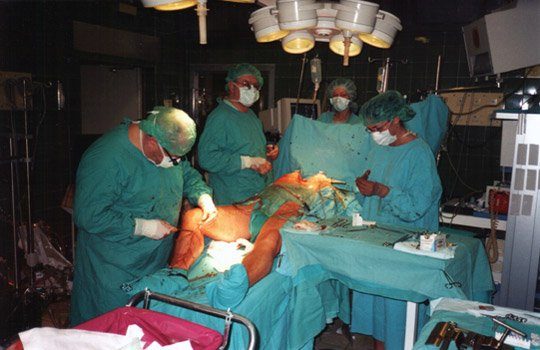
Favaloro's innovation saved millions of lives but required opening the chest—a limitation that has persisted for 58 years. VECTOR represents the first technique to perform bypass grafting without sternotomy, potentially the biggest change to the procedure since Favaloro's original breakthrough.