


Pull to refresh
Logo
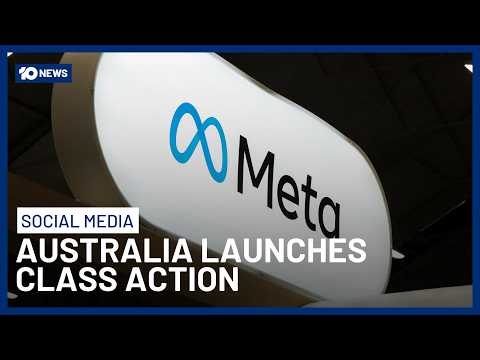
Meta faces Australian class action over alleged social media harm to children

Meta faces Australian class action over alleged social media harm to children

Rule Changes

Judge questions scope of Meta class action; second firm plans Victorian claim

Overview

Updated Yesterday

Eight young Australians are suing Meta in the Federal Court, saying Facebook and Instagram were designed to keep them scrolling and exposed them to harmful content while they were under 18. At the first case management hearing on November 3, Justice Ian Jackman questioned whether the claim was cast too widely and said parts of the pleadings had 'woolly edges'. Meta says it will defend the claim vigorously.

A second law firm, Shine Lawyers, told the court it plans to file a similar claim in Victoria. Meta said on November 9 that it would expand AI age-estimation globally to move more teenagers on Instagram into its Teen Account protections. The Federal Court case returns on February 24.

Why it matters

A successful case would make Australia the first country where social media platforms pay compensation for harm to children - a precedent other countries may follow.

Questions about this story

Free account needed to ask — your question is kept and asked for you right after sign-up. Answers are public.

No questions yet — be the first to ask.

Key Indicators

$18B
Meta's US settlement over child addiction claims
Agreed in August 2026 to pay up to this amount to nearly all US states to resolve claims Meta designed social media to addict children.
8
Named plaintiffs in Australian class action
All allege harm from Facebook or Instagram while under 18; identities protected by court order.
$9.89B
Meta's Q3 2026 charge for teen mental health litigation
Charge booked in results reported October 21, 2026, tied to settling US lawsuits over social media's effects on young users.
$25B
New Mexico judgment against Meta
Ordered October 21, 2026, over the Cambridge Analytica scandal; Meta plans to appeal.
42%
Australian children aged 10-15 with a social media account
eSafety Commission data cited by The Age in November 2026, despite the under-16 ban.

Voices

Curated perspectives — historical figures and your fellow readers.

Dorothy Parker

Dorothy Parker

(1893-1967) · Jazz Age · wit

Fictional AI pastiche — not real quote.

"It takes a special sort of genius to turn childhood into a legal hazard, but Meta has managed it—and with such charmingly woolly edges, too. The children, of course, merely wanted to be distracted; the grown-ups just want someone to blame. Ah, well, there’s always the chance of a happy ending in the next appeal."

Ayn Rand

Ayn Rand

(1905-1982) · Cold War · philosophy

Fictional AI pastiche — not real quote.

"To blame Meta for a child’s inability to look away is to declare that man is a helpless automaton—the exact premise every tyrant needs. Parents who hand their children’s minds to an algorithm have no right to sue; they have a duty to teach reason."

Sign up to generate historical perspectives on this story.

People Involved

Organizations Involved

Timeline

2025 November 2026

11 events Latest: 2 days ago Showing 8 of 11
Tap a bar to jump to that date
  1. Meta expands AI age checks for Instagram teens

    Latest Technology

    Meta said it would expand AI age-estimation globally to move more teenagers on Instagram into Teen Account protections. In Australia, it began using Apple's age-range signal as an additional method to determine users' ages.

  2. Meta posts 26% revenue rise as legal charges bite

    Financial

    Third-quarter revenue rose 26% to $64 billion, while costs climbed 68% to about $51 billion, including a $9.89 billion charge tied to teen mental health litigation. Profit of $9.86 billion fell well short of investor expectations.

  3. Digital Duty of Care Bill introduced

    Regulation

    Communications Minister Anika Wells introduced a Digital Duty of Care Bill into parliament. If passed, companies would face heavy fines for breaches.

  4. Meta begins removing under-16 accounts in Australia

    Compliance

    Platform starts deleting accounts of users identified as under 16 ahead of the ban's enforcement.

  5. Australia passes world-first social media ban

    Regulation

    Law requires platforms like Facebook, Instagram, TikTok, and YouTube to block users under 16.

Scenarios

1

Meta settles the Australian class action

Likely Resolves by End of 2027

Discussed by: Reuters and Mumbrella, which note Meta's pattern of settling large-scale child-harm claims in the US.

Meta has settled every significant child-harm case it faced in the US, including the $18 billion state settlement and the $9.89 billion Q3 charge for teen mental health litigation. If the Australian court certifies the class and discovery exposes internal documents about platform design, Meta may settle to cap its financial exposure and avoid a binding precedent in a jurisdiction that has already banned social media for under-16s.

2

Australian court throws out the class action

Unlikely Resolves by Q2 2028

Discussed by: Reuters, which reports the case is the first of its kind in Australia, meaning legal precedent is untested.

Meta's defense will argue it is a platform, not a publisher; that plaintiffs cannot show a direct causal link between platform design and individual harm; and that Australian law does not recognize this category of claim. A court accepting any of these arguments at an early stage would end the case. Meta has said it will 'defend ourselves vigorously.'

3

Court certifies class; case moves to discovery

Possible Resolves by Q2 2027

Discussed by: MinterEllison, which says the case raises 'important questions' that will be tested through the Federal Court process.

The first case management hearing was held on November 3, 2026. Justice Ian Jackman questioned whether the claim was cast too widely and said parts of the pleadings had 'woolly edges'. If the court certifies the class action and rejects Meta's preliminary challenges, the case enters discovery, where internal Meta documents could become public. That would establish the first Australian judicial examination of social media platform liability for user harm, regardless of the eventual verdict.

Historical Context

3 moments from history that rhyme with this story — and how they unfolded.

August 2026

US states settle with Meta over child addiction (2026)

A coalition of nearly all US states sued Meta, alleging it designed Facebook and Instagram to be addictive for children and teenagers. Meta agreed to pay $18 billion to settle the claims.

Then

Meta paid the largest settlement of its kind without admitting liability.

Now

The settlement demonstrated that child-addiction claims against social media carry significant financial exposure.

Why this matters now

The Australian class action makes similar allegations in a different legal system, testing whether those claims succeed outside the US.

March 2018

Facebook-Cambridge Analytica scandal (2018)

It emerged that Cambridge Analytica harvested personal data from millions of Facebook users without consent, and used it to target political ads. Congress held hearings with Mark Zuckerberg, and the FTC fined Facebook $5 billion in 2019.

Then

Facebook faced its largest fine at the time and a major public trust crisis.

Now

The scandal established a pattern of large legal penalties against Meta, culminating in the $25 billion New Mexico judgment of October 2026.

Why this matters now

It explains why Meta now faces cascading legal liabilities across multiple jurisdictions.

November 1998

Tobacco Master Settlement Agreement (1998)

46 US states settled with Philip Morris, RJ Reynolds, and other tobacco companies over addiction and health costs. The companies agreed to roughly $200 billion in payments over 25 years.

Then

Tobacco companies faced massive payouts and new advertising restrictions.

Now

The agreement became the template for mass litigation against industries whose products cause addiction and harm.

Why this matters now

Social media addiction cases are frequently compared to tobacco litigation: both allege companies knew their products were addictive and designed them to maximize use.

Sources

(17)