



Pull to refresh
Logo
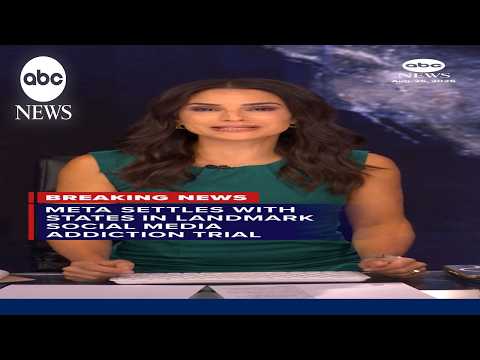
Meta settles teen social media addiction lawsuits with 47 US states

Meta settles teen social media addiction lawsuits with 47 US states

Rule Changes

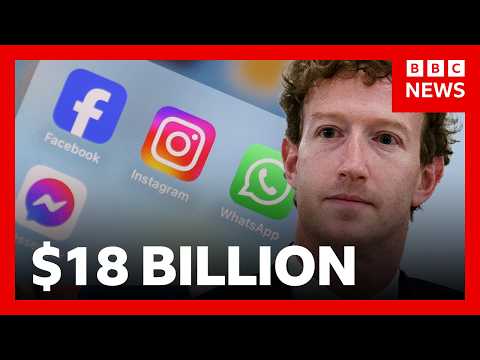
Up to $18 billion payout plus two-hour daily caps, overnight lockouts and school-hour notification bans for teens

August 27th, 2026: Meta confirms settlement; Zuckerberg avoids testimony

Overview

Updated Aug 27

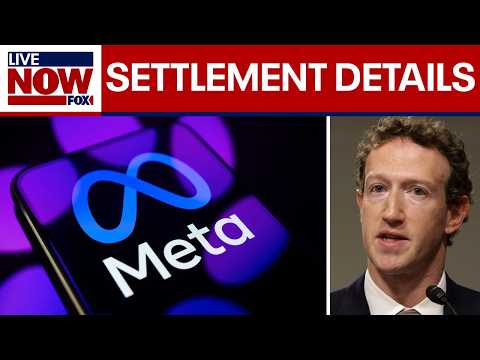
Teens on Facebook and Instagram will face a two-hour daily usage cap, midnight-to-6-a.m. lockouts, and no push notifications during school hours. Meta agreed to those changes and up to $18 billion in payments to settle lawsuits from 47 US states over teen social media addiction.

The deal, reached days into a federal trial in Oakland, California, spares CEO Mark Zuckerberg from testifying. States had sought close to $200 billion. Settlement money funds youth mental-health programs, and Meta urged rivals TikTok and YouTube to adopt similar safety measures.

Why it matters

Every teen on Facebook and Instagram now faces default time limits, overnight lockouts, and hidden likes — a template states could apply to TikTok and YouTube.

Questions about this story

Free account needed to ask — your question is kept and asked for you right after sign-up. Answers are public.

No questions yet — be the first to ask.

Key Indicators

$18 billion
Settlement payments over 10 years
Up to $18 billion paid to 47 states for youth mental-health programs.
47
States party to the settlement
Coalition began with 29 states in October 2023 and expanded to 47.
~$200 billion
Penalties states sought at trial
States pursued close to $200 billion before settling.
2 hours
Default daily usage cap for teens
Cumulative limit across Facebook and Instagram for ages 13–17; parents can override.
90%
Harmful-content reports answered within 6 hours
Meta committed to respond to 90% of teen reports within six hours.

Voices

Curated perspectives — historical figures and your fellow readers.

Ever wondered what historical figures would say about today's headlines?

Sign up to generate historical perspectives on this story.

People Involved

Organizations Involved

Timeline

October 2023 August 2026

4 events Latest: August 27th, 2026 · 2 weeks ago
Tap a bar to jump to that date
  1. Meta confirms settlement; Zuckerberg avoids testimony

    Latest Resolution

    Deal confirmed: up to $18 billion over 10 years, teen time caps, school-hour notification bans. Court approval pending.

Scenarios

1

Court grants final approval; Meta rolls out changes

Likely Resolves by Q3 2027

Discussed by: Reuters, AP (note settlement "wins court approval" per Reuters)

The Northern District of California court must grant preliminary and final approval. If approved, Meta begins distributing $18 billion over 10 years and rolling out two-hour time caps, nighttime blocks and notification suppression for teens. Large state settlements rarely face serious court objections, making approval the most probable near-term outcome.

2

Individual and school district lawsuits proceed against Meta

Possible Resolves by Q1 2028

Discussed by: AP (notes Meta still faces suits from individuals and school districts)

The state settlement does not bar individuals, school districts or other plaintiffs from suing Meta over teen harms. A jury verdict against Meta could independently establish that its design choices harmed minors, potentially opening the door to class actions. Such cases typically take years to reach trial.

3

States file similar claims against TikTok or YouTube

Uncertain Resolves by Q1 2028

Discussed by: Reuters (settlement "could lead to changes at TikTok, YouTube")

The Meta settlement gives state attorneys general a tested legal framework: consumer protection claims, addiction evidence, and product-level remedies. If states see similar engagement-maximizing designs in TikTok or YouTube, parallel lawsuits are plausible. Meta itself urged both platforms to adopt the same safety measures, which could either preempt or invite state action.

Historical Context

3 moments from history that rhyme with this story — and how they unfolded.

November 1998

Tobacco Master Settlement Agreement (1998)

Forty-six state attorneys general settled with Philip Morris, R.J. Reynolds, Brown & Williamson and Lorillard Tobacco for $206 billion over 25 years. The states accused the industry of hiding smoking's health risks and marketing to minors.

Then

States used payments to fund anti-smoking campaigns and public health programs; tobacco companies raised cigarette prices to absorb the cost.

Now

The agreement set the template for state litigation against industries over public health harms and remains the largest civil settlement in US history.

Why this matters now

The Meta settlement mirrors its structure: state attorneys general, consumer protection claims, and payments directed to youth public health.

2019–2024

Purdue Pharma and the opioid settlements (2019–2024)

States and municipalities sued opioid manufacturers for fueling the addiction crisis. Purdue Pharma filed for bankruptcy in 2019, and a multi-year restructuring followed as states negotiated with the Sackler family, its owners.

Then

Purdue's assets were redirected to opioid abatement trusts after years of bankruptcy litigation.

Now

The case showed how state-led litigation can dismantle a company over addiction harms — and how slowly that path moves.

Why this matters now

Meta avoided bankruptcy by settling directly, keeping its business intact while paying states across a decade.

July 2019

FTC v. Facebook / Cambridge Analytica (2019)

The Federal Trade Commission fined Facebook $5 billion over the Cambridge Analytica data scandal, at the time the largest privacy penalty in US history. The settlement imposed new board oversight on privacy decisions.

Then

Facebook paid without admitting wrongdoing and created a board privacy committee.

Now

The fine showed Meta could absorb large penalties without changing its product model.

Why this matters now

The 2026 state settlement goes further by mandating product-level changes for teens, not just a payment.

Sources

(11)