
Pull to refresh
Logo
Doral secures permits for 1.1 GW expansion of Indiana's Mammoth Solar

Doral secures permits for 1.1 GW expansion of Indiana's Mammoth Solar

Built World

Phase A now online; Phase 2 permits push Mammoth Solar toward 2.9 GW total capacity

Overview

Updated Oct 24

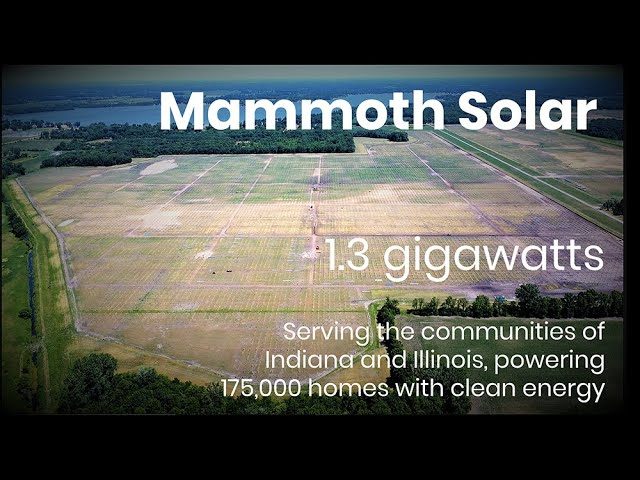
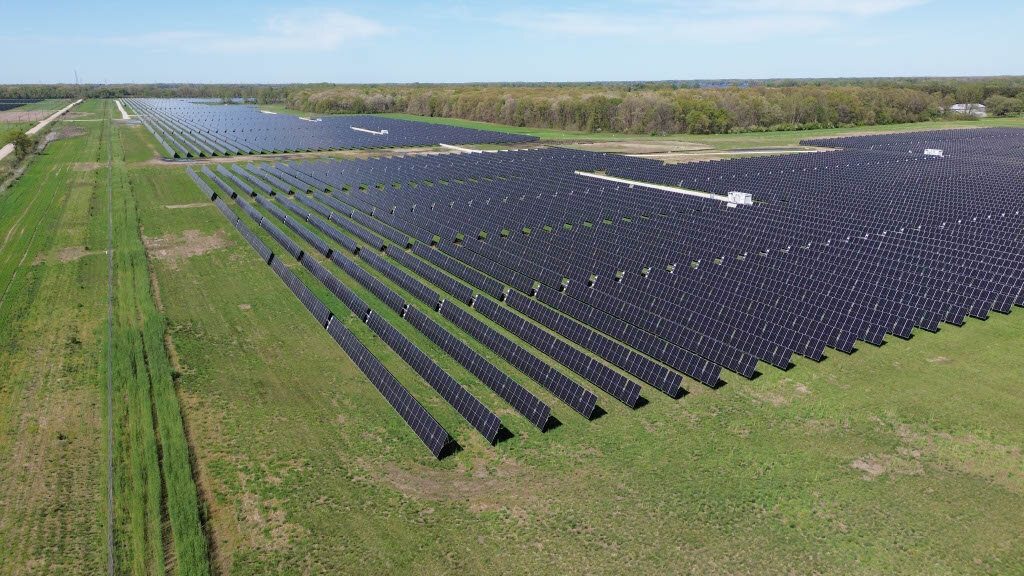
Mammoth Solar's first 1.3 gigawatts reached commercial operation in early October 2026, completing the Indiana site Doral began building in 2021. Doral holds building permits for a second phase of about 1.1 gigawatts, split between the Mammoth Pastures and Mammoth Grazing projects. Commercial operation there is targeted for 2029, at a total capacity near 2.9 gigawatts.

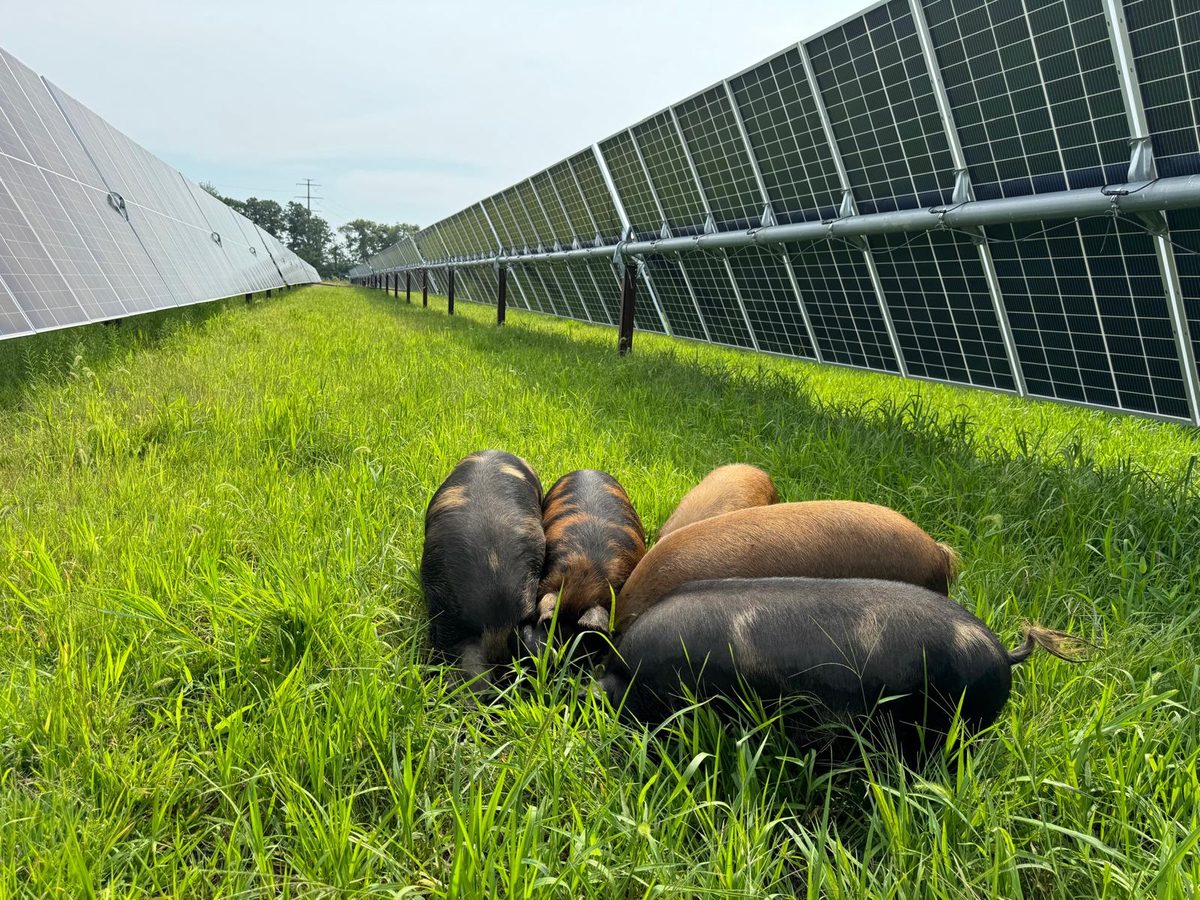
The complex covers about 13,000 acres, or roughly 53 square kilometers, in Pulaski County. Doral plans to keep farming inside the fence line, with crops between panel rows and sheep or cattle grazing. Chief executive Yoni Hantis wants to add data centers at the site that draw power independent of the grid.

Why it matters

Mammoth at full capacity would be one of the world's largest solar farms, testing whether US farmland earns more from sunlight than from crops.

Questions about this story

Free account needed to ask — your question is kept and asked for you right after sign-up. Answers are public.

No questions yet — be the first to ask.

Key Indicators

1.1 GW
Phase 2 capacity added
Two projects: Mammoth Pastures (840 MW) and Mammoth Grazing (294 MW).
2.9 GW
Total project capacity when complete
Phase A adds 1.6 GW; Phase B brings the total to 2.9 GW.
$680M–$815M
Estimated Phase 2 construction cost
Doral projects NIS 2.5–3.0 billion in construction costs.
53 km²
Site area
About 13,000 acres in Pulaski County, Indiana.
1.3 GW
Phase A now operational
Mammoth North, Central, and South reached full commercial operation in early October 2026.

Voices

Curated perspectives — historical figures and your fellow readers.

Sign up to generate historical perspectives on this story.

People Involved

Organizations Involved

Timeline

May 2021 October 2026

10 events Latest: October 7th, 2026 · 1 month ago
Tap a bar to jump to that date
  1. Remaining 900 MW of Mammoth Solar reaches commercial operation

    Latest Milestone

    Mammoth South, Mammoth Central I, and Mammoth Central II come online, completing the 1.3 GW Phase A complex.

  2. Doral announces Phase 2 permits

    Announcement

    Doral informs investors of the permits; total project capacity will reach 2.9 GW, with commercial operation targeted for 2029.

  3. Building permits for Phase 2 become effective

    Regulatory

    Permits for Mammoth Pastures (840 MW) and Mammoth Grazing (294 MW) take effect, covering 1.1 GW of new capacity.

  4. Doral raises stake in Doral LLC to 53%

    Finance

    Doral Group increases its stake in the US subsidiary from 26% to 53% for $738 million.

  5. NovaSource selected as O&M partner

    Agreement

    Doral picks NovaSource to operate and maintain the Mammoth Solar project.

  6. Mammoth North reaches commercial operation

    Milestone

    The 480 MW first phase comes online.

  7. Groundbreaking for Mammoth South

    Construction

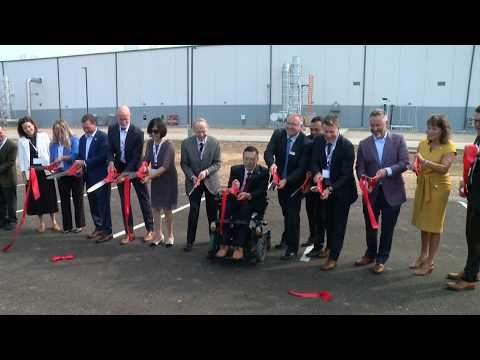
    Doral launches the Mammoth South phase at a ceremony with landowners and elected officials.

  8. Doral announces Mammoth Solar plans

    Announcement

    Doral unveils plans for Mammoth Solar: 13,000 acres, $1.5 billion investment, four phases. Named for ancient mammoth bones found on the site.

  9. Construction begins on Mammoth North

    Construction

    Work starts on the 480 MW first phase, Mammoth North.

  10. Doral signs power purchase agreement with AEP Energy

    Agreement

    Doral executes a long-term power purchase agreement with AEP Energy, a subsidiary of American Electric Power.

Scenarios

1

Mammoth Solar reaches full 2.9 GW by 2029

Likely Resolves by End of 2029

Discussed by: Doral's own investor guidance, which targets commercial operation in 2029

Doral completes Mammoth Pastures and Mammoth Grazing on schedule, interconnecting to the MISO grid. Phase A's Indiana Central and South also reach full operation. The project becomes one of the world's largest solar farms, with expected annual EBITDA of about NIS 300 million from the new phase alone.

2

Doral builds on-site data center platform

Possible Resolves by End of 2028

Discussed by: Doral CEO Yoni Hantis, who told Calcalist the company wants data centers at the site

Doral signs agreements to host data centers at Mammoth, selling power directly to AI operators and bypassing grid price fluctuations. This would follow the pattern of other solar developers pairing generation with data center load, and would give the project a customer base independent of the PJM and MISO grids.

3

Phase A completes full commercial operation

Likely Resolves by Q2 2027

Discussed by: Doral's October 2026 filing, which said Indiana Central and South are expected to reach full commercial operation in the coming months

Indiana Central and Indiana South, the two completed Phase A projects, reach full commercial operation. This validates the project's first 1.6 GW and clears the way for Phase B construction to proceed without delay.

Historical Context

2 moments from history that rhyme with this story — and how they unfolded.

2011–2014

Topaz Solar Farm (2011–2014)

In California's Carrizo Plain, First Solar built Topaz, a 550-megawatt photovoltaic farm that was the world's largest when it came online in 2014. It covered about 19 square kilometers.

Then

Topaz held the world's largest title briefly before larger projects followed.

Now

It set the template for utility-scale solar in the US, showing that massive PV farms could be financed and built on a schedule.

Why this matters now

Mammoth at 2.9 GW is more than five times Topaz's size, showing how far US solar scale has come in a decade.

2000s–2010s

Midwest wind farm buildout (2000s–2010s)

Iowa and other Midwestern states converted thousands of acres of farmland to wind energy, paying landowners fixed lease payments for turbines while crops continued below.

Then

Wind became a major rural income source across the region.

Now

The land-lease model became standard for rural energy projects, with Iowa now getting a large share of its electricity from wind.

Why this matters now

Mammoth applies the same rural land-lease model to solar, with agrivoltaics letting crops and livestock share the land with panels.

Sources

(10)