
Pull to refresh
Logo
Accessibility-first museum opens in Louisville

Accessibility-first museum opens in Louisville

Built World Louisville, KY local

The Dot Experience at American Printing House for the Blind puts touch, sound and braille at the center of every exhibit, with $18 adult tickets, daily hours and quiet Monday mornings.

Overview

Updated 2 days ago

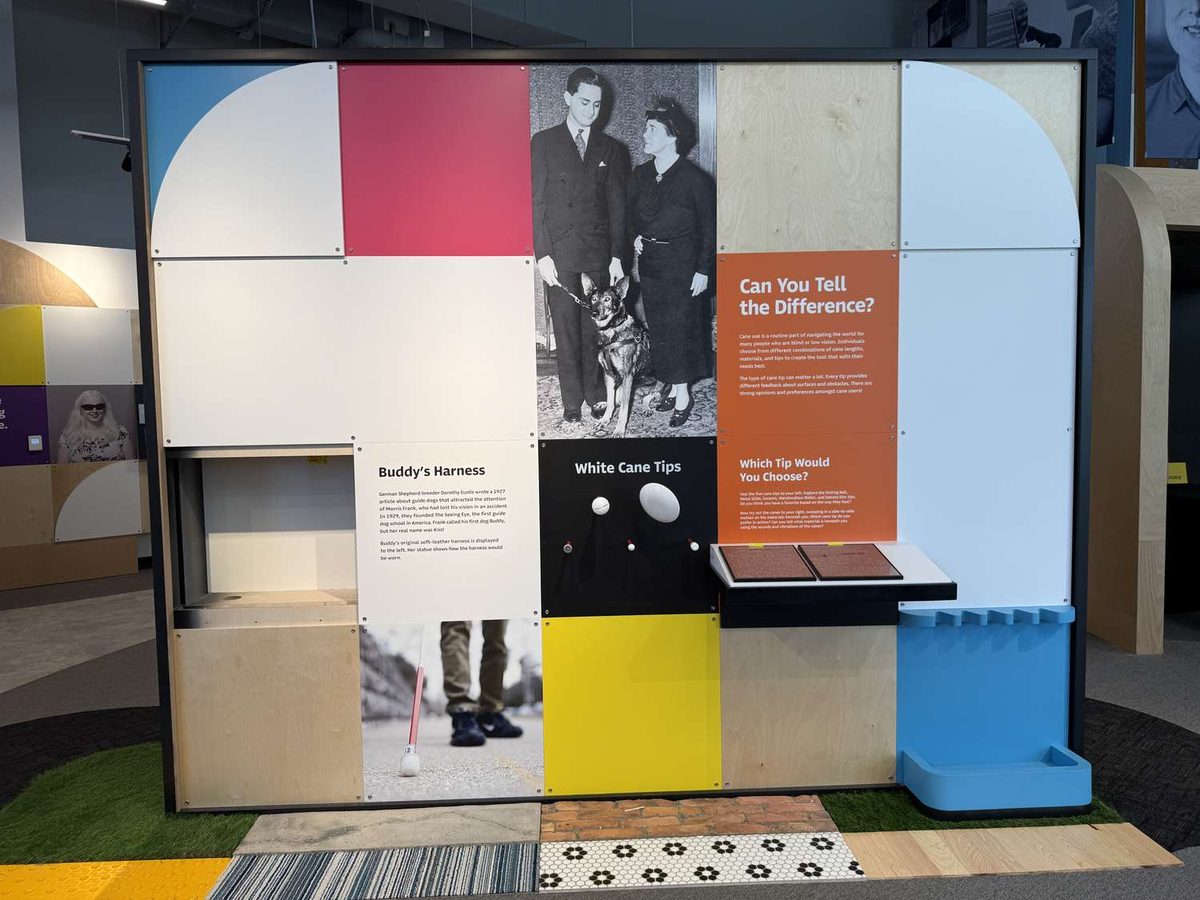
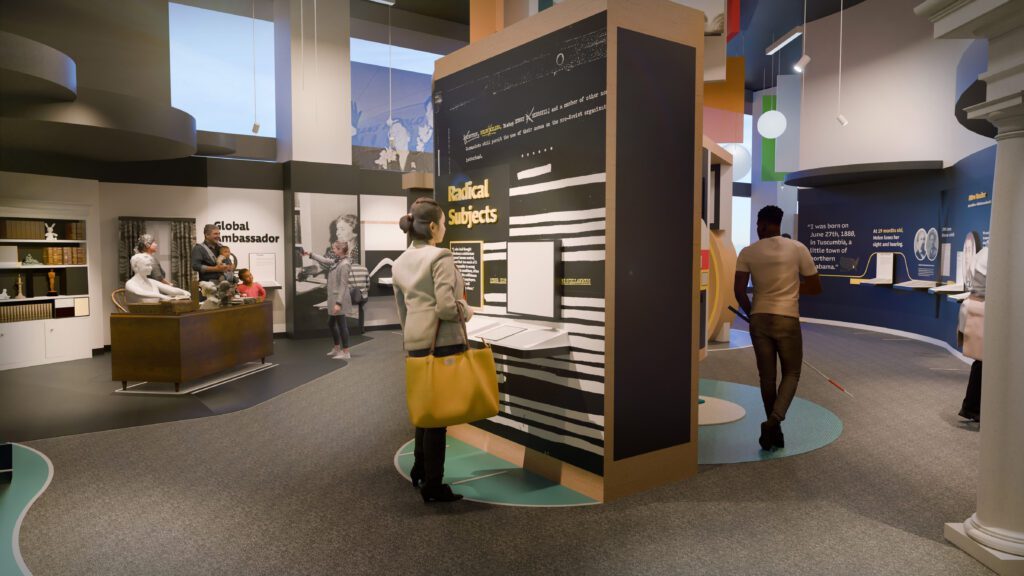
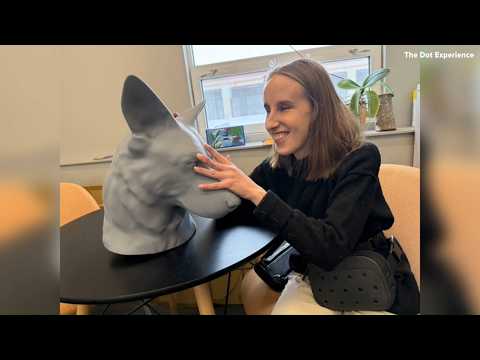
The Dot Experience opened Oct. 30 in Louisville, Kentucky, with a rule that reverses most museum etiquette: visitors are encouraged to touch the exhibits. The 28,000-square-foot museum, run by the American Printing House for the Blind, cost $22 million and is built so every image, artifact and display can be experienced through touch, sound, braille or visual description.

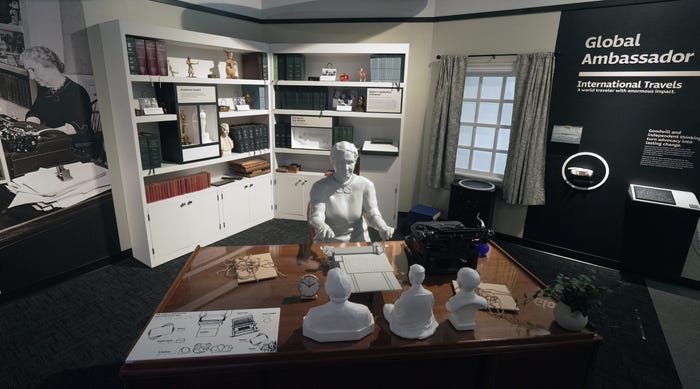
Tickets are $18 for adults, $16 for seniors and $14 for children 6 to 17; children 5 and under get in free. The museum is open 10 a.m. to 5 p.m. daily, and the first two hours every Monday are a quieter sensory-friendly period. Exhibits include Helen Keller's desk and letters, a piano Stevie Wonder practiced on as a child, and a tactile replica of the water pump linked to Keller's understanding of language.

Why it matters

It gives blind and low-vision visitors a museum built for them, and gives other museums a concrete model for tactile, audio and sign-language design.

Last Monday's email for Louisville, KY

Sent Nov 9. It carried:

Get next Monday's: one short email a week. Free. Unsubscribe in one click.

Questions about this story

Free account needed to ask — your question is kept and asked for you right after sign-up. Answers are public.

No questions yet — be the first to ask.

Key Indicators

28,000
Museum floor area
The Dot Experience spans 28,000 square feet.
$22M
Project cost
The museum was a $22 million project, first planned as a home for the Helen Keller archive.
4
Galleries
The museum has four galleries, including a Helen Keller exhibit and a braille history gallery.
170 years
APH operating history
The museum extends the American Printing House for the Blind's nearly 170-year mission.
$18
Adult admission
Seniors pay $16, children 6 to 17 pay $14, and ages 5 and under enter free.

Voices

Curated perspectives — historical figures and your fellow readers.

Sign up to generate historical perspectives on this story.

People Involved

Organizations Involved

Timeline

October 2026 November 2026

3 events Latest: 2 days ago
  1. APH describes museum's inclusive design in public interview

    Latest Interview

    Chief operating officer Jo Haas said every exhibit panel carries braille, visual media has sign language and captioning, flooring changes underfoot to mark travel paths, and a reset room offers a break. She said the museum is meant to make visitors notice barriers in their own schools, churches and workplaces.

  2. The Dot Experience opens to the public

    Opening

    Louisville museum opens with tactile exhibits and Helen Keller archive.

  3. Keller's great-grandniece previews exhibit

    Preview

    Keller Johnson-Thompson tours Helen Keller exhibit before opening.

Scenarios

1

Dot Experience marks first year of daily public operations

Likely Resolves by Oct 30, 2027

Discussed by: The Dot Experience and American Printing House for the Blind

The museum continues selling tickets and listing daily hours through its first year. This is the baseline outcome if the opening draws enough visitors to support regular operations.

2

Dot Experience closes or cuts public hours within a year

Unlikely Resolves by Oct 30, 2027

Discussed by: No named analyst has predicted closure; it is the downside case.

If attendance or funding falls short, the museum could reduce hours or close. The opening is new, and no public financial data yet shows whether ticket revenue covers operations.

3

APH publishes a museum accessibility guide for other institutions

Possible Resolves by Oct 30, 2028

Discussed by: The Dot Experience director Darrick Wood and designer Cynthia Torp

The museum's design team says it wants to be a model for inclusive museums. If APH or Solid Light publishes a formal design guide, other museums could adopt it.

Historical Context

2 moments from history that rhyme with this story — and how they unfolded.

July 1990

Americans with Disabilities Act (1990)

The U.S. law barred discrimination against people with disabilities in public accommodations, including museums. It required ramps, elevators, accessible restrooms and effective communication, but did not prescribe how exhibits themselves should be designed.

Then

Museums added physical access features to comply.

Now

Access often remained a compliance checklist; exhibit content and artifacts stayed behind glass.

Why this matters now

The Dot Experience goes further by making touch, braille and audio part of the exhibit design from the start.

1858

American Printing House for the Blind founded (1858)

Kentucky chartered APH to produce embossed books and educational materials for blind students. It grew into a national nonprofit based in Louisville.

Then

APH became a major supplier of braille and accessible educational tools.

Now

Its archives and factory became the foundation for The Dot Experience.

Why this matters now

The museum is an extension of APH's 170-year mission, placing its products and history in a public attraction.

Sources

(14)