

Pull to refresh
Logo
Louisville police body cameras now stream live to licensed psychologists on crisis calls

Louisville police body cameras now stream live to licensed psychologists on crisis calls

New Capabilities Louisville, KY local

Mayor calls the pilot a national first; psychologists advise but officers keep authority on scene

Overview

Updated Nov 1

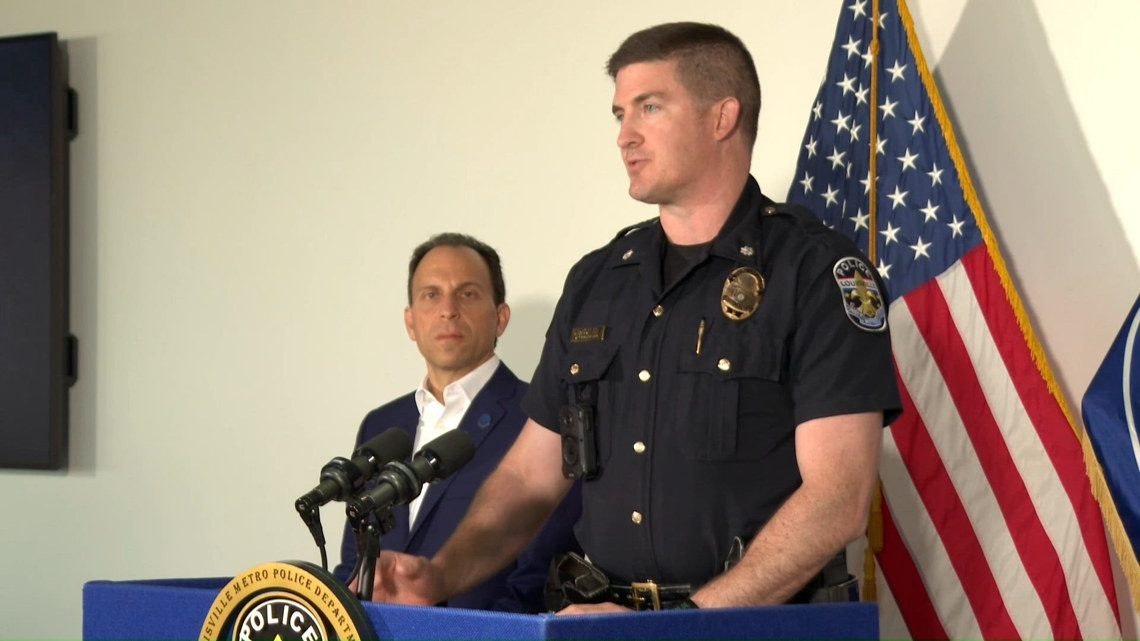
When a Louisville Metro officer responds to a mental health crisis call, a licensed psychologist can now watch the body camera feed live and suggest how to read the situation. The program is part of the Advanced Crisis Team, which launched Sept. 1 and has expanded to day shifts in other divisions.

Mayor Craig Greenberg calls it the first of its kind in the country. Psychologists advise, and officers keep decision authority on scene. The pilot follows the March 27 death of 28-year-old Katelyn Hall, and an independent monitor's August report that said LMPD's behavioral health response needed "urgent attention."

Why it matters

If the model works, Louisville sets the template for using live clinical guidance to cut police force on mental health calls.

Last Monday's email for Louisville, KY

Sent Nov 9. It carried:

Get next Monday's: one short email a week. Free. Unsubscribe in one click.

Questions about this story

Free account needed to ask — your question is kept and asked for you right after sign-up. Answers are public.

No questions yet — be the first to ask.

Key Indicators

2,500+
Crisis calls LMPD handled since Jan. 2026
LMPD says officers responded to more than 2,500 calls involving people in crisis since the start of 2026.
10
Crisis calls involving force beyond hand control
Of those 2,500+ calls, 10 involved force beyond basic hand control, per LMPD.
40
Hours of crisis intervention training per LMPD recruit
The independent monitor's August report noted recruits get 40 hours of Crisis Intervention Team training, but no specialized advanced behavioral health officers or refresher training were in place.

Voices

Curated perspectives — historical figures and your fellow readers.

Sign up to generate historical perspectives on this story.

People Involved

Organizations Involved

Timeline

September 2026 October 2026

3 events Latest: October 27th, 2026 · 2 weeks ago
  1. Psychologists get real-time body cam access as ACT expands

    Latest Expansion

    Licensed psychologists can now watch LMPD body cameras live during crisis calls; the program expands to day shifts in other divisions.

  2. Independent monitor flags LMPD behavioral health response

    Oversight

    Effective Law Enforcement for All presented its first monitoring report to Metro Council, calling LMPD's behavioral health response an area needing "urgent attention" and noting no specialized advanced response officers or refresher training were in place as of late June.

  3. Advanced Crisis Team pilot launches

    Launch

    LMPD starts the Advanced Crisis Team in one division, giving crisis calls access to specialized officers and clinical advice. By late October it had expanded to day shifts in other divisions.

Scenarios

1

Louisville expands psychologist body cam monitoring citywide

Possible Resolves by End of 2027

Discussed by: Louisville mayor's office and LMPD leadership

The mayor's office says it will review pilot outcomes to evaluate effectiveness. If use of force on crisis calls drops or officers report the live guidance helps de-escalate encounters, the city could extend the program beyond the current divisions.

2

Privacy and consent concerns restrict or halt the program

Uncertain Resolves by End of 2027

Discussed by: Potential civil rights challenge; no group has formally raised objections yet

Live body camera feeds show people in distress inside their homes. If questions about consent, footage retention, or who can access the recordings surface, the city could face legal or policy pressure to narrow or end psychologist access to the feeds.

3

Pilot ends after review finds no clear improvement

Possible Resolves by Q2 2027

Discussed by: Program evaluators reviewing pilot data for the mayor's office

If crisis call outcomes don't measurably improve or the program's cost outweighs its benefits, city officials could discontinue ACT in the next budget cycle without expanding it further.

4

Independent monitor's fall report grades the psychologist pilot

Likely Resolves by End of 2026

Discussed by: Effective Law Enforcement for All, the court-ordered monitor of LMPD reforms

ELEFA said it would release another report later in fall 2026 and continue reviewing LMPD's behavioral health policies and training. That report could say whether the psychologist advisory model counts as progress on the area it flagged as needing urgent attention.

Historical Context

3 moments from history that rhyme with this story — and how they unfolded.

1988 onwards

Crisis Intervention Team, Memphis (1988)

Memphis police created the Crisis Intervention Team (CIT) after an officer shot and killed a man with mental illness. The model trained volunteer officers in de-escalation and built formal partnerships with local mental health providers.

Then

CIT spread to hundreds of U.S. police departments within two decades and became the standard police response to mental health calls.

Now

Studies show CIT training improves officer attitudes and reduces arrests of people in crisis, though results on use of force are mixed.

Why this matters now

Louisville's program extends the CIT idea — trained officers plus clinical expertise — by putting a clinician directly on the officer's feed in real time.

1989 onwards

CAHOOTS, Eugene, Oregon (1989)

Eugene launched CAHOOTS, dispatching a medic and a crisis worker instead of police for non-violent mental health calls. The program grew to handle a large share of the city's emergency calls.

Then

CAHOOTS reduced police involvement in non-violent crisis calls and inspired similar programs in other cities, including Denver's STAR program.

Now

It became the leading example of civilian-led crisis response, shaping the national debate about alternatives to police.

Why this matters now

CAHOOTS routes crises away from police entirely. Louisville's pilot keeps police on scene but adds a remote clinical advisor — a middle path between the two models.

2014-2016

US police departments adopt body-worn cameras (2014-2016)

After the 2014 Ferguson protests, the Department of Justice launched grant programs to help departments buy body cameras. Most major U.S. police agencies adopted them within a few years.

Then

Cameras became standard police equipment in large departments, shifting the debate from whether to record to who can access the footage.

Now

Streaming technology has since made it possible to use body cameras not just for documentation but for live, real-time oversight.

Why this matters now

Louisville is using cameras deployed for evidence recording as a live clinical tool — moving from documenting encounters to influencing them as they happen.

Sources

(5)