
Pull to refresh
Logo
Louisville Democrats hold Metro Council majority as Republican takeover bid falls short

Louisville Democrats hold Metro Council majority as Republican takeover bid falls short

Rule Changes Louisville, KY local

The GOP targeted three districts for a first-ever majority. All three stayed with the incumbent, and a Republican councilman now says the city's pull in Frankfort has weakened.

Overview

Updated 3 days ago

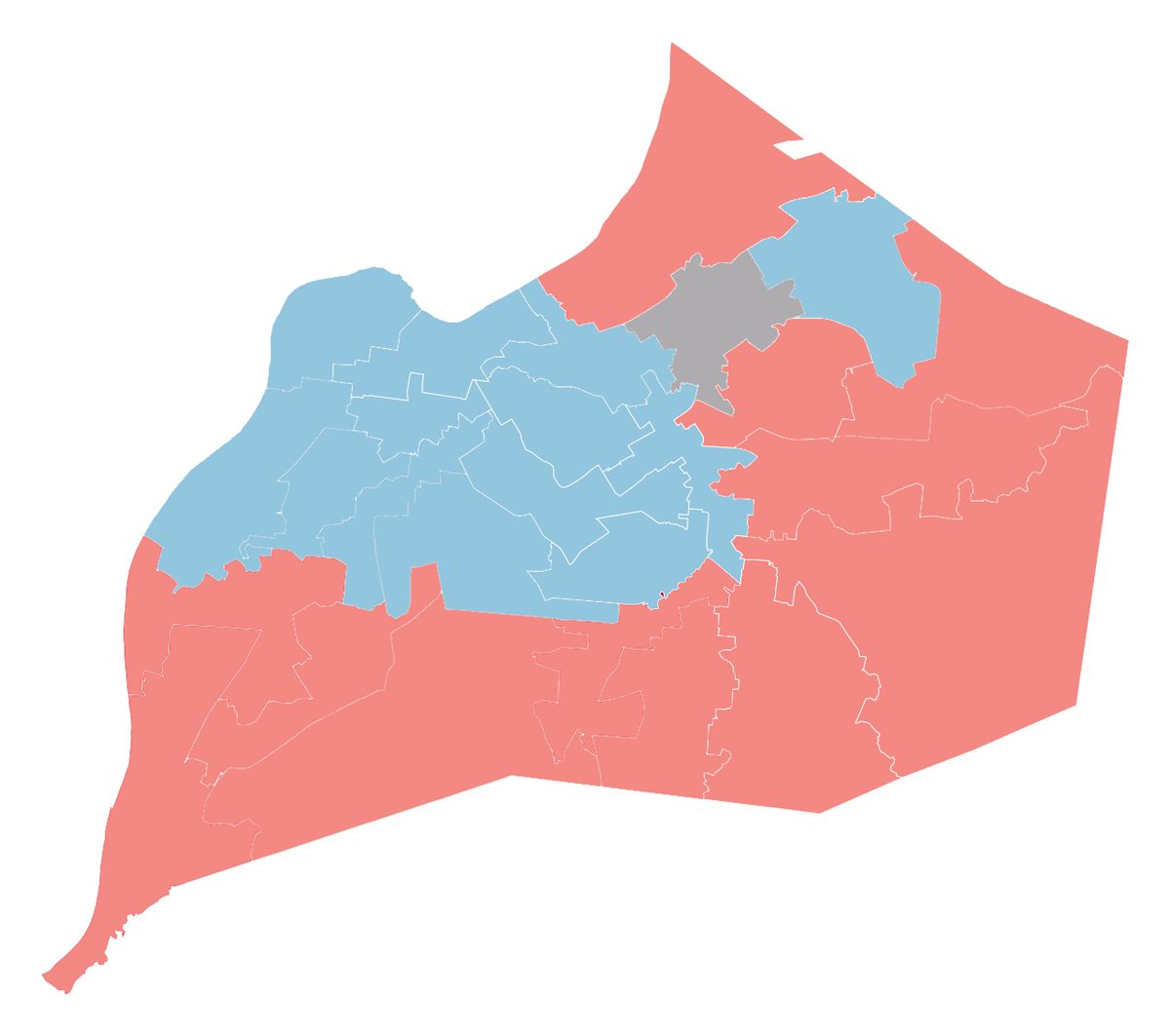
Louisville's Metro Council keeps its one-vote split. Democrats won 13 seats in Tuesday's election and Republicans won 12, with the council's lone independent, Paula McCraney, holding the District 7 seat Republicans had targeted.

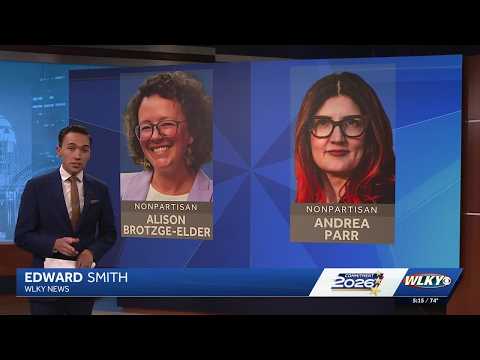
It was the city's first council and mayoral vote without party labels on the ballot, under a state law that took effect in January. Republicans named three target districts and lost all three, so Democrats keep the majority they have held since Louisville and Jefferson County merged governments in 2003. On Nov. 6, Republican Councilman Kevin Kramer said the defeat of two Republican state legislators who steered money to Louisville will make it harder for the city to win state funding; Mayor Craig Greenberg said he is confident he can keep working with General Assembly leaders.

Why it matters

One seat decides Louisville's budget, zoning and policing votes for two years, and the city's state funding now depends on new allies in Frankfort.

Last Monday's email for Louisville, KY

Sent Nov 9. It carried:

Get next Monday's: one short email a week. Free. Unsubscribe in one click.

Questions about this story

Free account needed to ask — your question is kept and asked for you right after sign-up. Answers are public.

No questions yet — be the first to ask.

Key Indicators

13
Democratic council seats
Unchanged from before the election, according to unofficial results.
12
Republican council seats
The GOP gained nothing after winning every district it targeted in the two previous cycles.
1
Seats separating the parties
Democrats' majority is a single seat on the 26-member council.
2
Republican legislators Louisville lost
State Rep. Jason Nemes and state Sen. Julie Raque Adams, credited with bringing record state investment to the city, lost their seats.

Voices

Curated perspectives — historical figures and your fellow readers.

Sign up to generate historical perspectives on this story.

People Involved

Organizations Involved

Timeline

2003 November 2026

9 events Latest: 5 days ago
Tap a bar to jump to that date
  1. Kramer says state money gets harder to win

    Latest Statement

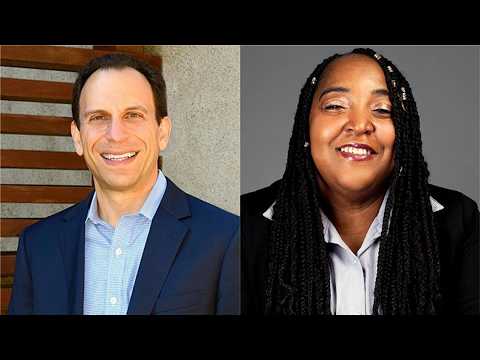
    Republican Councilman Kevin Kramer said Mayor Craig Greenberg's lobbying for state appropriations gets 'absolutely' harder after state Rep. Jason Nemes and state Sen. Julie Raque Adams lost. Greenberg said he is confident he can build on those relationships; Senate President Robert Stivers asked who would now be Louisville's advocate at the table.

  2. Targeted incumbents hold

    Election

    Winkler, Ruhe and McCraney win by significant margins; GOP gains no seats.

  3. Barker unseats Purvis in District 5

    Election

    The former police officer wins by more than 1,600 votes; both are Democrats.

  4. Kentucky Democrats gain across the state

    Election

    The party flips nine legislative seats and a U.S. House district.

  5. Republicans announce three-district plan

    Strategy

    Jefferson County GOP targets Districts 7, 17 and 21 for a first-ever majority.

  6. McCraney leaves the Democratic caucus

    Statement

    She becomes the council's only independent, citing party infighting.

  7. Republican membership bottoms out at seven seats

    Election

    The GOP begins two cycles of gains, flipping every district it targets.

  8. Louisville and Jefferson County merge governments

    Institutional

    The merger creates the 26-seat Metro Council, which Democrats control from its first session.

Scenarios

1

Results certified, Democrats organize a 13-12 council

Likely Resolves by Jan 31, 2027

Discussed by: Jefferson County Clerk's office and local outlets reporting unofficial returns

The canvass confirms the Tuesday count, and at the January organizational meeting the Democratic caucus elects the council president and committee chairs with its one-seat margin. No seat changes hands on certification or recount.

2

A member switches caucus or resigns, erasing the one-vote margin

Possible Resolves by Q2 2028

Discussed by: Louisville political reporters tracking the council's recent history of caucus changes

The margin is one seat. A defection or a mid-term vacancy filled by someone from the other party would flip control without an election, the way McCraney's 2025 departure from the Democratic caucus already narrowed the field once.

3

Republicans win a Metro Council majority in 2028

Possible Resolves by Nov 30, 2028

Discussed by: Jefferson County Republican Party, which built its 2026 strategy on two prior cycles of gains

The GOP's targeting record before 2026 was perfect: it won every district it went after in 2022 and 2024, climbing from seven seats to 12. A third cycle of gains, on a presidential-year electorate, would give Republicans 14 seats and control for the first time.

4

Louisville wins less state money in the 2028 budget

Possible Resolves by Apr 15, 2028

Discussed by: Metro Councilman Kevin Kramer and Kentucky Senate President Robert Stivers, in interviews with WHAS11

Kramer said Greenberg will have to 'double down' on lobbying because the city's two biggest advocates in Frankfort, Rep. Jason Nemes and Sen. Julie Raque Adams, lost their seats. Stivers said Republican majorities will make the budget decisions and asked who would replace them. Greenberg said he is confident he can keep working with legislative leaders.

Historical Context

3 moments from history that rhyme with this story — and how they unfolded.

2003

Louisville-Jefferson County merger (2003)

The city of Louisville and Jefferson County merged governments, replacing a patchwork of separate jurisdictions with one metro government and a 26-seat council elected by district.

Then

Democrats won the council majority in the first election and have held it since.

Now

The merged structure became the baseline that local Republicans described in 2026 as the political order they wanted to disrupt.

Why this matters now

The Republican plan was explicitly aimed at breaking a majority that has survived every election since the merger.

2019-2026

Republican gains on Metro Council (2019-2026)

Republicans fell to seven council seats in 2019, then won every district they targeted in the next two election cycles, reaching 12.

Then

The streak made a 2026 majority look achievable, and the county party named three districts to flip.

Now

None of the three flipped, so the streak ended one seat short of a majority.

Why this matters now

It explains why the 2026 result is a stop rather than a reversal: the GOP still holds 12 seats, its high-water mark.

2024

Kentucky ends party labels on Louisville ballots (2024)

A state law, House Bill 288, required Louisville's mayoral and Metro Council races to run as nonpartisan contests. Candidates no longer carry a party affiliation on the ballot.

Then

Local parties kept endorsing candidates, and the council kept organizing into Democratic and Republican caucuses.

Now

The change altered how the races were presented to voters without altering how the chamber operates.

Why this matters now

Tuesday was the first test of the format, and the outcome looked much like the partisan elections before it.

Sources

(7)