
Pull to refresh
Logo
A twice-yearly HIV shot arrives as funding to deliver it shrinks

A twice-yearly HIV shot arrives as funding to deliver it shrinks

New Capabilities

Extended trial data confirmed zero infections. PEPFAR cuts have already closed 1,700 clinics, and the program ends in 2027.

July 27th, 2026: UNAIDS releases special report warning HIV response is faltering

Overview

Updated Jul 31

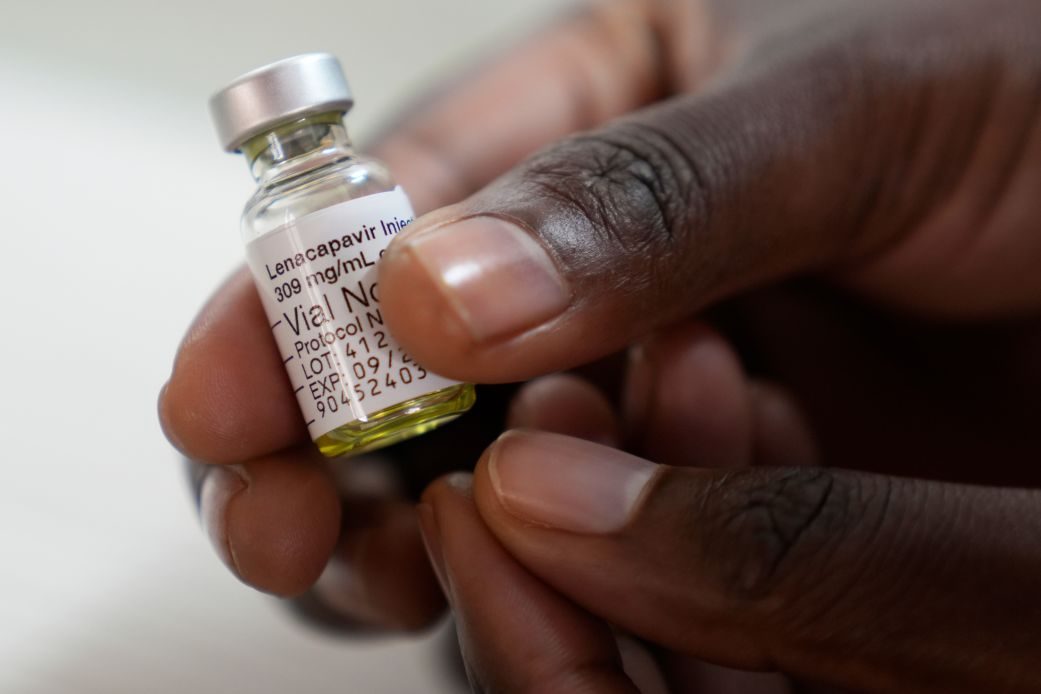
Lenacapavir recorded zero infections across 4,493 person-years in extended follow-up data confirmed at AIDS 2026, which closed in Rio de Janeiro on July 31. The conference ended with the drug's scientific case stronger than ever and its delivery prospects getting worse.

Peer-reviewed studies presented during the week documented what PEPFAR disruptions have already cost: 1,714 clinic closures, 77,000 fewer children on treatment, and a 51% drop in prevention spending in affected countries. With the Trump administration set to permanently end PEPFAR by early 2027, UNAIDS estimates a full cutoff could generate 6.6 million additional infections and 4.2 million more deaths.

Why it matters

The drug works. The funding that would deliver it to millions is being cut off before the rollout can finish.

Questions about this story

Free account needed to ask — your question is kept and asked for you right after sign-up. Answers are public.

No questions yet — be the first to ask.

Key Indicators

100%
Efficacy in extended PURPOSE 1 follow-up
Zero new HIV infections across 4,493 person-years in the PURPOSE 1 open-label extension, confirmed at AIDS 2026.
3 million
People targeted by 2028
Combined PEPFAR and Global Fund purchase commitment for lenacapavir prevention, at risk as PEPFAR heads toward a permanent shutdown.
$40
Generic price per person per year
Planned cost of generic lenacapavir in up to 120 lower-income countries from 2027.
1,714
HIV clinics closed
Service sites shut down following PEPFAR funding disruptions, documented in peer-reviewed studies at AIDS 2026.

Voices

Curated perspectives — historical figures and your fellow readers.

Ever wondered what historical figures would say about today's headlines?

Sign up to generate historical perspectives on this story.

People Involved

Organizations Involved

Timeline

June 2024 July 2026

12 events Latest: July 27th, 2026 · 2 months ago Showing 8 of 12
Tap a bar to jump to that date
  1. UNAIDS releases special report warning HIV response is faltering

    Latest Research

    UNAIDS released 'Global HIV response falters as reemergence looms' at AIDS 2026, warning a permanent end to U.S. bilateral HIV funding could generate 6.6 million additional infections and 4.2 million more deaths.

  2. Peer-reviewed studies at AIDS 2026 put numbers on PEPFAR damage

    Research

    Conference presentations documented 1,714 HIV service site closures, 77,000 fewer children on treatment in FY2025, and a 51% collapse in prevention spending following PEPFAR funding disruptions.

  3. WHO issues guidance on long-acting HIV prevention at AIDS 2026

    Guidance

    WHO released updated guidance on long-acting HIV treatment, HIV PrEP, and doxycycline post-exposure prophylaxis at the conference, calling community-led delivery essential to hitting 2030 targets.

  4. AIDS 2026 opens in Rio de Janeiro

    Conference

    The 26th International AIDS Conference convenes, centered on scaling long-acting prevention amid disrupted global HIV funding.

  5. Once-weekly oral pill posts positive Phase 3 results

    Clinical Trial

    Gilead and Merck report that a weekly islatravir/lenacapavir pill held HIV suppressed in switch trials, matching daily regimens.

  6. Purchase commitment rises to 3 million people

    Funding

    PEPFAR and the Global Fund add a million more people to the lenacapavir prevention target, with Gilead supplying at cost.

  7. Kenya begins national rollout

    Delivery

    Kenya starts offering long-acting injectable lenacapavir for HIV prevention through its public health system.

  8. First shipments reach Eswatini and Zambia

    Delivery

    The Global Fund delivers lenacapavir for prevention to two African countries, the first new HIV drug to arrive there in its approval year.

  9. Funders commit to 2 million people; generic deal set at $40

    Funding

    PEPFAR and the Global Fund pledge lenacapavir for up to 2 million by 2028. Gates Foundation and Unitaid target a $40 generic price from 2027.

  10. WHO recommends injectable lenacapavir

    Guidance

    The World Health Organization endorses twice-yearly lenacapavir as a prevention option at its Kigali conference.

  11. FDA approves lenacapavir for prevention

    Regulatory

    The U.S. Food and Drug Administration approves lenacapavir, sold as Yeztugo, as twice-yearly pre-exposure prophylaxis.

  12. PURPOSE 1 trial shows 100% prevention in women

    Clinical Trial

    Gilead reports that twice-yearly lenacapavir prevented every HIV infection among cisgender women in a large African trial.

Scenarios

1

Funders hit the 2-million target on schedule

Possible Resolves by End of 2028

Discussed by: PEPFAR and Global Fund program updates; AVAC access analysts

Supply deals hold, generic production ramps in 2027, and countries integrate the shot into existing clinics fast enough to initiate 2 million people on lenacapavir prevention by the 2028 goal. This requires funding to stay roughly intact and delivery systems to absorb a new injectable at scale.

2

Generic lenacapavir ships at about $40 a year

Possible Resolves by End of 2027

Discussed by: Unitaid; Gates Foundation; generic manufacturers

Licensed generic makers in India and elsewhere reach volume production in 2027 and supply lenacapavir at roughly $40 per person per year across lower-income countries. Delays in manufacturing scale-up or regulatory approval could push the price or the timing.

3

Weekly oral pill wins U.S. approval

Likely Resolves by End of 2027

Discussed by: Gilead and Merck; FDA regulatory filings

Detailed ISLEND-1 and ISLEND-2 data hold up, the companies file, and the FDA approves the once-weekly islatravir/lenacapavir tablet as the first complete weekly oral HIV treatment. A safety signal or filing delay would push this past the deadline.

4

Funding cuts drive infections up in affected countries

Possible Resolves by Jul 31, 2027

Discussed by: UNAIDS; AIDS 2026 modeling presentations

Site closures from PEPFAR disruptions outpace the lenacapavir rollout, and countries that lost services report rising new HIV infections. The prevention tool exists, but delivery gaps let transmission climb before scale-up catches up.

5

Non-U.S. funders replace the PEPFAR gap and keep the 3-million target alive

Uncertain Resolves by Q1 2027

Discussed by: UNAIDS, Global Fund officials, AIDS 2026 delegates, Africa Science News

With PEPFAR set to permanently end by early 2027, the Global Fund and European governments would need to absorb the U.S. share of the lenacapavir rollout. UNAIDS has flagged a 6.6-million-infection risk if the gap isn't filled. Whether high-income donors act fast enough to maintain clinic capacity and purchase commitments is the defining financial question of the post-conference period.

Historical Context

3 moments from history that rhyme with this story — and how they unfolded.

2000–2004

Antiretroviral price collapse (2000–2004)

HIV treatment cost about $10,000 per patient a year, out of reach for most of Africa. Generic competition from Indian manufacturers and pressure campaigns cut the price to under $350, then lower. PEPFAR launched in 2003 to fund mass treatment.

Then

Millions in poor countries began antiretroviral therapy for the first time within a few years.

Now

The episode set the template: a working drug matters less than the price and financing that decide who gets it.

Why this matters now

Lenacapavir faces the same split today, cheap generics abroad against a high branded price, and the same question of whether funding closes the gap.

July 2012

Truvada approved for prevention (2012)

The FDA approved the daily pill Truvada as the first pre-exposure prophylaxis for HIV. It was highly effective when taken consistently. Uptake stayed low for years because of cost, stigma, and the difficulty of a daily regimen.

Then

Prevention prescriptions grew slowly and unevenly, concentrated in wealthier countries and populations.

Now

A decade passed before oral PrEP reached meaningful scale, showing that daily adherence is a real barrier.

Why this matters now

A twice-yearly shot removes the daily-pill problem that held back Truvada, which is why lenacapavir is treated as a chance to break that pattern.

December 2021

Cabotegravir long-acting PrEP approved (2021)

The FDA approved cabotegravir, an injectable given every two months, as long-acting HIV prevention. It outperformed daily pills in trials. Price and limited supply slowed its arrival in the countries with the highest HIV burden.

Then

Rollout in Africa lagged years behind approval as access deals were negotiated.

Now

It became a cautionary case for how a better tool can still stall on cost and supply.

Why this matters now

Lenacapavir's backers built early at-cost and generic deals specifically to avoid repeating cabotegravir's slow, uneven launch.

Sources

(19)