


Pull to refresh
Logo
Tinnitus device Lenire added to U.S. ENT guidelines, first new treatment since 2014

Tinnitus device Lenire added to U.S. ENT guidelines, first new treatment since 2014

Rule Changes

American Academy of Otolaryngology lists bimodal neuromodulation, the method behind Lenire, as an option in its updated tinnitus guidelines

Overview

Updated Oct 20

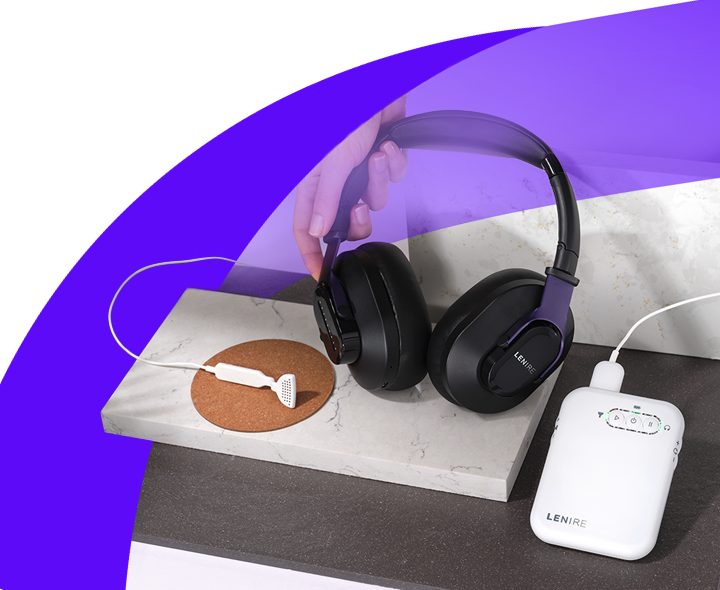
The American Academy of Otolaryngology–Head and Neck Surgery Foundation now lists bimodal neuromodulation, the method used by the Lenire device, as a treatment option for adults whose tinnitus persists and bothers them. It is the first new treatment the academy has added since it published its first tinnitus guidelines in 2014.

The updated guideline, released October 12, says doctors may offer the treatment, which pairs sound through headphones with mild electrical pulses on the tongue. The academy graded it an option rather than a stronger recommendation, and advises against repetitive transcranial magnetic stimulation, medications and dietary supplements for routine use. Neuromod Devices says Lenire is the only FDA-approved device of its kind, cleared in March 2023.

Why it matters

For the 50 million Americans with tinnitus, ENTs now have a guideline-backed, FDA-approved treatment to offer instead of managing symptoms alone.

Questions about this story

Free account needed to ask — your question is kept and asked for you right after sign-up. Answers are public.

No questions yet — be the first to ask.

Key Indicators

50M+
Americans reporting tinnitus
More than 50 million people in the U.S. have reported experiencing tinnitus, according to the academy.
12,000+
U.S. ENTs cited by Neuromod
Figure given by founder Dr. Ross O'Neill for the practicing ENTs who can now recommend Lenire.
81.8%
Response in audiology analysis
Patients with bothersome tinnitus who reported a clinically significant reduction in a retrospective analysis in the American Journal of Audiology.
91.5%
Response in second real-world paper
Share of tinnitus patients with a clinically significant reduction reported in a real-world evidence paper in Nature Communications Medicine.
70.5%
TENT-A3 combined-therapy response
Participants with moderate or worse tinnitus who did not improve on sound alone and improved after six weeks of sound plus tongue stimulation.

Voices

Curated perspectives — historical figures and your fellow readers.

Sign up to generate historical perspectives on this story.

People Involved

Organizations Involved

Timeline

2014 October 2026

5 events Latest: October 19th, 2026 · 3 weeks ago
Tap a bar to jump to that date
  1. Neuromod announces Lenire's guideline inclusion

    Latest Announcement

    Neuromod Devices announces Lenire is the first new treatment added to the AAO-HNSF tinnitus guidelines since 2014.

  2. AAO-HNSF publishes updated tinnitus guidelines

    Guideline

    The updated clinical practice guideline includes bimodal neuromodulation as a treatment option and recommends against repetitive transcranial magnetic stimulation.

  3. Real-world evidence study published

    Research

    A retrospective analysis in the American Journal of Audiology reports that 81.8% of patients with bothersome tinnitus had a clinically significant reduction in tinnitus with Lenire.

  4. FDA grants De Novo approval to Lenire

    Regulatory

    The Food and Drug Administration approves Lenire as the first bimodal neuromodulation device for tinnitus.

  5. AAO-HNSF publishes first tinnitus guidelines

    Guideline

    The American Academy of Otolaryngology establishes its first clinical practice guidelines for tinnitus.

Scenarios

1

Lenire becomes standard of care for U.S. tinnitus patients

Likely Resolves by End of 2028

Discussed by: Neuromod Devices, AAO-HNSF

With guideline inclusion, more ENTs prescribe Lenire. Insurance coverage expands as the guideline gives payers a basis for reimbursement. The device becomes a first-line treatment for bothersome tinnitus, similar to how hearing aids became standard after guideline endorsement.

2

Adoption lags as ENTs stick with established treatments

Possible Resolves by End of 2028

Discussed by: Medical device adoption analysts

Despite guideline inclusion, adoption is slow. ENTs continue to recommend hearing aids and cognitive behavioral therapy, which have longer track records. Lenire remains a niche option at specialized tinnitus centers rather than a mainstream treatment.

3

Rival bimodal devices enter the market

Possible Resolves by End of 2028

Discussed by: Medical device industry observers

The guideline inclusion validates the bimodal neuromodulation category. Competitors develop similar sound-plus-stimulation devices and seek FDA approval. The market expands beyond Lenire, potentially driving prices down and increasing patient access.

4

Independent trial tests what tongue stimulation adds

Possible Resolves by End of 2028

Discussed by: Guideline reviewers, as reported by Archyde

TENT-A3 gave participants six weeks of sound-only therapy, then six weeks of sound plus tongue stimulation, rather than comparing the two in separate groups at the same time. According to Archyde's account, the guideline authors listed bimodal neuromodulation as an option and pointed to a need for independent post-market studies that isolate the tongue stimulation's added benefit.

Historical Context

3 moments from history that rhyme with this story — and how they unfolded.

March 2023

FDA De Novo approval of Lenire (2023)

The FDA granted De Novo approval to Lenire, creating a new regulatory category for bimodal neuromodulation devices. The approval was based on the TENT-A3 controlled clinical trial, whose results were published in Nature Communications and ranked in the 99th percentile of most-viewed articles tracked by the journal.

Then

Lenire became the first FDA-approved bimodal neuromodulation device for tinnitus.

Now

The approval established the regulatory pathway for future devices in this category.

Why this matters now

The 2023 FDA approval was the regulatory foundation that made the 2026 guideline inclusion possible.

2014

AAO-HNSF 2014 tinnitus guidelines

The American Academy of Otolaryngology published its first clinical practice guidelines for tinnitus, establishing a framework for diagnosis and treatment. The guidelines recommended hearing aids, sound therapy, and cognitive behavioral therapy.

Then

ENTs gained a standardized approach to tinnitus care.

Now

The 2014 guidelines became the baseline that the 2026 update revises.

Why this matters now

The 2026 update is the first revision of these guidelines, and Lenire is the only new treatment added.

2023

TENT-A3 pivotal trial (2023)

Neuromod's pivotal TENT-A3 controlled clinical trial provided the evidence base for FDA approval. The results were published in Nature Communications, a top-tier scientific journal.

Then

The trial data supported FDA's De Novo approval of Lenire.

Now

The published results became the evidence cited in the 2026 clinical guidelines.

Why this matters now

The trial's publication in a peer-reviewed journal gave the AAO-HNSF panel the evidence needed to include bimodal neuromodulation in its guidelines.

Sources

(10)