Investigation confirms 79-80 killed by fire that started in flower shop as children played with matches; Sindh High Court creates single-member judicial commission headed by Justice Agha Faisal and issues notices to KMC and SBCA; government orders separate judicial inquiry and compensation distribution underway
Investigation confirms 79-80 killed by fire that started in flower shop as children played with matches; Sindh High Court creates single-member judicial commission headed by Justice Agha Faisal and issues notices to KMC and SBCA; government orders separate judicial inquiry and compensation distribution underway
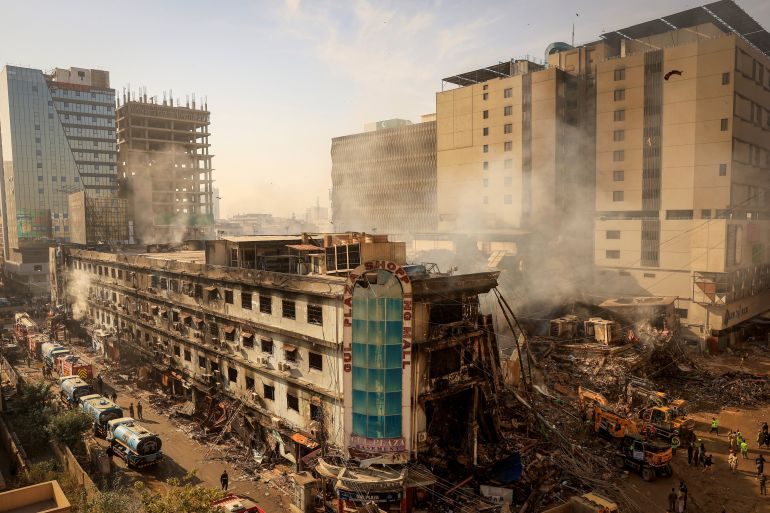
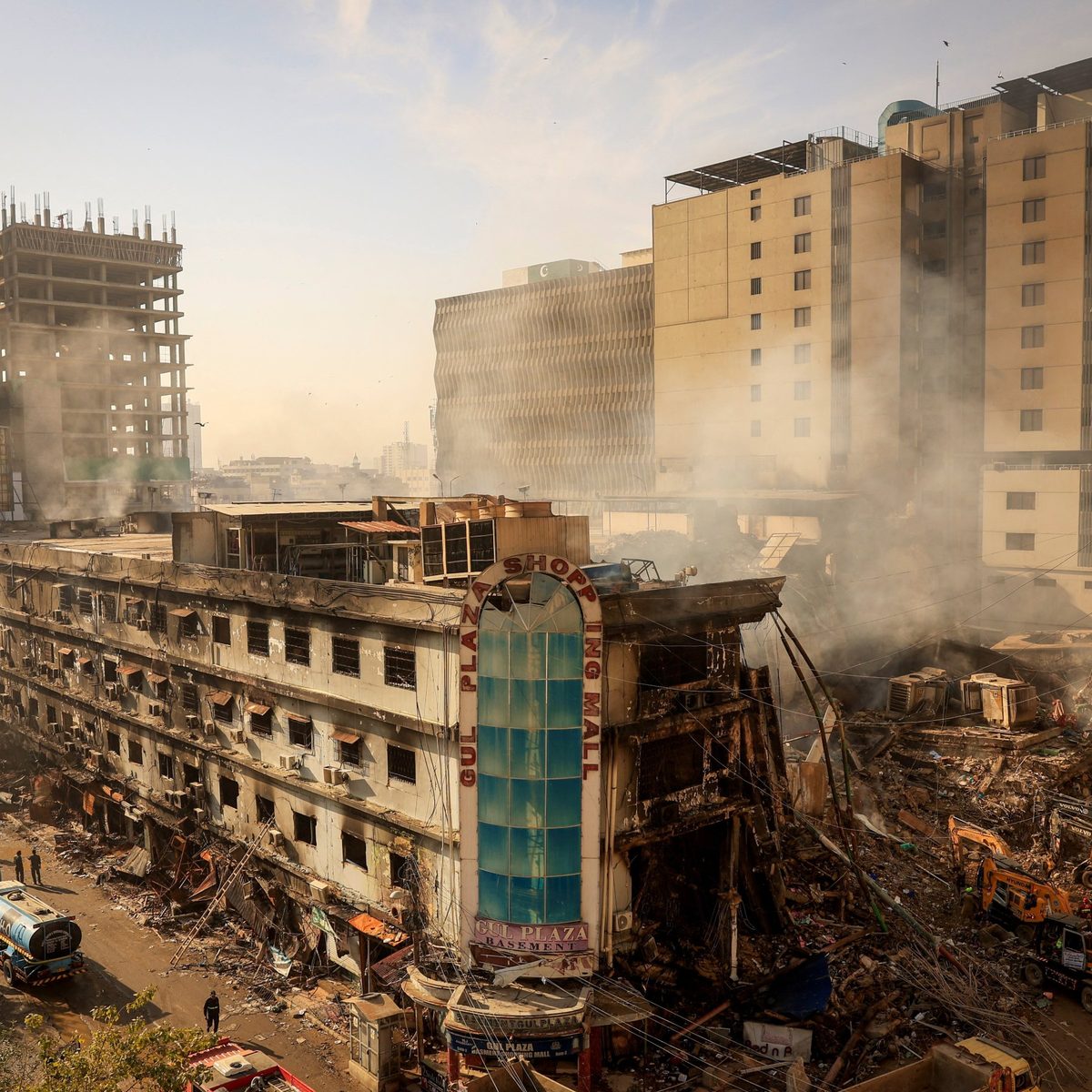
Thirty bodies were found in a single shop. The victims—shopkeepers and customers at 'Dubai Crockery' on the mezzanine floor of Karachi's Gul Plaza—had pulled down the iron shutters to escape flames and stampeding crowds. Instead, they trapped themselves.
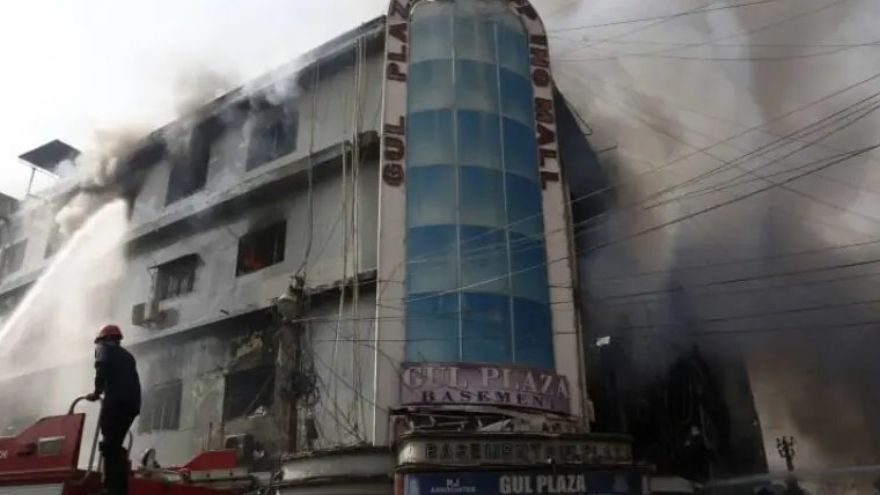
Final investigation reports confirm 79-80 people died in the fire that swept through the 1,200-shop commercial complex on MA Jinnah Road on January 17, 2026. The nine-day search operation concluded January 26 with the building sealed. By January 30, investigators had identified 69 victims using DNA testing, geo-tagging technology, and ante-mortem data.
Police registered a criminal case January 23 citing 'negligence and carelessness.' A five-member special investigation team formed January 26 to arrest those responsible. Both Civil Defence officials were suspended January 29 for failing to enforce prior safety violation notices.
The Gul Plaza disaster is Karachi's deadliest fire since 260 garment workers died at Ali Enterprises in 2012. A government audit completed in January 2024 identified 266 buildings (including Gul Plaza's neighborhood) that failed fire safety standards. The audit was withheld for two years until January 19, 2026—two days after the fire began.
On February 4, the Sindh High Court created a single-member judicial commission headed by Justice Agha Faisal under the Sindh Tribunals of Inquiry Ordinance 1969 to examine fire causes and circumstances. The court issued simultaneous notices to the Karachi Metropolitan Corporation and Sindh Building Control Authority, citing their failure to implement mandatory fire safety directions issued in December 2020. A hearing is scheduled for February 10.
The provincial government announced its own judicial inquiry on January 29. Compensation distribution has begun: Rs10 million per victim family, plus Rs500,000 immediate support for affected shopkeepers. Whether these parallel accountability mechanisms produce genuine reform or follow Pakistan's pattern of post-tragedy impunity remains the critical question.
Questions about this story
Free account needed to ask — your question is kept and asked for you right after sign-up. Answers are public.
No questions yet — be the first to ask.
Key Indicators
79-80
Confirmed Deaths
Final death toll per investigation reports completed January 28-29, 2026
69 of 79
Victims Identified
23 through DNA testing, 12 via geo-tagging technology, 30 via anti-mortem data and proof of presence (Jan 30)
Justice Agha Faisal
Judicial Commission Chair
Single-member commission constituted by SHC on February 4, 2026 under Sindh Tribunals of Inquiry Ordinance 1969
2,368
Buildings to Be Audited
Province-wide fire safety audit ordered by CM Shah on January 26; includes 562 in Karachi
90%
Buildings Lack Fire Safety
SBCA survey of eastern, central, and southern Karachi districts found vast majority have inadequate or non-functional equipment
34 events
Latest: February 10th, 2026 · 7 months ago
Showing 8 of 34
JK to step
Tap a bar to jump to that date
Jump to
February 2026
SHC Hearing on KMC and SBCA Compliance with Fire Safety Directions
LatestLegal Proceeding
Sindh High Court scheduled hearing where KMC and SBCA must respond to notices regarding their failure to implement mandatory fire safety directions issued December 8, 2020. Petitioners seek declaration that fire resulted from negligence and maladministration.
Sindh High Court Constitutes Judicial Commission
Government Response
SHC establishes single-member judicial commission headed by Justice Agha Faisal under Sindh Tribunals of Inquiry Ordinance 1969 to examine causes of fire and surrounding circumstances. Commission to review all documents related to incident.
International Media Coverage Highlights Systemic Safety Failures
Media Coverage
Anadolu Agency reports Gul Plaza as Karachi's deadliest fire in a decade, exposing dangers of unchecked urban growth and systemic regulatory failures in Pakistan's largest city.
January 2026
30 Additional Victims Identified; Total Reaches 69 of 72
Recovery
Authorities identify 30 more victims using anti-mortem data combined with evidence including mobile phone location and post-mortem findings, bringing total identified to 69. Only three victims' remains still await identification.
Sindh High Court Rejects Governor's Judicial Commission Request
Government Response
SHC declines Governor Tessori's January 29 request to constitute judicial commission, citing non-compliance with Pakistan Commissions of Inquiry Act 2017. Court explains that authority to constitute formal inquiry commission rests with the government, not judiciary.
CM Murad Convenes Meeting to Review Investigation Report
Investigation
Chief Minister Murad Ali Shah convenes meeting to review investigative report into Gul Plaza tragedy. Provincial government considers whether to form judicial commission following completion of initial investigation.
Governor Formally Requests Judicial Commission from Sindh High Court
Government Response
Governor Kamran Tessori writes formal letter to Chief Justice of Sindh High Court requesting constitution of independent judicial commission of inquiry. Emphasizes need for 'transparent, independent, and credible inquiry to ascertain the causes, regulatory lapses, and any responsibility on the part of individuals or institutions.'
12 Additional Victims Identified via Geo-Tagging; Total Reaches 42
Recovery
Sindh Police and Punjab Urban Search and Rescue Force identify 12 more victims using ARSEN Technology geo-tagging, which analyzes digital evidence from mobile devices at fire sites. Identified include three family members (Umar Nabeel, wife Dr Ayesha, son Ali) and nine others. Total identified victims reaches 42 of 79.
Sindh Government Announces Judicial Inquiry
Government Response
Information Minister Sharjeel Inam Memon announces Sindh government will conduct judicial inquiry into Gul Plaza tragedy. States that Sindh High Court will be requested to appoint serving judge to review and decide the matter. Announces compensation distribution has begun.
Civil Defence Director and Director General Suspended
Government Response
Sindh government suspends both the director and director general of Civil Defence with immediate effect for failing to implement safety violation notices previously sent to Gul Plaza. Sub-committee finds serious discrepancies in lease and approval documents from SBCA and KMC spanning 1979-2015; Anti-Corruption instructed to assess and take legal action.
Final Investigation Report Completed; Death Toll Confirmed at 79
Investigation
Karachi Commissioner Syed Hassan Naqvi and Additional IG Javed Alam Odho complete final investigation report. Confirms 79 fatalities with majority occurring on mezzanine floor. Fire started at 10:15pm in flower shop due to children playing with matches. First fire tender arrived 10:37pm. Report details timeline but does not yet assign criminal responsibility.
CM Shah Orders Province-Wide Fire Safety Audit of 2,368 Buildings
Regulatory
Chief Minister Murad Ali Shah orders comprehensive fire safety audit of all major government, private, and commercial buildings across Sindh. Initial list includes 2,368 buildings with strict compliance timelines: 562 in Karachi, 478 in Hyderabad, 363 in Sukkur, 337 in Shaheed Benazirabad, 344 in Larkana, and 284 in Mirpurkhas divisions.
Five-Member Special Investigation Team Formed to Make Arrests
Investigation
Karachi police constitute five-member special team for 'arrest of involved accused person(s) and impartial investigation.' Team directed to make 'all-out efforts' to arrest suspects identified in FIR. CM Shah vows 'no leniency' for those responsible.
Gul Plaza Sealed After Search Operation Concludes
Recovery
Nine-day search operation concludes with final review by survey team. Building sealed with KMC personnel digging pits around structure to install iron shuttering and green plastic netting. Deputy Commissioner South Javed Nabi Khoso confirms operation complete. Death toll stands at 73-74 at time of sealing.
SBCA Survey Reveals 90% of Buildings Lack Adequate Fire Safety
Regulatory
SBCA survey of eastern, central, and southern Karachi districts finds approximately 90% of structures have inadequate fire safety equipment. Most buildings have non-functional or defectively maintained equipment. Emergency exits found occupied, locked, or absent.
23 Victims Identified Through DNA and Other Methods
Recovery
Police Surgeon reports 23 victims identified as of January 25, with 16 confirmed through DNA testing conducted at University of Karachi's Sindh Forensic DNA and Serology Lab. DNA samples collected from families.
Search Operations Enter 'Final Stages'; Death Toll Reaches 71
Recovery
South Deputy Commissioner announces search operations are in final stages with 80% of site searched. Death toll reaches 71. Approximately 40% of collapsed debris still requires clearing. Police Surgeon Dr Summaiya Syed issues updated list of deceased.
Fire Cause Identified: Children Playing with Matches
Investigation
Preliminary investigation reveals fire started when shop owner's two minor sons threw a lit match into artificial flower shop without extinguishing it. Fire spread rapidly through building's duct system. Rescue 1122 DG confirms fire originated in flower shop and spread via ducts.
Families Protest Slow Rescue Operations
Public Response
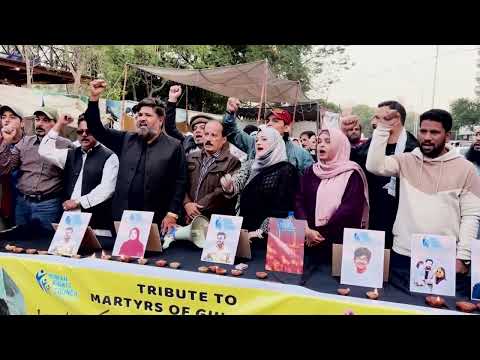
Families of missing victims gather at MA Jinnah Road to protest slow pace of rescue operations. Women carry photographs of loved ones, confront management committee members, and attempt to enter the building before police intervene. Protesters criticize authorities for lack of information six days after the fire.
Governor Tessori Calls for Judicial Inquiry
Government Response
Sindh Governor Kamran Tessori announces he will formally request judicial inquiry from Supreme Court and Sindh High Court chief justices. Criticizes pattern of negligence in Karachi and calls for accountability beyond political blame games.
16 Victims Identified Through DNA Testing
Recovery
Post-mortem of 67 bodies completed. 16 victims identified, including 9 through DNA analysis conducted by University of Karachi and CPLC. DNA samples collected from 48 family members. Identified victims include a 15-year-old girl.
30 Bodies Found in Single Shop; Death Toll Rises to 60+
Recovery
Rescuers access 'Dubai Crockery' shop on mezzanine floor for first time, discovering 30 bodies. Victims had locked themselves inside during stampede. Mobile phone data confirms they were trapped since Saturday night. Total death toll rises to at least 60.
SBCA Issues Three-Day Compliance Ultimatum
Regulatory
Sindh Building Control Authority issues notices to commercial buildings identified in 2024 audit, requiring fire safety equipment installation within three days or face closure. Adjacent Rimpa Plaza sealed for structural assessment.
Death Toll Reaches 28; Commissioner Says Safety Standards Substandard
Investigation
Commissioner Naqvi visits Gul Plaza and declares fire safety measures 'did not meet international standards.' Death toll reaches 28. More than 80 still missing.
Fire Brought Under Control After 36 Hours
Rescue Operations
Firefighters finally control the blaze after using approximately 1.4 million gallons of water. Death toll reaches 26. Firefighter Furqan Ali, 36, killed when part of the structure collapses. Building declared extremely unstable.
2024 Fire Safety Audit Report Finally Submitted to CM
Regulatory
Local Government Minister Nasir Hussain Shah reveals that the fire safety audit report from January 2024 was only submitted to CM Shah on January 19, 2026—two years after completion. CM expresses displeasure at the delay.
Death Toll Rises to 14 as Fire Burns Through Second Day
Rescue Operations
Fire continues burning. KMC deploys 26 fire tenders, 4 snorkels, and 10 water bowsers. Initial death toll reported at 14. Mayor Wahab reports more than 60 people missing.
CM Shah Announces Inquiry and Rs10 Million Compensation
Government Response
Chief Minister Murad Ali Shah forms inquiry committee headed by Karachi Commissioner Syed Hassan Naqvi. Announces Rs10 million ($35,000) compensation per victim family. Orders immediate implementation of 2024 fire safety audit.
Fire Erupts at Gul Plaza Shopping Center
Incident
Fire breaks out on the ground floor of Gul Plaza in a shop selling artificial flowers and pots. Police suspect a short circuit as the cause. The building houses approximately 1,200 shops. It is Saturday night during wedding season, and the complex is crowded.
Stampede as Crowds Flee Fire
Incident
Panic spreads as fire rapidly engulfs the building. Thirteen of sixteen exits are locked near closing time. A stampede breaks out as people attempt to escape. Some victims take refuge in the 'Dubai Crockery' shop on the mezzanine floor, pulling down iron shutters.
December 2024
Fire at Building Adjacent to Gul Plaza
Incident
A fire breaks out on two floors of a building adjacent to Gul Plaza. The blaze is quickly controlled with no casualties reported.
January 2024
KMC Fire Safety Audit Completed
Regulatory
Karachi Metropolitan Corporation completes fire safety audit of commercial buildings. The audit identifies 266 buildings that fail to meet fire safety standards, with 62% lacking emergency exits and 70% having substandard electrical systems.
November 2023
RJ Mall Fire Kills 11 in Karachi
Historical Context
A short-circuited generator causes a fire at RJ Shopping Mall in Gulistan-i-Jauhar, killing 11 and injuring 35. Deaths attributed to smoke inhalation from false ceilings made of thermopore sheets.
September 2012
Ali Enterprises Factory Fire Kills 260 in Baldia Town
Historical Context
Pakistan's deadliest industrial fire kills at least 260 workers at a garment factory in Karachi. Locked exits and barred windows trap workers inside. The disaster prompts calls for fire safety reform that largely go unimplemented.
Scenarios
1
Death Toll Exceeds 100 as More Bodies Recovered
Possible
Discussed by: City officials and rescue coordinators have warned the toll could rise significantly; Chief Fire Officer estimates 10-15 more days of recovery operations
With more than 80 people still missing and recovery operations ongoing, the death toll could exceed 100. Much of the building remains inaccessible due to structural instability. If additional mass casualty sites are discovered—similar to the 30 bodies found in Dubai Crockery—the final count could approach the 2012 Ali Enterprises disaster's 260 deaths.
2
Inquiry Finds Negligence, But No Prosecutions Follow
Likely
Discussed by: Clean Clothes Campaign and labor rights organizations note that the 2012 Baldia factory fire took eight years to reach partial accountability; local analysts observe pattern of post-tragedy pledges without follow-through
The inquiry committee identifies multiple failures—locked exits, absent safety equipment, delayed audit enforcement—but assigns responsibility to systemic failures rather than individuals. No criminal charges are filed against building owners or regulators. The pattern mirrors previous disasters where investigations document failures but accountability remains elusive.
3
Sustained Fire Safety Enforcement Transforms Karachi's Commercial Buildings
Unlikely
Discussed by: Urban researchers and safety experts; comparisons drawn to Bangladesh's post-Rana Plaza Accord reforms
The Sindh government maintains enforcement pressure beyond the immediate crisis, closing non-compliant buildings and prosecuting violators. The three-day compliance deadline proves the start of systematic reform rather than a one-time response. This would require sustained political will and resources that have been absent after previous Karachi fires.
4
SBCA Enforcement Fades Within Months; Pattern Repeats
Likely
Discussed by: Safety experts and urban planners quoted in Al Jazeera analysis; Karachi Chamber of Commerce skeptics
The three-day compliance deadline passes with minimal enforcement. Some buildings install basic equipment, but systematic inspections do not follow. Within months, commercial buildings return to status quo operations. The 2024 audit joins previous assessments as documentation of known hazards that go unaddressed until the next disaster.
5
Special Investigation Team Makes High-Profile Arrests of Building Owners and Officials
Possible
Discussed by: Legal analysts and governance experts; CM Shah has publicly vowed 'no leniency'
The five-member special investigation team arrests building owners, SBCA officials, or management committee members on criminal negligence charges. The FIR's explicit language citing 'negligence and carelessness' with locked exits and switched-off lights provides legal foundation. High-profile prosecutions would mark departure from Pakistan's pattern of post-tragedy impunity, but would require sustained political will and resistance to pressure from commercial interests.
6
Sindh High Court Constitutes Judicial Commission as Requested by Governor
Likely
Discussed by: Legal experts and governance analysts; Governor Tessori's formal written request to Chief Justice
Sindh High Court accepts Governor Tessori's January 29 request and constitutes an independent judicial commission to investigate regulatory lapses and assign responsibility. This would create parallel accountability track alongside police investigation, potentially increasing pressure for genuine reform. However, Pakistan's judicial commissions have historically produced comprehensive reports with limited implementation.
7
Province-Wide Audit of 2,368 Buildings Reveals Systemic Non-Compliance Across Sindh
Likely
Discussed by: Urban planners and safety experts; SBCA survey already found 90% non-compliance in Karachi districts
CM Shah's January 26 order for province-wide audits reveals that fire safety failures extend far beyond Karachi, with majority of 2,368 government, private, and commercial buildings across six divisions lacking adequate systems. The scale of non-compliance—potentially mirroring SBCA's finding that 90% of Karachi buildings are inadequate—would demonstrate this is not isolated negligence but systemic regulatory collapse requiring fundamental governance reform.
8
Competing Accountability Mechanisms Produce Conflicting Findings
Possible
Discussed by: Governance analysts and legal experts; provincial government's judicial inquiry runs parallel to police investigation and inquiry committee
The Sindh government's judicial inquiry, police special investigation team, and original inquiry committee headed by Karachi Commissioner produce overlapping or contradictory findings about responsibility. Multiple mechanisms without clear coordination could muddle accountability rather than strengthen it, allowing responsible parties to exploit jurisdictional ambiguities. Pakistan's history of parallel investigations that produce reports but limited prosecutions suggests coordination failures are likely.
9
Civil Defence Suspensions Mark Beginning of Systematic Accountability
Unlikely
Discussed by: Governance reform advocates; Information Minister Memon stated government 'will not come under pressure from any political party'
The January 29 suspensions of Civil Defence director and director general for failing to enforce safety notices, combined with Anti-Corruption investigation of SBCA and KMC approval discrepancies spanning 1979-2015, signal genuine commitment to holding officials accountable. This could extend to building owners, management committee members, and other regulatory officials identified in ongoing investigations. Success would require maintaining enforcement pressure despite political connections of those implicated.
Historical Context
3 moments from history that rhyme with this story — and how they unfolded.
1 of 3
September 2012
Ali Enterprises Factory Fire (2012)
On September 11, 2012, fire engulfed the Ali Enterprises garment factory in Karachi's Baldia Town, killing at least 260 workers—Pakistan's deadliest industrial fire. The factory's exit doors were locked and windows barred with iron. Many deaths resulted from suffocation as workers were trapped inside. Investigation later revealed the fire was deliberate arson linked to extortion by MQM political activists demanding Rs250 million.
Then
Two MQM workers were sentenced to death in 2020; four factory employees were initially convicted but later acquitted on appeal in 2023. The alleged mastermind, Hammad Siddiqui, remains a fugitive outside Pakistan.
Now
Despite being Pakistan's deadliest industrial fire, the disaster produced no significant fire safety reforms. Karachi's commercial buildings remain largely unregulated, with the same hazards—locked exits, absent safety equipment, weak electrical systems—present 14 years later at Gul Plaza.
Why this matters now
Gul Plaza is Karachi's deadliest fire since Ali Enterprises. The same structural failures—locked exits, trapped victims, suffocation deaths—demonstrate that the 2012 disaster's lessons went unlearned. The political response follows identical patterns: compensation announcements, inquiry committees, reform pledges.
2 of 3
November 2012 - May 2013
Tazreen Fashions Fire and Bangladesh Accord (2012-2013)
On November 24, 2012, fire at the Tazreen Fashions factory in Bangladesh killed 112 workers trapped by locked stairwells and absent fire escapes. Five months later, the Rana Plaza building collapse killed 1,134. The combined death toll of over 1,200 garment workers in six months triggered international pressure on Western retailers sourcing from Bangladesh.
Then
In May 2013, over 200 global brands signed the legally binding Accord on Fire and Building Safety in Bangladesh, committing to independent inspections and structural upgrades.
Now
The Bangladesh Accord inspected and upgraded approximately 4,500 factories, significantly improving safety for over two million workers. The model demonstrated that sustained international pressure and binding agreements could drive reform where domestic regulation failed.
Why this matters now
Pakistan's 2012 Baldia fire killed more workers than Tazreen but produced no equivalent reform mechanism. The contrast illustrates how Karachi's fire safety failures persist in the absence of external pressure or binding industry agreements. Gul Plaza is a commercial retail fire rather than a factory disaster, falling outside even the limited garment industry focus of Bangladesh-style accords.
3 of 3
November 2023
RJ Mall Fire (2023)
On November 25, 2023, a short-circuited generator caused a fire at RJ Shopping Mall in Karachi's Gulistan-i-Jauhar area, killing 11 and injuring 35. Deaths occurred on upper floors where software company employees were working night shifts. Victims suffocated from toxic smoke produced by thermopore false ceilings. The rooftop exit door was locked.
Then
The fire prompted the 2024 KMC fire safety audit that identified 266 non-compliant commercial buildings in Karachi.
Now
The audit sat unreleased for two years until January 19, 2026—two days after the Gul Plaza fire began. Buildings identified in the audit received no enforcement action until after the next mass casualty event.
Why this matters now
The RJ Mall fire produced the very audit that could have prevented Gul Plaza casualties. The two-year delay between completing the assessment and taking action illustrates the regulatory dysfunction at the core of Karachi's fire safety crisis.