
Meiji Sanriku earthquake and tsunami (1896)
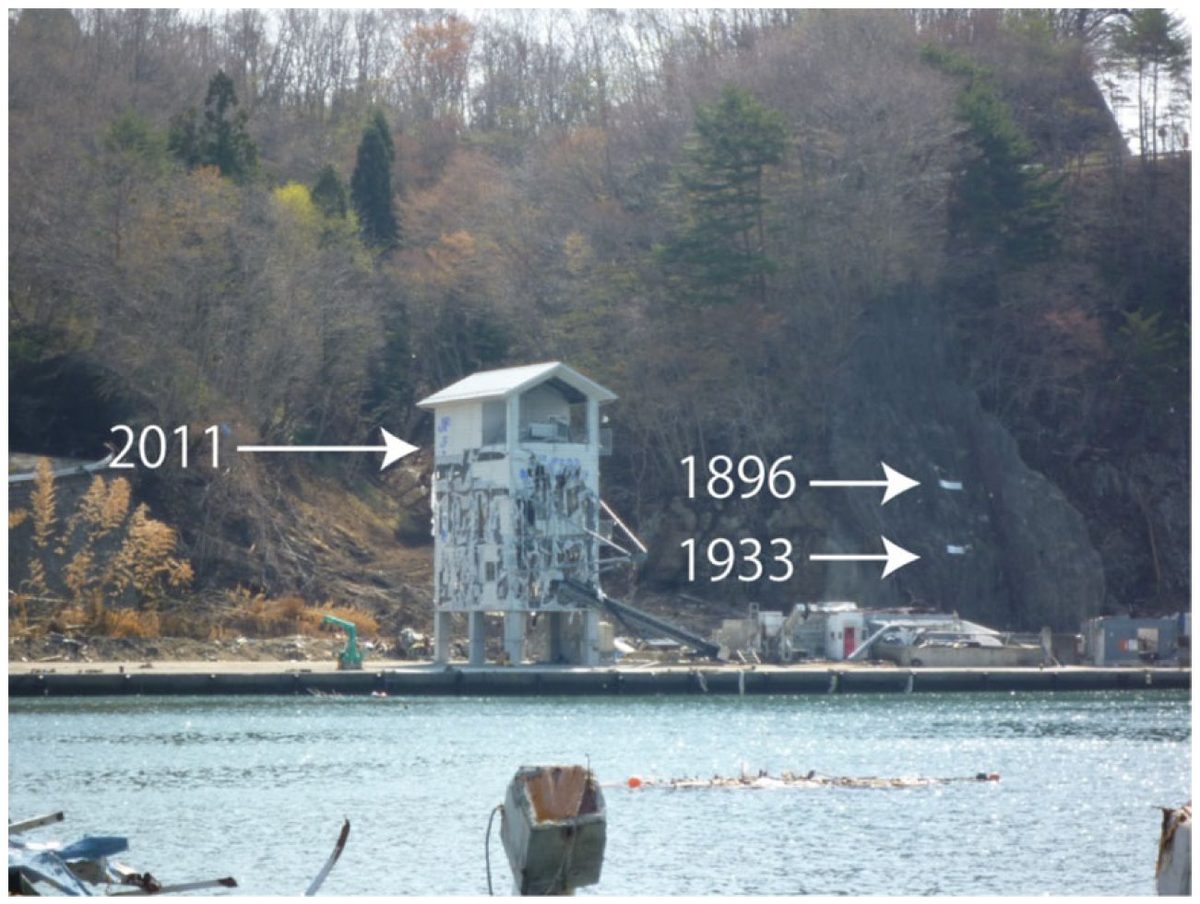
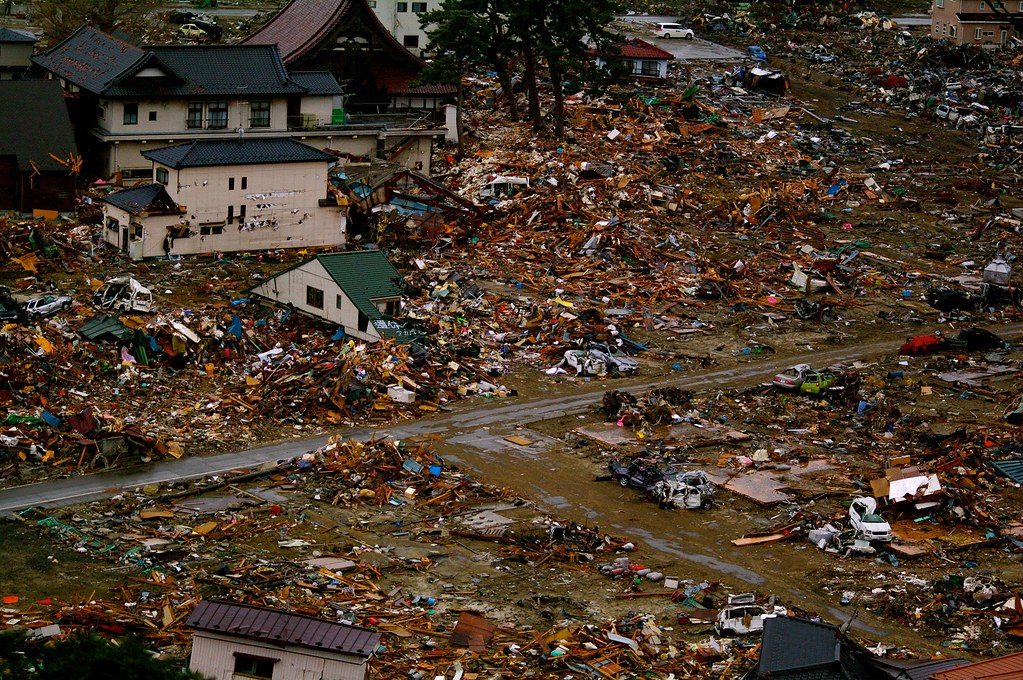
A magnitude 8.5 earthquake struck 166 kilometers off the coast of Iwate Prefecture, generating tsunami waves that reached a record height of 38.2 meters. The waves destroyed approximately 9,000 homes along the Sanriku coast and killed at least 22,000 people. Most victims had no warning because the earthquake's shaking was relatively mild onshore.
Entire fishing villages along the Sanriku coast were wiped out. Recovery was slow in the largely rural, isolated communities.
The disaster, followed by another devastating Sanriku tsunami in 1933, led Japan to begin developing what became the world's most advanced tsunami warning infrastructure.
The 1896 disaster struck the same Iwate coastline as the April 2026 earthquake. The 130-year contrast is stark: in 1896, mild shaking gave no indication of the coming tsunami. In 2026, the JMA's seismometer network detected the quake and issued tsunami warnings within minutes, enabling the evacuation of 172,000 people before waves arrived.