
Hubble Space Telescope servicing missions (1993–2009)
NASA conducted five Space Shuttle missions to repair and upgrade the Hubble Space Telescope, replacing degraded solar arrays, gyroscopes, and scientific instruments. The first mission in 1993 famously corrected Hubble's flawed primary mirror with a set of corrective optics, transforming it from an embarrassing failure into the most productive telescope in history.
Each servicing mission extended Hubble's operational life by years and dramatically improved its scientific output.
Hubble remains operational more than 35 years after launch, producing groundbreaking discoveries well beyond its design life — proving that in-orbit maintenance can transform the return on a space asset.
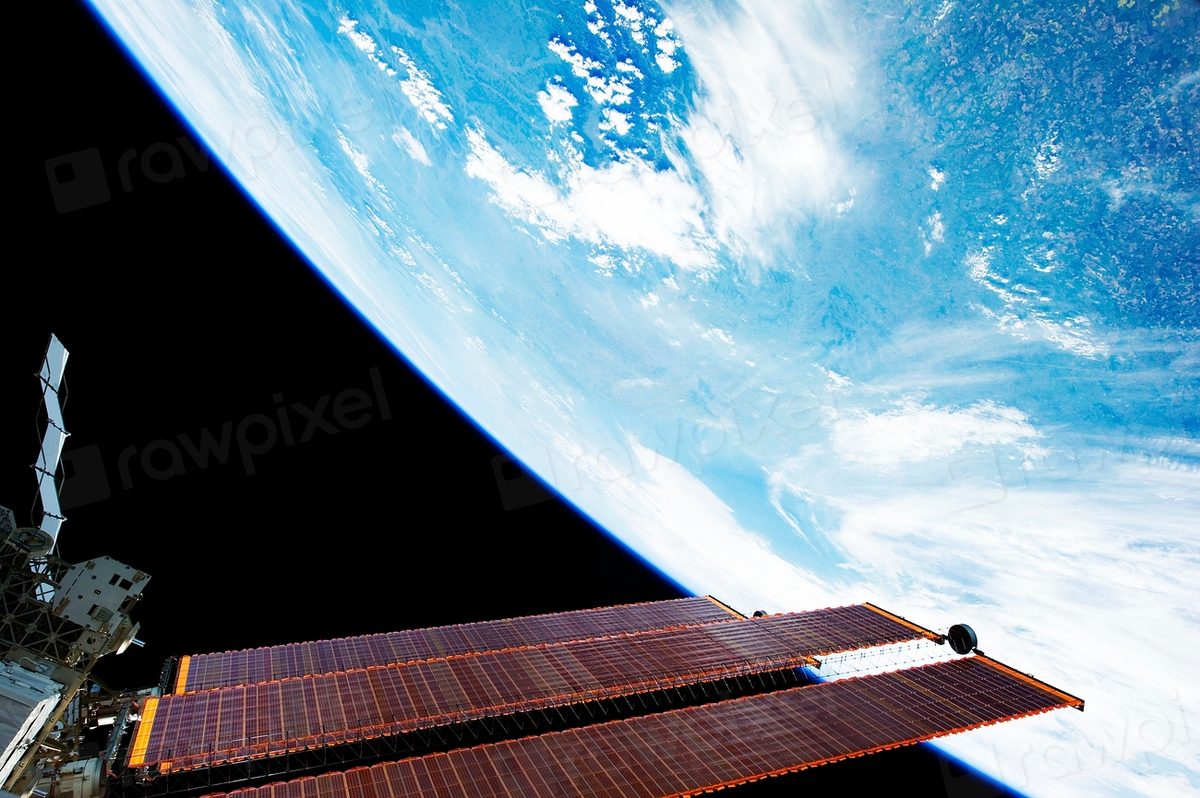
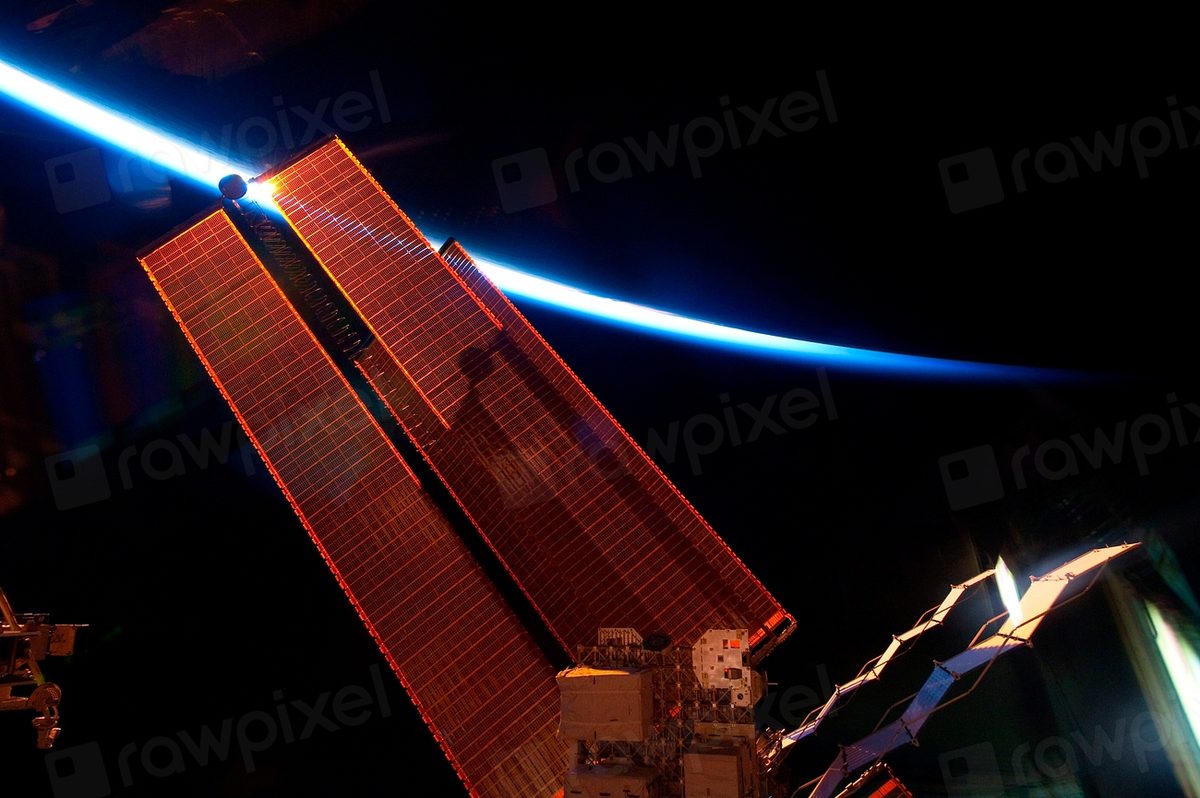
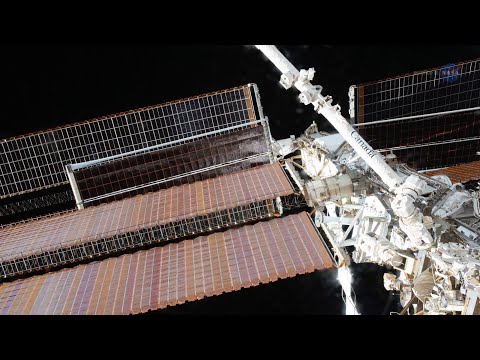
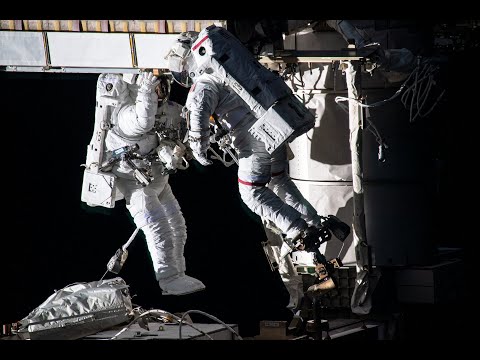
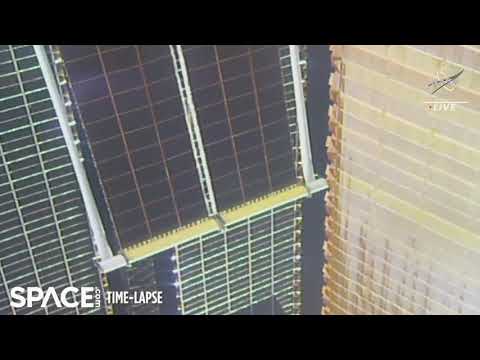
The IROSA program follows the same logic: rather than abandoning aging but irreplaceable space infrastructure, in-orbit upgrades extend its useful life. Both cases demonstrate that spacewalk-based maintenance, while expensive and risky, can be far cheaper than building a replacement.