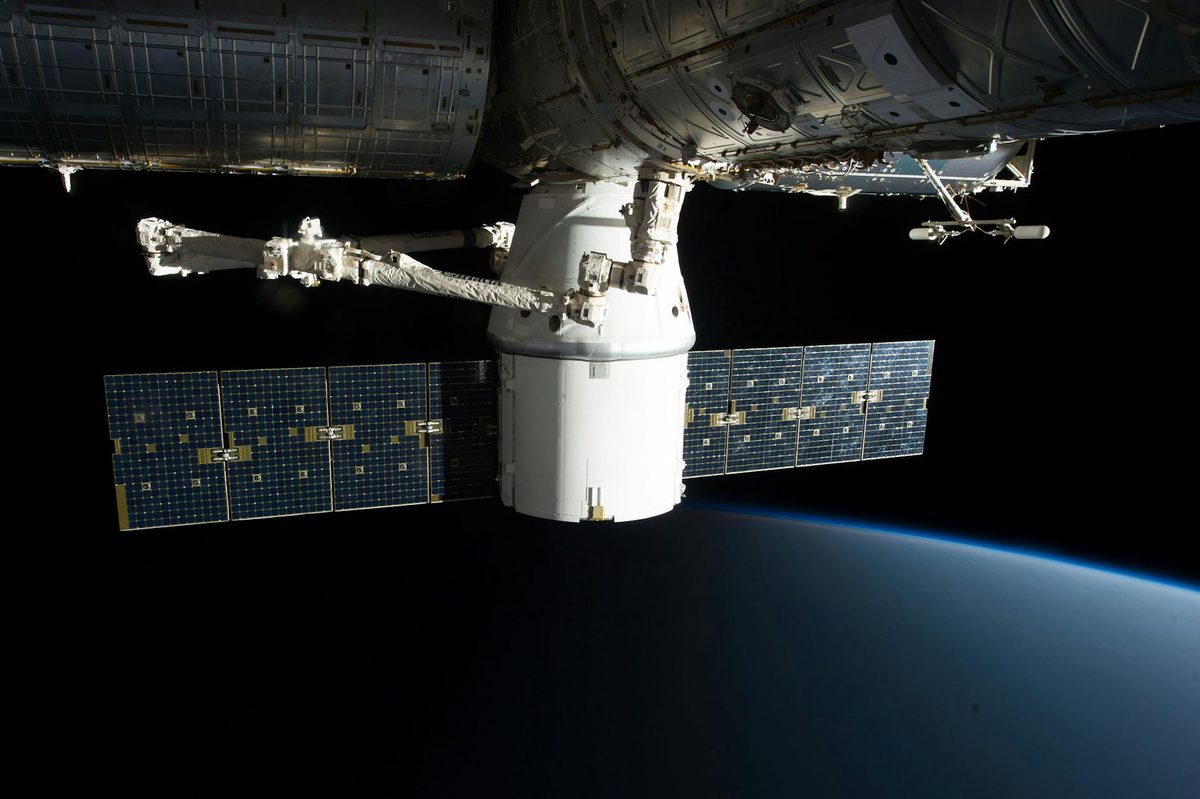
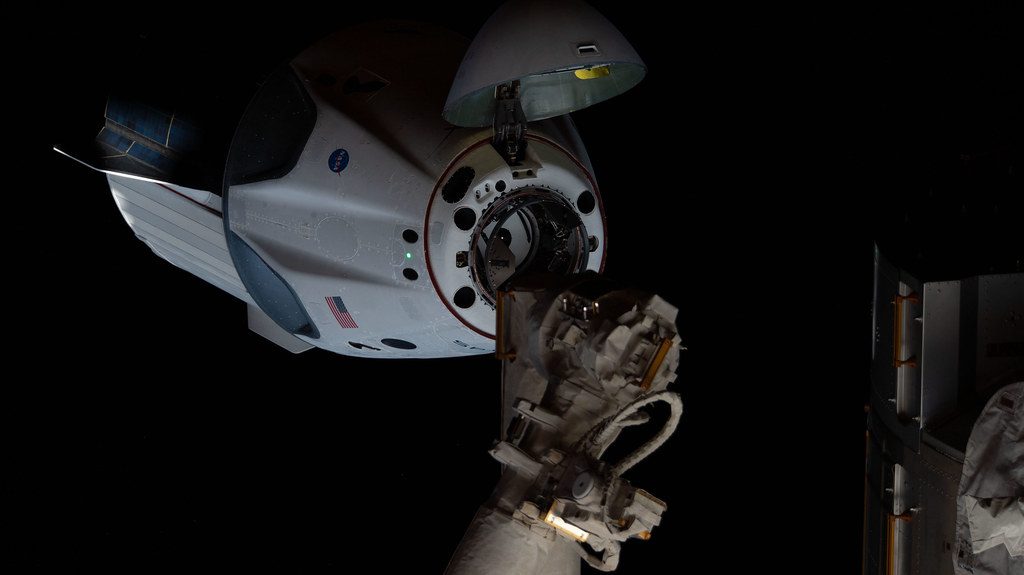
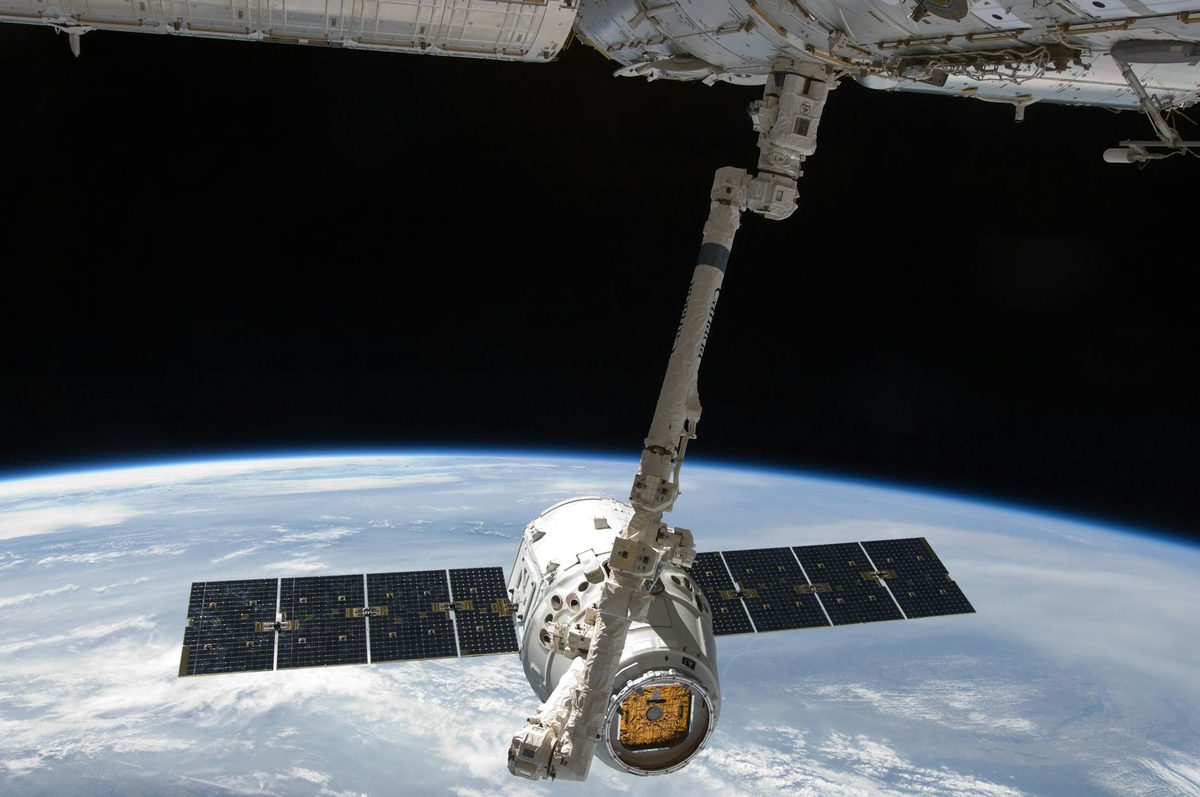
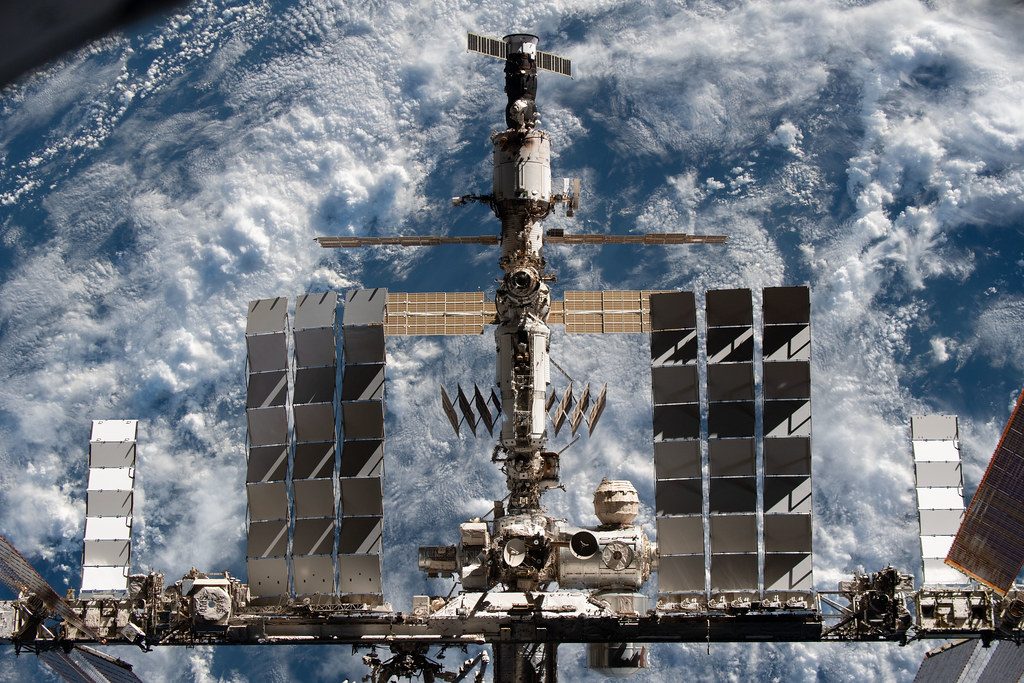
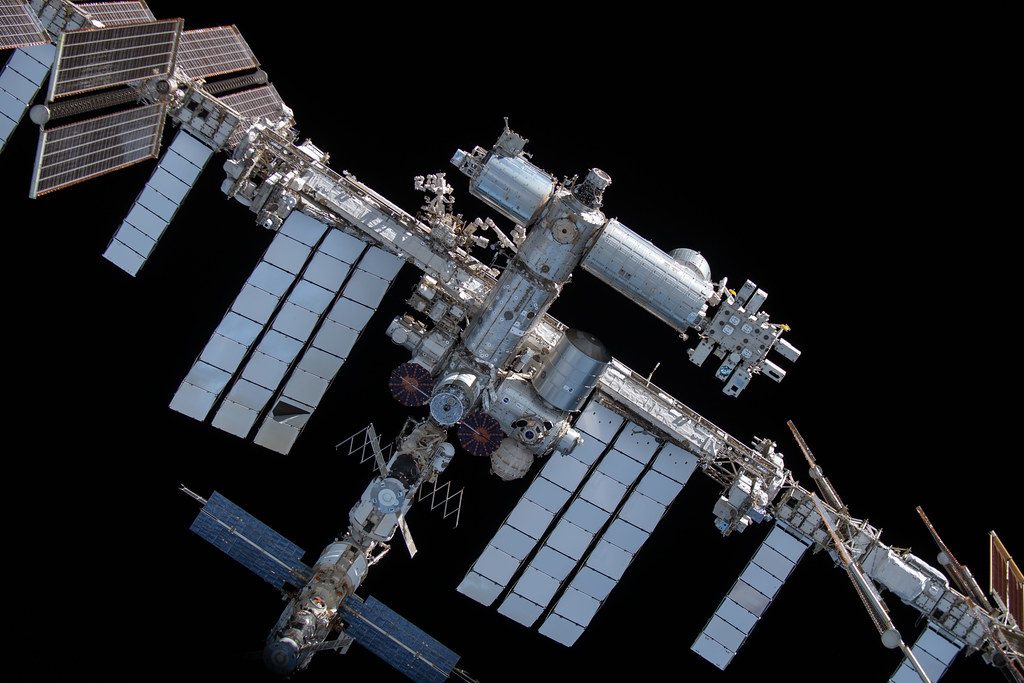
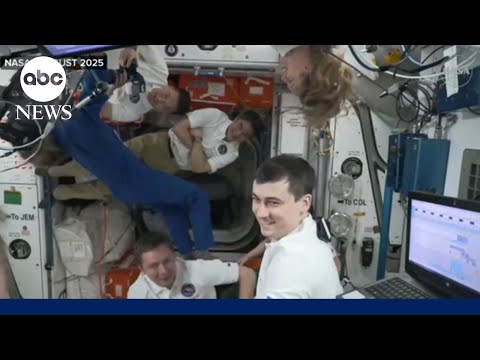
NASA evacuated one crew member from the International Space Station on January 14, 2026, for a serious but stable medical condition. The SpaceX Crew Dragon carried four astronauts home six weeks early, splashing down safely off California on January 15 after 167 days in space. This ended a 25-year streak without a medical evacuation, despite predictions of one every three years.
The ISS operated with three crew members until SpaceX Crew-12 launched on February 13, 2026, from Cape Canaveral. The mission carries NASA astronauts Jessica Meir and Jack Hathaway, ESA astronaut Sophie Adenot, and Roscosmos cosmonaut Andrey Fedyaev. Docking is scheduled for February 14, returning the station to its standard seven-person complement and closing the staffing gap caused by the evacuation.
Questions about this story
Free account needed to ask — your question is kept and asked for you right after sign-up. Answers are public.
No questions yet — be the first to ask.
Key Indicators
25
Years without medical evacuation
The ISS operated from November 2000 to January 2026 without a crew member requiring early return for health reasons—until Crew-11.
7
Full crew restored
Crew-12 launch on Feb 13 returns ISS to standard seven-person staffing after operating with three since Jan 14.
167
Days in space
Crew-11 spent 167 days in space (165 aboard ISS), completing 2,672 Earth orbits and traveling 70.8 million miles.
~5 weeks
Staffing gap duration
ISS ran with skeleton crew from Jan 14 to expected Crew-12 docking on Feb 14.
15 events
Latest: February 14th, 2026 · 7 months ago
Showing 8 of 15
JK to step
Tap a bar to jump to that date
Jump to
February 2026
Crew-12 Docks at ISS (Scheduled)
LatestDocking
Crew Dragon Freedom scheduled to dock autonomously to Harmony module, enabling crew transfer and full restoration of Expedition 74 staffing.
Crew-12 Launches to ISS
Launch
SpaceX Crew Dragon Freedom lifts off from Cape Canaveral Space Force Station carrying NASA astronauts Jessica Meir and Jack Hathaway, ESA astronaut Sophie Adenot, and Roscosmos cosmonaut Andrey Fedyaev. Docking targeted for Feb 14 at 3:15 p.m. EST to restore full seven-person crew.
January 2026
Crew-11 Splashdown (Scheduled)
Recovery
Crew Dragon expected to splash down off the coast of California, completing the first medical evacuation in ISS history.
NASA Post-Splashdown Press Conference
Communications
Administrator Isaacman confirms 'the crew member of concern is doing fine' and praises the team's professional response. All four crew members will spend the night at a San Diego hospital before returning to Houston.
Crew-11 Splashes Down Off California Coast
Recovery
Crew Dragon Endeavour lands in the Pacific Ocean off San Diego after 167 days in space. All four crew members emerge smiling and giving thumbs up, transferred to recovery vessel Shannon within 30 minutes. This completes the first medical evacuation in ISS history.
Crew-11 Undocks from ISS
Operations
SpaceX Crew Dragon Endeavour undocks from the Harmony module, beginning the return journey with all four crew members aboard.
Change of Command Ceremony
Operations
Crew-11 conducts accelerated handover procedures, transferring ISS command ahead of schedule.
NASA Announces Early Return
Decision
Administrator Isaacman holds press conference announcing the first medical evacuation in ISS history. He confirms the condition is serious but stable and cannot be properly treated in orbit.
Medical Situation Occurs
Medical
A Crew-11 member experiences an undisclosed medical condition. A planned spacewalk for January 8 is immediately cancelled.
December 2025
Jared Isaacman Sworn In as NASA Administrator
Leadership
Former Inspiration4 commander takes the helm at NASA, less than a month before facing his first major operational decision.
November 2025
Chris Williams Arrives on Soyuz
Crew Arrival
NASA astronaut Chris Williams and two Russian cosmonauts arrive aboard Soyuz MS-28, joining the Crew-11 members as part of Expedition 74.
ISS Marks 25 Years of Continuous Occupation
Milestone
The station celebrates a quarter century of uninterrupted human presence, with more than 290 people from 26 countries having lived aboard.
August 2025
Crew-11 Launches to ISS
Launch
SpaceX Crew Dragon carrying Cardman, Fincke, Yui, and Platonov lifts off from Kennedy Space Center for a planned 6-8 month mission.
2019
Blood Clot Treated in Orbit
Medical
An astronaut is diagnosed with deep vein thrombosis during a research ultrasound. Ground physicians guide treatment with blood thinners, and the crew member completes the mission without evacuation.
November 2000
First Crew Arrives at ISS
Milestone
Expedition 1 crew begins continuous human occupation of the International Space Station, a streak that continues to this day.
Scenarios
1
Crew Member Recovers, Crew-12 Launches on Schedule
Likely
Discussed by: NASA officials, spaceflight analysts at SpaceNews and Ars Technica
The affected crew member receives treatment on the ground and recovers fully. The identity and condition may or may not be disclosed publicly, per medical privacy considerations. Crew-12 launches in mid-February as planned, restoring full ISS staffing. This becomes a validation of NASA's medical protocols rather than a crisis point.
2
Crew-12 Launch Accelerated, Staffing Gap Minimized
Possible
Discussed by: NASA mission planners, industry observers at NASASpaceFlight.com
NASA pushes Crew-12's launch earlier than the February 15 target to reduce the period of skeleton crew operations. This requires accelerating spacecraft and crew readiness but maintains research continuity aboard the station.
Discussed by: Former astronauts, ISS program analysts
Technical or weather issues delay Crew-12 beyond mid-February. Chris Williams operates as the sole American aboard for weeks, limiting U.S. research activities and maintenance capabilities. This raises questions about ISS operational resilience as it approaches end of life.
4
Medical Protocols Revised for Future Missions
Likely
Discussed by: Space medicine experts at Scientific American, former NASA flight surgeons
The evacuation prompts NASA to re-evaluate medical capabilities aboard the ISS and requirements for future commercial stations. Discussions intensify about enhanced diagnostic equipment, telemedicine capabilities, and crew medical training for long-duration missions to the Moon and Mars.
Historical Context
3 moments from history that rhyme with this story — and how they unfolded.
1 of 3
April 1970
Apollo 13 Emergency Return (1970)
An oxygen tank explosion 56 hours into the mission crippled the command module, forcing astronauts Jim Lovell, Jack Swigert, and Fred Haise to use the lunar module as a lifeboat. Engineers improvised solutions to power, navigation, and carbon dioxide removal problems in real time.
Then
The crew splashed down safely after four harrowing days. Fred Haise suffered a kidney infection but recovered.
Now
Called 'NASA's finest hour,' the mission prompted extensive spacecraft redesigns and established protocols for in-flight emergencies that inform procedures to this day.
Why this matters now
While a mechanical rather than medical emergency, Apollo 13 established the principle that getting crew home safely supersedes mission objectives—the same calculus NASA applied to Crew-11.
2 of 3
November 1985
Salyut 7 Medical Evacuation (1985)
Soviet commander Vladimir Vasyutin fell seriously ill two months into his mission aboard the Salyut 7 space station. The condition was severe enough that he and his two crewmates returned to Earth early. Soviet officials never publicly disclosed the nature of his illness.
Then
The crew landed safely. Vasyutin never flew in space again.
Now
The incident remained one of only a handful of documented early returns for medical reasons in Soviet/Russian space station history, predating the ISS era.
Why this matters now
The closest precedent to the Crew-11 situation. Unlike the ISS, Soviet stations lacked the robust medical support network now available through constant communication with ground teams.
3 of 3
2019
ISS Blood Clot Treatment (2019)
An astronaut was diagnosed with deep vein thrombosis in the jugular vein during a routine research ultrasound—the first such case in space. Radiologists on Earth guided the astronaut through follow-up scans in real time. NASA physician Dr. Stephan Moll was brought in as a consultant.
Then
The astronaut was treated with blood thinners available aboard the station, supplemented by an emergency resupply. The mission continued without evacuation.
Now
The case was published in the New England Journal of Medicine and informed protocols for treating vascular conditions in microgravity.
Why this matters now
Demonstrates the difference between conditions that can be managed in orbit and those requiring ground-based care. The blood clot was serious but treatable with available resources; the Crew-11 condition apparently was not.