


1980-2000
Computer-aided drug design, 1980s-1990s
Molecular-modeling and docking software met deep skepticism from bench chemists who trusted wet-lab instincts, and early failures slowed acceptance.
Then
One tool at a time, computational methods earned niches in lead optimization and scoring.
Now
CADD became a standard part of discovery, not a replacement for experiments, shaping what the industry expects from new methods.
Why this matters now
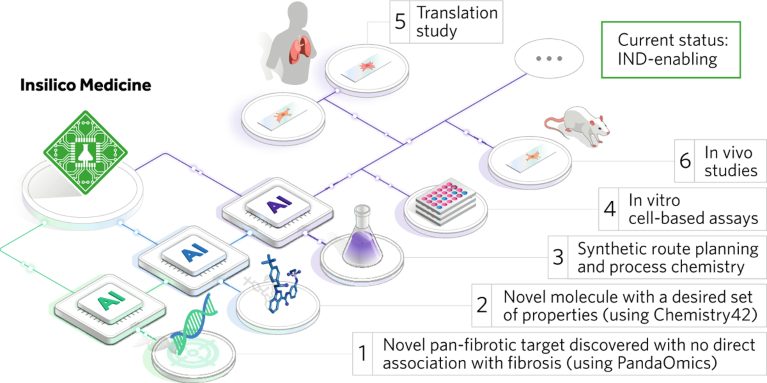
The adoption curve for today's AI mirrors this: breakthrough claims get tested against real programs, and survivors become standard tools rather than wholesale replacements for lab work.