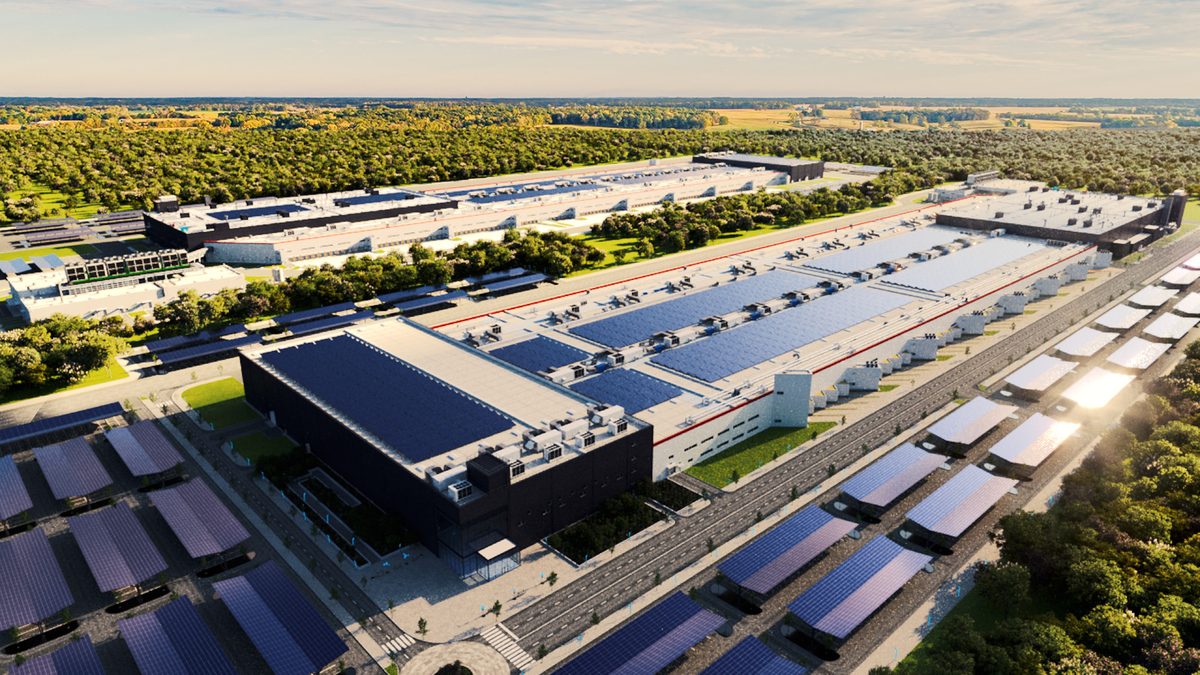
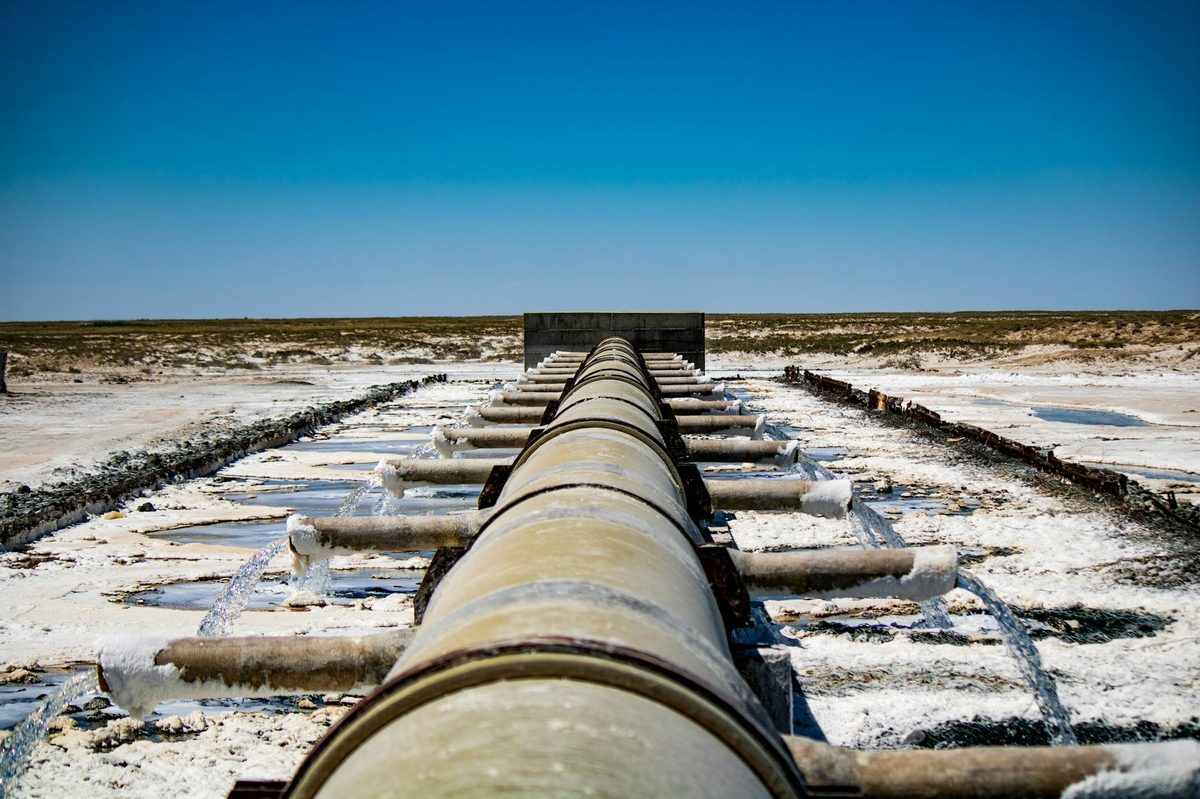
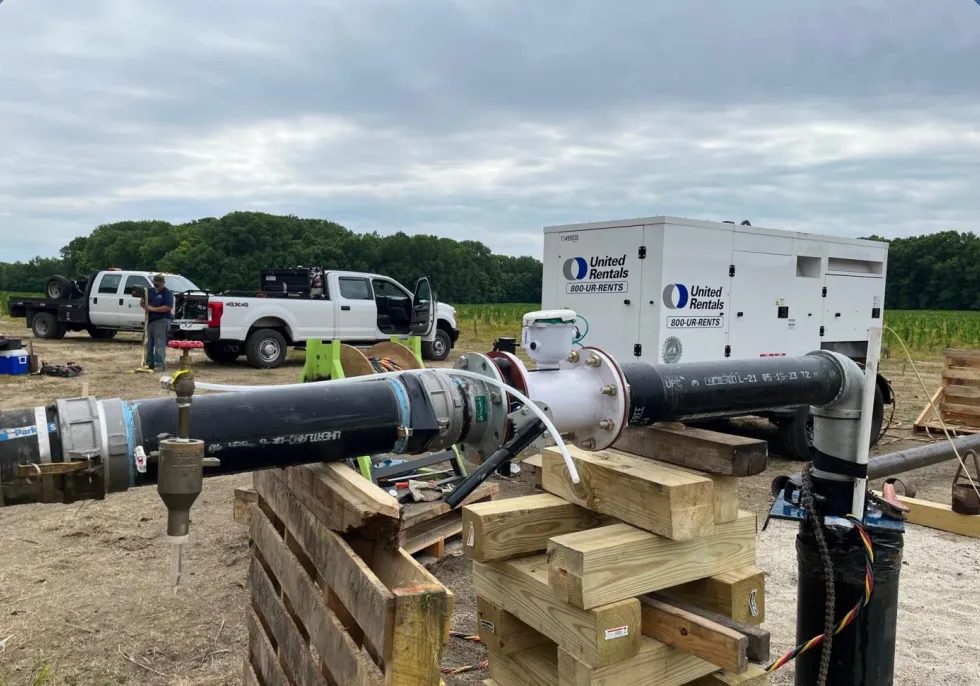
Indiana committed over $23 billion in private investment to a 9,500-acre industrial district in Boone County farmland before solving a basic problem: where the water would come from. The state is advancing a $560 million plan to pipe up to 25 million gallons per day from Indianapolis. The water would supply Eli Lilly's $9 billion pharmaceutical campus and Meta's $10 billion data center complex, despite objections from Indianapolis lawmakers, environmental groups, and hundreds of property owners along the pipeline route.
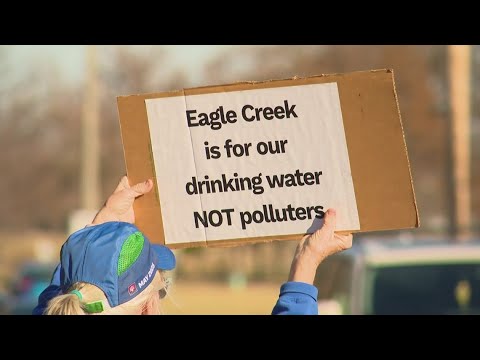
The water fight has already killed one plan — a 52-mile pipeline from the Wabash River that collapsed under public opposition — and the replacement is stirring its own backlash. Twenty-one of 25 Indianapolis city councilors signed a letter warning the deal threatens Eagle Creek Reservoir, one of the city's most visited natural areas, while state legislators' project oversight bills failed. Nearly $1 billion in public money has already been spent on the district, with the total budget shielded from public disclosure.
Why it matters
When states bid for mega-factories without solving infrastructure first, the public ends up financing the gap — and bearing the environmental risk.
Questions about this story
Free account needed to ask — your question is kept and asked for you right after sign-up. Answers are public.
No questions yet — be the first to ask.
Key Indicators
$23B+
Private investment committed
Combined pledges from Eli Lilly ($9B+), Meta ($10B), and other tenants at the LEAP district
~$1B
Public money spent
State spending on land acquisition and infrastructure through the Indiana Economic Development Corporation, with projected total budget undisclosed
25M gal/day
Target water delivery by 2031
Citizens Energy Group plans to pipe 25 million gallons daily from Indianapolis to the LEAP district
9,500
Acres of former farmland
The LEAP district spans over 9,500 acres of largely agricultural land in Boone County along Interstate 65
21 of 25
Indianapolis councilors opposing
City-county councilors who signed a letter warning the water deal threatens Eagle Creek Reservoir
14 events
Latest: April 14th, 2026 · 5 months ago
Showing 8 of 14
JK to step
Tap a bar to jump to that date
Jump to
April 2026
State advances $560M water supply plan despite objections
LatestInfrastructure
Indiana moved forward with the $560 million Citizens Energy–Lebanon water supply program, which will build 53 miles of water mains and expand two treatment plants to deliver up to 25 million gallons per day to the LEAP district by 2031.
March 2026
Indianapolis councilors warn water deal threatens Eagle Creek
Opposition
Twenty-one of 25 Indianapolis city-county councilors signed a letter warning that the LEAP water deal poses environmental risks to Eagle Creek Reservoir and Park, saying they cannot support the city's participation until concerns are addressed.
February 2026
Meta breaks ground on $10B data center campus
Construction
Governor Braun presided over the groundbreaking of Meta's 1,500-acre data center campus, the district's second major tenant alongside Eli Lilly.
March 2025
Legislative oversight bills fail in statehouse
Legislative
Multiple state legislators filed bills to impose oversight on LEAP water withdrawals, including a proposed two-year task force. Most of the legislation failed to advance.
An Indiana Capital Chronicle investigation found state spending on the LEAP district nearing $1 billion, while the projected total budget remained shielded from public disclosure.
January 2025
Wabash pipeline declared 'dead'
Policy
State Senator Spencer Deery declared the Wabash River pipeline plan dead. The state pivoted fully to the Citizens Energy Group plan to supply water from Indianapolis.
August 2024
Indiana Finance Authority approves $500M in bonds
Funding
The Indiana Finance Authority approved $500 million in bonds to finance water and wastewater improvements, including the Citizens Energy–Lebanon water supply program.
May 2024
Lilly announces $5.3B expansion at LEAP
Investment
During the Indiana Global Economic Summit, Governor Holcomb and Lilly CEO David Ricks announced a $5.3 billion expansion, bringing Lilly's total LEAP investment above $9 billion.
January 2024
Tippecanoe County halts Wabash water extraction
Opposition
Tippecanoe County commissioners imposed a nine-month moratorium on water extraction from the Wabash River, effectively blocking the pipeline plan.
June 2023
Wabash River pipeline proposed, sparking backlash
Infrastructure
The IEDC proposed a 52-mile pipeline from the Wabash River near Lafayette to supply water to the LEAP district, triggering fierce opposition from Tippecanoe County residents and officials.
April 2023
Lilly breaks ground, adds $1.6B
Construction
Eli Lilly broke ground on its Lebanon manufacturing campus and announced an additional $1.6 billion investment with 200 new jobs.
March 2023
IEDC land purchases hit $126 million
Land Acquisition
The Indiana Economic Development Corporation disclosed it had spent $126 million purchasing Boone County farmland for the district.
June 2022
Legislature approves nearly $700M for LEAP
Funding
The bipartisan State Budget Committee allocated $300 million for a deal-closing fund and $150 million for land acquisition, among other appropriations totaling nearly $700 million.
May 2022
LEAP district announced with Lilly as anchor
Announcement
Governor Eric Holcomb unveiled the Limitless Exploration/Advanced Pace Innovation District in Boone County. Eli Lilly committed an initial $2.1 billion investment.
Scenarios
1
LEAP district fills out and water system delivers on schedule
Possible
Discussed by: Indiana Economic Development Corporation, Governor Braun's office, Eli Lilly and Meta in public statements
Citizens Energy completes the 53-mile pipeline system on time, delivering 25 million gallons per day by 2031. Lilly and Meta reach full operational capacity, and the district attracts the unnamed semiconductor company and additional tenants. LEAP district businesses repay the state revolving fund loans as planned, and the investment becomes a national model for state-led industrial development. This requires the Eagle Creek controversy to be resolved and no significant water supply disruptions.
2
Water controversy forces redesign, delays major tenants
Possible
Discussed by: Indianapolis City Council members, Citizens Action Coalition, environmental advocacy groups
Sustained opposition from Indianapolis councilors and Eagle Creek residents forces changes to the water plan — potentially requiring alternative wastewater discharge locations or reduced withdrawal volumes. Construction delays push the 2027 and 2028 water delivery milestones back, which in turn slows Lilly's and Meta's ramp-up schedules. The unnamed semiconductor company chooses a competing state. Costs escalate beyond the $700 million financing cap.
3
Legal challenges block or restructure the water deal
Unlikely
Discussed by: Indiana Lawyer, property owners along pipeline routes, Boone County Preservation Group
The combination of lawsuits — the Boone County annexation challenge, the RealtyLink damages suit, and potential claims from hundreds of property owners threatened with legal action for pipeline easements — creates enough legal uncertainty to stall construction. Courts could impose conditions on water withdrawals or require a full environmental impact assessment that the Indiana Economic Development Corporation has so far withheld from public view.
4
Legislature imposes water withdrawal oversight after public pressure
Possible
Discussed by: State Senator Spencer Deery, State Senator Eric Koch, Indiana Capital Chronicle editorial board
Failed oversight bills from 2025 get a second life as the Eagle Creek controversy intensifies and public spending approaches its undisclosed ceiling. New legislation establishes a permitting process for large-scale inter-basin water transfers or requires public disclosure of the LEAP district's total projected budget. This wouldn't stop the project but would add regulatory steps and transparency requirements that slow the current pace.
Historical Context
3 moments from history that rhyme with this story — and how they unfolded.
1 of 3
1913–1934
Hetch Hetchy Water System for San Francisco (1913–1934)
San Francisco built a 167-mile pipeline and reservoir system in Yosemite's Hetch Hetchy Valley to supply water for the city's growth, overriding fierce opposition from conservationist John Muir and the Sierra Club. Congress authorized the project through the Raker Act of 1913, flooding a glacial valley that Muir called a second Yosemite.
Then
The system supplied water that enabled San Francisco's 20th-century expansion, but at the cost of destroying a valley that remains flooded today.
Now
The controversy helped launch the modern environmental movement and established a lasting precedent that large-scale water diversions for economic growth carry significant ecological and political costs.
Why this matters now
Like the LEAP water plan, Hetch Hetchy involved diverting water across long distances to enable economic development, over the objections of communities and environmentalists who argued the ecological costs were too high — a debate that was never fully resolved.
2 of 3
July 2017–April 2021
Foxconn Wisconsin Factory (2017–2021)
Wisconsin committed $4.5 billion in tax incentives and spent hundreds of millions on land acquisition and infrastructure — including water and power systems — for a Foxconn flat-panel display factory in Mount Pleasant that Governor Scott Walker called transformational. The promised 13,000-job, $10 billion factory was repeatedly downsized. By 2021 Foxconn had created fewer than 1,500 jobs and built a fraction of the promised facilities.
Then
Hundreds of homes were razed and farmland was seized through eminent domain. Taxpayers bore infrastructure costs for a facility that never reached promised scale.
Now
The deal became a cautionary tale for state-led industrial recruitment, prompting scrutiny of large public subsidies for corporate mega-projects nationwide.
Why this matters now
LEAP shares key features with the Foxconn deal: massive public spending on infrastructure for a district whose full tenant roster remains uncertain, agricultural land conversion, and public subsidy commitments that preceded binding corporate obligations.
3 of 3
January 2022–present
Intel Ohio Semiconductor Campus (2022–present)
Intel announced a $28 billion investment in two chip fabrication plants on nearly 1,000 acres in Licking County, Ohio, near Columbus. The project required 5–6 million gallons of water per day in its first phase alone, prompting a search across 10 possible water sources ranging 5 to 40 miles from the site. Ohio included a $300 million water reclamation facility in its incentive package.
Then
Ohio committed substantial public funds to water infrastructure, but the inclusion of on-site water reclamation reduced long-term strain on municipal supplies.
Now
Intel's Ohio project set a template for pairing mega-factory incentives with water recycling requirements — a feature notably absent from Indiana's LEAP plan.
Why this matters now
Intel's Ohio campus faces similar water-supply challenges to LEAP but addressed them by building reclamation into the project from the start, highlighting what critics say is missing from Indiana's approach.