
Pull to refresh
Logo
Foundry Park breaks ground on $3 billion Chicago River development

Foundry Park breaks ground on $3 billion Chicago River development

Built World Chicago, IL local

JDL Development and Kayne Anderson have started a scaled-down successor to Lincoln Yards, with the first phase targeted for 2029

Overview

Updated Oct 22

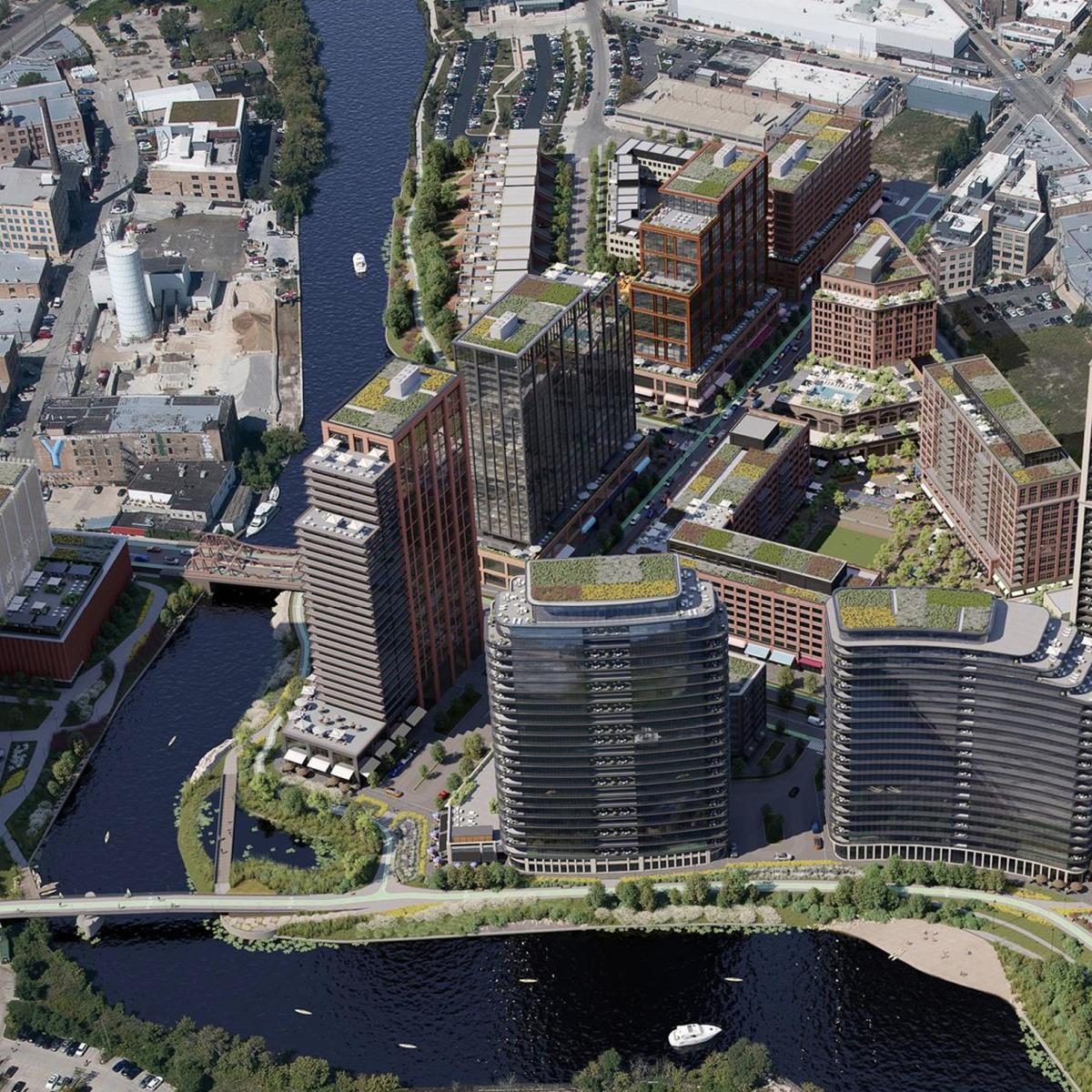
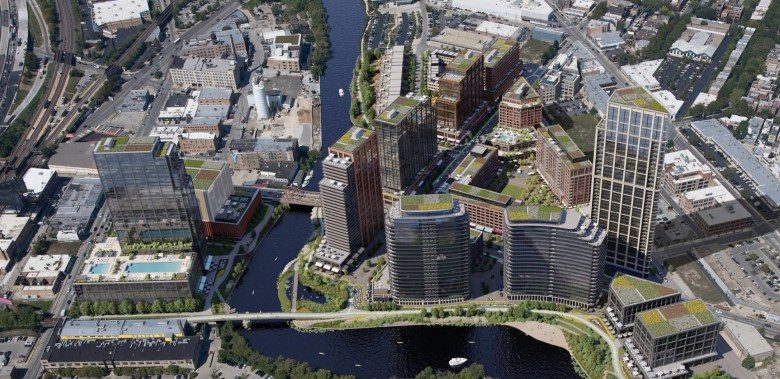
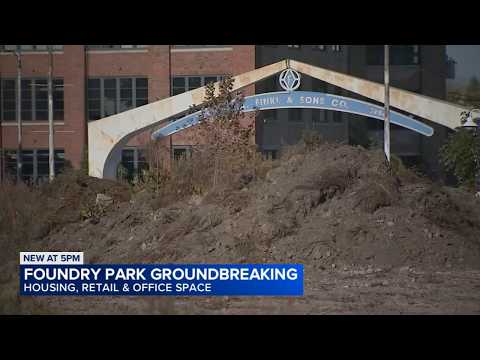
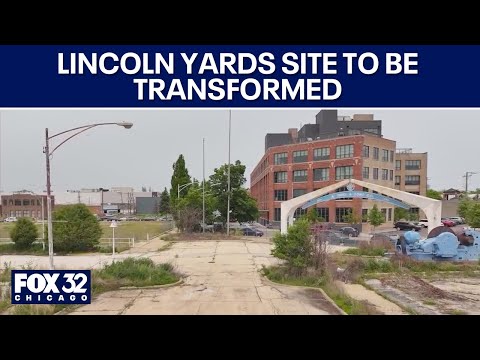
Chicago officials broke ground October 21 on Foundry Park, a $3 billion plan to turn the former A. Finkl & Sons steel site into homes, parks and a riverwalk along the North Branch of the Chicago River. JDL Development and Kayne Anderson Real Estate bought the northern 31 acres for about $84 million in October 2025. The seller was Bank OZK; the land had been the northern piece of Sterling Bay's Lincoln Yards plan, which never advanced.

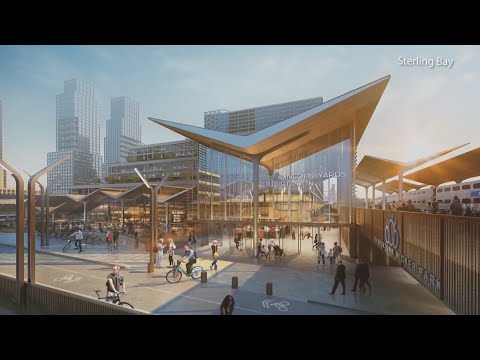
The first phase, about $1 billion, includes three residential buildings with 709 units, a 183-room hotel and a central park, with completion targeted for 2029. The city's $201.6 million tax-increment package reimburses roadwork, parks, riverfront work and a 606 Trail extension. Full buildout of up to 3,737 homes, one in five of them affordable, should take about a decade.

Why it matters

Foundry Park brings 3,700 homes to a long-vacant river site and tests whether Chicago megaprojects can survive today's financing costs.

Last Monday's email for Chicago, IL

Sent Nov 9. It carried:

Get next Monday's: one short email a week. Free. Unsubscribe in one click.

Questions about this story

Free account needed to ask — your question is kept and asked for you right after sign-up. Answers are public.

No questions yet — be the first to ask.

Key Indicators

$3B
Total project cost
Full buildout of Foundry Park across roughly a decade.
3,737
Residential units planned
Mix of apartments and condos; 20% of all units are set aside as affordable.
$201.6M
City TIF package
Reimburses roads, parks, river frontage and the 606 extension; replaced the $487.8 million Lincoln Yards package.
$1B
First phase cost
Three residential buildings with 709 units, a 183-room hotel, a 777-space garage and a central park.
$68M
Projected annual tax revenue by 2036
Up from about $1.5 million a year on the vacant site today.
2,500
Permanent jobs at full buildout
Plus roughly 700 construction jobs annually for the next decade.

Voices

Curated perspectives — historical figures and your fellow readers.

Sign up to generate historical perspectives on this story.

People Involved

Organizations Involved

Timeline

2015 October 2026

7 events Latest: October 21st, 2026 · 3 weeks ago
Tap a bar to jump to that date
  1. Foundry Park breaks ground

    Latest Construction

    Officials break ground on Phase 1 of the $3 billion megadevelopment.

  2. City Council approves Foundry Park plan

    Policy

    Council approves the $3 billion development with 3,700 units.

  3. City Council approves $201.6M TIF

    Policy

    Council approves reformatted infrastructure funding for Foundry Park.

  4. Lincoln Yards TIF agreement terminated

    Policy

    The city cancels Sterling Bay's $487.8 million infrastructure package.

  5. JDL and Kayne Anderson acquire site

    Acquisition

    The developers buy the northern chunk of the former Lincoln Yards parcel from Bank OZK for about $84 million.

  6. Sterling Bay fails to advance Lincoln Yards

    Development

    Previous owner Sterling Bay cannot follow through on its plans after the pandemic.

  7. Finkl steel buildings demolished

    Built World

    A. Finkl & Sons steel plant buildings along the river are razed.

Scenarios

1

Foundry Park Phase 1 Delivers as Planned

Likely Resolves by End of 2031

Discussed by: Project officials; Chicago YIMBY has detailed the phase-one program

Vertical construction proceeds on the four first-phase buildings, including the 38-story, 520-foot mixed-use tower. The 709 residential units and 183-room hotel open behind schedule but intact. Financing holds because the $201.6 million TIF is locked in and Kayne Anderson's capital is patient.

2

Interest Rates Force a Foundry Park Pause

Possible Resolves by End of 2028

Discussed by: Commenters on Chicago YIMBY citing high interest rates and cost uncertainty

Construction costs and borrowing rates stall work after the ceremonial groundbreaking. The underground garage and central square are built, but vertical construction slows drastically as JDL seeks new financing. The pattern mirrors Sterling Bay's pandemic-era stall on the same land.

3

Office Space Gets Cut From Foundry Park

Possible Resolves by End of 2031

Discussed by: Urbanize Chicago, which detailed the plan's office component

Weak downtown office demand leads JDL to shrink or convert the planned 350,000 square feet of office space, part of 970,000 square feet of commercial space. The developer files amendments to reduce office square footage by more than half, favoring more residential units or retail.

Historical Context

2 moments from history that rhyme with this story — and how they unfolded.

2007-2010

Chicago Spire (2007-2010)

Developer Garrett Kelleher broke ground in 2007 on a 150-story Santiago Calatrava tower at the lakefront. The 2008 financial crisis froze his Irish financing, and work stopped with the foundation partially built.

Then

The project went into receivership in 2010, leaving an open excavation hole for years. It was later filled and sold; no tower was ever built.

Now

Chicago investors grew skeptical of speculative megaprojects, and the Spire remains a cautionary tale of grand plans dying at the foundation stage.

Why this matters now

Lincoln Yards collapsed the same way, on financing rather than demand. Foundry Park's scaled-back plan is a direct response to that risk.

2012-2019

Hudson Yards (2012-2019)

Related Companies and Oxford Properties built the largest private real estate development in U.S. history over Manhattan's West Side rail yards, using phased construction, deep capital, and city infrastructure support.

Then

The first phase opened in 2019 with offices, retail, and residential towers, creating a new neighborhood on an industrial site.

Now

Hudson Yards became the template for building districts over former industrial land with tax-increment financing, and a cautionary tale about relying on office tenants.

Why this matters now

Foundry Park follows the same playbook of phased, mixed-use development built with city infrastructure money, but at a fraction of the scale.

Sources

(10)