
Pull to refresh
Logo
Chicago breaks ground on South Side youth shelter and worker-owned food plant

Chicago breaks ground on South Side youth shelter and worker-owned food plant

Built World Chicago, IL local

A former motel becomes a 26-unit shelter; a century-old building becomes a nut-free snack cooperative

Overview

Updated Oct 28

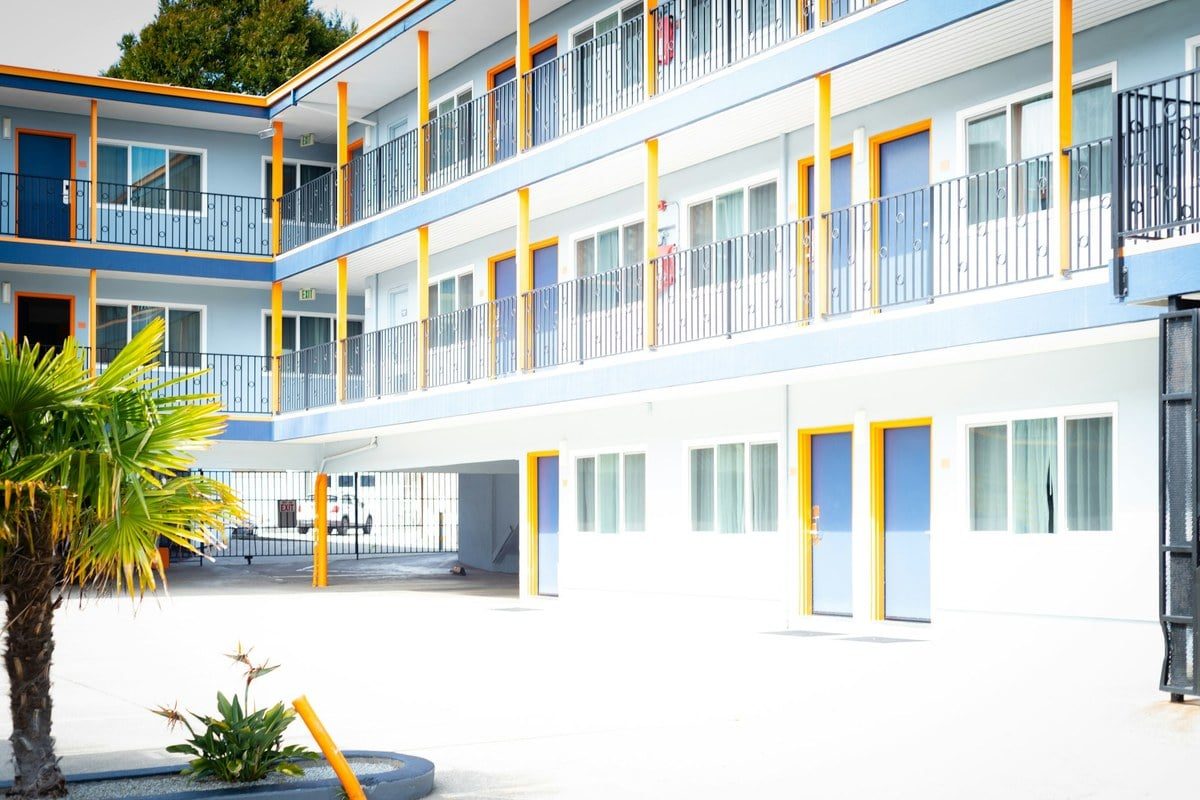
Chicago broke ground on two South Side projects on October 21 and 22: a $6.2 million shelter for homeless young adults in Brainerd and a $1.5 million worker-owned snack factory in Chatham. A former motel becomes a 26-unit shelter with private rooms, and a century-old building becomes a nut-free food production hub.

Public money pays for the Brainerd shelter: $3.7 million in Chicago Recovery Plan funds, $2 million in state Community Development Block Grant funding, and a $500,000 federal earmark. Both projects test whether public money can turn aging South Side buildings into lasting shelter and worker-owned jobs. No opening dates have been announced.

Why it matters

These projects test whether public money can turn aging South Side buildings into lasting shelter and worker-owned jobs.

Last Monday's email for Chicago, IL

Sent Nov 9. It carried:

Get next Monday's: one short email a week. Free. Unsubscribe in one click.

Questions about this story

Free account needed to ask — your question is kept and asked for you right after sign-up. Answers are public.

No questions yet — be the first to ask.

Key Indicators

$6.2M
Brainerd shelter project cost
Total budget for converting the Budget Motel into a 26-unit shelter.
26
Shelter units
Private bedrooms for young adults aged 18-24, including two ADA-compliant rooms.
$1.5M
CrossTreats facility cost
Budget for renovating the century-old Chatham building into a food production hub.
$500K
Wealth Our Way grant
City grant supporting the CrossTreats project, one of six in the inaugural round.
4
CrossTreats worker-owners
Current number, with plans to hire five more workers over three years.

Voices

Curated perspectives — historical figures and your fellow readers.

Sign up to generate historical perspectives on this story.

People Involved

Organizations Involved

Timeline

2013 October 2026

7 events Latest: October 26th, 2026 · 2 weeks ago
Tap a bar to jump to that date
  1. Block Club reports on both projects

    Latest Report

    Block Club Chicago publishes account of both groundbreakings.

  2. CrossTreats Chatham groundbreaking

    Construction

    Ceremony at 7920 S. Greenwood Ave. for $1.5M food production facility.

  3. Brainerd shelter funding breakdown reported

    Funding

    The Center Square reported the $6.2M cost is covered by $3.7M in Chicago Recovery Plan funds, $2M in state CDBG-CV funding, and a $500K federal HUD earmark.

  4. Brainerd shelter groundbreaking

    Construction

    City leaders break ground on $6.2M conversion of Budget Motel into 26-unit shelter.

  5. WOW inaugural round announced

    Funding

    Six of 28 applicants receive Wealth Our Way grants; CrossTreats gets $500,000.

  6. CrossTreats founded

    Milestone

    Worker-owned snack co-op begins operating out of ChiFresh Kitchen.

  7. Ujima Village opens

    Milestone

    Unity launches low-barrier overnight shelter for young people at 7320 S. Yale Ave.

Scenarios

1

Ujima Village's Brainerd shelter opens with 26 units

Likely Resolves by End of 2027

Discussed by: Mayor Johnson's administration, Block Club Chicago

Construction on the $6.2 million project completes, and the former Budget Motel reopens as a non-congregate shelter. Young adults aged 18-24 get private rooms with case management, job training, and health services from partner agencies including the Lawndale Christian Community Health Mobile Clinic.

2

CrossTreats Chatham facility opens and expands workforce

Likely Resolves by Q2 2028

Discussed by: Community Desk Chicago, city press office

The $1.5 million renovation completes, and CrossTreats moves production of Mo'Mo Bites to the Chatham facility. The co-op grows from four worker-owners toward its goal of nine as it hires five more workers over three years.

3

Construction delays push both projects past expected timelines

Possible Resolves by End of 2028

Discussed by: Block Club Chicago, which will track construction progress

Supply chain issues, labor costs, or funding shortfalls slow both projects. One or both facilities receive additional city funding for cost overruns or announce later-than-expected opening dates. Neither project has stated a completion date yet.

Historical Context

3 moments from history that rhyme with this story — and how they unfolded.

2013

Ujima Village (2013)

Unity Parenting and Counseling opened the Ujima Village at 7320 S. Yale Ave. as an overnight, low-barrier shelter letting young people rest and access food without intensive intake. It became the organization's signature youth housing program.

Then

Provided immediate shelter to young adults in the area and established Unity as a youth housing provider.

Now

Built the institutional base for the larger, non-congregate Brainerd project.

Why this matters now

The Brainerd shelter explicitly continues Ujima Village's mission, replacing congregate beds with private rooms.

Before 2024

ChiFresh Kitchen (before 2024)

ChiFresh Kitchen, a worker-owned co-op in Greater Grand Crossing, hired previously incarcerated people to cook meals for neighbors in need. Its success showed the co-op model could work in food service.

Then

Became a functioning business led by formerly incarcerated workers.

Now

Led to the formation of VOLTS, which launched housing and property-management co-ops and incubated CrossTreats.

Why this matters now

CrossTreats grew directly out of ChiFresh Kitchen and scales the same worker-ownership model into manufacturing.

2020-2021

COVID-era motel conversions (2020-2021)

During the pandemic, cities including Chicago moved homeless people from crowded congregate shelters into hotels and motels to limit virus transmission. Federal emergency funds covered the cost.

Then

Thousands of homeless people received private rooms during the health emergency.

Now

The experience normalized private-room shelter as a preferred alternative to dormitory-style housing.

Why this matters now

The Brainerd shelter makes that temporary model permanent, using city recovery funds rather than federal emergency dollars.

Sources

(5)