Federal agent kills Minneapolis woman during Trump's mass deportation campaign
Force in Play
Two federal killings in 17 days spark Capitol Hill testimony, 700-agent drawdown, and questions about whether cooperation signals de-escalation or tactical retreat
Two federal killings in 17 days spark Capitol Hill testimony, 700-agent drawdown, and questions about whether cooperation signals de-escalation or tactical retreat
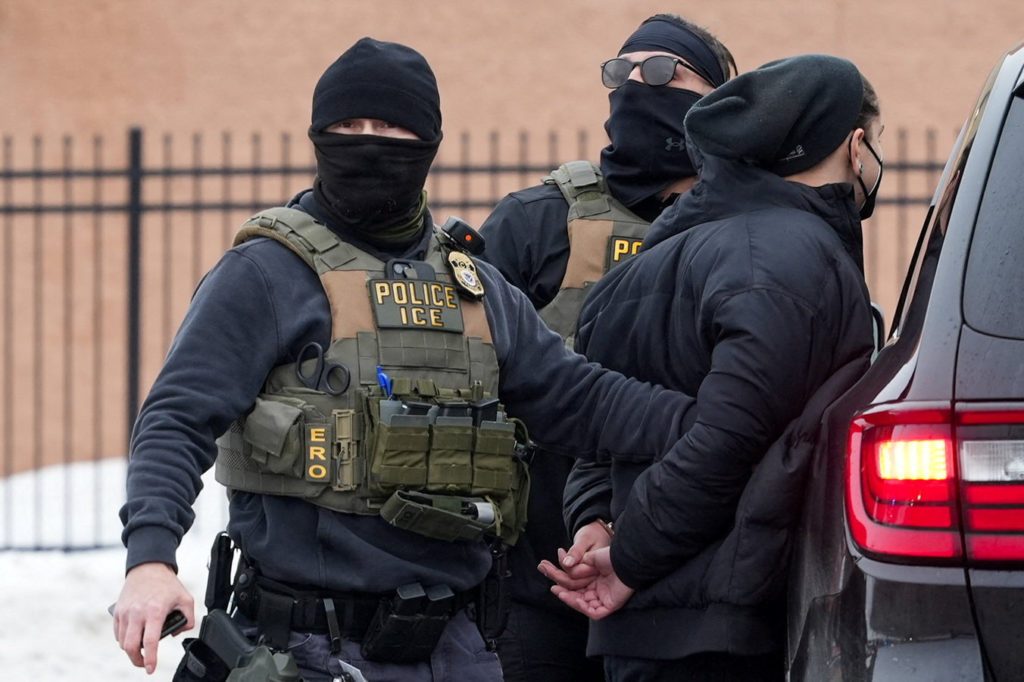
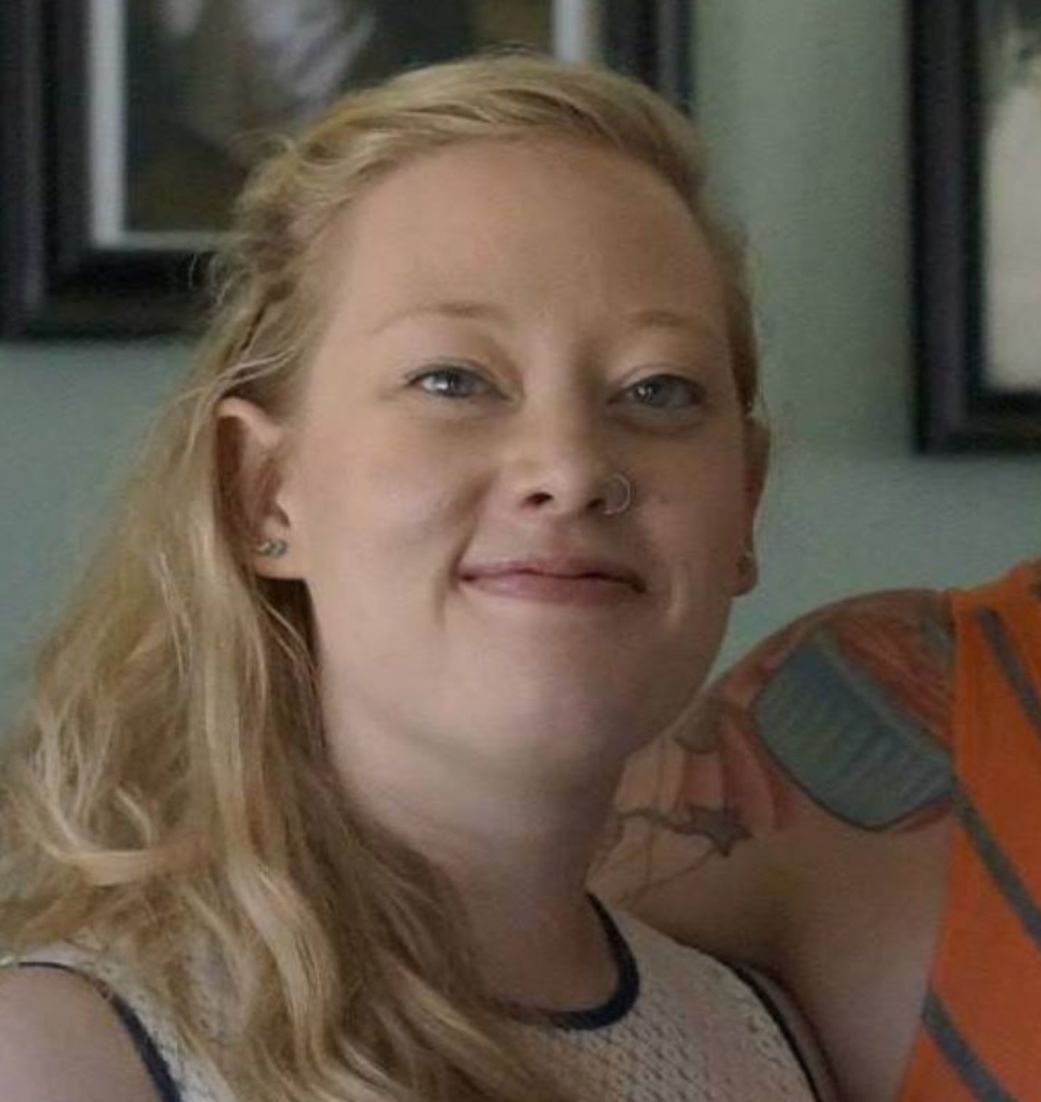
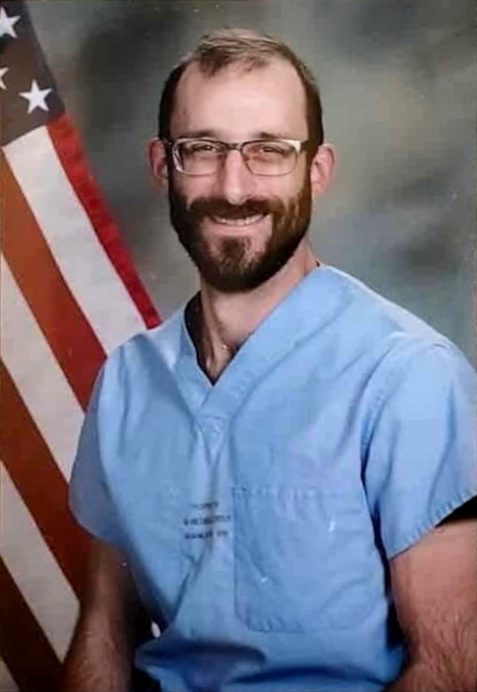
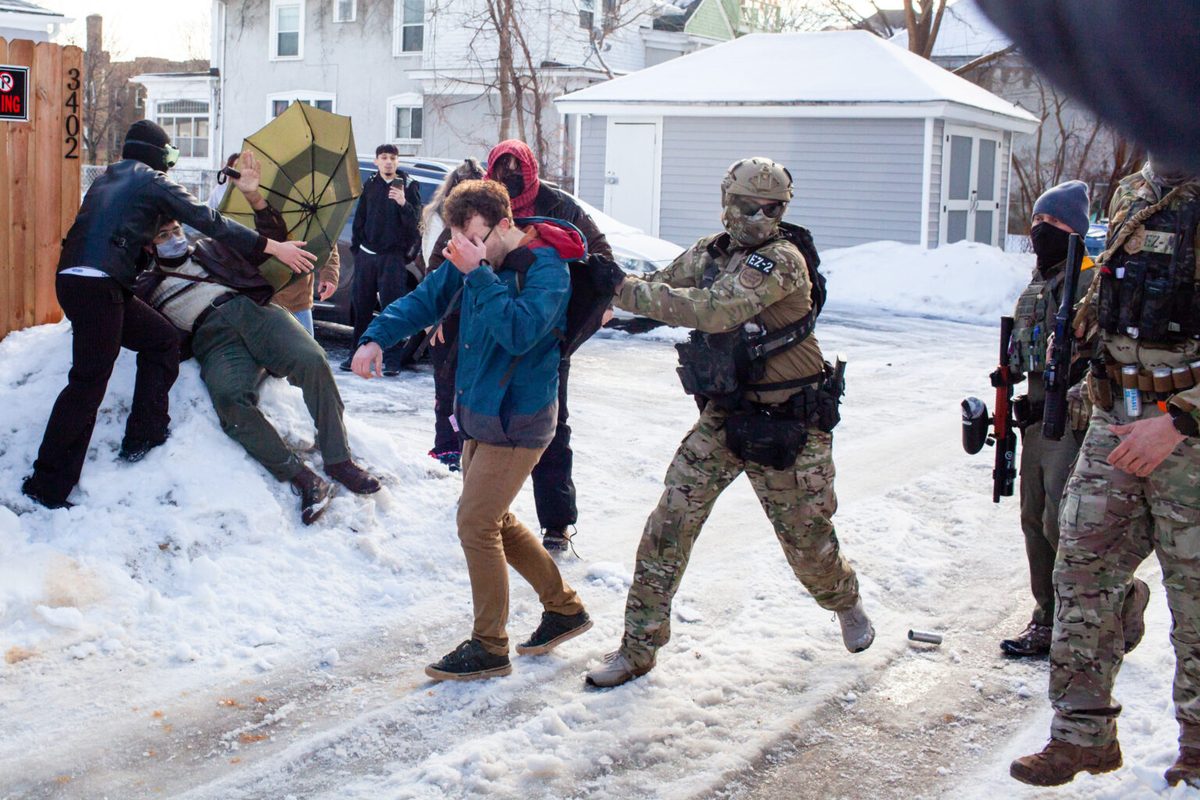
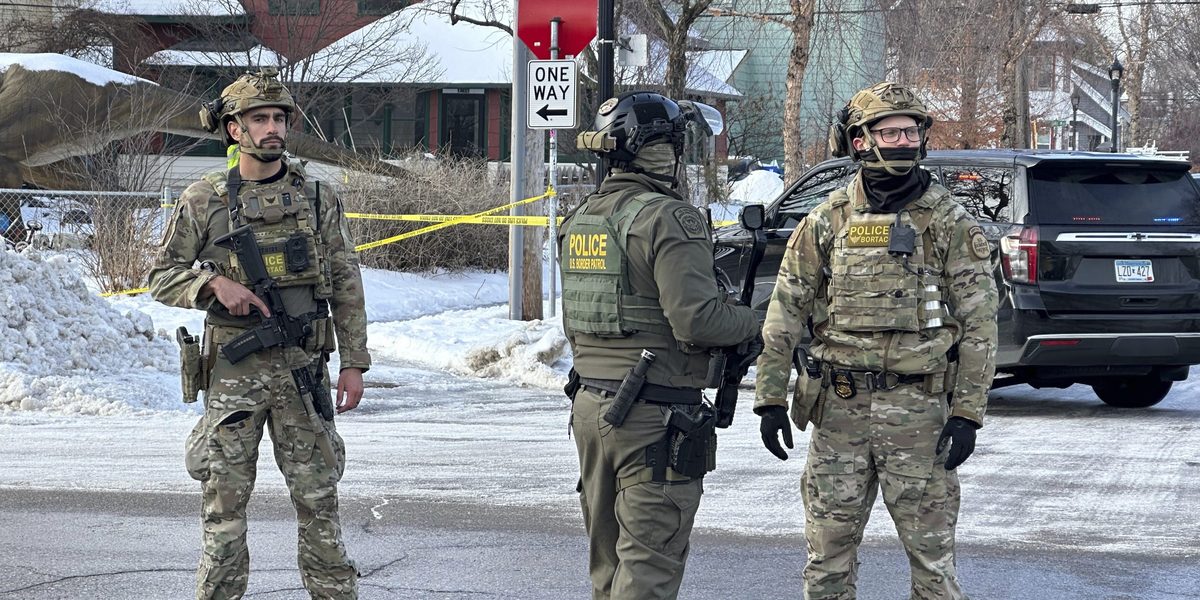
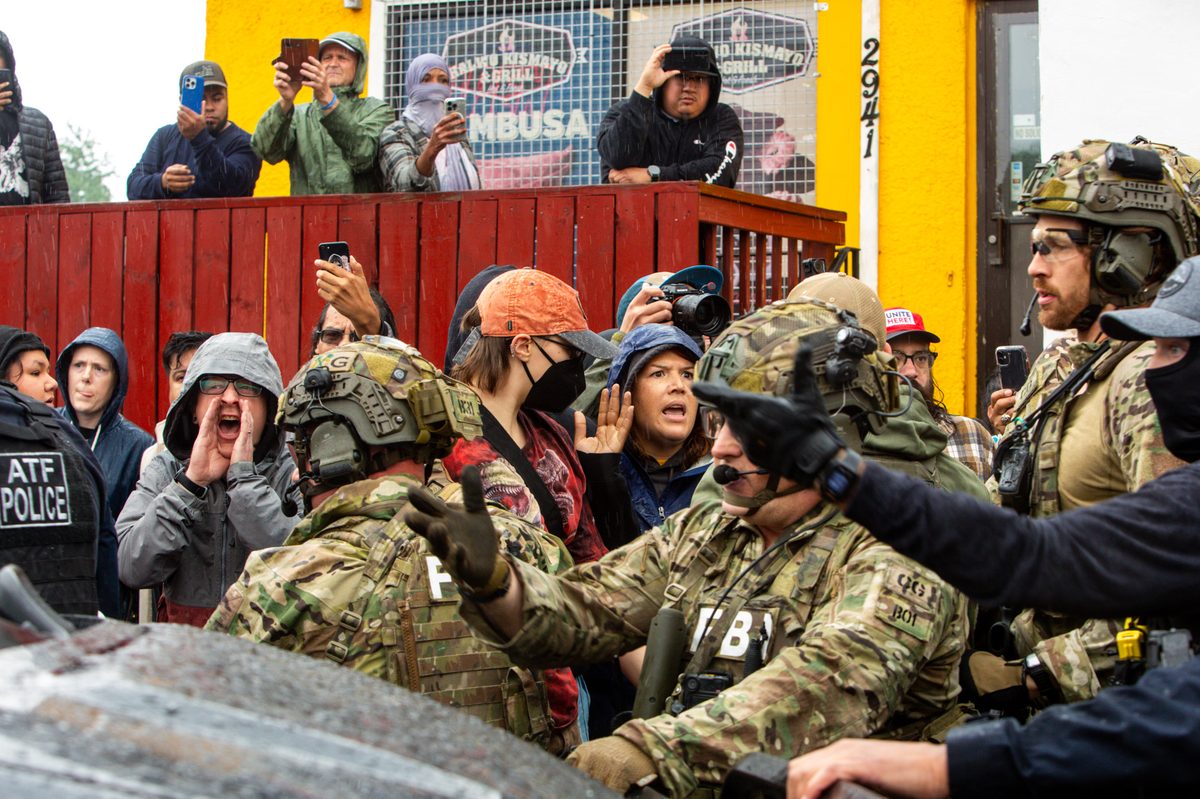
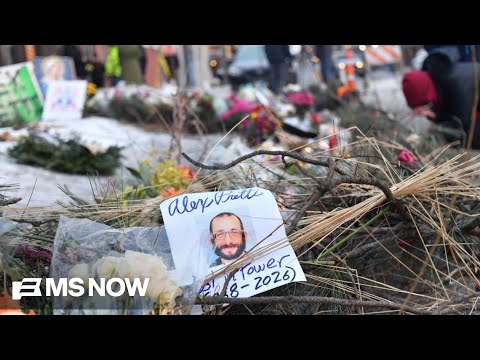
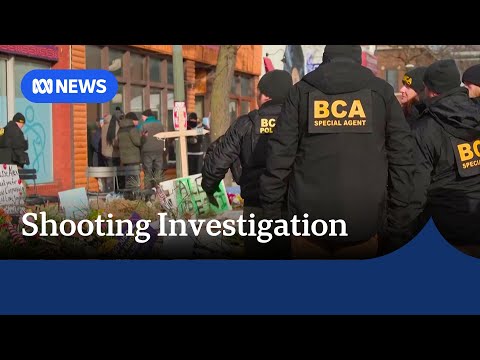
An ICE agent shot Renee Nicole Good through her car window on a Minneapolis street January 7, killing the 37-year-old mother instantly. Federal officials claimed self-defense, saying Good weaponized her Honda Pilot to ram agents. But video shows something different: a woman slowly backing up and pulling forward, trying to leave, before an officer fires three shots into her head. "Having seen the video myself, that is bullshit," said Minneapolis Mayor Jacob Frey. The shooter: Jonathan Ross, a 43-year-old deportation officer who was dragged fifty yards by a vehicle he tried to forcibly enter just six months earlier. Seventeen days later, on January 24, Border Patrol agents shot and killed Alex Pretti, a 37-year-old ICU nurse and legal gun owner. Video shows Pretti filming agents with his phone, getting pepper-sprayed, wrestled to the ground by six agents, then shot at least ten times. DHS claimed he was armed and violent. Video evidence again contradicts the official account. At least six federal prosecutors resigned in protest over how investigations were being handled—pressure to investigate victims' families rather than the shooters. On January 24, FBI agent Tracee Mergen, supervisor of the Public Corruption Squad in Minneapolis, resigned over pressure to "reclassify/discontinue the investigation" into Good's killing and focus instead on her widow Becca. Minneapolis Police Chief Brian O'Hara noted that two of the city's three homicides in 2026 were committed by federal agents.
The crisis escalated beyond individual shootings into a confrontation over federal power, then showed signs of tactical retreat. But those signs proved more symbolic than substantive. Chief Judge Patrick Schiltz threatened acting ICE director Todd Lyons with contempt charges for violating ninety-six court orders across seventy-four cases since January 1. As Schiltz wrote, this was "more court orders in January 2026 than some federal agencies have violated in their entire existence." After ICE released a detained immigrant, Schiltz canceled the January 31 contempt hearing but warned future violations would bring consequences. That same day, federal Judge Kate Menendez denied Minnesota Attorney General Keith Ellison's request to halt Operation Metro Surge. She ruled that plaintiffs "have not met their burden" for a preliminary injunction, yet acknowledged agents' tactics were having "profound and even heartbreaking consequences." Border Patrol Commander Gregory Bovino was relieved of command January 27 and replaced by Tom Homan, Trump's "border czar." On February 3, Homan announced a drawdown of 700 agents effective immediately, conditional on continued cooperation from Minnesota officials who had agreed to turn over arrested immigrants. The White House simultaneously announced 4,000+ arrests since the operation began, claiming agents had removed violent criminals including homicide convicts, gang members, and sex offenders. On February 3, Renee Good's brothers testified on Capitol Hill about the family's "deep distress" following her killing. The federal response to resistance intensified on January 30. Former CNN journalist Don Lemon and Minnesota journalist Georgia Fort were arrested on federal civil rights charges for covering a January 18 church protest. Two federal judges had previously declined to approve arrests, citing lack of evidence. Two general strikes hit Minnesota on January 23 and January 30. The later strike spread to protests in all fifty states, with tens of thousands marching nationwide. Bruce Springsteen released "Streets of Minneapolis" as a protest song condemning "King Trump" and performed it live January 30 at Tom Morello's benefit concert for the families of Good and Pretti. Over sixty CEOs of major Minnesota companies called for "immediate deescalation." What began as immigration enforcement has become something larger. It tests whether federal power can override state authority through military-style operations, whether video evidence matters when contradicting official narratives, and whether federal courts will enforce limits on executive power. Another question is whether journalists can be prosecuted for covering protests. The drawdown announcement suggests the administration may be recalibrating tactics rather than abandoning the underlying enforcement agenda.
Questions about this story
Free account needed to ask — your question is kept and asked for you right after sign-up. Answers are public.
No questions yet — be the first to ask.
Key Indicators
2
Federal killings in 17 days
Border Patrol killed Alex Pretti Jan 24, ICE killed Renee Good Jan 7 in Minneapolis
7+
Federal prosecutors and FBI agents resigned
6 Minnesota prosecutors and FBI supervisor Tracee Mergen quit in protest over pressure to investigate victims rather than shooters
50
States with Jan 30 protests
Second general strike spread to all 50 states after first Minnesota strike on Jan 23 drew 300 cities nationwide
60+
CEOs demanding deescalation
Leaders of Target, Best Buy, 3M, UnitedHealth, General Mills called for "immediate deescalation" Jan 25
4,000+
Arrests claimed by DHS
White House announced 4,000+ arrests in Operation Metro Surge; claims include violent criminals but independent verification difficult
700
Agents withdrawn Feb 3
Tom Homan announced immediate drawdown of 700 federal agents from Minnesota, conditional on state cooperation
2,300
Agents remaining deployed
After 700-agent drawdown, approximately 2,300 federal agents remain in Minnesota operation
1
Journalist arrested for covering protests
Don Lemon arrested Jan 30 on federal charges despite two judges previously declining to approve arrest
Images from Openverse under Creative Commons licenses.
Videos from YouTube.
Voices
Curated perspectives — historical figures and your fellow readers.
George Orwell
(1903-1950) ·Modernist · satire
Fictional AI pastiche — not real quote.
"I see the Ministry of Truth has learned to work backwards: first the shooting, then the narrative, then the investigation of those who noticed the discrepancy. When six prosecutors and an FBI supervisor resign rather than participate in redefining murder as self-defense, we are watching the corruption of language happen in real time—and discovering that even in 2026, some still possess the dangerous habit of believing their own eyes over the Party line."
100% found this insightful
Oscar Wilde
(1854-1900) ·Victorian · wit
Fictional AI pastiche — not real quote.
"How curious that a republic founded upon the principle of escaping tyranny should find itself employing men who mistake a mother's retreat for an assault, and a nurse's camera for a weapon. One might have thought that video evidence would serve truth, but I see now it serves only to reveal how thoroughly officials prefer their fictions to our facts. The modern state has perfected what we Victorians merely attempted: the art of investigating not the crime, but the inconvenient witness—though I confess, even our most imaginative bureaucrats never thought to prosecute grief itself."
100% found this insightful
Eleanor Roosevelt
(1884-1962) ·Progressive Era · politics
Fictional AI pastiche — not real quote.
"When federal agents become indistinguishable from the very lawlessness they claim to oppose, we must ask not what rights the Constitution grants us, but whether we possess the courage to insist those rights mean something. The camera does not lie—but power, unchecked, will always find someone willing to ignore what the camera shows."
0% found this insightful
Ayn Rand
(1905-1982) ·Cold War · philosophy
Fictional AI pastiche — not real quote.
"A government that claims the right to deport people by force, then murders those who dare to flee or question its actions, has abandoned law for gang warfare—and the real obscenity is watching prosecutors investigate victims while calling it justice. The only thing more contemptible than federal agents who shoot first and fabricate later is a population that would surrender individual rights to either immigration chaos or federal tyranny, as if these were the only alternatives."
0% found this insightful
Ever wondered what historical figures would say about today's headlines?
Sign up to generate historical perspectives on this story.
68 events
Latest: February 3rd, 2026 · 7 months ago
Showing 8 of 68
JK to step
Tap a bar to jump to that date
Jump to
February 2026
Tom Homan Announces 700-Agent Drawdown
LatestFederal Response
Border Czar Tom Homan announced immediate drawdown of 700 federal agents from Minnesota, conditional on continued cooperation from state and local officials in turning over arrested immigrants. Homan said the decision came after discussions with Gov. Walz, AG Ellison, Mayor Frey, and police chiefs who agreed community safety is paramount.
White House Announces 4,000+ Arrests Milestone
Enforcement
The White House announced Operation Metro Surge has resulted in 4,000+ arrests since deployment began, claiming agents removed violent criminals including homicide convicts, gang members, and sex offenders. Independent verification of arrest categories and criminal records difficult.
Renee Good's Brothers Testify on Capitol Hill
Congressional Response
Luke Ganger and Brent Ganger, brothers of Renee Good, testified before Congress about the family's "deep distress" following her fatal shooting by ICE agent Jonathan Ross on January 7.
DHS Releases Operation Metro Surge Arrest Data Questioned
Investigation
DHS released new arrest data for Operation Metro Surge, but independent analysts raised questions about whether claims of removing "worst of the worst" are accurate or verifiable.
January 2026
Federal Judge Denies Request to Halt Operation Metro Surge
Legal
U.S. District Judge Kate Menendez denied Minnesota Attorney General Keith Ellison's request for preliminary injunction to halt Operation Metro Surge. Menendez acknowledged agents' tactics were having 'profound and even heartbreaking consequences' but ruled plaintiffs 'have not met their burden' for the 'extraordinary remedy' of a preliminary injunction. The broader legal challenge continues.
Second General Strike, Nationwide Protests in All 50 States
Protest
Second Minnesota general strike occurred with 'National Shutdown' protests spreading to all 50 states. Tens of thousands demonstrated from Los Angeles to New York under call for 'no school, no work, no shopping.' Hundreds gathered in downtown Minneapolis at 2 p.m. Walkouts, events, and vigils took place in New York City, Boston, Seattle, Los Angeles, Cleveland, Atlanta, Chicago, Philadelphia and hundreds of other cities. Protesters staged sit-ins at nineteen Twin Cities Target stores.
Bruce Springsteen Performs 'Streets of Minneapolis' Live at Benefit Concert
Cultural Response
Bruce Springsteen performed live debut of protest song 'Streets of Minneapolis' at Tom Morello's 'Defend Minnesota' benefit concert at First Avenue. Springsteen and Morello also performed electric version of 'The Ghost of Tom Joad' and John Lennon's 'Power to the People.' Concert featured Rise Against, Al Di Meola, and Ike Reilly. Event sold out; all proceeds benefiting families of Renee Good and Alex Pretti.
Journalist Don Lemon Arrested on Federal Civil Rights Charges
Federal Response
Former CNN journalist Don Lemon arrested by federal agents in Los Angeles and charged with conspiracy against religious freedom and interfering with exercise of religious freedom related to January 18 church protest he covered in St. Paul. AG Pam Bondi described it as 'coordinated attack on Cities Church.' Lemon says he was there as journalist; footage shows him not participating in chants. Two federal judges previously declined to approve arrest citing lack of evidence; chief federal appeals judge wrote there was 'no evidence' of criminal behavior in Lemon's work. Lemon appeared in court and was released; plans to plead not guilty.
Minnesota Journalist Georgia Fort Arrested Alongside Don Lemon
Federal Response
Federal grand jury indicted nine defendants including journalists Don Lemon and Georgia Fort on charges of conspiracy against religious freedom and interfering with exercise of religious freedom at Cities Church. Fort is independent journalist and vice president of Minneapolis chapter of National Association of Black Journalists. Both journalists maintain they were engaged in constitutionally protected journalism during January 18 protest. AG Pam Bondi directed arrests.
DOJ Announces Civil Rights Probe Into Pretti Killing
Investigation
U.S. Department of Justice announced it would open a civil rights investigation into the killing of Alex Pretti, marking a shift from earlier stance when Deputy AG Todd Blanche said there was 'no basis for a criminal civil rights investigation' into Good's killing.
Homan Announces Conditional Drawdown Plan
Federal Response
Border czar Tom Homan announced plan to reduce 3,000 deployed federal agents in Minneapolis, conditional on cooperation from state officials. Homan said ICE will shift from street sweeps to targeted enforcement of people with criminal records. Mayor Frey responded: 'Any drawdown is a step in the right direction—but my ask remains the same: Operation Metro Surge must end.' AG Ellison stated he 'did not negotiate with Homan, come to any agreement, or offer any compromise.'
Judge Schiltz Cancels Contempt Hearing, Issues Scathing Order
Legal
Chief Judge Patrick Schiltz canceled January 31 contempt hearing after ICE released detained immigrant Juan Tobay Robles, but issued order documenting ICE violated 96 court orders across more than 70 cases since Operation Metro Surge began. 'ICE has likely violated more court orders in January 2026 than some federal agencies have violated in their entire existence,' Schiltz wrote.
Bruce Springsteen Releases Protest Song 'Streets of Minneapolis'
Cultural Response
Bruce Springsteen released 'Streets of Minneapolis,' a protest song memorializing Renee Good and Alex Pretti. 'I wrote this song on Saturday, recorded it yesterday and released it to you today in response to the state terror being visited on the city of Minneapolis,' Springsteen said. The song condemns 'King Trump' and ends with chants of 'ICE Out!'
Two Border Patrol Agents Placed on Administrative Leave
Investigation
DHS confirmed two Border Patrol agents who fired weapons in Alex Pretti's killing were placed on administrative leave, contradicting earlier statements by Commander Bovino that agents remained on the job. Standard protocol requires three days leave and mental wellness contact.
Border Patrol Commander Bovino Relieved of Command
Federal Response
Gregory Bovino, Border Patrol Commander-at-Large and face of Operation Metro Surge, was relieved of command following two fatal shootings of U.S. citizens. Bovino is returning to California's El Centro sector, effectively demoted from his Minneapolis role.
Tom Homan Takes Over Operation Metro Surge
Federal Response
Trump's 'border czar' Tom Homan arrived in Minnesota to take over ICE operations from Bovino. Homan met with Gov. Walz, Mayor Frey, and Police Chief O'Hara. Frey told Homan Minneapolis would not change sanctuary policies in exchange for federal withdrawal. Walz demanded impartial investigations, swift reduction in federal forces, and end to retribution campaign.
Federal Judge Threatens ICE Director With Contempt
Legal
Chief Judge Patrick Schiltz ordered acting ICE Director Todd Lyons to appear personally in Minneapolis federal court January 31, threatening contempt charges. Schiltz accused ICE of failing to comply with 'dozens of court orders' during Operation Metro Surge, causing 'significant hardship' to detained immigrants. 'This Court's patience is at an end,' Schiltz wrote. Following the order, ICE released Juan Tobay Robles from detention.
Nationwide Legislation to Limit ICE Cooperation
Congressional Response
Politico reported that the killings kicked off a series of efforts by state legislators nationwide to limit cooperation with and increase oversight of ICE operations, with bills introduced in multiple states following the Minneapolis shootings.
Judge Hears Arguments in Minnesota AG Lawsuit
Legal
Federal Judge Kate Menendez heard arguments in Minnesota Attorney General Keith Ellison's lawsuit seeking to end Operation Metro Surge. Menendez said she would take time 'to do everything I can to get it right' on the final decision. No ruling issued Monday; case remains pending.
Second General Strike Announced for January 30
Protest
Labor unions and community organizations announced second Minnesota general strike for January 30 following Alex Pretti's killing. First strike on January 23 spread to 300 cities nationwide with solidarity actions, marking first U.S. general strike since 1940s.
60+ Minnesota CEOs Issue Deescalation Letter
Corporate Response
Over 60 CEOs of major Minnesota companies—including Target, Best Buy, 3M, UnitedHealth Group, General Mills, Mayo Clinic, and Cargill—posted open letter to Minnesota Chamber of Commerce website calling for 'immediate deescalation of tensions' and urging state, local and federal officials to work together after second fatal shooting.
Border Patrol Kills Alex Pretti in South Minneapolis
Deadly Force
Border Patrol agents shot and killed Alex Pretti, 37-year-old ICU nurse and U.S. citizen, at 26th Street and Nicollet Avenue. Video shows Pretti filming agents with phone, getting pepper-sprayed, wrestled to ground by six agents, then shot at least ten times. DHS claimed he was armed and violent; video shows him holding phone, not weapon. Second federal killing in Minneapolis in 17 days.
Federal Judge Issues Emergency Restraining Order Against DHS
Legal
U.S. District Judge Eric Tostrud granted temporary restraining order barring DHS from destroying or altering evidence in Pretti's killing. Order came after Minnesota BCA and Hennepin County Attorney's Office filed emergency lawsuit. Hearing set for January 27. Judicial intervention signals distrust of federal evidence handling.
Gov. Walz Calls Second Shooting 'Horrific'
Official Response
Walz called Pretti's killing 'another horrific shooting' and said DHS account was 'nonsense' after reviewing witness videos showing contradiction with official narrative.
FBI Supervisor Tracee Mergen Resigns Over Investigation Handling
Investigation
Tracee Mergen, acting FBI supervisor of Public Corruption Squad in Minneapolis field office, resigned over pressure to 'reclassify/discontinue the investigation' into Good's killing and focus instead on her widow Becca. Seventh law enforcement official to resign in protest.
Mass Protest and Economic Blackout in Minnesota
Protest
Over 700 Minnesota businesses closed for 'ICE Out of Minnesota: Day of Truth and Freedom' economic blackout. Thousands marched in downtown Minneapolis despite subzero temperatures. Around 100 protesters detained at MSP Airport.
Vance Visits Minneapolis, Defends ICE Operations
Federal Response
Vice President Vance visited Minneapolis, met with ICE agents, called on Minnesota officials to 'lower the temperature and lower the chaos' by cooperating with federal enforcement.
DOJ Serves Subpoenas to Walz, Frey, and Other Minnesota Officials
Investigation
Federal prosecutors served grand jury subpoenas to Gov. Walz, Mayor Frey, Attorney General Keith Ellison, St. Paul Mayor Kaohly Her, and two counties as part of criminal investigation into alleged conspiracy to obstruct federal immigration enforcement.
DOJ Announces No Civil Rights Investigation
Investigation
Deputy Attorney General Todd Blanche stated 'there is currently no basis for a criminal civil rights investigation' into Ross's shooting of Good, formally confirming Civil Rights Division exclusion.
DHS Claims 3,000 Arrests in Operation Metro Surge
Enforcement
DHS announced Operation Metro Surge had resulted in 3,000 arrests in six weeks, claiming it removed 'the worst of the worst' from Minneapolis streets. Independent verification of numbers impossible.
Federal Investigation Targets Becca Good
Investigation
Federal officials confirmed they are investigating Renee Good's widow Becca for allegedly impeding federal officers, focusing on possible activist group ties rather than Ross's actions during the shooting.
DOJ Investigating Becca Good Under Officer Assault Statute
Investigation
Federal investigation confirmed targeting Becca Good under statute against 'assaulting, resisting, or impeding federal officers,' focusing on video showing her shouting 'Drive, baby, drive' before Ross opened fire. Investigation falls under December Bondi memo targeting those who impede federal officers.
DOJ Launches Criminal Investigation of Walz and Frey
Investigation
Justice Department opened criminal investigation of Gov. Walz and Mayor Frey under 18 U.S.C. § 372 for alleged conspiracy to prevent federal officers from carrying out duties through their public statements criticizing ICE operations.
Rep. Thanedar Announces Abolish ICE Act
Congressional Response
Democratic Rep. Shri Thanedar of Michigan announced plans to introduce Abolish ICE Act, accusing agency of being 'beyond reform' following Good's killing.
ACLU Files Second Class-Action Lawsuit Alleging Racial Profiling
Legal
ACLU filed second class-action lawsuit alleging widespread racial profiling by federal immigration agents during Operation Metro Surge.
At Least Six Minnesota Federal Prosecutors Resign
Investigation
Six prosecutors with U.S. Attorney's Office in Minnesota resigned in protest, including Joseph Thompson, Melinda Williams, Harry Jacobs, Thomas Calhoun-Lopez, Ruth Schneider, and Tom Hollenhurst, citing pressure to investigate Good's widow and activist ties rather than the shooting itself.
DOJ Fires Resigned Minnesota Prosecutors
Investigation
Five Minnesota federal prosecutors formally terminated by DOJ at direction of AG Pam Bondi and Deputy AG Todd Blanche after submitting resignations. Prosecutors had resigned in protest over pressure to investigate Becca Good rather than ICE agent Ross.
DOJ Civil Rights Division Leaders Resign
Investigation
At least four senior leaders of DOJ's Civil Rights Division criminal section resigned in protest over Harmeet Dhillon's decision not to investigate Ross's shooting and the exclusion from the case despite normal protocol.
Portland Shooting Victims Identified, Gang Ties Alleged
Federal Response
DHS identified Portland shooting victims as Luis David Nico Moncada and Yorlenys Betzabeth Zambrano-Contreras, alleging Tren de Aragua gang affiliation; Portland police chief tearfully confirmed gang nexus.
Gov. Walz Proclaims 'Renee Good Day'
State Response
Minnesota Governor proclaimed January 9 as 'Renee Good Day,' called killing 'consequences of governance designed to generate fear, headlines and conflict.'
Good's Wife Becca Releases Statement
Personal
Becca Good described Renee as 'made of sunshine,' said they 'had whistles. They had guns.' She blamed herself at scene: 'I made her come down here. It's my fault.'
DOJ Civil Rights Division Blocked From Investigation
Investigation
Prosecutors in Justice Department's Civil Rights Division told they will not participate in investigating Good's killing, despite typical protocol for federal officer shootings.
New Cellphone Video Released
Evidence
Additional video from ICE agent's cellphone shows moments before shooting; footage continues contradicting federal self-defense narrative.
Protesters Clash With Federal Agents
Protest
Tense standoffs outside Bishop Whipple Federal Building; federal agents outnumbered protesters.
Vance Calls Good "Deranged," Defends Shooting
Federal Response
Vice President characterized Good's death as "tragedy of her own making," accused critics of gaslighting.
Rep. Kelly Files Noem Impeachment Articles
Congressional Response
Kelly filed three articles: obstruction of Congress, violation of public trust, self-dealing.
ICE Agent Identified as Jonathan Ross
Investigation
Shooter identified as Jonathan Ross, 43, deportation officer with 10 years ICE experience. Ross was dragged 50 yards in June 2025 after smashing car window, reaching inside vehicle.
Border Patrol Shoots Two in Portland
Deadly Force
Border Patrol agent shot Luis David Nico Moncada and Yorlenys Betzabeth Zambrano-Contreras during traffic stop; both hospitalized in stable condition. DHS alleged gang ties, claimed driver 'weaponized vehicle.'
Portland Mayor Halts ICE Operations
Local Resistance
Portland Mayor Keith Wilson called on ICE to halt all operations in city following Border Patrol shooting; hundreds gathered at vigils.
DHS Dismisses Impeachment as 'Silly'
Federal Response
DHS spokesperson called Democratic impeachment effort against Noem 'silly,' signaling administration won't back down despite congressional pressure.
Minneapolis Protests Declared Unlawful Assembly
Protest
Police declared downtown protests unlawful assembly; Minnesota State Troopers in riot gear cleared area outside hotel where anti-ICE protesters gathered. At least 30 detained and released.
ICE Agent Kills Renee Nicole Good
Deadly Force
ICE agent shot Good through car window on Portland Avenue; she died instantly from head wounds.
Federal Agents Confront Roosevelt High Students
Enforcement
Video showed agent spraying chemical irritants on crowd including Roosevelt High School students and staff.
Mayor Frey Calls DHS Claims "Bullshit"
Official Response
After reviewing video, Frey rejected self-defense narrative, told ICE to "get the fuck out of Minneapolis."
FBI Takes Sole Control of Investigation
Investigation
U.S. Attorney blocked Minnesota BCA from accessing evidence, scene materials, witness interviews.
Governor Walz Mobilizes National Guard
State Response
Walz issued warning order for Guard deployment, urged peaceful protest to avoid federal escalation.
Minneapolis Schools Cancel Classes
Community Impact
District shut down Thursday and Friday, citing safety concerns after shooting and Roosevelt High incident.
Noem Accompanies First Minneapolis Arrests
Enforcement
DHS Secretary Noem appeared in tactical gear during arrests; agents detained 150 people on first day.
DHS Announces "Largest Operation Ever" in Minneapolis
Enforcement
DHS deployed 2,000 federal agents for 30-day operation, tying it to Somali fraud allegations.
December 2025
Off-Duty ICE Agent Shoots Man in Los Angeles
Deadly Force
Off-duty ICE agent used service weapon to shoot man authorities said raised rifle at officer.
Minneapolis Mayor Blocks ICE From City Property
Local Resistance
Mayor Frey signed executive order blocking ICE from using city-owned parking facilities.
Border Patrol Kills Man in Rio Grande City
Deadly Force
Border Patrol agent killed 31-year-old Mexican citizen while attempting detention in Texas.
October 2025
Border Patrol Shoots Chicago Woman Five Times
Deadly Force
Marimar Martinez shot, labeled "domestic terrorist"; charges dropped after video showed agent steered vehicle into her truck.
The FBI investigation concludes the shooting was justified self-defense, clearing the agent of wrongdoing despite contradictory video evidence. The administration uses the verdict to intensify enforcement operations in other sanctuary cities, framing local resistance as obstruction endangering federal officers. More deadly force incidents follow as agents operate with effectively unchecked authority. Minneapolis becomes a template: deploy overwhelming force, control the investigation, dismiss local accountability measures. Sanctuary cities face the choice of submission or escalating confrontation with federal power.
2
Agent Charged, Operations Temporarily Scaled Back
Possible
Discussed by: Civil rights organizations, Democratic lawmakers, some former federal prosecutors
Video evidence and local pressure force criminal charges against the ICE agent. The administration temporarily scales back the most aggressive enforcement tactics to avoid further flashpoint incidents during the prosecution. Noem resigns or is removed amid the impeachment effort. ICE continues enforcement but avoids the kind of overwhelming deployments that led to Good's death. The case becomes a rare accountability moment, though it doesn't fundamentally change deportation policy—just the tactics used to implement it.
3
Minneapolis Erupts, Federal Troops Deployed
Possible
Discussed by: Civil rights activists, protest organizers, analysts who covered Portland 2020
Protests escalate beyond what National Guard can manage. Trump deploys active-duty military to Minneapolis under the Insurrection Act, citing threats to federal officers and property. The deployment mirrors Portland 2020 but with deadlier consequences—Minneapolis is already traumatized by Floyd's murder, and federal troops in a majority-Black neighborhood near that site triggers sustained resistance. Other cities see solidarity protests. The crisis becomes a national flashpoint over federal power, states' rights, and whether Trump is testing authoritarian tactics under cover of immigration enforcement.
4
Story Fades, Becomes Normal Background Violence
Likely
Discussed by: Media analysts, immigration advocates worried about normalization
Good's killing briefly dominates headlines, then disappears into the churn of other crises. The FBI investigation drags on without resolution. Impeachment articles against Noem go nowhere in the Republican Congress. ICE continues operations with occasional deadly force incidents that generate local outrage but no national reckoning. The death toll slowly rises—seven killed by year's end, then twelve the following year—but each incident is treated as isolated rather than part of a pattern. What seemed shocking in January becomes unremarkable by summer. The normalization is the story.
5
Pattern of Shootings Forces Policy Retreat
Possible
Discussed by: Immigration policy experts, former DHS officials concerned about liability
The Portland shooting one day after Good's killing—the sixth federal agent shooting in six months—creates unsustainable political and legal exposure. Insurance and legal counsel warn DHS of mounting civil liability. Republican senators quietly express concern about bad optics before midterms. The administration doesn't change deportation goals but quietly scales back the most aggressive street enforcement tactics, shifting back toward worksite raids and jail transfers. Ross faces state charges in a compromise that lets Minnesota prosecute while feds maintain overall control. The shootings slow but don't stop; the tactics shift just enough to reduce flashpoint incidents.
DOJ brings criminal charges against Walz, Frey, or other Minnesota officials under the conspiracy-to-obstruct statute used against January 6 defendants. The unprecedented prosecution of elected officials for public criticism of federal operations creates a chilling effect nationwide. Other Democratic governors and mayors quiet their opposition to ICE operations for fear of federal prosecution. The case becomes a test of whether First Amendment protections shield elected officials who call federal agents' actions unlawful. Legal experts warn of authoritarian implications, but the administration frames it as enforcing the rule of law against officials who encouraged obstruction.
7
Becca Good Charged With Obstruction
Likely
Discussed by: Federal prosecutors, Trump administration officials
Federal investigation results in charges against Becca Good for impeding federal officers, making her a criminal defendant in her own wife's killing. The prosecution relies on video of Becca and Renee observing ICE operations, interpreting their presence and filming as obstruction. The trial becomes a proxy battle over the shooting itself, with Becca's defense team arguing she's being prosecuted to justify Ross's actions. The case chills community monitoring of federal enforcement operations nationwide as residents fear becoming targets themselves. Civil liberties organizations rally to her defense, calling it criminalization of First Amendment-protected observation.
8
Mass Prosecutor Exodus Triggers Congressional Investigation
Possible
Discussed by: Democratic lawmakers, legal ethics experts, former DOJ officials
Continuing resignations of career federal prosecutors—both in Minnesota and at DOJ headquarters—trigger congressional hearings into politicization of the investigation. Resigned prosecutors testify publicly about pressure to investigate victims and critics rather than the shooter. The testimony reveals internal DOJ memos showing Civil Rights Division attorneys were threatened with termination if they pursued the Ross investigation. Senate Judiciary Democrats demand special counsel, though Republicans control committee. The exodus becomes symbolic of broader concerns about Trump administration weaponizing DOJ against political opponents under guise of immigration enforcement.
9
Third Federal Shooting Forces Operational Pause
Possible
Discussed by: Minnesota officials, civil rights attorneys, former federal law enforcement
Another federal shooting in Minneapolis—the third in three weeks—creates unsustainable legal and political exposure. Federal judge's restraining order on evidence preservation signals judicial skepticism. Republican senators quietly express concern about liability. DHS announces temporary pause in street enforcement operations pending 'use of force review,' though deportations continue through jail transfers. The pause lasts weeks, not months, but buys time to defuse immediate crisis. Pattern repeats elsewhere: aggressive operations, shootings, brief pause, resumption with slightly modified tactics.
10
Evidence Destruction Despite Court Order
Possible
Discussed by: Civil liberties attorneys, federal accountability experts
Despite Judge Tostrud's restraining order, key evidence in Pretti's killing goes missing or is 'accidentally' destroyed—body camera footage corrupted, weapons 'misplaced,' scene evidence contaminated. Federal officials claim technical errors or procedural confusion. The judge holds DHS in contempt but has limited enforcement power over federal agencies. The evidence destruction makes prosecution impossible, which may have been the goal. Minnesota officials are left with no recourse as federal immunity shields the destruction from state consequences. The precedent emboldens further evidence tampering.
11
Federal Contempt Crisis: ICE Director Held in Contempt, Operations Halted
Possible
Discussed by: Immigration attorneys, legal scholars, civil rights organizations
Judge Schiltz follows through on contempt threat against acting ICE Director Lyons at January 31 hearing, finding ICE systematically violated dozens of court orders. The contempt ruling empowers the judge to fine DHS or jail Lyons until compliance, creating constitutional crisis over whether federal immigration enforcement is above judicial oversight. Other federal judges in sanctuary cities follow Schiltz's lead, issuing similar contempt orders. The Trump administration faces choice: comply with courts and dramatically scale back operations, or defy judicial orders and trigger constitutional confrontation over separation of powers.
12
General Strike Expands, Economic Pressure Forces Federal Withdrawal
Possible
Discussed by: Labor organizers, economic analysts, Minnesota business leaders
January 30 general strike is larger than January 23, with major employers unable to operate. Strikes spread beyond Minnesota as labor unions in other cities with heavy federal enforcement join in solidarity. Daily economic losses reach hundreds of millions. The 60+ CEOs who called for deescalation warn the White House that sustained disruption threatens quarterly earnings. Republican donors pressure Trump to declare victory and withdraw most agents. Homan announces 'transition to targeted enforcement,' reducing deployed agents from 3,000 to several hundred. Labor movement claims historic victory, demonstrating general strikes can check federal power.
Homan's professional approach and Bovino's removal provide just enough political cover to continue operations without Bovino's inflammatory rhetoric. Homan quietly shifts tactics: fewer street confrontations, more jail transfers and targeted raids based on warrants. The change in style without change in substance deflates protest momentum. Judge Menendez rules narrowly, finding some ICE tactics improper but declining to halt the entire operation. Schiltz's contempt threat is resolved through technical compliance without substantive change. The second general strike draws smaller crowds. Within weeks, the crisis fades from national headlines as enforcement continues at slightly reduced scale. What seemed like resistance victory was merely a personnel change.
14
Third Shooting Triggers Federal Troop Deployment
Unlikely
Discussed by: National security analysts, civil liberties organizations, historians of federal interventions
Another federal agent shoots a civilian in Minneapolis—the third killing in four weeks. The January 30 general strike turns chaotic as hundreds of thousands march. Trump invokes the Insurrection Act, deploying active-duty military to Minneapolis to 'restore order and protect federal operations.' Troops establish perimeter around federal facilities. The deployment mirrors Portland 2020 but on larger scale in a major metropolitan area still traumatized by George Floyd's murder. Minnesota National Guard faces potential conflict with federal troops if Walz orders them to protect state interests. The crisis becomes national flashpoint over presidential power, martial law, and whether immigration enforcement justifies military occupation of American cities.
15
Minnesota Wins Lawsuit, Sets Precedent Limiting Federal Operations
Possible
Discussed by: Constitutional law scholars, state attorneys general, immigration policy experts
Judge Menendez rules Minnesota's lawsuit has merit, issuing preliminary injunction sharply limiting Operation Metro Surge scope. The ruling holds that while federal government has immigration enforcement authority, deploying thousands of agents to conduct warrantless stops based on racial profiling violates Fourth Amendment and Tenth Amendment state police powers. Appeals court upholds core of ruling. Other states with large ICE operations file similar suits citing the Minnesota precedent. The administration must choose between complying—effectively ending military-style immigration sweeps—or ignoring court orders and triggering constitutional crisis. The ruling doesn't stop deportations but forces return to traditional enforcement: targeted arrests with warrants, jail transfers, worksite raids.
16
Drawdown Proves Tactical Retreat, Operations Resume at Scale
Likely
Discussed by: Democratic lawmakers, civil rights organizations, Minneapolis officials
The 700-agent drawdown is presented as victory but proves temporary. After media attention fades, the administration quietly redeploys agents or shifts tactics to continue enforcement at similar scale. The drawdown becomes a public relations move that allows Trump to claim success while maintaining operational capacity. Minnesota officials who cooperated find themselves unable to reverse the arrangement without federal retaliation.
17
Cooperation Breaks Down, Tensions Reignite
Possible
Discussed by: Minnesota officials, federal law enforcement analysts
State and local officials' cooperation on turning over arrested immigrants becomes politically untenable as constituents pressure them to reverse course. Walz or Frey publicly withdraw cooperation, triggering federal retaliation through expanded operations or criminal investigations. The brief de-escalation window closes and confrontation resumes at higher intensity.
18
Drawdown Becomes Permanent, Sets National Precedent
Possible
Discussed by: Immigration policy experts, state attorneys general
The Minnesota drawdown becomes a model for other sanctuary cities and states. Successful resistance through legal challenges, general strikes, and corporate pressure forces the administration to scale back military-style immigration enforcement nationwide. The operation shifts back to traditional enforcement methods: targeted warrants, jail transfers, worksite raids. The precedent that overwhelming federal force can be checked through coordinated resistance spreads to other cities.
Historical Context
3 moments from history that rhyme with this story — and how they unfolded.
1 of 3
April 2000
Elián González Raid (2000)
Attorney General Janet Reno ordered 151 heavily armed federal agents in a predawn raid to seize six-year-old Cuban refugee Elián González from Miami relatives and return him to his father in Cuba. The raid followed a custody battle with political dimensions—Cuban-American communities wanted him to stay. An armed agent pointing a weapon became the iconic image.
Then
Elián was returned to Cuba. The raid's aggressive tactics shocked many Americans and dominated headlines for weeks.
Now
The incident may have cost Al Gore the presidency in 2000 by alienating Cuban-American voters in Florida. It demonstrated how immigration enforcement becomes flashpoint politics.
Why this matters now
Both cases show federal immigration enforcement generating explosive political crises when armed agents use overwhelming force. The difference: González survived. Good didn't.
2 of 3
July-August 2020
Portland Federal Deployment (2020)
Trump deployed 755 federal officers to Portland during racial justice protests following George Floyd's murder. Federal agents in unmarked vans detained protesters without identification. Officers used thousands of munitions indiscriminately, causing critical injuries. Few officers had riot control training. The deployment was legally authorized to protect federal buildings but became a broader crackdown on dissent.
Then
Federal presence escalated rather than calmed protests, generating national outrage over unmarked detentions and excessive force.
Now
Protesters who sued faced Supreme Court obstacles to accountability. One 2020 case settled years later with compensation. The playbook of overwhelming federal force in progressive cities was established.
Why this matters now
Minneapolis 2026 follows the Portland template: massive federal deployment, local resistance, video contradicting official narratives, questions about whether enforcement is pretext for testing authoritarian tactics.
3 of 3
September-October 2025
Chicago ICE Shootings (2025)
ICE and Border Patrol agents shot three people in the Chicago area within weeks. Silverio Villegas González was killed; officials claimed serious officer injury but bodycam showed "nothing major." Marimar Martinez was shot five times and labeled a "domestic terrorist" for allegedly ramming agents; charges were dropped when video showed the agent steered into her truck. The pattern: shoot first, craft narrative later, video contradicts official story.
Then
Local outrage but no federal accountability. Martinez's case collapsed. González's killing remained under investigation with no charges.
Now
The incidents established that ICE agents could use deadly force with video contradicting their accounts and face no immediate consequences.
Why this matters now
Good's killing is the fourth in this pattern since September 2025. Minneapolis isn't an aberration—it's the escalation. Each shooting normalized the next until a U.S. citizen was killed on video and the administration still claims self-defense.