

Pull to refresh
Logo
Hydrostor's Silver City compressed-air storage plant clears final regulatory hurdle in Australia

Hydrostor's Silver City compressed-air storage plant clears final regulatory hurdle in Australia

Built World

200 MW project at Broken Hill gets AEMO and Transgrid sign-off on path to construction

September 2nd, 2026: Grid connection approval granted

Overview

Updated Sep 4

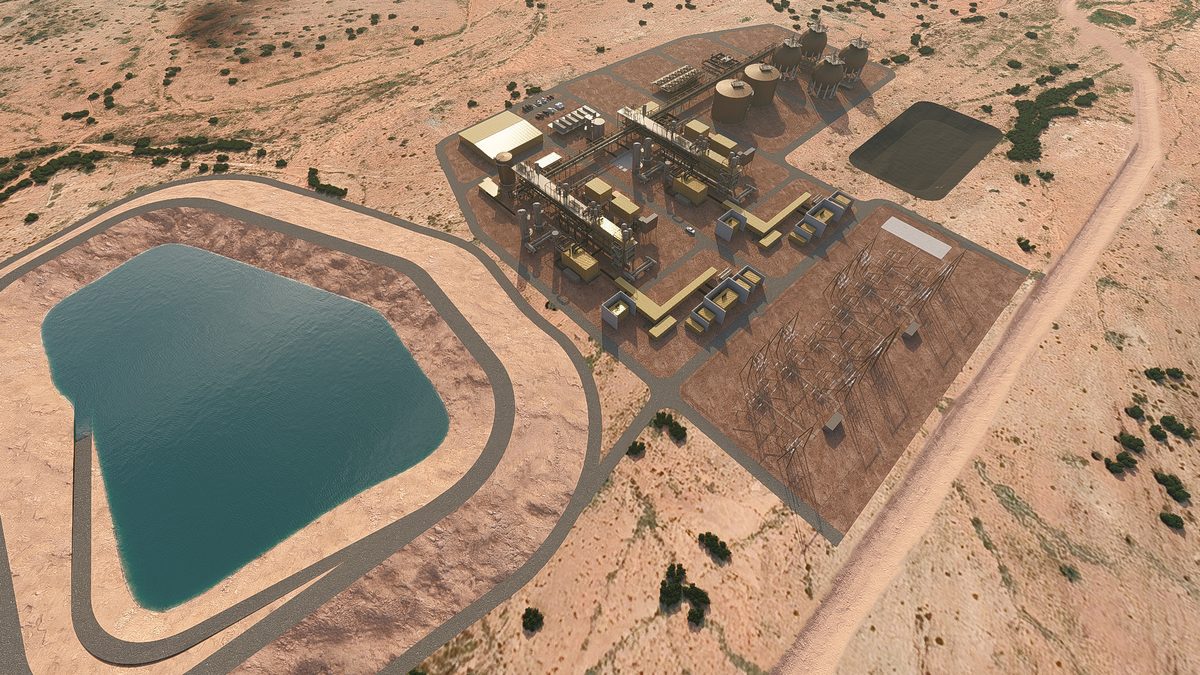
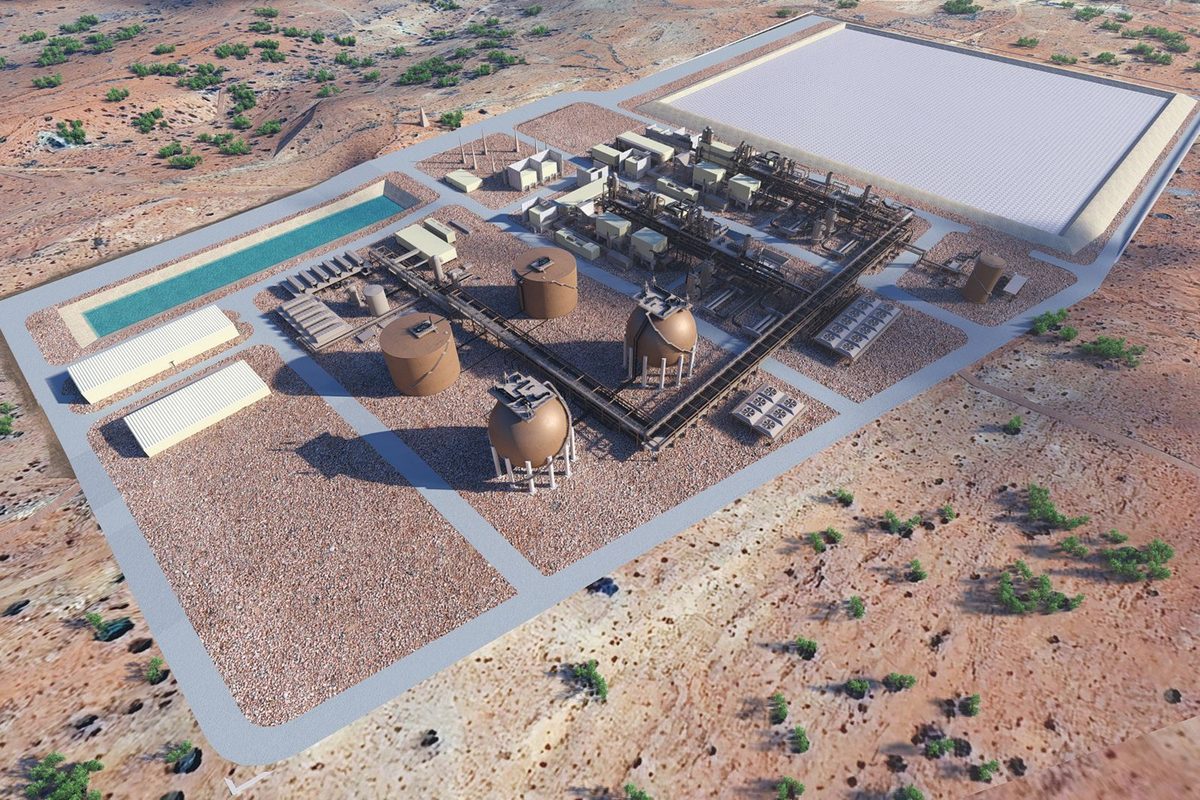
Broken Hill has kept its lights on during grid outages with diesel generators nearing retirement. That backup is about to take a new form: Hydrostor received grid connection approval in early September for a 200-megawatt compressed-air storage plant built into disused mine caverns next to town.

The approval from the Australian Energy Market Operator (AEMO) and Transgrid confirms Silver City meets the grid's generator performance standards. It was the last major regulatory gate before construction. The plant stores 1,600 megawatt-hours, enough to supply about 80,000 homes for a day, with 250 megawatt-hours reserved for backup during network failures.

Compressed-air storage works like a mechanical battery. Excess electricity compresses air into underground caverns; releasing the air spins a turbine that generates power. If Silver City works at scale, it could become a template for long-duration storage in places where pumped hydro isn't practical.

Why it matters

Australia's first utility-scale compressed-air battery replaces aging outback diesel generators and tests whether the technology can reach a 7 GW global pipeline.

Questions about this story

Free account needed to ask — your question is kept and asked for you right after sign-up. Answers are public.

No questions yet — be the first to ask.

Key Indicators

1,600 MWh
Storage capacity
Eight hours of output at the full 200 MW rating.
80,000
Homes powered for a day
Equivalent of a full charge serving the Broken Hill region.
AU$652 million
Total project cost
Includes AU$45 million in federal ARENA grant funding.
7 GW
Hydrostor global pipeline
Projects in development across Australia, the US, and Canada.

Voices

Curated perspectives — historical figures and your fellow readers.

Ever wondered what historical figures would say about today's headlines?

Sign up to generate historical perspectives on this story.

People Involved

Organizations Involved

Timeline

December 2023 September 2026

5 events Latest: September 2nd, 2026 · 1 week ago
Tap a bar to jump to that date
  1. Grid connection approval granted

    Latest Regulatory

    AEMO and Transgrid confirm Silver City meets Generator Performance Standards, clearing the final regulatory hurdle before construction.

  2. Amended consent conditions finalized

    Regulatory

    Hydrostor accepts light and noise monitoring conditions. Project scope unchanged; the court process concludes.

  3. NSW approves Silver City development application

    Regulatory

    The state planning department approves the 200 MW / 1,600 MWh project at Potosi Mine, clearing the construction path.

  4. Transgrid selects Silver City as preferred backup for Broken Hill

    Agreement

    Transgrid names Silver City preferred supplier, with 50 MW and 250 MWh reserved for networ outages. Hydrostor also signs a binding cavern-use deal with miner Perilya.

Scenarios

1

Silver City reaches financial close, construction begins in 2027

Likely Resolves by Q2 2027

Discussed by: pv-magazine Australia and energy-storage.news coverage of the project's financing path

Hydrostor completes project financing using revenue from the Transgrid backup agreement, the AEMO Services long-term service agreement, and ARENA's grant. Construction starts at the Potosi Mine site, with caverning work by Perilya. The 2027 target for delivering backup power to Broken Hill holds.

2

Financing stalls, pushing Silver City past 2027

Possible Resolves by End of 2027

Discussed by: energy-storage.news, which has tracked the project's financing conditions and court challenges

Long-duration storage revenue contracts prove insufficient to underwrite the AU$652 million cost, or rising interest rates weaken project economics. Hydrostor's competing California and Ontario projects draw from the same capital pool. Construction slips past the initial 2027 target, and Transgrid's backup supply timeline adjusts.

3

Silver City completes and proves CAES at grid scale

Uncertain Resolves by End of 2029

Discussed by: pv-magazine and industry observers tracking the global long-duration storage market

The plant reaches commercial operation and dispatches 8-hour compressed-air storage within the National Electricity Market. Operating data strengthens the business case for Hydrostor's remaining 7 GW pipeline, including the 500 MW project in California.

Historical Context

3 moments from history that rhyme with this story — and how they unfolded.

December 1978

Huntorf CAES Plant (1978)

Germany built the world's first commercial compressed-air storage plant near Bremen. It stored 290 MW of off-peak power as compressed air in two salt caverns and released it to meet peak demand within minutes.

Then

The plant proved CAES could work commercially and has supplied the northwest German grid for almost five decades.

Now

No large-scale compressed-air plant followed for 13 years; the technology stayed niche while gas turbines were cheap.

Why this matters now

Silver City is the first modern attempt to deploy CAES at utility scale with advanced heat recovery that Huntorf lacked.

May 1991

McIntosh CAES Plant (1991)

Alabama's PowerSouth utility commissioned the world's second compressed-air storage plant, a 110 MW facility in McIntosh. It added a recuperator that recaptured exhaust heat, making the cycle more efficient than Huntorf's design.

Then

The plant ran reliably for over three decades and still operates today.

Now

It remained the last commercial CAES plant until Silver City; the technology never spread despite proven reliability.

Why this matters now

Silver City's advanced design addresses the efficiency gap that kept earlier CAES plants from scaling beyond two installations.

December 2017

Hornsdale Power Reserve (2017)

Tesla installed a 100 MW / 129 MWh lithium-ion battery next to a South Australian wind farm in under four months, after a statewide blackout the year before. It was the world's largest installed battery at the time.

Then

Hornsdale transformed grid reliability in South Australia and paid back its capital within a year through frequency control services.

Now

It triggered a wave of battery deployments across Australia and proved storage could compete with fossil-fuel peaking plants.

Why this matters now

Silver City is being watched the same way Hornsdale was: as a test of whether a new storage technology can deliver reliability and economics together.

Sources

(10)