
Pull to refresh
Logo
Fountain Hill Center expands counseling space in Grand Rapids

Fountain Hill Center expands counseling space in Grand Rapids

Built World Grand Rapids, MI local

Nonprofit cut the ribbon October 22 on a carriage house converted into two accessible therapist offices

Overview

Updated Oct 24

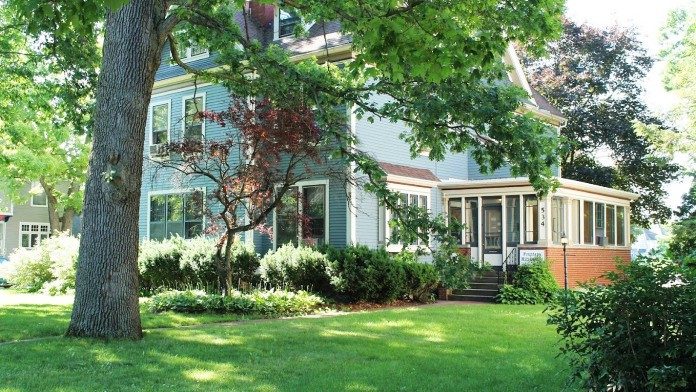
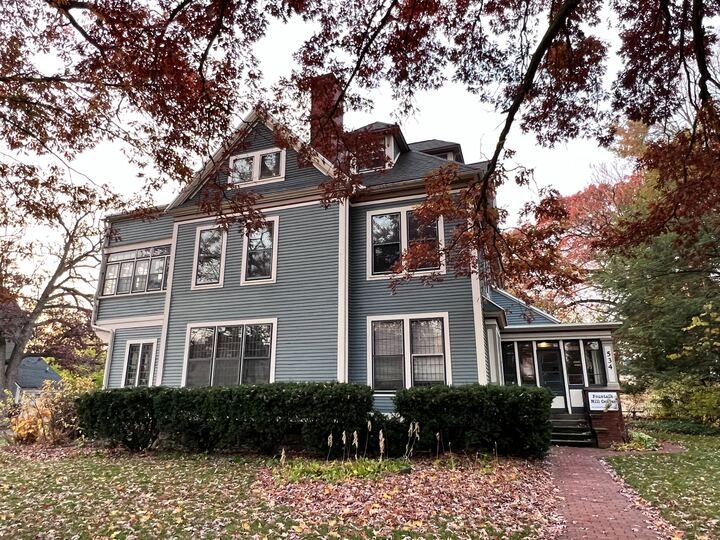
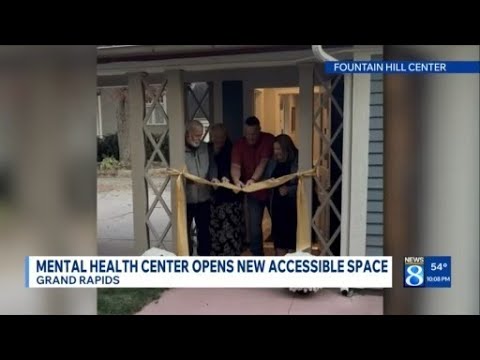
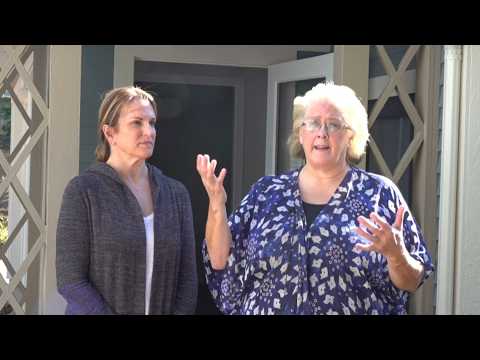
Fountain Hill Center cut the ribbon October 22 on a renovated carriage house at its Heritage Hill campus, turning a garage into two therapy offices. The new rooms have wide, flat entrances for wheelchairs and other mobility devices.

Dahlia Swanson, Little Miss Wheelchair America, was invited to be the first person to enter the carriage house in a wheelchair. The Heart of the Hill campaign projects 3,500 sessions a year, a 17% increase, and 100 new clients a year, a 28% rise. The center has said psychological evaluations, including assessments for attention-deficit/hyperactivity disorder and autism at a flat $1,500, will begin in 2026.

Why it matters

Accessible therapy rooms mean shorter waits for counseling in Grand Rapids, where demand has run ahead of supply since the pandemic.

Last Monday's email for Grand Rapids, MI

Sent Nov 9. It carried:

Get next Monday's: one short email a week. Free. Unsubscribe in one click.

Questions about this story

Free account needed to ask — your question is kept and asked for you right after sign-up. Answers are public.

No questions yet — be the first to ask.

Key Indicators

2
New therapy offices added
A garage on the center's campus became two ADA-accessible rooms for additional therapists.
51
Years serving Grand Rapids
The center was founded in 1975 as The Marriage and Family Center.
17%
Projected rise in yearly sessions
The Heart of the Hill campaign projects annual sessions reaching 3,500 after the expansion.
100
Additional clients a year projected
The campaign projects a 28% increase in people served each year.

Voices

Curated perspectives — historical figures and your fellow readers.

Sign up to generate historical perspectives on this story.

People Involved

Organizations Involved

Timeline

1975 October 2026

5 events Latest: October 22nd, 2026 · 3 weeks ago
Tap a bar to jump to that date
  1. Ribbon cut on the renovated carriage house

    Latest Event

    Fountain Hill Center held its Opening New Doors celebration and cut the ribbon on the renovated carriage house, which has wide, flat entrances for wheelchairs. Dahlia Swanson, Little Miss Wheelchair America, was invited to be the first person to enter in a wheelchair.

  2. Garage becomes two new therapy offices

    Expansion

    Fountain Hill Center reports converting a garage into two ADA-accessible rooms for additional therapists. Ribbon-cutting set for October 22.

  3. Psychological evaluations added to the service list

    Expansion

    The center said that beginning in 2026 it would offer comprehensive psychological evaluations, including assessments for ADHD and autism, at a flat rate of $1,500.

  4. Center expands to second floor

    Expansion

    The counseling center grows from the first floor to the second floor of the Bundy House.

  5. Counseling center founded in Grand Rapids

    Founding

    Central Reformed Church establishes the Marriage and Family Center, later Fountain Hill Center.

Scenarios

1

Fountain Hill adds more therapists and a new site

Possible Resolves by End of 2027

Discussed by: Center leadership in the expansion announcement

The two new offices fill quickly as referrals keep climbing. The center, citing sustained demand, hires more therapists or opens an additional location in the Grand Rapids metro area beyond its current Heritage Hill campus.

2

Wait lists return as demand outpaces new space

Unlikely Resolves by End of 2027

Discussed by: Local media covering mental health access

The added capacity absorbs demand for a time, but referrals keep rising and the center again reports waiting lists for new clients. The expansion turns out to be a stopgap, not a solution.

3

Expansion holds steady with no further growth

Likely Resolves by End of 2027

Discussed by: Baseline expectation for a modest nonprofit expansion

The two new offices meet current demand. The center runs at capacity without new wait lists and without announcing further expansion, settling into the added space.

4

Evaluation referrals outpace the new assessment service

Possible Resolves by Q2 2027

Discussed by: Fountain Hill Center in its psychological evaluations announcement

The center cites growing demand for timely ADHD and autism assessments. If referrals arrive faster than its licensed psychologists can schedule them, the evaluation service develops a wait of its own even as counseling appointments open up.

Historical Context

2 moments from history that rhyme with this story — and how they unfolded.

October 1963

Community Mental Health Act (1963)

President John F. Kennedy signed a law funding grants to build community mental health centers across the U.S. It was the first major federal push to treat people with mental illness in their own communities rather than state institutions.

Then

Hundreds of centers opened through the 1960s and 1970s, and state hospital populations began to fall.

Now

The law anchored the modern community-based care model, with nonprofit centers like Fountain Hill as the frontline of outpatient counseling.

Why this matters now

Fountain Hill's garage conversion is a small, current example of that same model: local, accessible counseling built close to where people live.

2020-2022

Post-COVID mental health demand surge (2020-2022)

During and after the pandemic, national surveys recorded steep rises in anxiety and depression. Provider wait lists stretched for months as therapy visits jumped, especially by telehealth.

Then

Clinics and private practices hired rapidly, and telehealth expanded to absorb the wave of new patients.

Now

Demand stayed elevated well past the acute phase of the pandemic, leaving many community providers operating at capacity.

Why this matters now

The center's own representative cites COVID's impact as a reason demand rose, making this expansion a direct response to the post-pandemic care gap.

Sources

(9)