


Pull to refresh
Logo
Google brings voice AI to Gmail, Docs, and Keep

Google brings voice AI to Gmail, Docs, and Keep

New Capabilities

Gemini-powered voice search, drafting, and notes roll out to paid subscribers

September 4th, 2026: Google launches Gmail Live, Docs Live, and Keep Live

Overview

Updated 7 days ago

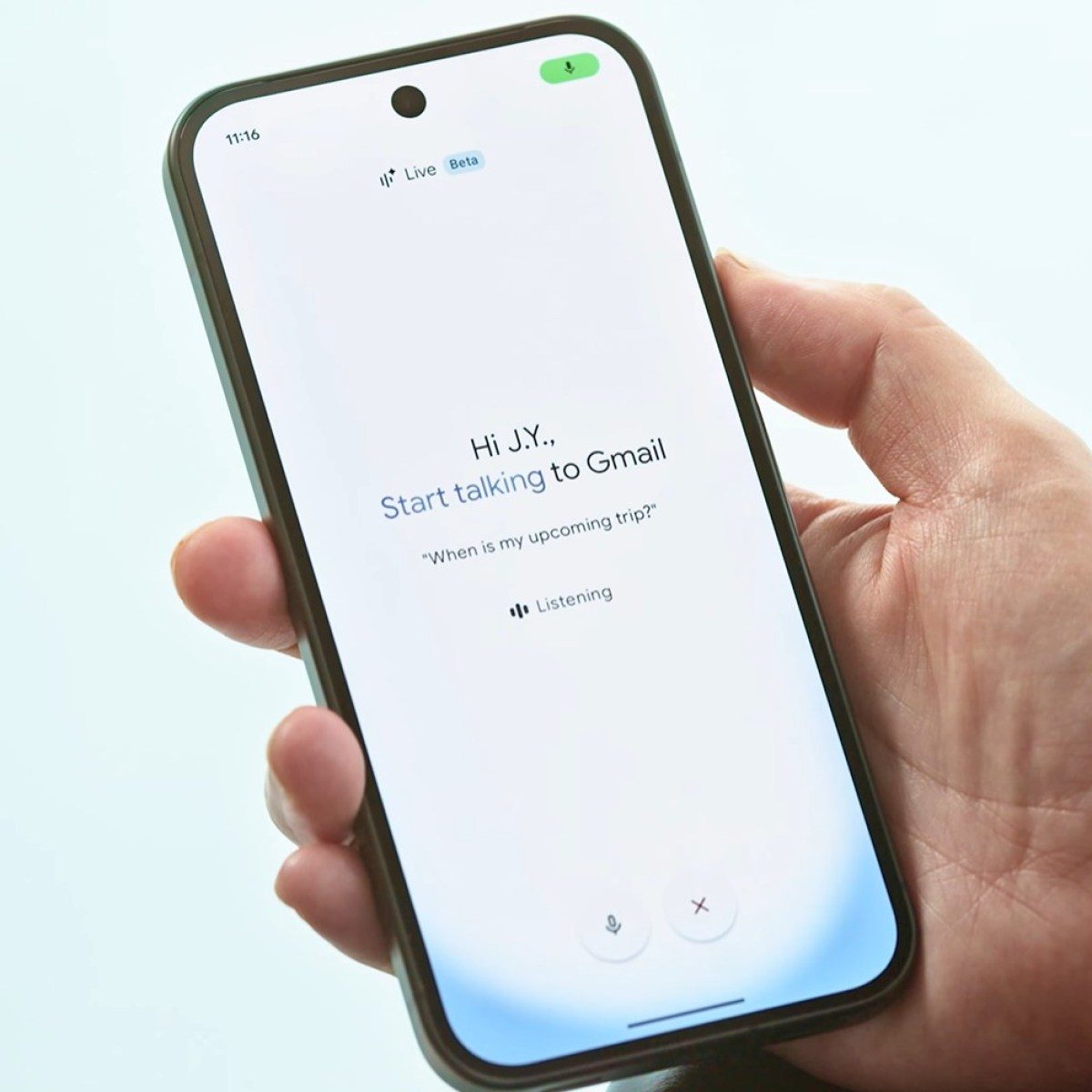
Google began rolling out voice-powered AI across Gmail, Docs, and Keep on September 4. Gmail Live, Docs Live, and Keep Live let paid subscribers search their inbox, draft a document, or organize spoken notes — without typing.

It's the first time Google has put real-time conversational AI inside its core productivity apps at consumer scale. The limits stand out: English only, mobile devices only, and Docs Live requires the $19.99-per-month AI Pro tier, four times the cost of the base plan.

Why it matters

Speaking becomes a legitimate way to work in Gmail, Docs, and Keep — and the price gap shows which feature Google values most.

Questions about this story

Free account needed to ask — your question is kept and asked for you right after sign-up. Answers are public.

No questions yet — be the first to ask.

Key Indicators

3
Voice AI products launched
Gmail Live, Docs Live, and Keep Live began rolling out September 4.
$19.99
Monthly price for Docs Live access
Docs Live requires the AI Pro tier; AI Plus subscribers get Gmail and Keep only.
4x
Docs Live premium over base Google AI plan
AI Pro at $19.99 costs four times the $4.99 AI Plus plan.

Voices

Curated perspectives — historical figures and your fellow readers.

Ever wondered what historical figures would say about today's headlines?

Sign up to generate historical perspectives on this story.

People Involved

Organizations Involved

Timeline

May 2026 September 2026

2 events Latest: September 4th, 2026 · 1 week ago
  1. Google launches Gmail Live, Docs Live, and Keep Live

    Latest Product Launch

    Voice-powered search, drafting, and notes roll out to mobile users in English, requiring a paid Google AI subscription.

  2. Google previews Gemini Audio in Workspace at I/O

    Announcement

    Google showed Gemini Audio models inside Gmail, Docs, and Keep at its developer conference, teasing voice-driven productivity.

Scenarios

1

Google expands voice AI to desktop and more languages

Possible Resolves by Q1 2027

Discussed by: The Verge noted the mobile-only and English-only limits; Google's announcement confirmed no expansion dates

Google extends Gmail Live, Docs Live, and Keep Live beyond mobile and English, adding desktop web access and additional languages. The Gemini audio engine is language-agnostic, and the I/O preview suggested broader ambitions, so scaling is a matter of engineering and safety review rather than capability.

2

Docs Live stays behind the premium paywall through 2027

Likely Resolves by Q2 2027

Discussed by: TechTimes highlighted the 4x price gap; Droid-Life questioned the value for base subscribers

Google keeps Docs Live exclusive to AI Pro and Ultra, letting budget subscribers use voice search in Gmail and voice notes in Keep while the drafting feature stays premium. Adoption concentrates among power users and professionals who justify the higher subscription.

3

Workspace business customers get all three voice features

Likely Resolves by End of 2026

Discussed by: Google's announcement says business availability is 'coming soon'; RuntimeWire reported admin controls will govern enterprise use

Google completes the enterprise rollout, giving Workspace business customers access through the Gemini add-on. Administrators control whether employees can use the features and whether Gemini can access Workspace data, keeping the voice tools inside corporate governance.

Historical Context

3 moments from history that rhyme with this story — and how they unfolded.

October 2011

Siri's launch (2011)

Apple introduced Siri on the iPhone 4S, putting a conversational voice assistant in consumers' pockets for the first time. Hype about a voice-first computing future ran high.

Then

Millions used Siri for timers, calls, and weather checks, but complex tasks stayed rare.

Now

Voice remained a secondary interface for over a decade, mostly limited to short commands, until LLM-based assistants revived it.

Why this matters now

Siri's arc is the caution for Google's bet: voice features only stick when they solve real workflow problems, not when they offer novelty.

2016

Google Assistant goes mainstream (2016)

Google launched Assistant, bringing hands-free 'Hey Google' voice commands to Android phones and later to smart speakers and Nest devices. The AI handled questions, reminders, and smart-home control.

Then

Google built a leading consumer voice assistant, but kept it largely in consumer products rather than work tools.

Now

Assistant's limitations in complex, multi-step tasks set the stage for Gemini's generative approach to voice interaction.

Why this matters now

Gmail Live, Docs Live, and Keep Live cross a line Assistant never did — moving Google's voice AI from consumer gadgets into the applications people use at work.

November 2023

Microsoft Copilot in Microsoft 365 (2023)

Microsoft embedded GPT-4-powered Copilot into Word, Excel, and Outlook, letting users generate documents and analyze spreadsheets with natural language. It was the first major AI assistant built into a productivity suite, sold as a $30-per-user monthly add-on.

Then

Early adopters gained drafting and summarization powers, but many businesses balked at per-seat costs and training needs.

Now

Copilot established the template for AI in productivity tools: subscription add-ons, gradual integration, and a premium price.

Why this matters now

Google is running the same playbook with voice instead of text — embedding Gemini into Workspace with tiered pricing — but the 2023 Copilot rollout shows how slowly workplace AI habits actually form.

Sources

(9)