
Pull to refresh
Logo
Georgia EV manufacturers pivot to hybrids as federal incentives end

Georgia EV manufacturers pivot to hybrids as federal incentives end

Money Moves

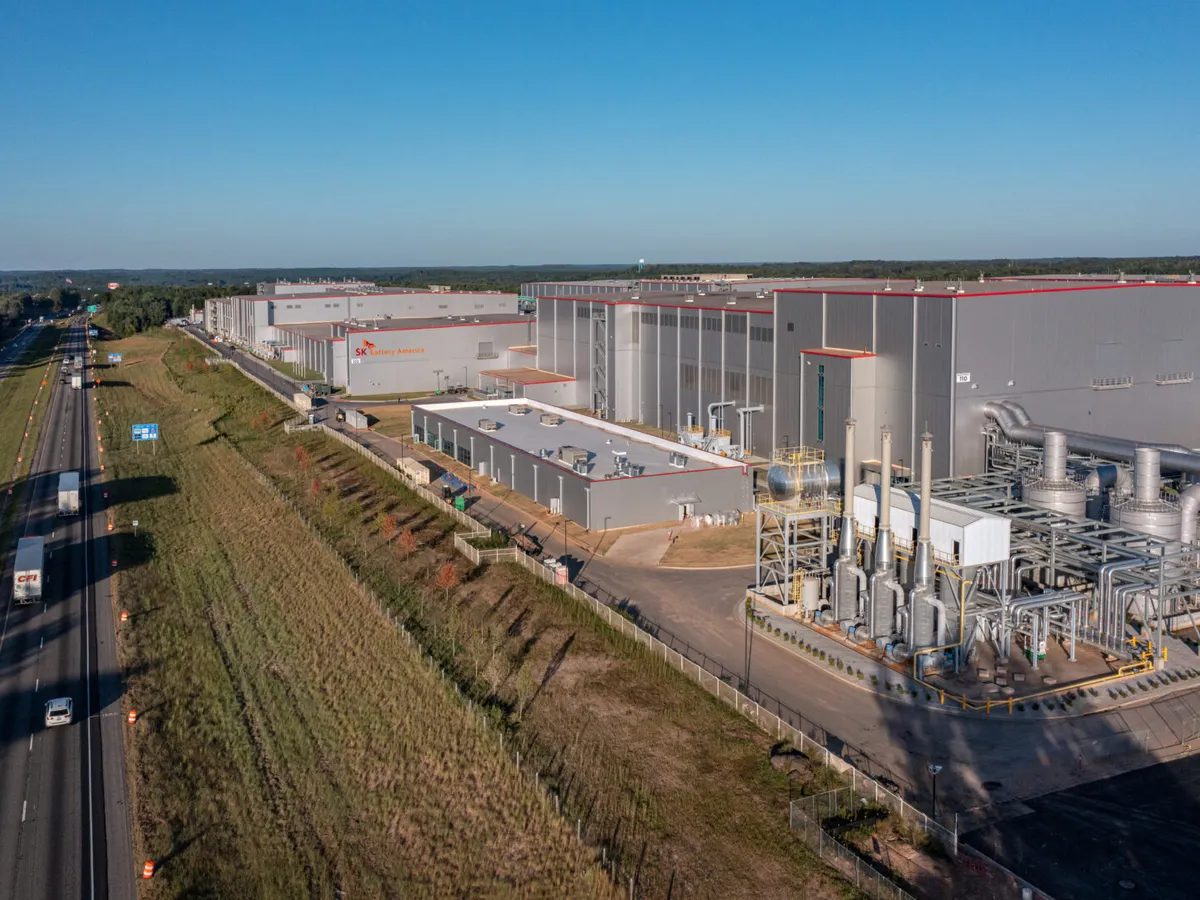
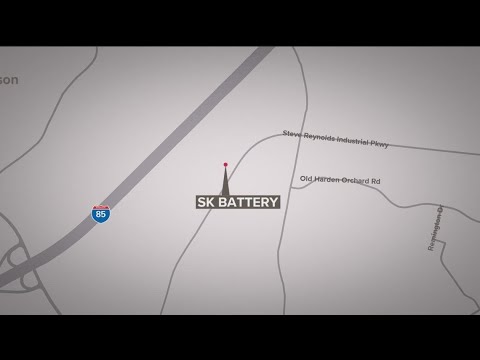
SK Battery cuts 958 jobs; investment reshapes around hybrid production

2 days ago: Report documents Georgia EV industry's hybrid pivot

Overview

Updated 2 days ago

Georgia recruited EV manufacturers with billions in tax breaks and a state worker-training program, landing Hyundai, Kia, Rivian, and SK Battery. Then Washington changed the rules.

The Trump administration ended federal EV tax credits, imposed tariffs on battery components and chargers, and loosened emissions rules. EV sales stalled at 8% of new vehicles. SK Battery cut 958 workers, and surviving automakers are shifting to hybrids to keep factories full.

Why it matters

Georgia's EV factories now depend on hybrid sales to stay full after federal tax credits ended.

Questions about this story

Free account needed to ask — your question is kept and asked for you right after sign-up. Answers are public.

No questions yet — be the first to ask.

Key Indicators

958
Workers laid off at SK Battery
37% of the Commerce plant workforce cut in March 2026
$74B
Manufacturing investment still moving ahead
Across the Southeast, per Southern Alliance for Clean Energy
$4B
Investment canceled or scaled back
Southeast EV and battery projects in past year, per SACE
8%
EV share of US new-vehicle sales
Flat in 2025, below automaker expectations

Voices

Curated perspectives — historical figures and your fellow readers.

Ever wondered what historical figures would say about today's headlines?

Sign up to generate historical perspectives on this story.

People Involved

Organizations Involved

Timeline

January 2022 September 2026

12 events Latest: 2 days ago Showing 8 of 12
Tap a bar to jump to that date
  1. Report documents Georgia EV industry's hybrid pivot

    Latest Report

    Grist publishes a detailed account of Georgia's EV manufacturing boom stalling and automakers adapting with hybrid production.

  2. Hyundai suppliers reach half of promised hiring

    Milestone

    HMGMA and its on-site affiliates surpass 50% of the 8,500 jobs promised in exchange for about $2.1 billion in incentives.

  3. SK Battery lays off 958 workers

    Job Loss

    SK Battery America cuts 958 employees, about 37% of its Commerce plant workforce, citing market conditions.

  4. Hyundai announces $2.7B expansion, hybrid mix

    Corporate

    Hyundai adds $2.7 billion investment to reach 500,000 annual units, planning 30% EVs and 70% hybrid or gas.

  5. Ford cancels fully electric F-150 Lightning

    Corporate

    Ford announces it will not proceed with the fully electric version of its flagship pickup, which used SK Battery cells.

  6. SACE report finds EV project cancellations

    Report

    Southern Alliance for Clean Energy says projects have been canceled or paused, with a few hundred jobs retracted in Georgia.

  7. Immigration raid hits Hyundai/LG battery plant

    Event

    Federal agents arrest more than 400 people, mostly South Korean workers, at a Hyundai/LG battery plant under construction.

  8. Rivian breaks ground near Atlanta

    Milestone

    Rivian starts construction on its manufacturing plant, another major Georgia EV investment.

  9. Kia begins EV production at West Point

    Milestone

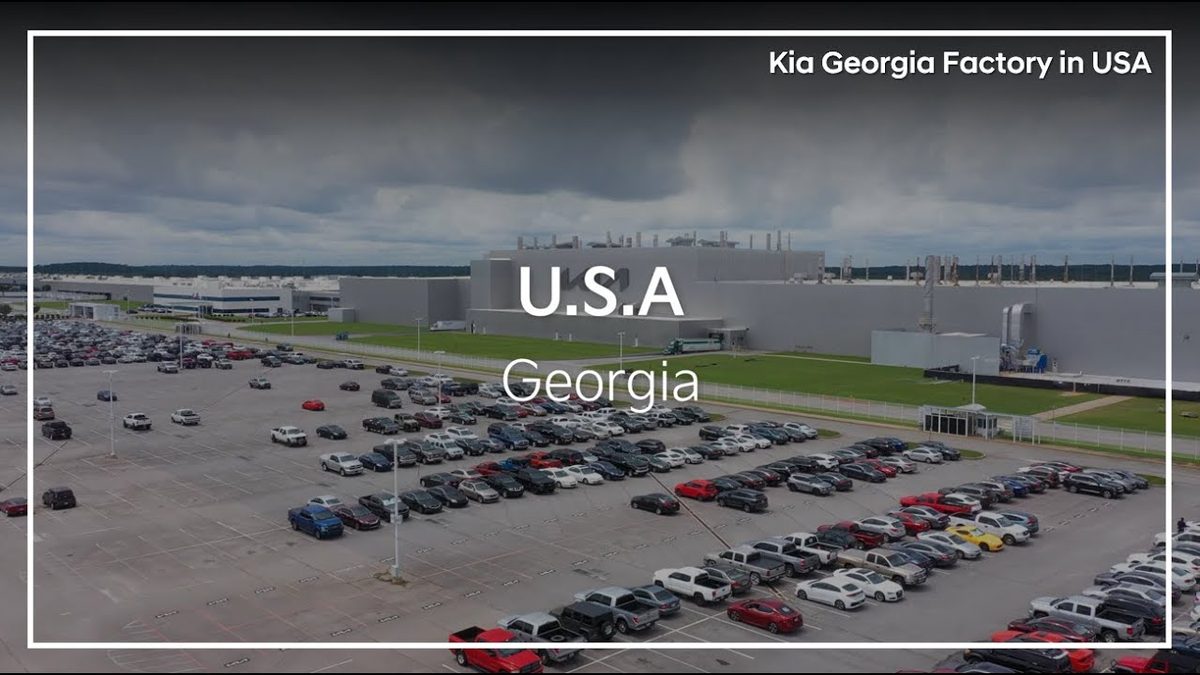
    Kia starts building electric vehicles at its Georgia plant, one of two major EV production launches in the state.

  10. Blue Bird expands electric bus factory

    Investment

    The Georgia bus maker opens an expanded facility dedicated to electric bus production.

  11. Hyundai announces $8B Georgia plant deal

    Investment

    Governor Brian Kemp announces an $8 billion Hyundai Metaplant near Savannah with about 14,500 promised jobs including suppliers.

  12. SK Battery opens $2.6B plant

    Milestone

    The Korean battery maker opens its Commerce, Georgia plant, later a key Ford F-150 Lightning supplier.

Scenarios

1

Hybrids keep Georgia's EV plants running at scale

Likely Resolves by End of 2027

Discussed by: Cox Automotive's Stephanie Valdez-Streaty and factory executives at Hyundai and Kia

Hyundai plans a sales mix of about 30% EVs and 70% hybrids and gas cars, with a $2.7 billion expansion toward 500,000 units a year. Kia's West Point line already switches between drivetrains to match demand. If hybrid sales hold, the plants stay busy through 2027 and layoffs stop.

2

Congress restores EV incentives, electric production ramps back up

Possible Resolves by Q2 2027

Discussed by: Analysts tracking policy shifts after the 2026 midterm elections

A future Congress could restore tax credits and tighten emissions rules, shifting demand back toward fully electric vehicles. Hyundai's flexible line already can adjust drivetrain mix, and SK Battery could rehire. The trigger is the 2026 midterm elections and subsequent legislative action.

3

SK Battery shifts production toward grid storage, EV share shrinks

Possible Resolves by End of 2027

Discussed by: SK Battery America statements and SACE analysis

SK Battery has said it is pursuing the battery electric storage system market. If EV battery demand stays flat, the company could convert more of its Commerce plant toward storage cells for the electrical grid. The plant would survive, but its role in the EV supply chain would shrink.

Historical Context

3 moments from history that rhyme with this story — and how they unfolded.

1983-2005

The Southern auto plant boom (1980s-2000s)

Southern states competed with tax breaks and worker training to attract foreign auto plants, starting with Nissan in Tennessee (1983), Toyota in Kentucky (1985), and BMW in South Carolina (1992). The strategy built a regional auto manufacturing corridor.

Then

The South became the nation's car-building center, creating thousands of jobs in supplier networks.

Now

States learned that auto manufacturing follows incentives, and plants adjust to market and policy conditions beyond state control.

Why this matters now

Georgia used the same playbook for EVs, and now faces the reality that federal policy, not just state incentives, determines whether the plants thrive.

2000-2009

Detroit's SUV bet and the 2008 financial crisis (2000-2009)

Through the early 2000s, GM, Ford, and Chrysler relied on trucks and SUVs as their main profit source. When fuel prices spiked in 2008, buyers switched to smaller cars, stranding Detroit's product lineup.

Then

GM and Chrysler filed for bankruptcy; the federal government provided bailouts to restructure the industry.

Now

Automakers now design flexible assembly lines that can switch between drivetrains as demand shifts.

Why this matters now

Georgia's EV plants are learning the same lesson in reverse: full EV production was the bet, and consumer demand did not follow. Flexible plants that can build hybrids are the ones surviving.

2009-2012

Solyndra and the US solar manufacturing cycle (2009-2012)

The Department of Energy guaranteed Solyndra $535 million in loans in 2009 to expand its solar panel plant in Fremont, California. The company filed for bankruptcy in 2011 after Chinese competitors undercut prices and policy support wavered.

Then

Solyndra shut down, its 1,100 employees lost their jobs, and the loan became a national political flashpoint.

Now

The episode became a cautionary tale about clean-energy manufacturing that depends on federal policy support.

Why this matters now

Georgia's EV manufacturing bet faces the same structural risk: billions in incentives tied to a policy environment that can change.

Sources

(9)