
Pull to refresh
Logo
Federal Trade Commission and 20 states sue Dollar General over alleged overcharging

Federal Trade Commission and 20 states sue Dollar General over alleged overcharging

Rule Changes

Dollar General vows to fight the suit as 20 states press their cases and a New York settlement leaves overcharged shoppers without refunds

Overview

Updated 5 days ago

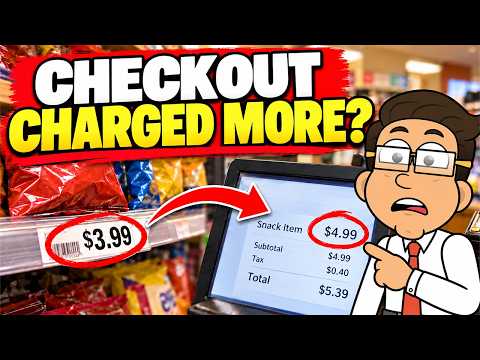
The Federal Trade Commission and 20 states sued Dollar General on Oct. 26, accusing the chain of charging more at the register than its shelves and fliers advertised. The 95-page complaint, filed in federal court in Nashville, says the company logged at least 29,265 complaints about marked prices that were not honored between January 2023 and March 2026, across all 48 states where it operates.

Dollar General says it will defend the case and calls the FTC's damages demand far larger than any realistic estimate of the overcharges. The suit followed an Oct. 15 settlement with New York's attorney general, whose investigators found overcharges on about 14% of items bought at 11 stores; the company agreed to a $1.875 million penalty paid as food donations. Alabama's attorney general announced on Nov. 5 that his state had joined the case.

Why it matters

Dollar General serves low-income and rural shoppers; the case could force pricing overhauls at 21,000 stores and yield penalties.

Questions about this story

Free account needed to ask — your question is kept and asked for you right after sign-up. Answers are public.

No questions yet — be the first to ask.

Key Indicators

20
States joining the FTC lawsuit
State attorneys general signed onto the federal complaint filed October 26, 2026.
29,265
Marked-price complaints logged
At least this many complaints Dollar General recorded as 'Did Not Honor Marked Price' from January 2023 through March 2026.
$6M+
Prior settlements since 2019
Paid across seven settlements with six states and consumer protection agencies, according to the FTC complaint.
21,000
Dollar General stores nationwide
The chain operates about 21,000 stores across the United States, CBS News reported.
$71,500
North Carolina fines, one year
Penalties state inspectors levied after Dollar General stores failed 47 price audits between September 2025 and August 2026.
$1.875M
New York settlement
Civil penalty announced Oct. 15, 2026, satisfied by donating nearly $1.9 million in food and personal items to a Rochester nonprofit.

Voices

Curated perspectives — historical figures and your fellow readers.

Sign up to generate historical perspectives on this story.

People Involved

Organizations Involved

Timeline

November 2022 November 2026

11 events Latest: 6 days ago Showing 8 of 11
Tap a bar to jump to that date
  1. Dollar General rejects allegations and vows to defend the suit

    Statement

    The company said its goal is "100% accuracy between shelf and register prices in every store" and called the FTC's monetary demand "orders of magnitude larger than" any realistic estimate of the pricing discrepancies.

Scenarios

1

Dollar General settles with FTC and states

Possible Resolves by End of 2027

Discussed by: Reuters and company filings note Dollar General's history of settling pricing disputes and its attempt to negotiate before the lawsuit was filed.

Dollar General has a track record of settling pricing cases: six state settlements since 2019, plus the 2023 Ohio settlement. The company's SEC filing says it tried to engage constructively with FTC staff before the suit was filed, though it disputes the agency's methodology. A settlement would likely include monetary relief and a court-ordered compliance program for pricing accuracy.

2

Case proceeds to litigation and court ruling

Possible Resolves by End of 2028

Discussed by: Dollar General's SEC filing (Form 8-K) states the company intends to vigorously defend the matter.

Dollar General disputes what it calls the FTC's 'assumptions and methodology' in calculating consumer harm. The company could challenge the FTC's evidence, question the scope of the FTC Act's application, or argue state claims overlap improperly with federal claims. Full litigation could take years and involve significant legal costs.

3

Court grants preliminary injunction during litigation

Unlikely Resolves by Q2 2027

Discussed by: The FTC's request for injunctive relief, as stated in the complaint and described in the company's 8-K filing.

The FTC seeks injunctive relief as part of the lawsuit. If the court grants a preliminary injunction, Dollar General would be required to correct pricing practices while the case proceeds. This would give consumers near-term relief even if the full case takes years. Courts typically require evidence of irreparable harm to consumers to justify such orders.

Historical Context

2 moments from history that rhyme with this story — and how they unfolded.

November 2022 - 2023

Ohio v. Dollar General (2022-2023)

Ohio's attorney general sued Dollar General in November 2022 after consumers complained that advertised shelf prices differed from register prices. The state reached a $1 million settlement about a year later, with Dollar General agreeing to specific steps to fix pricing discrepancies.

Then

Dollar General paid $1 million and agreed to correct pricing processes in Ohio.

Now

Overcharges continued in Ohio and elsewhere, according to the 2026 federal lawsuit.

Why this matters now

Shows that a state-level settlement did not stop the alleged pattern, helping prompt the broader federal-state action.

2019 - 2026

Dollar General's multi-state pricing settlements (2019-2026)

Between 2019 and 2026, Dollar General entered seven settlements with six state attorneys general and consumer protection agencies over inaccurate pricing, paying more than $6 million in penalties. Each settlement resolved specific complaints but did not address the broader pattern, according to the 2026 FTC complaint.

Then

States received compensation and some compliance commitments from Dollar General.

Now

The FTC alleges the pattern of overcharging continued despite these settlements, prompting the federal lawsuit.

Why this matters now

Highlights the limits of piecemeal state enforcement and why the FTC is now pursuing a unified federal case.

Sources

(21)