
Pull to refresh
Logo
Florida issues arrest warrant for Raúl Castro over 1996 plane shootdown

Florida issues arrest warrant for Raúl Castro over 1996 plane shootdown

Rule Changes

State charge blocks presidential pardon for former Cuban leader

Overview

Updated Oct 25

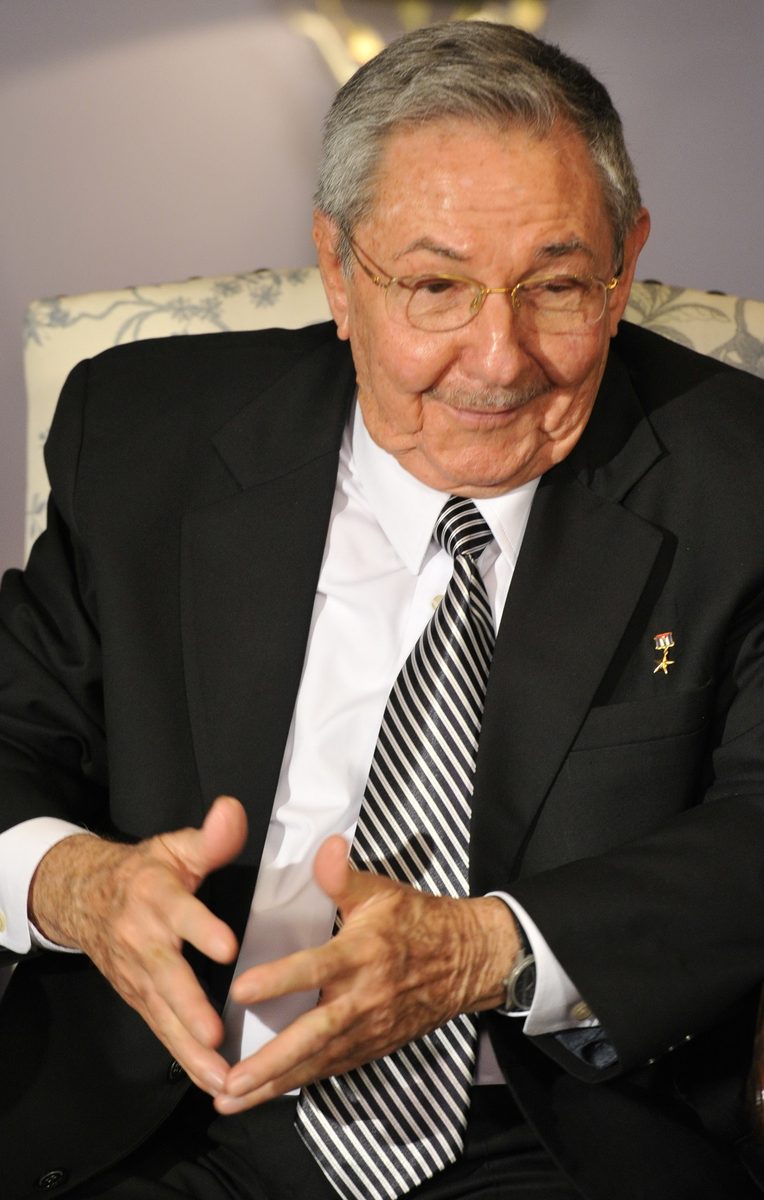
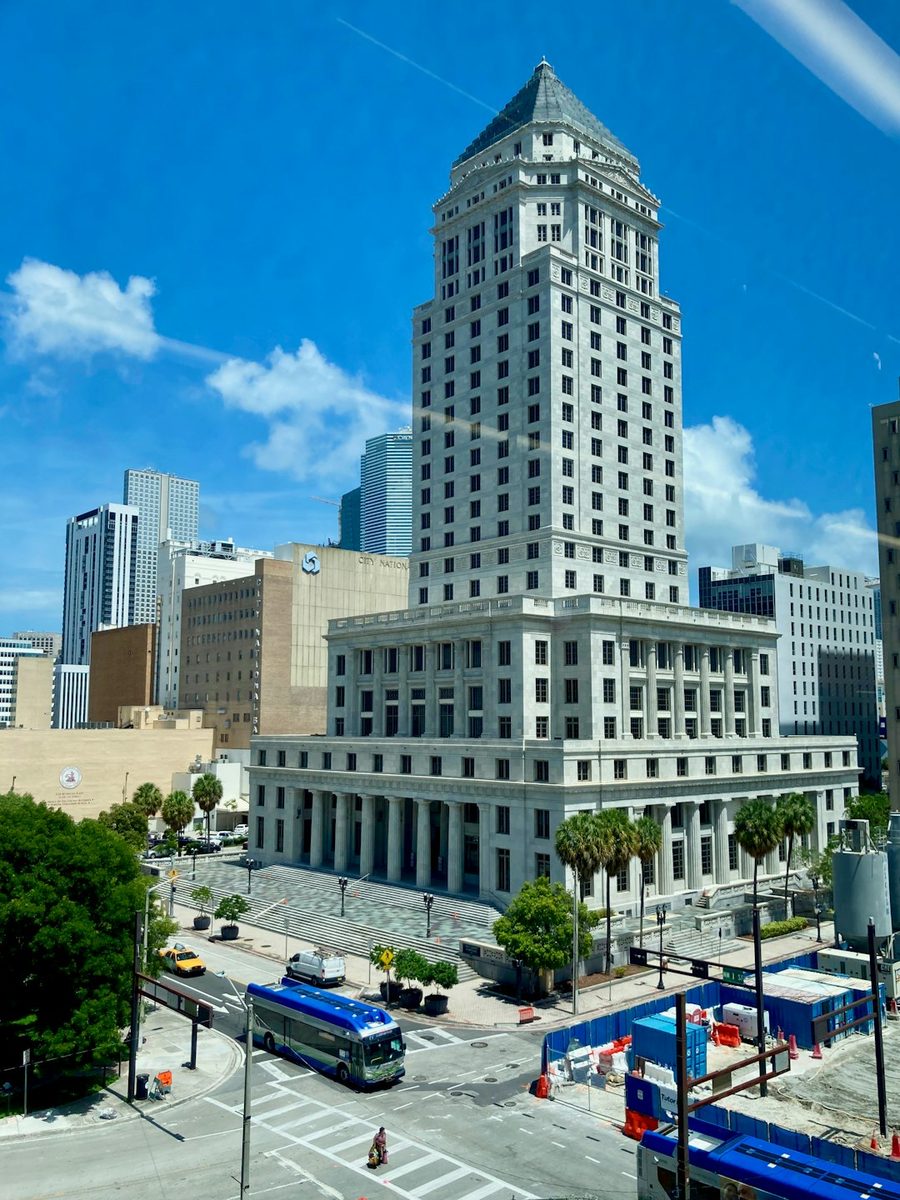
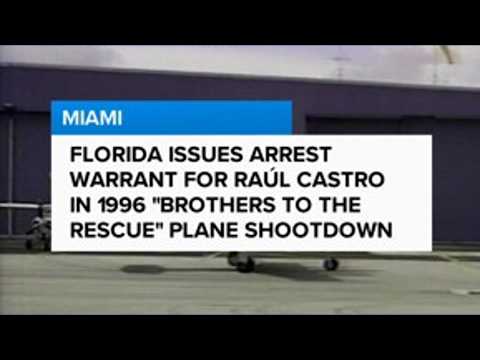
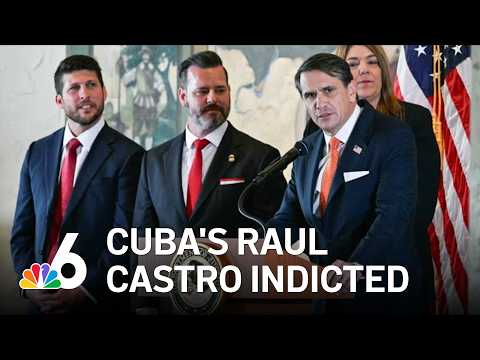
Florida issued a state arrest warrant for former Cuban President Raúl Castro on October 19, charging him with conspiracy to commit first-degree murder in the 1996 shootdown of two civilian planes flown by the exile group Brothers to the Rescue. A Miami judge set no bond.

The charge carries up to 30 years in prison and runs alongside a federal indictment returned in May. Because it is a state crime, no president can pardon Castro for it; because he is in Cuba, which has no extradition treaty with the US, the warrant mainly limits where he can travel. Cuba's government called it a "pathetic Miami circus" with an electoral backdrop.

Why it matters

The state warrant blocks any presidential pardon for Castro, keeping the 1996 shootdown case alive regardless of who controls the White House.

Questions about this story

Free account needed to ask — your question is kept and asked for you right after sign-up. Answers are public.

No questions yet — be the first to ask.

Key Indicators

4
Americans killed in the 1996 shootdown
Armando Alejandre Jr., Carlos Costa, Mario de la Peña, and Pablo Morales died when Cuban MiGs destroyed their planes.
1
State charge against Castro
Conspiracy to commit first-degree murder, a first-degree felony under Florida law.
95
Raúl Castro's age
The former Cuban president was 95 when the warrant was issued.
30
Years between shootdown and warrant
The incident occurred on February 24, 1996; the warrant was issued October 19, 2026.
0
US-Cuba extradition treaties
Cuba has no extradition treaty with the United States, so the warrant cannot be served while Castro stays on the island.

Voices

Curated perspectives — historical figures and your fellow readers.

Sign up to generate historical perspectives on this story.

People Involved

Organizations Involved

Timeline

February 1996 October 2026

5 events Latest: October 19th, 2026 · 3 weeks ago
Tap a bar to jump to that date
  1. Cuba rejects the warrant

    Diplomatic

    President Miguel Díaz-Canel called the warrant a "pathetic Miami circus" with an electoral backdrop. Foreign Minister Bruno Rodríguez called Cuban-American politicians "parasites," according to CiberCuba.

  2. Cuban MiGs shoot down two Brothers to the Rescue planes

    Incident

    Two unarmed Cessna aircraft were destroyed with air-to-air missiles over international waters, killing all four occupants. The planes were traveling away from Cuba and received no warning.

Scenarios

1

State charges remain symbolic as Castro stays in Cuba

Likely Resolves by Oct 19, 2027

Discussed by: AP News, Al Jazeera

Castro remains in Cuba, where US authorities can't arrest him. No extradition mechanism exists between the two countries. The warrant functions as a political statement and a legal placeholder that keeps the case alive but produces no trial.

2

Federal case moves forward against other defendants

Possible Resolves by Q2 2027

Discussed by: AP News

The federal indictment names five other former Cuban military personnel. If any are detained or travel to a country with extradition ties to the US, the case could proceed even without Castro. The state warrant adds a parallel track that could also move if any co-conspirator is apprehended.

3

Diplomatic fallout deepens between US and Cuba

Possible Resolves by Jan 20, 2027

Discussed by: Xinhua, Cuban government statements

Cuba's government condemned the warrant. The US has already imposed a de facto energy blockade by threatening steep tariffs against any country that supplies Cuba with oil. Further legal actions could push relations to a new low, with Cuba potentially expelling US diplomats or the US adding new sanctions.

4

Castro is detained if he travels outside Cuba

Unlikely Resolves by End of 2027

Discussed by: Florida Attorney General James Uthmeier

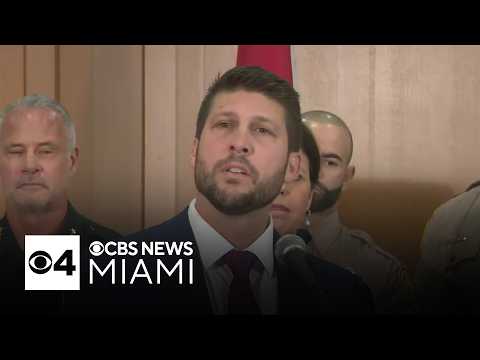
Uthmeier said Castro could not travel to any country with an extradition agreement with the United States without risking arrest, "not even to receive medical treatment." Cuba has no such treaty, so the warrant only bites if Castro leaves the island for a cooperating country.

Historical Context

2 moments from history that rhyme with this story — and how they unfolded.

December 1988

Lockerbie bombing (1988)

Pan Am Flight 103 exploded over Lockerbie, Scotland, killing 270 people. Libya's government was implicated, and two Libyan intelligence agents were eventually indicted for the attack.

Then

Libya faced international sanctions for years before handing over two suspects in 1999.

Now

One suspect was convicted in 2001. The case showed that state-sponsored attacks on civilian aircraft can lead to prosecution, but only after decades of diplomatic pressure.

Why this matters now

Like the Brothers to the Rescue shootdown, the Lockerbie case involved a state-sponsored attack on civilian aircraft. It shows how long international justice can take and how political pressure shapes the outcome.

December 1989 – April 1992

Manuel Noriega prosecution (1989–1992)

US forces invaded Panama and captured its leader, Manuel Noriega, who was brought to Miami to face federal drug trafficking charges.

Then

Noriega was convicted in 1992 and sentenced to 40 years in prison.

Now

The case established that the US can prosecute foreign leaders, but only with physical custody. Noriega's capture required a military invasion.

Why this matters now

The Castro warrant faces the same obstacle: without custody, the charges are symbolic. Noriega's case shows what it takes to actually bring a foreign leader to a US courtroom.

Sources

(18)