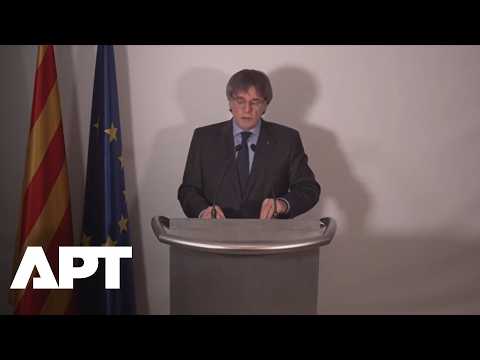
Catalonia's ex-president cleared to return to Spain after amnesty ruling
Rule Changes
Toni Comín and Lluís Puig are back in Catalonia, and the Supreme Court's investigator has closed his case against Carles Puigdemont, leaving the trial chamber to apply the amnesty
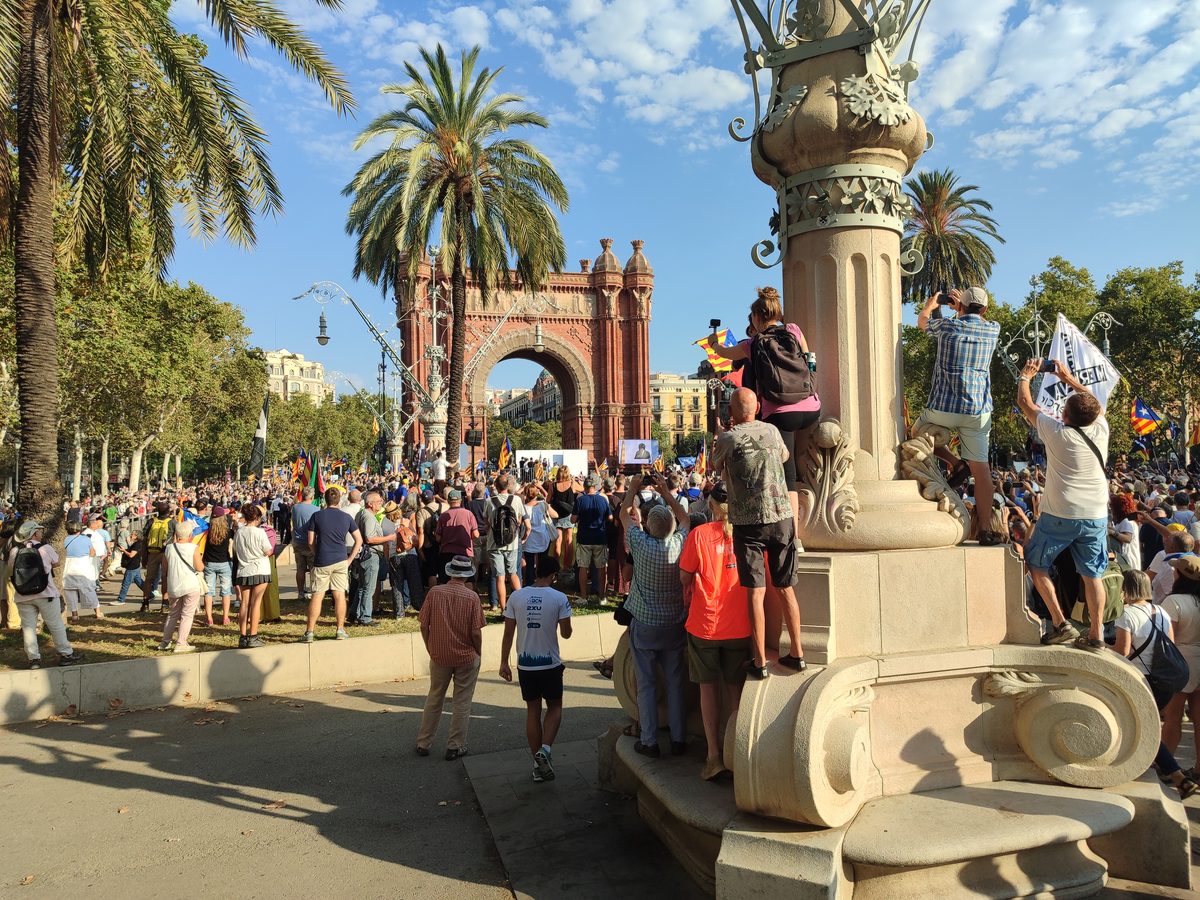
Toni Comín walked across the French border into Catalonia at Portbou on October 25, nine years after the 2017 referendum, and told supporters: "This battle we have won." Lluís Puig had returned on October 21, and both men have since taken their seats in the Catalan Parliament.
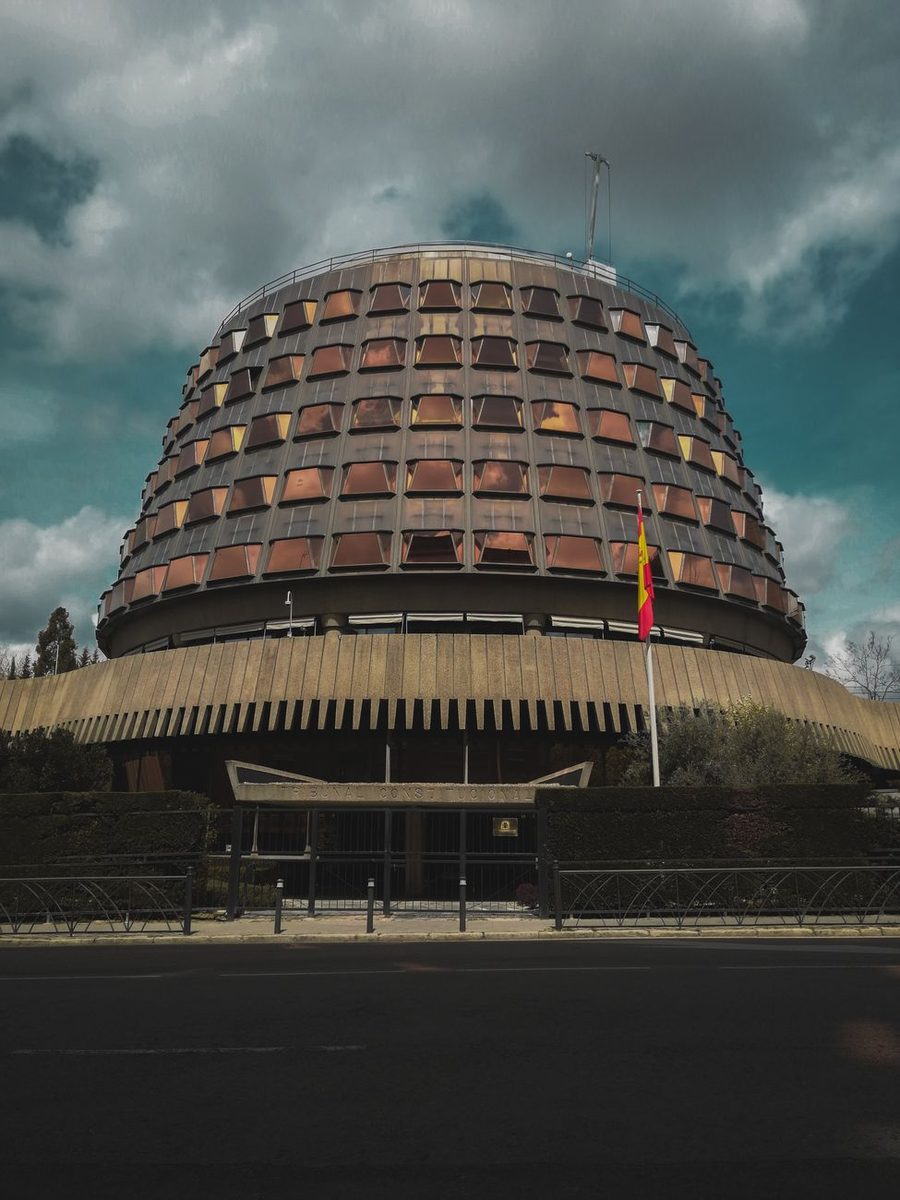
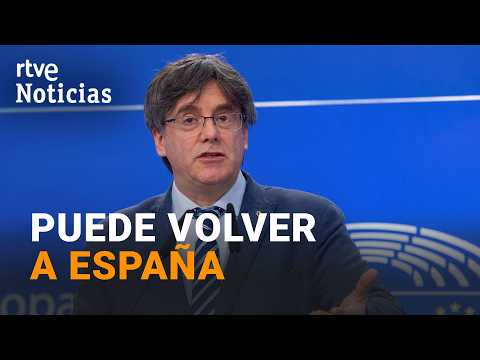
On November 3, investigating judge Pablo Llarena closed his inquiry and revoked the 2018 indictments of Puigdemont, Comín and Puig, sending the final amnesty decision to the Supreme Court's criminal chamber. Puigdemont remains in Waterloo and is not expected back before the November 29 general election.
Why it matters
A separatist leader who spent nine years avoiding Spanish courts can now campaign at home, testing whether the amnesty holds.
Questions about this story
Free account needed to ask — your question is kept and asked for you right after sign-up. Answers are public.
No questions yet — be the first to ask.
Key Indicators
9 years
Length of Puigdemont's exile
He has been based in Belgium since October 2017.
3
Indictments revoked
Judge Llarena revoked the indictments of Puigdemont, Comín and Lluís Puig on November 3.
dozens
Politicians covered by amnesty
The 2024 law covers dozens involved in the secession drive.
17 events
Latest: 6 days ago
Showing 8 of 17
JK to step
Tap a bar to jump to that date
Jump to
November 2026
Supreme Court amnesties Clara Ponsatí
LatestLegal
The court extinguished the former education minister's criminal liability for disobedience over the 2017 referendum and closed her case.
Judge Llarena closes the case and revokes indictments
Legal
Investigating judge Pablo Llarena ended his inquiry, revoked the 2018 indictments of Puigdemont, Comín and Puig, and sent the amnesty decision to the Supreme Court's criminal chamber.
October 2026
Comín crosses into Catalonia on foot
Political
Toni Comín walked from Cerbère in France to Portbou, nine years after the 2017 referendum, and said 'this battle we have won.'
Comín collects his European Parliament credentials
Legal
Comín travels to the Junta Electoral Central at the Congress in Madrid to complete the paperwork for the seat he won in 2024.
Puigdemont asks the Supreme Court to apply the amnesty now
Legal
In a written submission, Puigdemont urges the court to apply the amnesty 'sin más demora' and argues that doing so serves the law's aim of normalising Catalonia.
Lluís Puig returns to Spain
Legal
The former culture minister comes back after nine years, most recently living in southern France, and plans to attend the Catalan Parliament the next day.
ERC puts amnestied leaders on its election slate
Political
Oriol Junqueras takes the 31st slot for Barcelona and Raül Romeva is first substitute, symbolic places that show their bans on holding office are gone.
Supreme Court confirms lifting of warrants
Legal
Judge Llarena rejects Vox's appeal, applies the amnesty and orders the search orders cancelled urgently in police and court registries. He says the ruling does not close the 2017 case.
Llarena provisionally lifts arrest warrants
Legal
Judge acts after the constitutional court rules amnesty covers the embezzlement charges.
Supreme Court applies amnesty to Junqueras and three others
Legal
Oriol Junqueras, Dolors Bassa, Jordi Turull and Raül Romeva are cleared to hold public office again, according to The Constitutionalist. The order does not by itself resolve Puigdemont's case.
2024
Spain passes amnesty law
Rule Change
Socialist-led government grants amnesty to dozens involved in the secession drive.
Puigdemont appears briefly in Barcelona
Political
Surprise appearance at a rally; he escapes over the border before police arrive.
June 2021
Nine jailed Catalan leaders pardoned
Legal
Spanish government issues pardons, releasing nine jailed leaders.
2019
Puigdemont elected to European Parliament
Political
Wins a seat while still in exile in Belgium.
October 2017
Catalan parliament declares independence
Political
Madrid dissolves the government, sacks its leaders, and calls a snap election.
Catalonia holds banned independence referendum
Political
Police crackdown on the vote leaves hundreds injured; separatists claim victory.
Puigdemont flees to Belgium
Legal
The former president leaves Spain as prosecutors open a criminal case.
Scenarios
1
Puigdemont returns to Spain
Likely
Resolves by Jan 31, 2027
Discussed by: BBC, AP (condition met; timing unknown)
With the warrant lifted, Puigdemont can re-enter Spain for the first time since 2017. His former minister Toni Comín plans to travel to Madrid this week for MEP procedures. Puigdemont's own return could come around Spain's November 2026 general election, where his party's support matters for prime minister Pedro Sánchez.
2
Supreme Court formally closes Puigdemont case
Likely
Resolves by Q2 2027
Discussed by: Euronews, eldiario.es (Llarena noted formal dismissal is pending)
Llarena's ruling lifting the warrants is not the final step. He noted the case remains open until the Supreme Court's trial chamber issues a formal ruling extinguishing criminal liability and dismissing the proceedings. That decision is expected to follow the same constitutional court doctrine.
3
New government moves to restrict amnesty
Unlikely
Resolves by Apr 30, 2027
Discussed by: BBC (noting far right could enter government in November 2026 election)
Spain's general election next month could bring the far right into government for the first time. A government backed by Vox might introduce legislation to restrict or reverse the amnesty, or challenge its application. Reversing a court ruling is difficult, but the political fight over the amnesty could intensify.
Historical Context
3 moments from history that rhyme with this story — and how they unfolded.
1 of 3
October 1977
Josep Tarradellas returns from exile (1977)
Josep Tarradellas, president of Catalonia's government in exile since 1954, returned to Barcelona in October 1977 after Franco's death restored democracy. His return reestablished the Generalitat, Catalonia's regional government.
Then
Tarradellas headed a provisional Catalan government until the first regional elections in 1980.
Now
The return set the precedent that a Catalan leader in exile could come home and govern.
Why this matters now
Tarradellas' return is the historical model for Puigdemont's possible reentry, though Puigdemont leads a separatist party rather than a restored institution.
2 of 3
October 1977
Spain's 1977 Amnesty Law
As Spain transitioned to democracy, parliament passed a blanket amnesty for political prisoners of the Franco era. The law freed hundreds of activists and officials jailed during the dictatorship.
Then
Political prisoners were released and exiles returned as Spain consolidated democracy.
Now
The 1977 law became the model for using legal forgiveness to close political wounds, the model the 2024 amnesty invokes.
Why this matters now
The 2024 amnesty for Catalan separatists descends from the 1977 law, but remains far more contested.
3 of 3
April 1998
Northern Ireland's Good Friday Agreement (1998)
The agreement that ended Northern Ireland's Troubles included the early release of paramilitary prisoners in exchange for peace commitments. Hundreds were freed within two years.
Then
Prisoner releases were among the most controversial parts of the deal but proceeded.
Now
The releases helped sustain the peace process despite ongoing political opposition.
Why this matters now
Like the Irish releases, Spain's amnesty trades legal accountability for political stability and draws the same criticism that it rewards lawbreaking.