
Pull to refresh
Logo
Finland licenses world's first permanent nuclear waste repository

Finland licenses world's first permanent nuclear waste repository

Built World

Licence follows 40 years of research and 22 years of construction; startup still needs final safety checks

Overview

Updated Oct 30

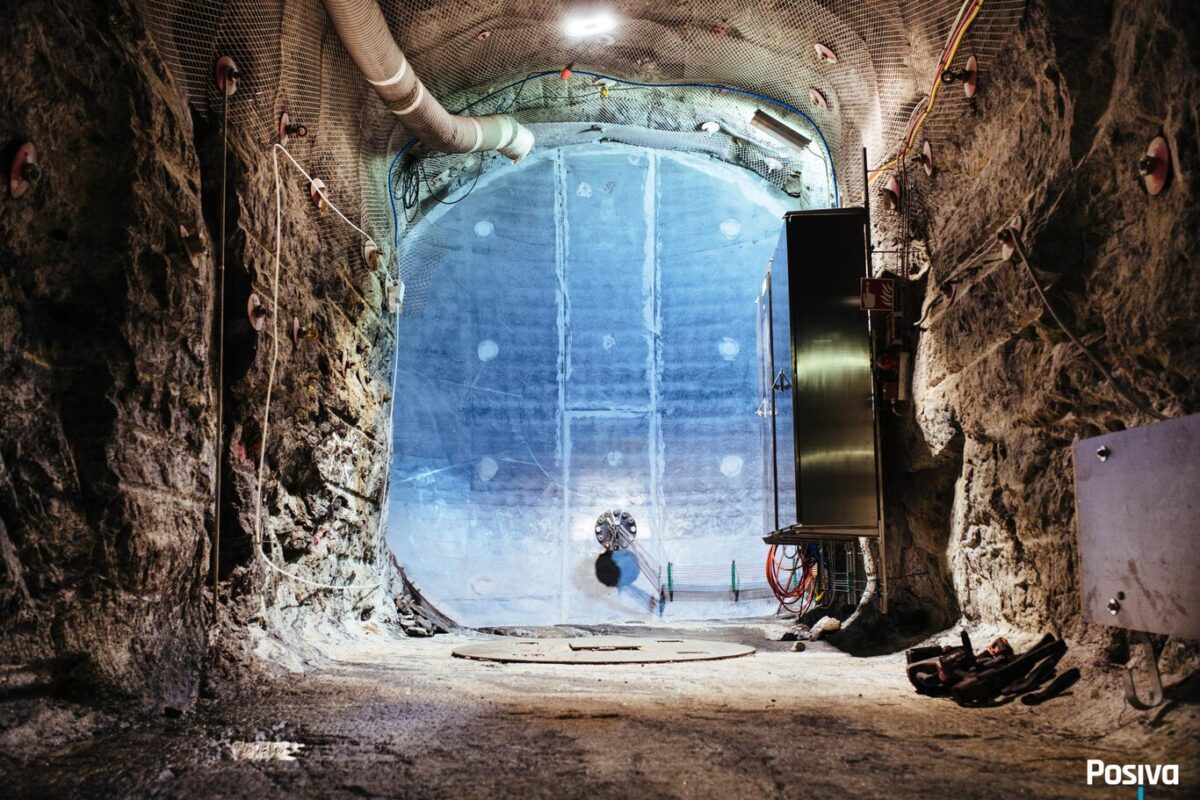
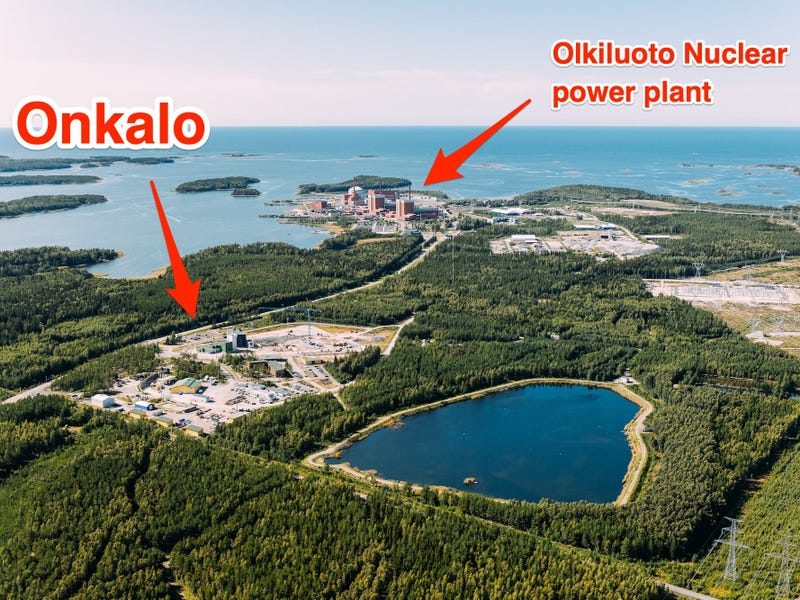
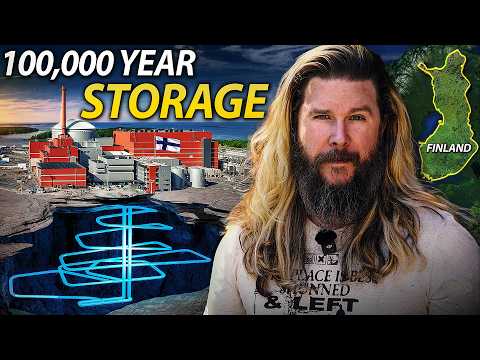
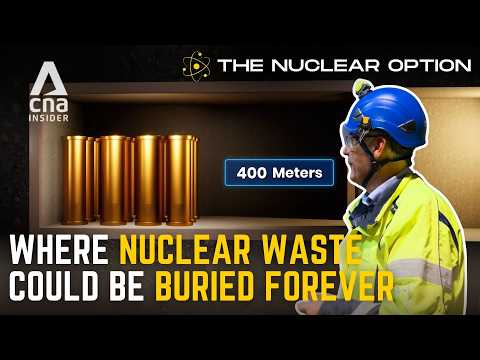
Finland's government granted the world's first operating licence for a permanent spent-fuel repository on 22 October. The Onkalo facility sits about 430 metres down in 1.9-billion-year-old bedrock beside the Olkiluoto nuclear plant on the country's west coast.

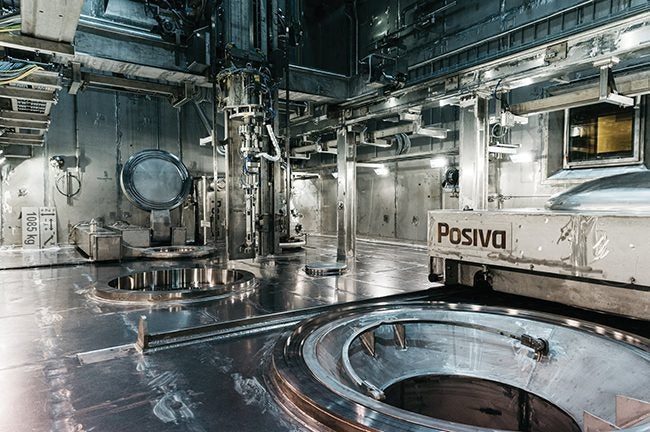
The licence runs to the end of 2070 and covers up to 6,500 tonnes of uranium, or roughly 3,300 canisters at a planned maximum of 60 a year. Posiva, the company that runs the site, still has to finish commissioning tests that regulator STUK must approve before the first canister goes down. Filling and sealing the tunnels is expected to take about a century.

Why it matters

Spent reactor fuel stays dangerous for millennia; Onkalo is the first site licensed to put it back in the ground for good.

Questions about this story

Free account needed to ask — your question is kept and asked for you right after sign-up. Answers are public.

No questions yet — be the first to ask.

Key Indicators

6,500 tU
Licensed spent fuel capacity
The licence allows disposal of up to 6,500 tonnes of uranium across roughly 3,300 canisters.
~3,300
Disposal canisters planned
Copper-steel canisters hold the spent fuel, at a planned maximum of about 60 per year.
430 m
Repository depth in bedrock
The deposition tunnels sit roughly 430 metres down in bedrock about 1.9 billion years old.
2070
Licence runs to end-2070
Operations are authorised until the end of 2070; disposal is expected to continue past the 2120s under later decisions.
22 years
Construction to licence
From the start of construction in 2004 to the October 2026 operating licence.

Voices

Curated perspectives — historical figures and your fellow readers.

Sign up to generate historical perspectives on this story.

People Involved

Organizations Involved

Timeline

2004 October 2026

4 events Latest: October 22nd, 2026 · 3 weeks ago
Tap a bar to jump to that date
  1. Finland grants world-first operating licence

    Latest Licensing

    The Finnish government grants Posiva the first ever operating licence for permanent disposal of spent nuclear fuel. Startup still needs final commissioning tests.

  2. STUK issues favourable safety assessment

    Regulatory

    Finland's radiation safety regulator concludes Onkalo meets safety requirements for an operating licence.

  3. Posiva submits operating licence application

    Regulatory

    Posiva applies for an operating licence after decades of research, site investigation, and construction.

  4. Construction begins at Onkalo

    Construction

    Excavation of the repository tunnels starts near the Olkiluoto nuclear plant in western Finland.

Scenarios

1

Onkalo begins burying its first canisters

Likely Resolves by End of 2027

Discussed by: Posiva and STUK; widely anticipated in nuclear industry media (NucNet)

Posiva completes the remaining commissioning tests, STUK verifies and approves them, and the first copper-steel canister is lowered into a deposition hole. The company has given no firm date, saying only safe disposal is possible, but both sides have cleared the main regulatory hurdle.

2

Copper corrosion dispute delays startup

Unlikely Resolves by End of 2027

Discussed by: Greenpeace and corrosion researchers; contested by Posiva

The 2025 Greenpeace study 'Rock Solid?' argued the copper canisters' corrosion behavior under heat and radiation is not fully understood. If STUK requires additional corrosion testing or design changes before the first disposal, startup slides past 2027.

3

Environmental groups appeal the Onkalo licence

Possible Resolves by End of 2027

Discussed by: Environmental organizations; legal observers

Opponents of the repository could challenge the operating licence in Finland's Supreme Administrative Court. The government's decision followed a 40-year process and STUK's approval, so an appeal is possible but would need to show procedural or safety errors to suspend the licence.

4

Posiva seeks a licence extension past 2070

Likely Resolves by End of 2070

Discussed by: Posiva and Finnish nuclear media reporting the terms of the October licence

The operating licence expires at the end of 2070, but the disposal programme is expected to run about a century, potentially into the 2120s. That leaves a gap requiring further government decisions and a fresh safety review if fuel is still going underground after 2070.

Historical Context

3 moments from history that rhyme with this story — and how they unfolded.

March 1999

Waste Isolation Pilot Plant, New Mexico (1999)

The United States opened the Waste Isolation Pilot Plant near Carlsbad, New Mexico, the world's first operating deep geological repository for radioactive waste. It buries transuranic military waste in salt beds hundreds of metres underground.

Then

WIPP has operated for over two decades, burying thousands of waste containers.

Now

It proved deep geological disposal can work at industrial scale, though only for less radioactive transuranic waste.

Why this matters now

WIPP validated the concept. Onkalo faces the harder test: spent fuel, far hotter and more radioactive, now goes through the same kind of program.

2002-2010

Yucca Mountain, Nevada (2002-2010)

The United States designated Yucca Mountain in Nevada as its spent-fuel repository and Congress approved it in 2002 after billions in research. Opposition from Nevada and others led the federal government to defund the project in 2010.

Then

No waste was ever buried there; the United States still has no permanent spent-fuel repository.

Now

The project showed that political opposition can kill a technically approved repository.

Why this matters now

Finland succeeded where the United States stalled, in large part by securing early acceptance from the local community in Eurajoki.

1980s-present

Sweden's KBS-3 method (1980s-present)

Sweden developed the KBS-3 method in the 1980s: spent fuel sealed in copper canisters, surrounded by bentonite clay, and buried deep in bedrock. Finland licensed the Swedish-designed technology and adapted it for Onkalo.

Then

Finland finalized the Swedish design and received its operating licence first, before Sweden's own Forsmark repository project.

Now

The adopter beat the innovator to the finish, partly by resolving political and licensing hurdles faster.

Why this matters now

The same KBS-3 technology now operates under a Finnish licence, giving Sweden and other countries a working reference case.

Sources

(16)