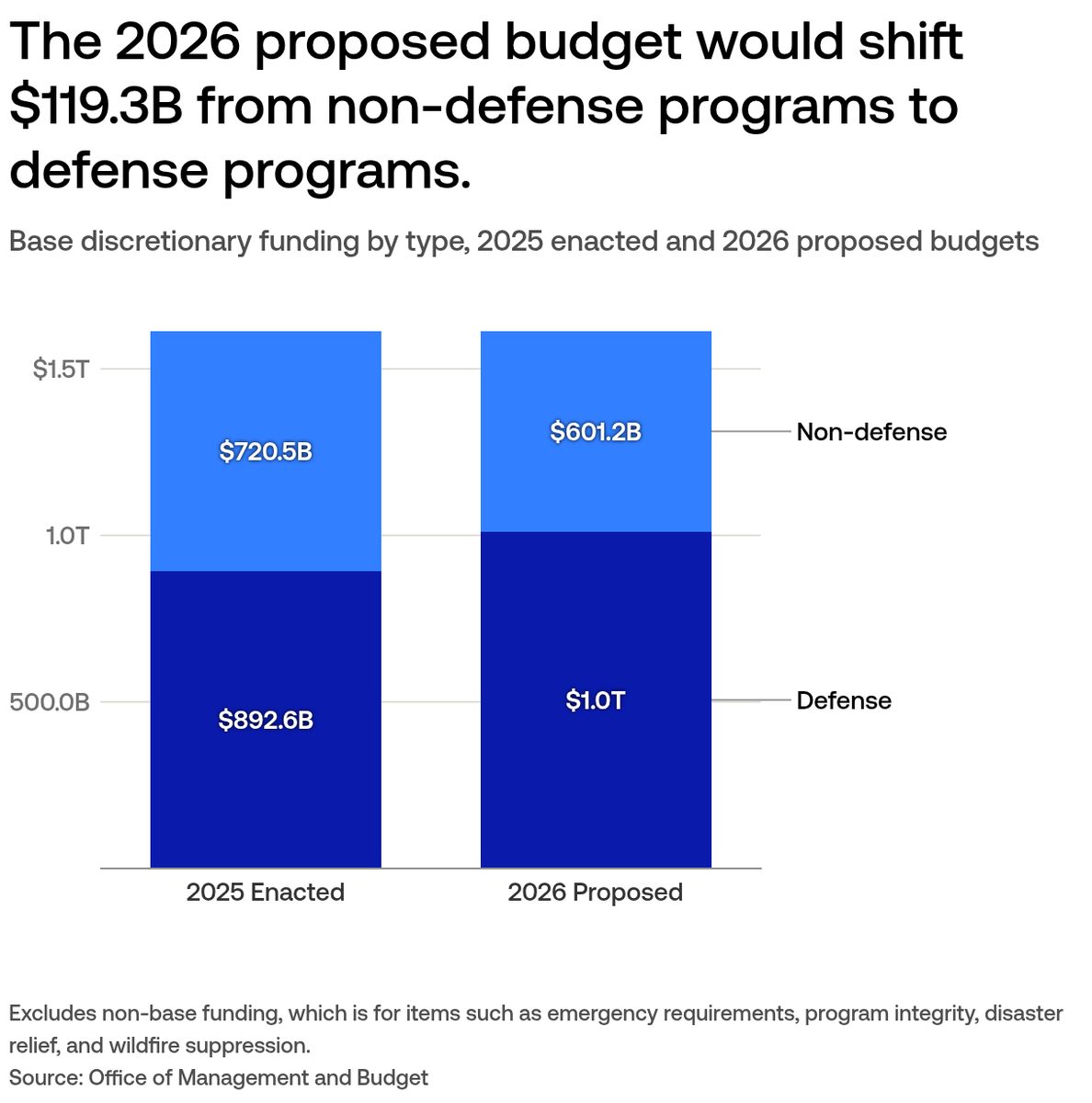
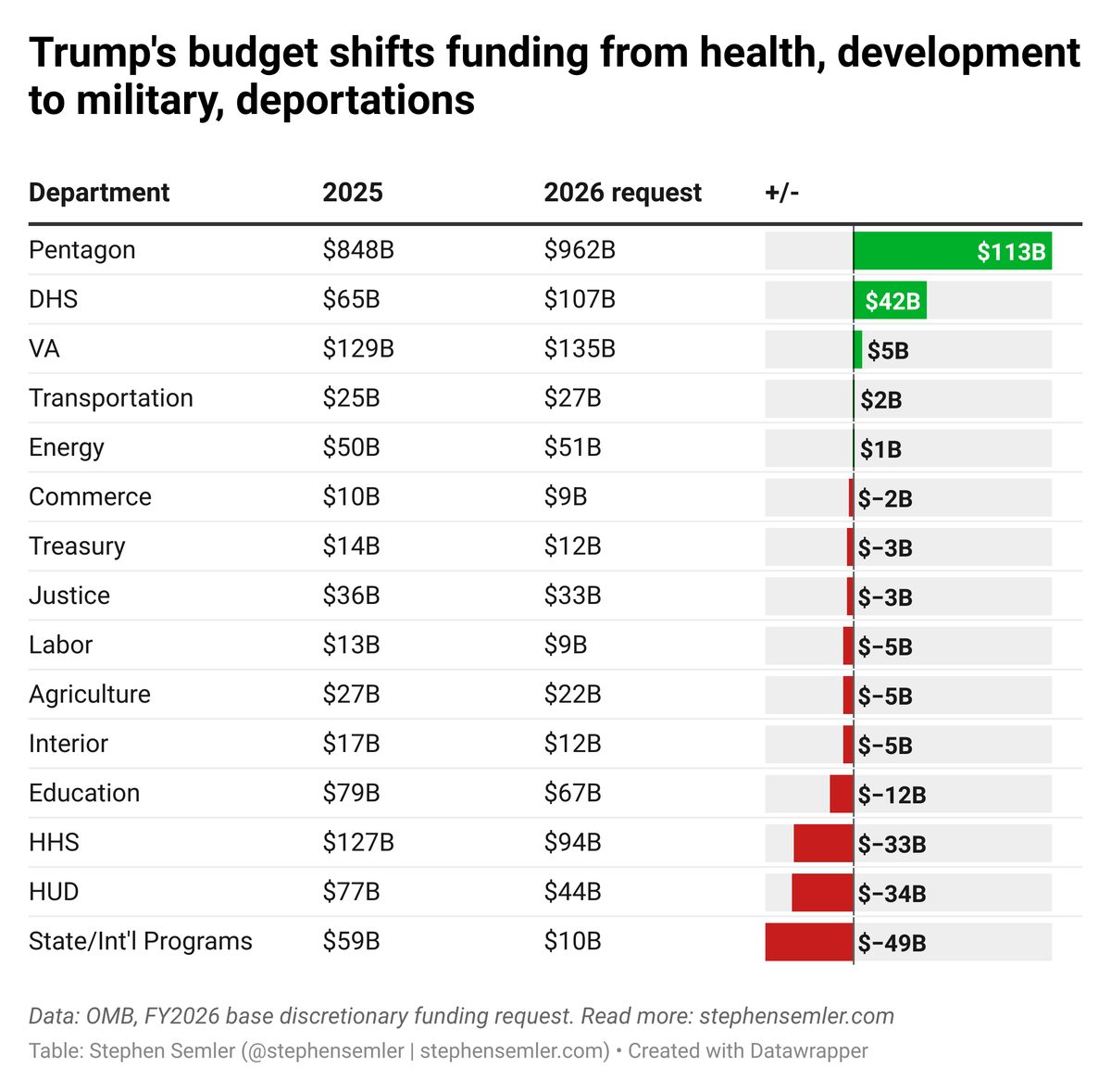
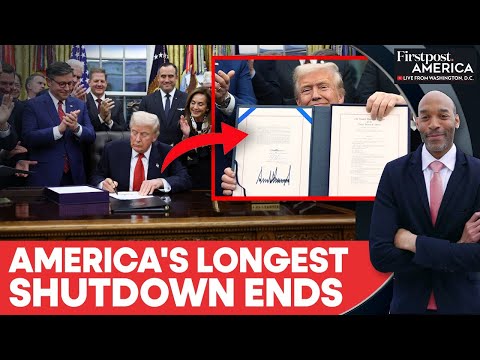
A three-day partial government shutdown ended February 3 when the House passed a split funding package 217-214 and Trump signed it. The deal provides full-year appropriations for five agencies through September and extends DHS funding through February 13.
Senate Democrats had blocked the original $1.2 trillion package on January 29 after two fatal shootings by ICE and Border Patrol agents in Minneapolis within three weeks. That prompted President Trump and Senate Minority Leader Chuck Schumer to negotiate the split. White House Border Czar Tom Homan announced an immediate drawdown of 700 federal agents from Minnesota on February 3, reducing the presence from roughly 3,000 to 2,300 and citing improved cooperation with local jails.
Democrats dismissed the drawdown as insufficient and issued formal demands for ICE reforms: warrants, body cameras, no masks, and detention safeguards. With DHS funding expiring February 13, House Democratic Leader Hakeem Jeffries and Schumer urged Republican leadership to enact "common sense reforms" amid ongoing tensions over Operation Metro Surge. Senate Majority Leader John Thune called for discussions on sanctuary city policies and law enforcement harassment.
Questions about this story
Free account needed to ask — your question is kept and asked for you right after sign-up. Answers are public.
No questions yet — be the first to ask.
Key Indicators
2
U.S. Citizens Killed by Federal Agents
Renee Good (January 7) and Alex Pretti (January 24), both 37-year-old Minneapolis residents shot by ICE and Border Patrol agents.
$64B
DHS Budget at Stake
The blocked funding includes $10 billion for ICE and $3.8 billion for custody and deportation operations; current CR expires Feb 13.
700
Agents Drawn Down
Homan announces immediate reduction from ~3,000 to 2,300 federal personnel in Minnesota as of February 3.
Feb 13
Next Funding Deadline
DHS continuing resolution expires; new standoff possible without ICE reform agreement.
Images from Openverse under Creative Commons licenses.
Videos from YouTube.
Voices
Curated perspectives — historical figures and your fellow readers.
Eleanor Roosevelt
(1884-1962) ·Progressive Era · politics
Fictional AI pastiche — not real quote.
"One wonders whether a government that cannot account for the lives it has taken possesses the moral authority to demand the funds with which to continue. The Constitution wisely granted Congress the power of the purse precisely for such moments when accountability must precede appropriation."
100% found this insightful
Ever wondered what historical figures would say about today's headlines?
Sign up to generate historical perspectives on this story.
37 events
Latest: February 4th, 2026 · 7 months ago
Showing 8 of 37
JK to step
Tap a bar to jump to that date
Jump to
February 2026
Democrats Issue Formal ICE Reform Demands
LatestLegislative
House Leader Hakeem Jeffries and Senate Leader Chuck Schumer send letter to Republican leadership demanding warrants for private property entry, body cameras, no masks for agents, detention standards, and state lawsuit rights against DHS violations.
Homan Announces 700-Agent Drawdown in Minnesota
Negotiation
Border Czar Tom Homan holds press conference announcing immediate drawdown of 700 federal personnel from Minnesota operations due to jail cooperation and unified command, leaving ~2,300 agents; further reductions contingent on ending assaults on officers.
Trump Signs Funding Bill Ending Shutdown
Legislative
President Trump signs H.R. 7148 into law after House 217-214 passage, ending three-day partial shutdown; funds most agencies through September but DHS only through February 13.
January 2026
Senate Passes Split Funding Package 71-29
Legislative
Senate approves five full-year appropriations bills through September plus two-week DHS continuing resolution through February 13. Only five Republicans vote against: Rand Paul, Ted Cruz, Mike Lee, Ron Johnson, and Rick Scott. Partial shutdown begins hours later at 12:01 AM Saturday since House is on recess until Monday.
Partial Government Shutdown Begins
Legislative
Brief partial shutdown affecting DHS, DOD, Labor, HHS, Education, and other agencies begins as House remains on recess until Monday. Shutdown expected to last through weekend until House can vote Monday evening, February 3.
Homan Announces Conditional ICE Drawdown Strategy
Negotiation
Border czar Tom Homan states Immigration and Customs Enforcement and Customs and Border Protection are working on a drawdown plan in Minnesota, saying 'More agents in the jail means less agents in the street.' Homan emphasizes the withdrawal depends on cooperation from Governor Walz and Mayor Frey.
Weekend Shutdown Becomes Inevitable
Legislative
With Senate unable to vote until Friday and House on recess until Monday February 3, a partial government shutdown affecting DHS, DOD, and other agencies becomes unavoidable starting January 31 at 12:01 AM.
Senate leaders announce chamber will reconvene Friday at 11:00 AM to vote on split funding deal. With House on recess until Monday, partial shutdown beginning 12:01 AM Saturday is now unavoidable. Shutdown will affect DHS, DOD, Labor, HHS, Education, and other agencies until House can vote Monday.
Graham Lifts Hold After Securing Sanctuary Cities Vote
Legislative
Senator Lindsey Graham lifts his hold on the funding package after Majority Leader Thune commits to a vote on banning sanctuary cities within two weeks. Graham had blocked Thursday's unanimous consent vote over the Arctic Frost provision allowing senators to sue DOJ and immigration enforcement concerns.
Speaker Johnson Backs Senate Deal After Trump Support
Legislative
House Speaker Mike Johnson tells House GOP conference call he will back the Senate-passed funding deal in light of President Trump's support. Johnson says he hopes House will pass the bill Monday, February 3.
Frey Responds Skeptically to Homan Drawdown Claims
Negotiation
Minneapolis Mayor Jacob Frey responds to Tom Homan's drawdown announcements, stating 'Any drawdown of ICE agents is a step in the right direction- but my ask remains the same: Operation Metro Surge must end.' Frey says he'll 'believe it when he sees it.'
Homan Press Conference: Pledges Federal Agent Drawdown, Announces Cooperation Deal
Negotiation
Border czar Tom Homan holds his first press conference as operational commander in Minneapolis, announcing plans for a federal agent drawdown contingent on state cooperation and vowing to remain 'until the problem is gone.' Homan reveals Minnesota Attorney General Keith Ellison agreed to notify ICE when local jails release 'violent illegal aliens.' Homan refuses to disclose current agent numbers but states unprofessional officers will be 'dealt with.'
Senate Schedules Cloture Vote on $1.2 Trillion Package
Legislative
Senate Majority Leader John Thune schedules a cloture vote for January 29 on the six-bill spending package including DHS funding. The vote requires 60 senators to advance but Democrats controlling 47 votes have pledged to block it. Late reports suggest White House may be open to separating DHS funding and passing it under a short-term continuing resolution to avert shutdown.
Senate Cloture Vote Fails 45-55
Legislative
Senate votes 45-55 to block the six-bill spending package, with seven Republicans joining all 47 Democrats in opposition. The vote fell short of the 60 votes needed to advance the legislation.
Trump and Schumer Negotiate Split Funding Deal
Negotiation
President Trump communicates directly with Senate Minority Leader Chuck Schumer about splitting DHS funding from the rest of the package. White House officials and Schumer work on a deal to remove DHS funding and replace it with a short-term continuing resolution. Negotiations focus on length: Republicans want up to six weeks, Democrats want one to two weeks.
Schumer Outlines Three ICE Reform Demands
Legislative
Senate Minority Leader Chuck Schumer publicly details three specific demands for DHS funding: end roving patrols and tighten warrant rules for arrests; enforce a uniform code of conduct; and require agents to remove masks, carry identification, and wear body cameras.
Homan Announces Jail-Focused Drawdown Strategy
Negotiation
Border czar Tom Homan announces in press conference that federal agents will shift from street operations to jail-based enforcement if Minnesota provides access to undocumented immigrants in state prisons and county jails. 'More agents in the jail means less agents in the street,' Homan states, explicitly saying he plans to 'draw down the number of people here.'
Thune Signals Possible Future DHS Reforms
Legislative
Senate Majority Leader John Thune states that while changes to the DHS bill won't happen as part of the current spending package, 'there's a path to consider some of those things' regarding Democratic reform demands down the road.
Trump and Schumer Announce Split Funding Agreement
Negotiation
President Trump and Minority Leader Schumer reach deal to fund five agencies through September while placing DHS on two-week continuing resolution through February 13. Agreement allows negotiations on ICE reforms to continue while averting prolonged shutdown for most of government.
Graham Blocks Unanimous Consent; Forces Friday Vote
Legislative
Senator Lindsey Graham objects to passing the funding deal by unanimous consent, preventing immediate vote. Senate adjourns and plans to return Friday, making brief weekend shutdown unavoidable since House is on recess until Monday.
Minnesota AG Disputes Homan's Jail Agreement Claims
Negotiation
Minnesota Attorney General Keith Ellison denies making any agreement with Tom Homan about county jail notification to ICE, directly contradicting Homan's press conference claims. Ellison states he 'did not negotiate with Mr. Homan, come to any agreement, or offer any compromise.'
Bovino Departs Minneapolis; Federal Agents Begin Withdrawal
Response
Commander Gregory Bovino leaves Minneapolis and returns to his previous position as chief of the El Centro, California sector. U.S. Customs and Border Protection begins reducing the number of agents in Minneapolis as Tom Homan assumes operational control.
Homan Meets with Minneapolis Mayor
Negotiation
Border czar Tom Homan meets with Mayor Jacob Frey to discuss de-escalation and next steps for federal immigration operations.
Homan Meets with Walz and Frey
Negotiation
Border czar Tom Homan meets separately with Governor Tim Walz and Mayor Jacob Frey. All parties describe the meetings as a 'productive starting point' and agree to ongoing dialogue. Walz reports 'a tone shift' and lists three priorities: impartial investigations into the shootings, swift reduction in federal forces, and an end to retribution against Minnesota officials.
Senate Democrats Announce DHS Funding Block
Legislative
Minority Leader Schumer announces Democrats will not provide votes to advance the spending package if it includes DHS funding. Senator Patty Murray, a key appropriations negotiator, reverses her support.
Bovino Relieved of Command; Homan Deployed
Response
Trump deploys border czar Tom Homan to Minneapolis. Commander Gregory Bovino is relieved and returns to California. Some federal agents begin departing.
Thune Refuses to Separate DHS Funding
Legislative
Senate Majority Leader Thune advances the full spending package despite Democratic opposition, refusing to split out DHS funding.
Alex Pretti Fatally Shot by Border Patrol
Incident
Border Patrol agents pepper-spray, wrestle to the ground, and shoot 37-year-old VA nurse Alex Pretti at least ten times. Video shows he was filming with his phone and never drew his legally owned firearm.
Statewide 'ICE Out' Protest
Protest
Hundreds of Minnesota businesses close for a statewide 'ICE Out' protest and strike. Around 100 clergy are arrested at Minneapolis-St. Paul International Airport.
House Passes Spending Package
Legislative
The House passes a $1.2 trillion spending package including DHS funding, sending it to the Senate ahead of the January 30 deadline.
Federal Judge Issues Preliminary Injunction
Legal
U.S. District Judge Katherine Menendez orders federal agents not to retaliate against peaceful protesters and prohibits use of pepper spray as retaliation for protected speech.
Minnesota Sues to Halt ICE Surge
Legal
Minnesota Attorney General Keith Ellison, Minneapolis, and St. Paul file suit against the Trump administration seeking to halt Operation Metro Surge.
Renee Good Fatally Shot by ICE Agent
Incident
ICE agent Jonathan Ross shoots 37-year-old Renée Good three times in her vehicle in south Minneapolis. DHS claims self-defense; video contradicts their account. Good is an American citizen and mother of three.
Walz Activates National Guard Warning Order
Response
Governor Tim Walz orders the Minnesota National Guard to a state of preparedness following Good's killing.
December 2025
First Class-Action Lawsuit Filed
Legal
Individual plaintiffs and the ACLU of Minnesota file a class-action lawsuit alleging constitutional violations by federal agents in Operation Metro Surge.
DHS Claims 400 Arrests
Enforcement
DHS reports Operation Metro Surge has arrested 400 undocumented immigrants, claiming the arrests include violent offenders.
Operation Metro Surge Begins
Enforcement
ICE launches what DHS calls 'the largest immigration enforcement operation ever carried out,' deploying up to 2,000 federal agents to the Minneapolis-St. Paul area.
Scenarios
1
Partial Shutdown Begins Friday, DHS Funding Stalls for Weeks
Likely
Discussed by: NPR, CNN, CNBC political analysts
Neither side blinks before January 30. The government partially shuts down affecting the Pentagon, DHS, and other agencies—though ICE continues operating on its $75 billion supplemental funding. Republicans blame Democrats for endangering national security; Democrats blame Republicans for refusing to hold ICE accountable. The standoff extends for weeks as both sides dig in, similar to the 43-day shutdown of 2025.
2
Last-Minute Deal: DHS Bill Separated, Shutdown Averted
Possible
Discussed by: The Hill, Roll Call congressional reporters
As the deadline approaches, Republicans agree to separate DHS funding and pass the other five bills to avoid shutting down 75% of discretionary spending. DHS operates on a short-term continuing resolution while negotiations continue. This requires Thune to reverse his stated position but avoids political blame for a shutdown.
3
Democratic Defections Provide 60 Votes
Unlikely
Discussed by: Fox News, Deseret News political analysts
More moderate Democrats join Fetterman in voting for the package, either breaking with Schumer or negotiating minor concessions. Seven or more Democrats prioritize avoiding a shutdown over extracting ICE accountability measures, allowing the full package to pass before January 30.
4
Minneapolis De-escalation Unlocks Funding Deal
Uncertain
Discussed by: Washington Post, ABC News analysts
The Trump administration's decision to remove Bovino and deploy Homan signals a willingness to change course. If federal agents significantly draw down in Minneapolis and the administration agrees to accountability measures—such as requiring body cameras or independent investigations—enough Democrats may vote for the package. Homan's meetings with local officials produce a framework both sides can accept.
Historical Context
3 moments from history that rhyme with this story — and how they unfolded.
1 of 3
May 1970
Kent State Shooting (1970)
Ohio National Guard soldiers fired 67 rounds into a crowd of students protesting the Vietnam War at Kent State University, killing four and wounding nine. The students were unarmed. The Guard claimed they fired in self-defense after feeling threatened.
Then
The shootings sparked a nationwide student strike involving 4 million students and closed hundreds of campuses. Nixon's approval rating dropped 6 points.
Now
The incident galvanized anti-war sentiment and contributed to eventual U.S. withdrawal from Vietnam. No guardsmen were convicted, but the families received a $675,000 settlement.
Why this matters now
Kent State established that government forces killing American citizens during protests—even when claiming self-defense—can rapidly shift public opinion and political momentum against the administration responsible.
2 of 3
August 1992
Ruby Ridge (1992)
U.S. Marshals and FBI agents besieged Randy Weaver's cabin in rural Idaho over a failure-to-appear warrant. An 11-day standoff resulted in the deaths of Weaver's 14-year-old son, his wife Vicki, and Deputy U.S. Marshal William Degan. FBI sniper Lon Horiuchi shot Vicki Weaver while she held her infant daughter.
Then
Congressional hearings found the FBI's rules of engagement unconstitutional. The Justice Department paid Weaver's family $3.1 million.
Now
The DOJ created its first unified deadly force policy for all federal law enforcement. Ruby Ridge became a rallying point for anti-government movements and directly motivated Timothy McVeigh.
Why this matters now
Like Minneapolis, Ruby Ridge involved federal agents killing American citizens in circumstances that contradicted official accounts. The resulting policy reforms established the framework that critics say ICE is now violating.
3 of 3
October 2013
2013 Government Shutdown (Obamacare)
Senator Ted Cruz led House Republicans to demand defunding the Affordable Care Act as a condition of passing spending bills. The resulting 16-day shutdown furloughed 800,000 federal workers. Cruz staged a 21-hour speech on the Senate floor.
Then
Republicans received most of the blame in polls (39% vs. 19%). They eventually passed a spending bill without major changes to the health care law.
Now
The strategy backfired politically but raised Cruz's national profile. It established that using shutdowns as leverage over policy disputes carries significant political risk for the initiating party.
Why this matters now
Democrats are now employing a similar leverage strategy—refusing to fund a specific agency to force policy changes. The 2013 precedent suggests the party seen as causing the shutdown often pays a political price.