

Pull to refresh
Logo
Europe's war on synthetic drug production

Europe's war on synthetic drug production

Force in Play

Operation Fabryka Dismantles Continental Precursor Network

January 24th, 2026: Operation Fabryka Publicly Announced

Overview

Updated May 22

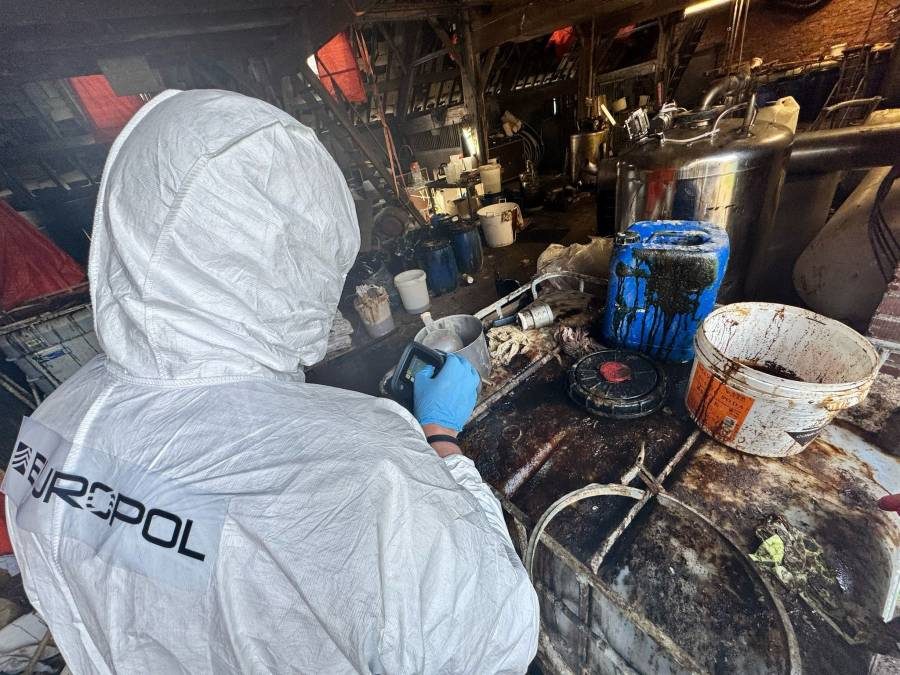
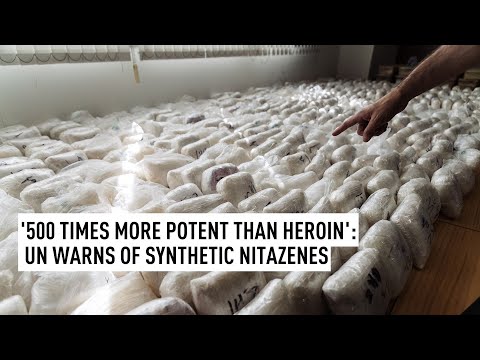
Europe dismantles 500 drug labs every year, most producing a few kilograms before police find them. Operation Fabryka was different: it targeted the wholesale supply chain feeding dozens of labs across six countries. Authorities seized 1,000 tonnes of precursor chemicals—enough to produce an estimated 300 tonnes of MDMA, amphetamine, and methamphetamine for European streets.

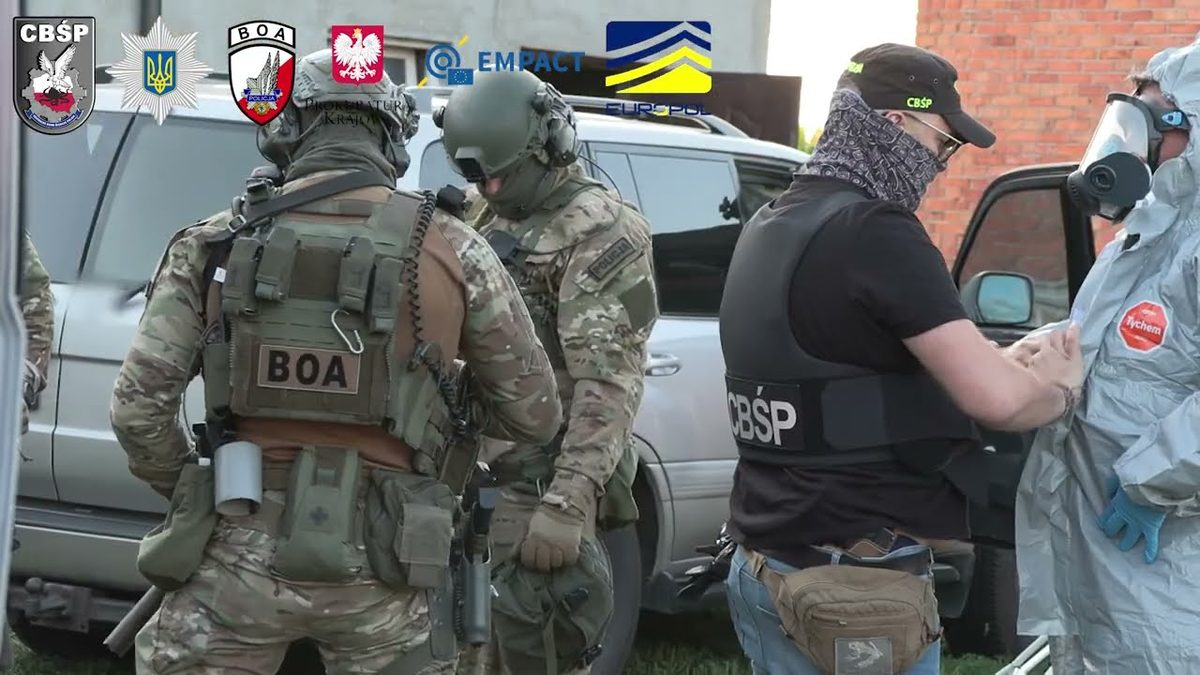
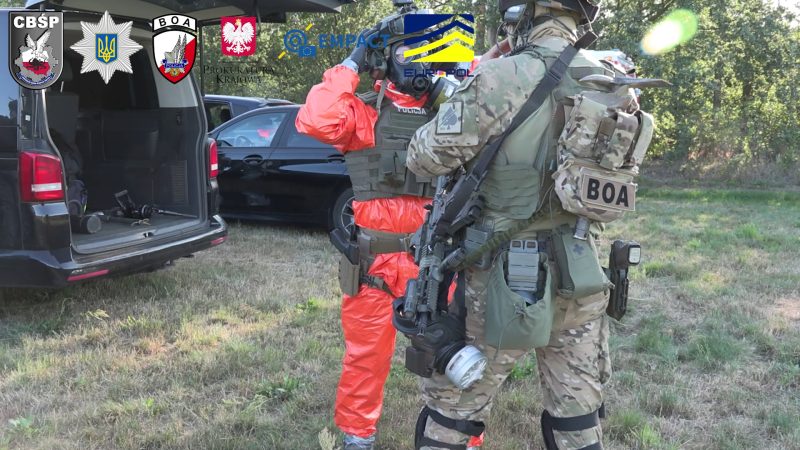
In 2024, Polish police discovered pharmaceutical companies importing vast quantities of legal chemicals from China and India far exceeding any legitimate business need. These chemicals were repackaged, mislabeled, and sent to clandestine labs across the EU. Over 12 months, authorities dismantled 24 industrial-scale production facilities and arrested 85 people, including two Polish ringleaders who orchestrated the continental network.

Questions about this story

Free account needed to ask — your question is kept and asked for you right after sign-up. Answers are public.

No questions yet — be the first to ask.

Key Indicators

1,000
Tonnes of Precursors Seized
Enough to produce an estimated 300 tonnes of synthetic drugs
24
Industrial Labs Dismantled
Production facilities across six EU countries
85+
Arrests
Including two high-value targets identified as Polish ringleaders
9.3
Tonnes of Finished Drugs
MDMA, amphetamine, methamphetamine, and synthetic cathinones

Voices

Curated perspectives — historical figures and your fellow readers.

Ever wondered what historical figures would say about today's headlines?

Sign up to generate historical perspectives on this story.

People Involved

Organizations Involved

Timeline

July 2020 January 2026

8 events Latest: January 24th, 2026 · 8 months ago
Tap a bar to jump to that date
  1. Operation Fabryka Publicly Announced

    Latest Statement

    Europol announces the largest-ever synthetic drug operation in European history: 1,000 tonnes of precursors seized, 24 labs dismantled, 85+ arrested across six countries.

  2. EU Unveils New Drugs Strategy

    Policy

    European Commission presents new EU Drugs Strategy and Action Plan, including enhanced precursor controls, real-time seizure reporting, and urgency procedures for scheduling designer chemicals.

  3. EU Drug Report Highlights Netherlands and Poland

    Report

    European Drug Report 2025 reveals Netherlands leads Europe with 32 of 36 MDMA labs dismantled; Poland accounts for 40 of 53 synthetic cathinone production sites.

Scenarios

1

Precursor Squeeze Forces Criminal Adaptation

Likely

Discussed by: European Drug Report analysts, Europol strategic assessments

The seizure of 1,000 tonnes of precursors creates a temporary supply shortage for European synthetic drug producers. Criminal networks shift to alternative chemical pathways or designer precursors not yet scheduled under EU law. Production disperses to smaller, harder-to-detect facilities. Retail prices for MDMA and amphetamine rise temporarily before stabilizing as networks adapt.

2

Poland-China Precursor Route Closed, New Corridors Emerge

Possible

Discussed by: International Narcotics Control Board, EU precursor control specialists

Enhanced monitoring of Polish pharmaceutical imports and new EU precursor regulations force criminal networks to reroute supply chains. Alternative entry points through Baltic states, Southern Europe, or direct synthesis from more basic chemicals become preferred. The wholesale distribution model pioneered by the Fabryka network is replicated elsewhere.

3

Prosecutions Yield Major Sentences

Likely

Discussed by: Polish prosecutors, Eurojust coordination assessments

The two Polish ringleaders and other high-value targets face prosecution under organized crime statutes with potential sentences exceeding 15 years. Cooperation agreements lead to intelligence on connected networks. Asset recovery proceedings target the €2.5 million in real estate and financial networks used for money laundering.

4

Environmental Cleanup Reveals Broader Contamination

Possible

Discussed by: Environmental agencies, public health officials in affected regions

The 120,000+ litres of toxic waste seized represents only documented material. Investigations into dumping sites near dismantled labs reveal groundwater contamination affecting rural communities. Clean-up costs fall to local governments, spurring political pressure for stronger producer liability frameworks.

Historical Context

3 moments from history that rhyme with this story — and how they unfolded.

2010-2020

Netherlands Brabant Drug Labs Expansion (2010s)

The southern Dutch province of North Brabant became Europe's primary synthetic drug manufacturing hub. When precursor imports from China were restricted around 2009, criminal chemists developed methods to synthesize precursors domestically, actually expanding production capacity. Illegal toxic waste dumps increased from 35 in 2010 to 206 by 2017.

Then

Netherlands became responsible for 32 of 36 MDMA labs dismantled in Europe by 2023, plus 38 of 93 amphetamine labs.

Now

Criminal groups developed sophisticated division of labor across borders, moving precursor synthesis to Poland while maintaining production in Netherlands and Belgium. Environmental contamination became a persistent public health concern.

Why this matters now

Operation Fabryka targeted the Poland-based precursor distribution network that emerged after Dutch criminal groups internationalized their supply chains. The operation acknowledges that disrupting one national hub simply displaces production unless supply chains are also severed.

2018-June 2021

Operation Trojan Shield (2021)

The FBI and Australian Federal Police secretly developed and distributed ANOM, a supposedly secure encrypted phone platform, to criminal networks worldwide. Over three years, 12,000 devices were sold to 300 criminal syndicates in 100 countries. Authorities read 27 million messages before executing simultaneous raids globally.

Then

Over 800 arrests, 8 tonnes of cocaine seized, 250 firearms recovered, and $48 million in currency confiscated. More than 50 drug labs dismantled.

Now

Demonstrated that law enforcement could operate covert infrastructure at scale within criminal ecosystems. Forced organized crime to assume any encrypted platform might be compromised.

Why this matters now

Both operations reflect a shift from reactive enforcement to proactive infrastructure disruption. Operation Fabryka applies this logic to chemical supply chains rather than communications—targeting the inputs that make production possible.

March-July 2020

EncroChat Takedown (2020)

French gendarmes infiltrated EncroChat, an encrypted phone network used by 60,000 criminals across Europe. Over several months, authorities intercepted 115 million messages, gaining unprecedented visibility into organized crime communications. The operation led to arrests across multiple crime categories: drug trafficking, money laundering, and contract killings.

Then

Within months, 6,500 suspects were arrested and €900 million in criminal assets seized. Authorities dismantled 19 synthetic drug labs.

Now

Criminal networks migrated to alternative encrypted platforms including Sky ECC and ANOM, inadvertently walking into subsequent stings. The operation established legal precedent for cross-border use of intercepted communications as evidence.

Why this matters now

Operation Fabryka represents the next phase of European enforcement strategy: having broken criminal communications, authorities now target physical supply chains. Intelligence from EncroChat likely informed the identification of precursor distribution networks.

Sources

(8)