

Pull to refresh
Logo
Ukraine and nine European nations form joint missile-defense coalition

Ukraine and nine European nations form joint missile-defense coalition

Built World

Ten countries pool interceptor production to cut Europe's reliance on scarce US Patriot missiles

July 14th, 2026: Ten nations launch the Anti-Ballistic Missile Coalition

Overview

Updated Jul 14

A single Patriot interceptor costs about $3.8 million, and the US makes only so many each year. On July 14, 2026, Ukraine and nine European countries agreed to build their own, cheaper alternative and share the factories that make them.

The plan leans on Freyja, a Ukrainian interceptor priced near $700,000 a shot. If it works, Europe gains a way to shoot down Russian ballistic missiles without waiting in line for American hardware. That is the whole point.

Why it matters

Europe now depends on the US for the missiles that shoot down incoming warheads; this coalition is a bet it can supply its own.

Questions about this story

Free account needed to ask — your question is kept and asked for you right after sign-up. Answers are public.

No questions yet — be the first to ask.

Key Indicators

10
Founding nations
Ukraine plus France, Germany, the UK, Italy, the Netherlands, Denmark, Norway, Spain and Sweden.
$700K
Cost per Freyja intercept
Estimated cost of one Freyja shot, the coalition's low-cost interceptor.
$3.8M
Cost per Patriot PAC-3
Roughly what one US Patriot interceptor costs, the system Europe wants to supplement.
12 months
Zelenskyy's target for Freyja
Timeline Ukraine's president gave for a working system; outside analysts call it optimistic.

Voices

Curated perspectives — historical figures and your fellow readers.

Ever wondered what historical figures would say about today's headlines?

Sign up to generate historical perspectives on this story.

People Involved

Organizations Involved

Timeline

2 events Latest: July 14th, 2026 · 2 months ago
  1. Ten nations launch the Anti-Ballistic Missile Coalition

    Latest Announcement

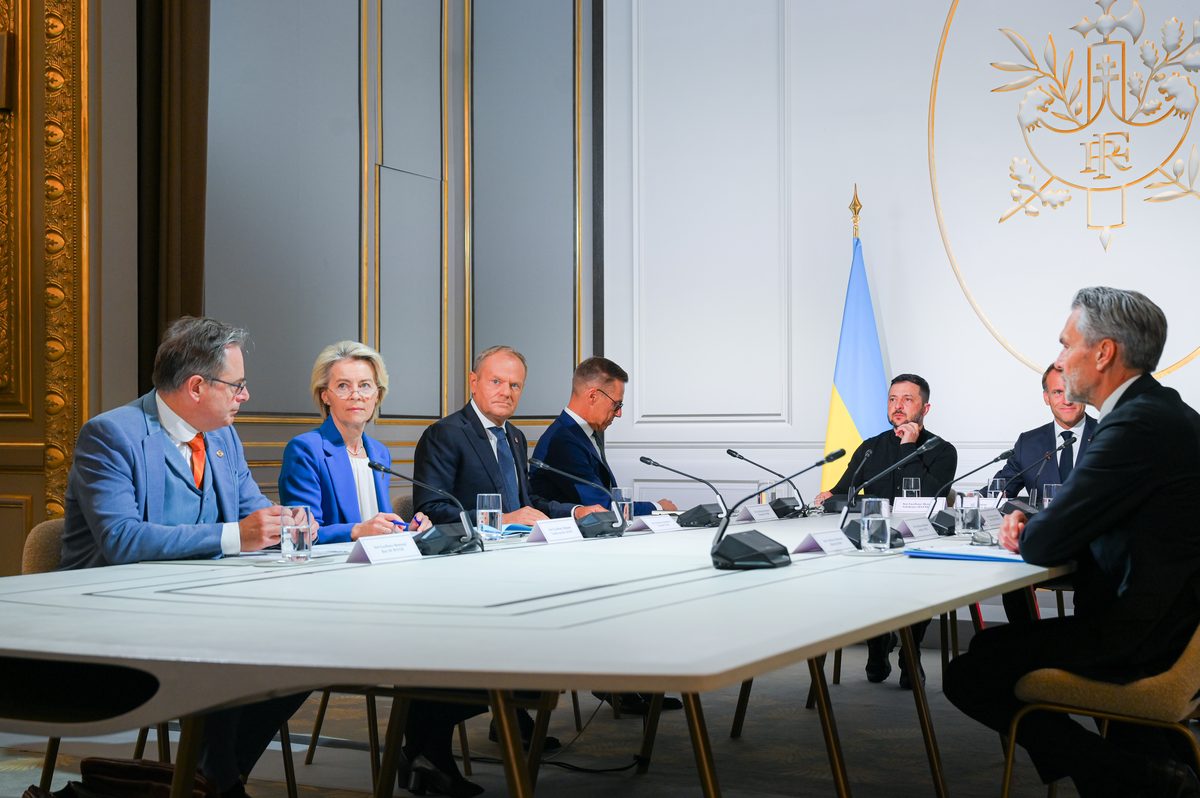
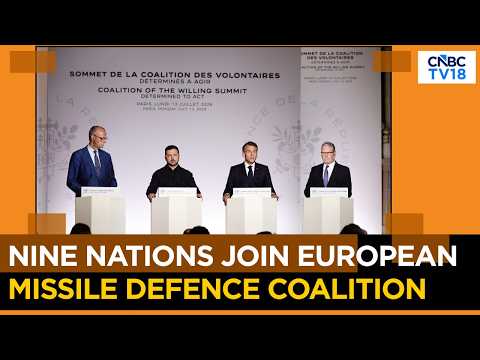
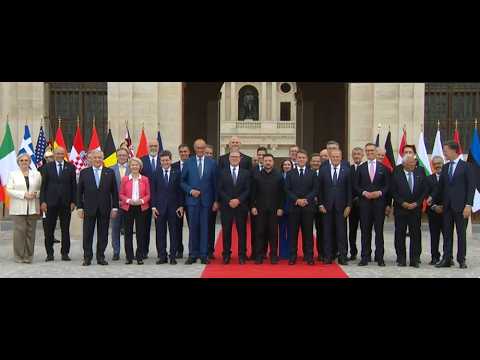
    Meeting in Paris, Ukraine and nine European states agreed to a shared missile-defense architecture and pooled interceptor production centered on Ukraine's Freyja.

  2. Kremlin dismisses the coalition before it meets

    Statement

    Spokesman Dmitry Peskov called the group a "coalition of warmongers" and "the deluded." Putin warned Russia's strikes would be "several times more powerful."

Scenarios

1

Freyja reaches first operational capability within a year

Possible Resolves by Jul 14, 2027

Discussed by: President Zelenskyy; covered by the Kyiv Independent and Euromaidan Press

Ukraine and its partners move fast, Fire Point scales production, and a working Freyja battery goes live. Zelenskyy set the 12-month target himself. Success would give Europe its first home-built ballistic-missile interceptor in the field and prove the low-cost model against real Russian strikes.

2

Coalition sets binding production targets and funding by 2026 end

Likely Resolves by End of 2026

Discussed by: Élysée joint statement; defense firms Thales, Leonardo, MBDA, Saab and Kongsberg

The ten members turn the Paris declaration into a concrete plan: named funding, interceptor production quotas, and a signed industrial roadmap. This is the near-term test of whether the coalition is real cooperation or a communiqué. Joint technical working groups would need to publish agreed requirements.

3

Russia escalates strikes citing the coalition

Uncertain Resolves by Oct 14, 2026

Discussed by: President Putin and Kremlin spokesman Dmitry Peskov

Putin said any strike on Russian territory would draw a response "several times more powerful." Moscow could follow through by intensifying its ballistic-missile campaign against Ukraine and naming the coalition as justification. The Kremlin has already framed the group as an act of Western aggression.

Historical Context

2 moments from history that rhyme with this story — and how they unfolded.

March 1983

US Strategic Defense Initiative (1983)

President Ronald Reagan announced a program to build a shield against Soviet ballistic missiles, quickly nicknamed "Star Wars." It promised to intercept warheads in flight and shift the nuclear balance toward defense. Critics said the technology was decades away.

Then

The plan alarmed Moscow and became a bargaining chip in US-Soviet arms talks.

Now

Most of the ambitious space-based tech never deployed, but it seeded decades of US missile-defense research.

Why this matters now

It shows how missile-defense pledges can outrun the technology and how the other side reads a shield as a threat, both live questions for Freyja.

October 2022

European Sky Shield Initiative (2022)

Germany led more than a dozen European states in a plan to jointly buy air-defense systems, mostly American and Israeli hardware like Patriot and Arrow 3. The goal was to close gaps exposed by Russia's invasion of Ukraine. France and some others declined, favoring European-built systems.

Then

Members began coordinating purchases, but disputes over whose industry benefits slowed progress.

Now

Arrow 3 deliveries to Germany run toward 2030, showing how long such systems take to field.

Why this matters now

The new coalition is partly a French-flavored answer to Sky Shield: build European interceptors rather than buy foreign ones. The same industrial and timeline fights apply.

Sources

(4)